
Now Reading: Best plac to visit in Boutilimit
-
01
Best plac to visit in Boutilimit
Best plac to visit in Boutilimit
1. Boutilimit Old Town

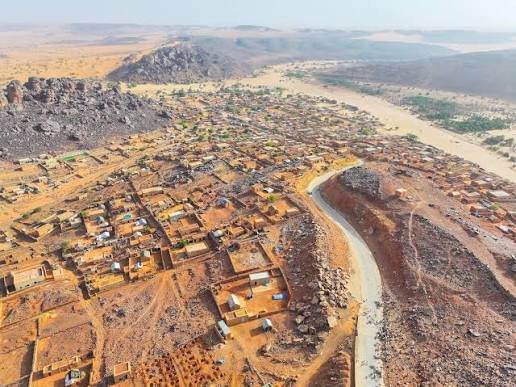
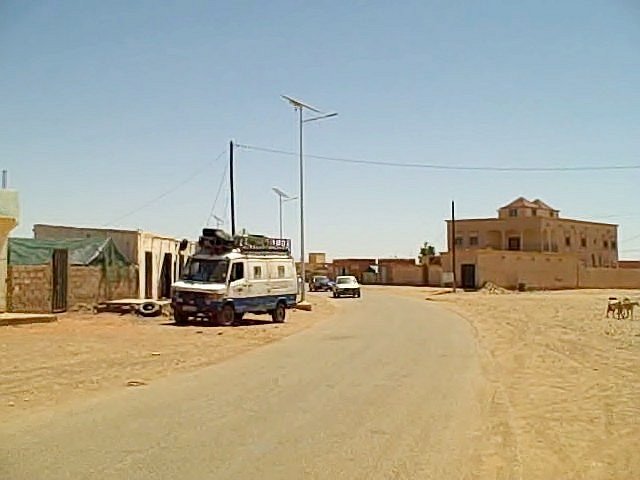
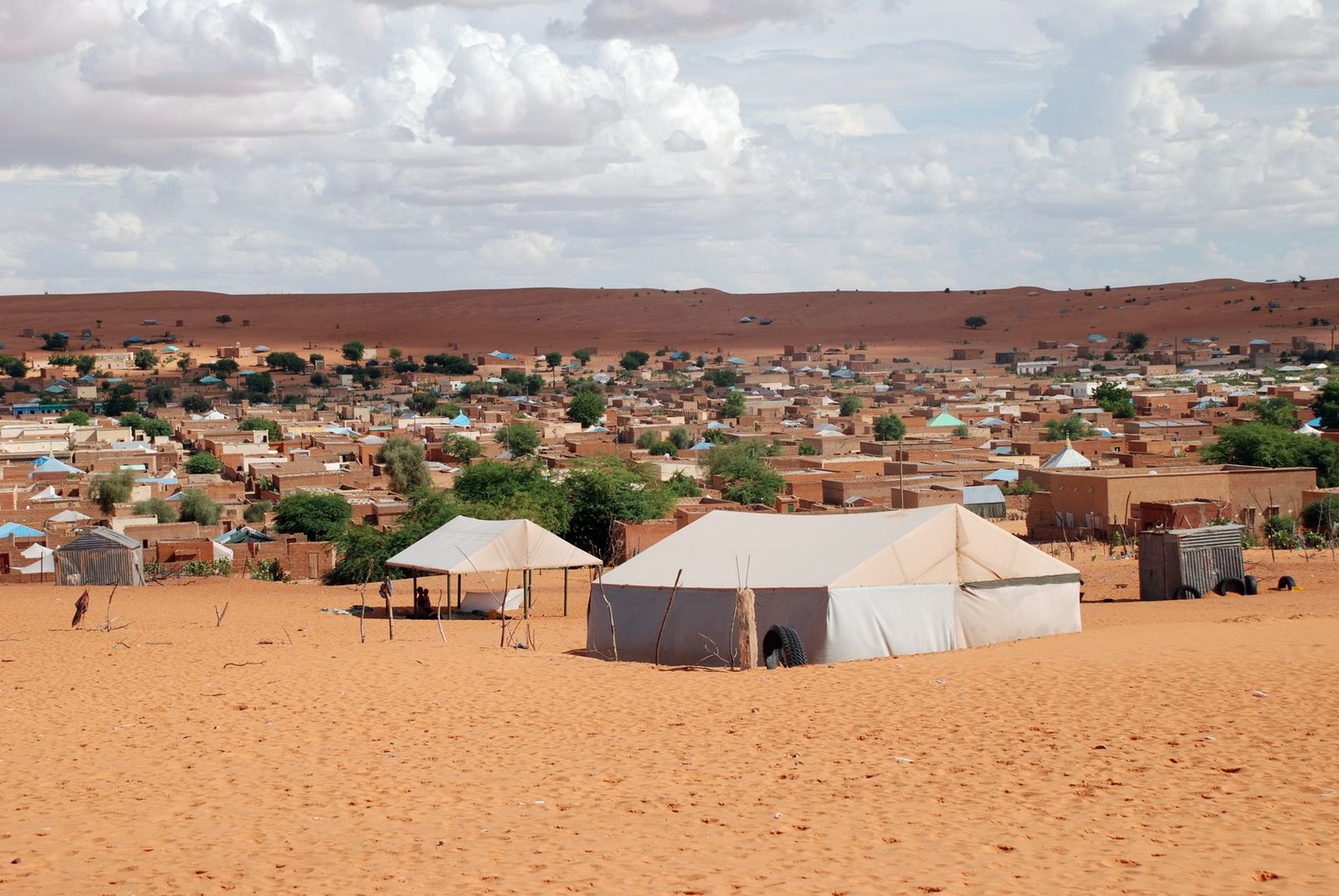
Boutilimit Old Town is the historic heart of the city and one of Mauritania’s most culturally significant destinations. Founded in the 19th century, the town is famous for its traditional Saharan architecture, narrow streets, historic mud-brick buildings, and strong Islamic heritage. Walking through the old quarter allows visitors to experience the timeless atmosphere of a city that played an important role in education, trade, and religious scholarship throughout Mauritania’s history.
Visitors can explore centuries-old neighborhoods, admire traditional homes, visit local artisan workshops, and enjoy the peaceful surroundings that preserve the city’s authentic character. The welcoming local community, traditional tea houses, and historic streets make Boutilimit Old Town an ideal destination for travelers interested in Mauritania’s rich cultural heritage and desert history.
2. Institute of Higher Islamic Studies

Boutilimit has long been recognized as one of Mauritania’s most important centers of Islamic learning. The Institute of Higher Islamic Studies continues this tradition by serving as a respected educational institution where students study Islamic theology, Arabic language, law, and classical scholarship.
Visitors interested in the country’s religious and educational history can learn about Boutilimit’s reputation as a center of Islamic education. The institute reflects the city’s longstanding commitment to preserving knowledge and cultural traditions that have shaped Mauritanian society for generations.
3. Boutilimit Grand Mosque
The Grand Mosque of Boutilimit is one of the city’s most important landmarks and a beautiful example of traditional Islamic architecture. Featuring elegant minarets, classic Saharan design, and a peaceful atmosphere, the mosque serves as the spiritual center of the local community.
Visitors can admire the mosque’s impressive exterior while learning about the significant role Islam plays in everyday life throughout Mauritania. The surrounding area provides a calm setting that reflects the city’s strong religious traditions.
4. Traditional Manuscript Libraries

Boutilimit is renowned for its historic manuscript collections, which preserve centuries of Islamic scholarship and intellectual heritage. Several traditional libraries house handwritten manuscripts covering theology, astronomy, mathematics, law, literature, and history, many of which have been carefully preserved by local families for generations.
Visitors can gain a deeper understanding of Mauritania’s rich scholarly tradition while appreciating the importance of manuscript preservation in one of West Africa’s most respected centers of learning.
5. Boutilimit Central Market
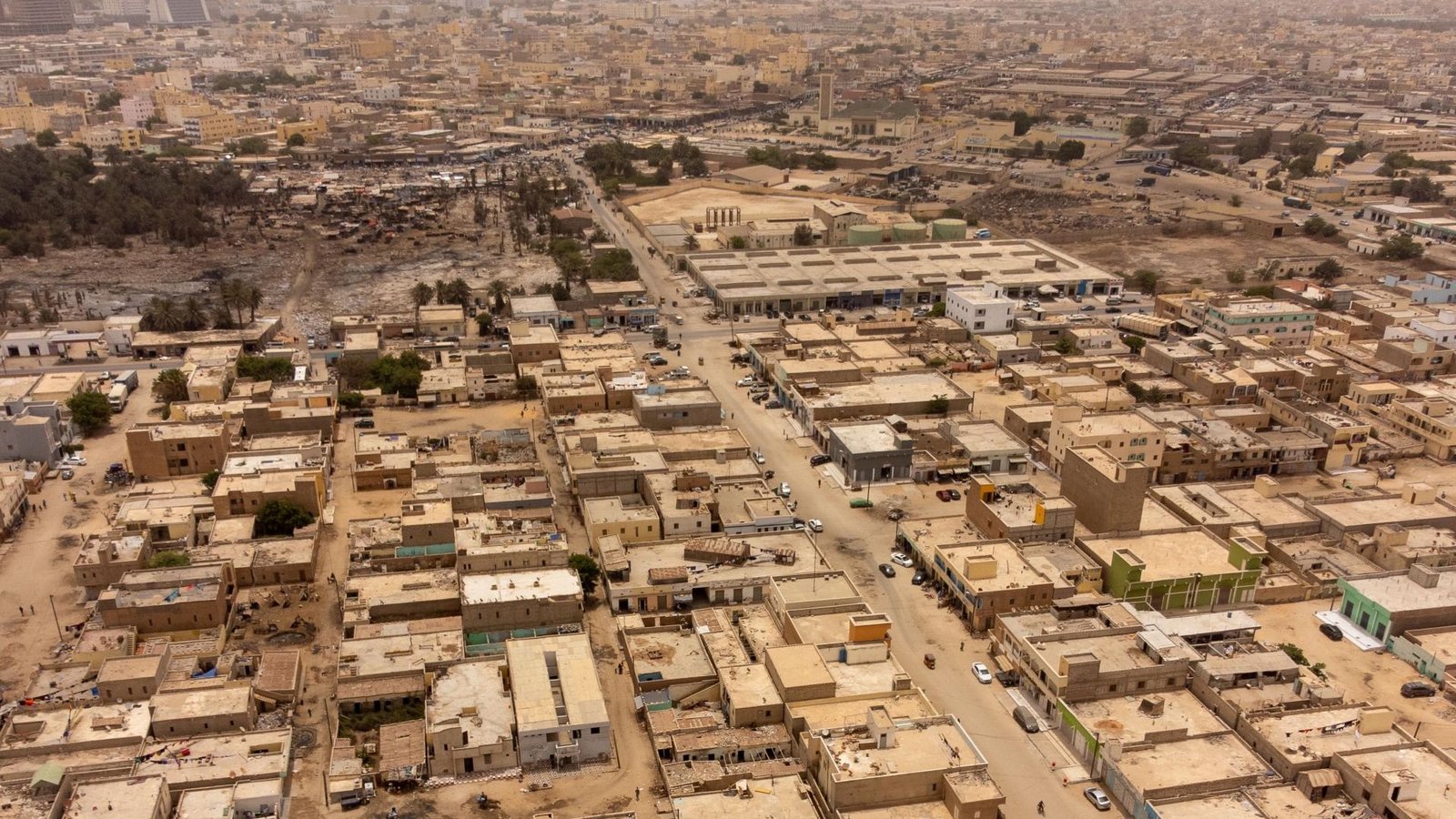
The bustling central market offers visitors an authentic glimpse into everyday life in Boutilimit. Traders sell colorful textiles, handcrafted leather goods, silver jewelry, spices, dates, traditional clothing, pottery, woven baskets, carpets, and locally produced food.
Walking through the lively market provides opportunities to meet friendly local merchants, purchase authentic Mauritanian handicrafts, and experience the city’s vibrant commercial atmosphere.
6. Nomadic Cultural Camps

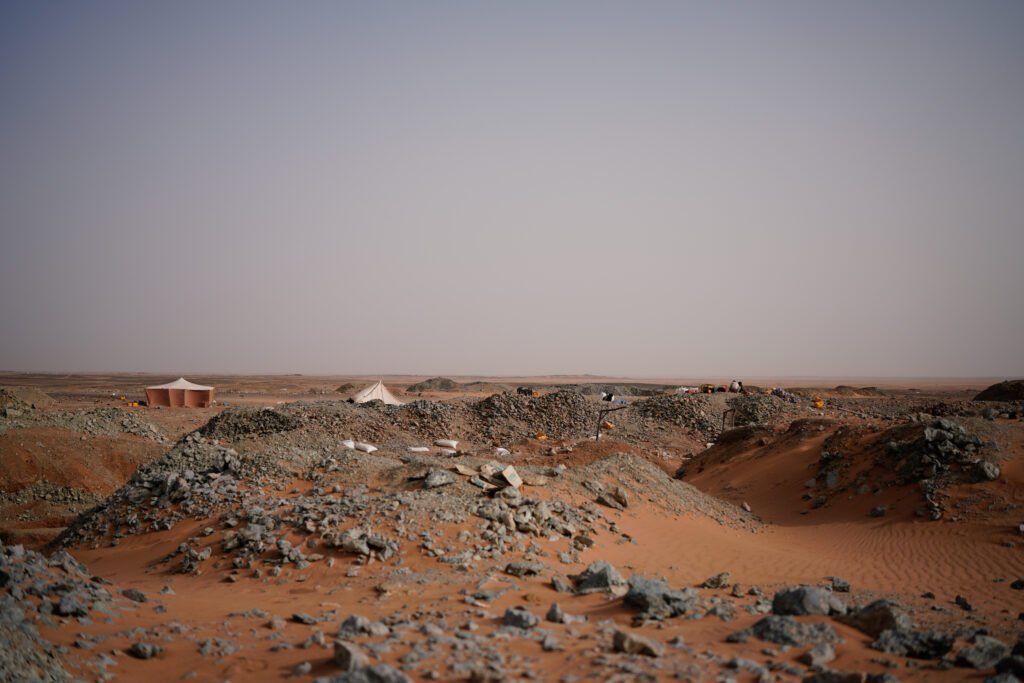
The desert surrounding Boutilimit is home to traditional nomadic communities that continue to preserve their unique Saharan lifestyle. Guided visits allow travelers to experience authentic desert hospitality while learning about camel herding, traditional tents, handicrafts, storytelling, and Mauritanian cuisine.
Sharing traditional mint tea with local families offers an unforgettable cultural experience and valuable insight into the customs that have shaped life in the Sahara for centuries.
7. Sahara Desert Landscapes

The vast Sahara Desert surrounding Boutilimit offers breathtaking scenery featuring rolling sand dunes, rocky plains, dry valleys, and endless horizons. Adventure travelers can enjoy camel trekking, hiking, off-road desert safaris, and photography while exploring one of the world’s most iconic landscapes.
The peaceful silence and dramatic beauty of the desert make it one of the region’s most unforgettable natural attractions.
8. Traditional Camel Market

The traditional camel market remains an important part of Boutilimit’s economy and cultural identity. Local herders gather regularly to trade camels, goats, sheep, and cattle while continuing customs that have existed for centuries.
Visitors can observe lively negotiations, learn about livestock trading, and understand the enduring importance of camels in Mauritanian transportation, agriculture, and nomadic life.
9. Historic Caravan Route Landscapes
Boutilimit once stood along important trans-Saharan caravan routes that connected North Africa with West Africa. Merchants traveling through the Sahara transported salt, gold, textiles, spices, and other valuable goods, making the town an important stop for trade and scholarship.
Visitors can explore the surrounding desert while learning about the remarkable history of these ancient trade networks that helped shape Mauritania’s cultural development.
10. Desert Sunset Viewpoint

One of the most memorable experiences in Boutilimit is watching the sunset over the surrounding Sahara Desert. As the sun slowly disappears beyond the horizon, the golden sand and rocky plains are illuminated by brilliant shades of orange, crimson, pink, and gold.
Visitors can enjoy peaceful moments while taking in panoramic desert views, cool evening breezes, and the remarkable silence of the Sahara. The spectacular colors and timeless beauty of the landscape create an unforgettable ending to a day spent exploring one of Mauritania’s most historic cities.
Related artical : Best place to visit in Aleg