
Now Reading: Best place to visit in Tichit
-
01
Best place to visit in Tichit
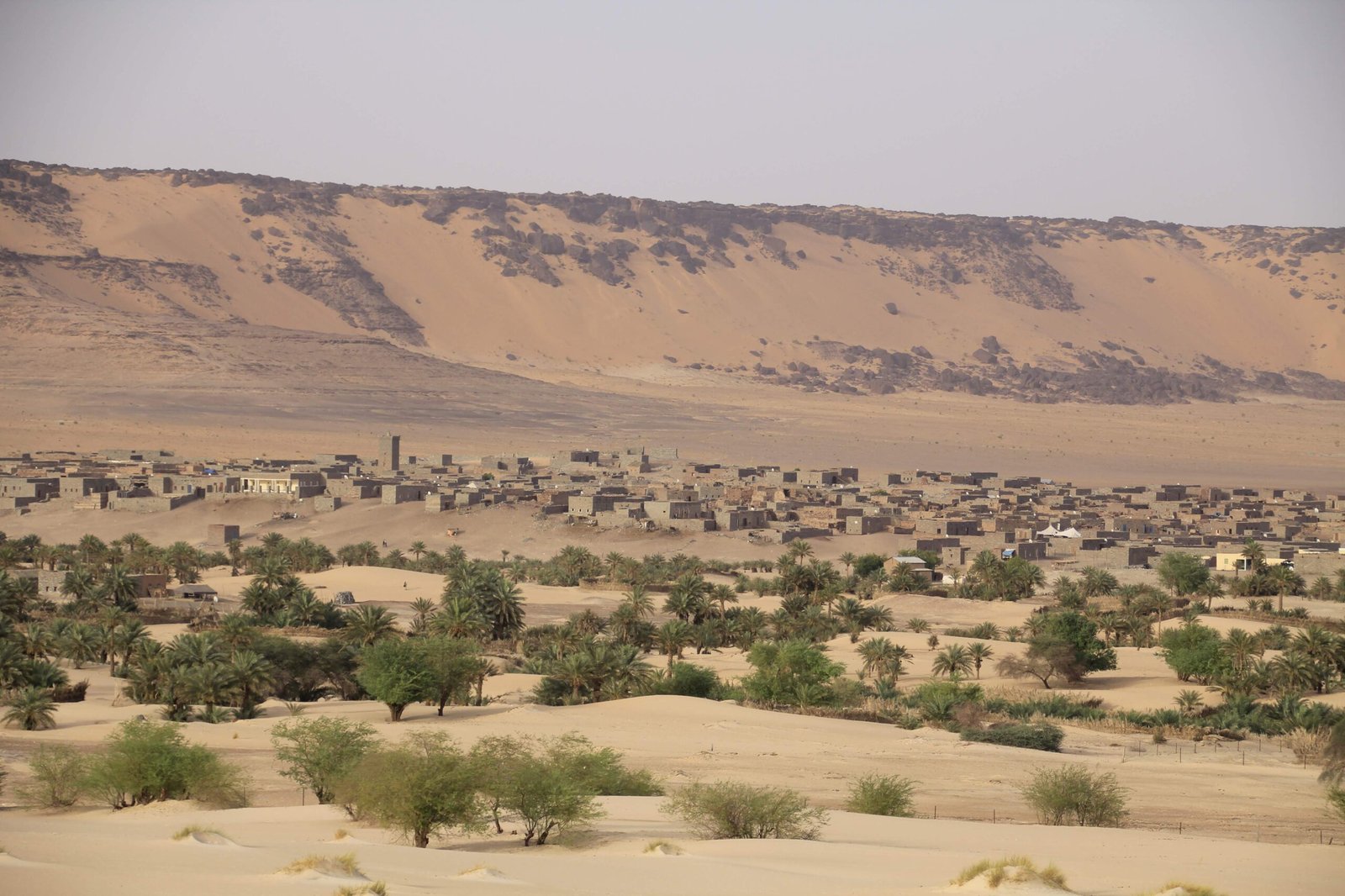
Best place to visit in Tichit
1. Ancient City of Tichit

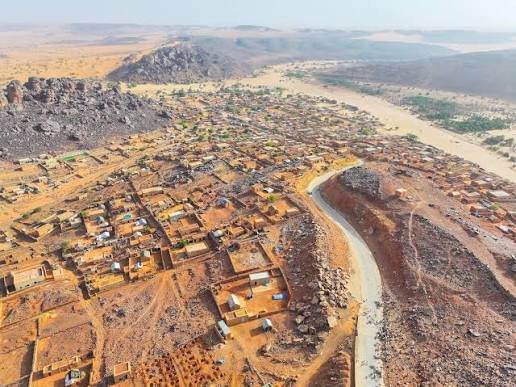
The Ancient City of Tichit is the most famous attraction in the region and one of Mauritania’s most remarkable historical treasures. Recognized as a UNESCO World Heritage Site, Tichit was founded in the 12th century and became an important stop along the trans-Saharan caravan routes that connected North and West Africa. The city’s beautifully preserved stone architecture, narrow alleyways, fortified homes, and traditional desert buildings reflect centuries of Saharan history and Islamic culture.
Visitors can wander through the ancient streets while admiring the colorful stone houses built from local materials that have survived for hundreds of years. Every corner of the old city tells the story of merchants, scholars, and travelers who once crossed the Sahara carrying gold, salt, manuscripts, textiles, and spices. Exploring the Ancient City of Tichit offers a fascinating journey into one of Africa’s oldest surviving desert settlements and provides an unforgettable cultural experience for history enthusiasts.
2. Tichit Historic Mosque

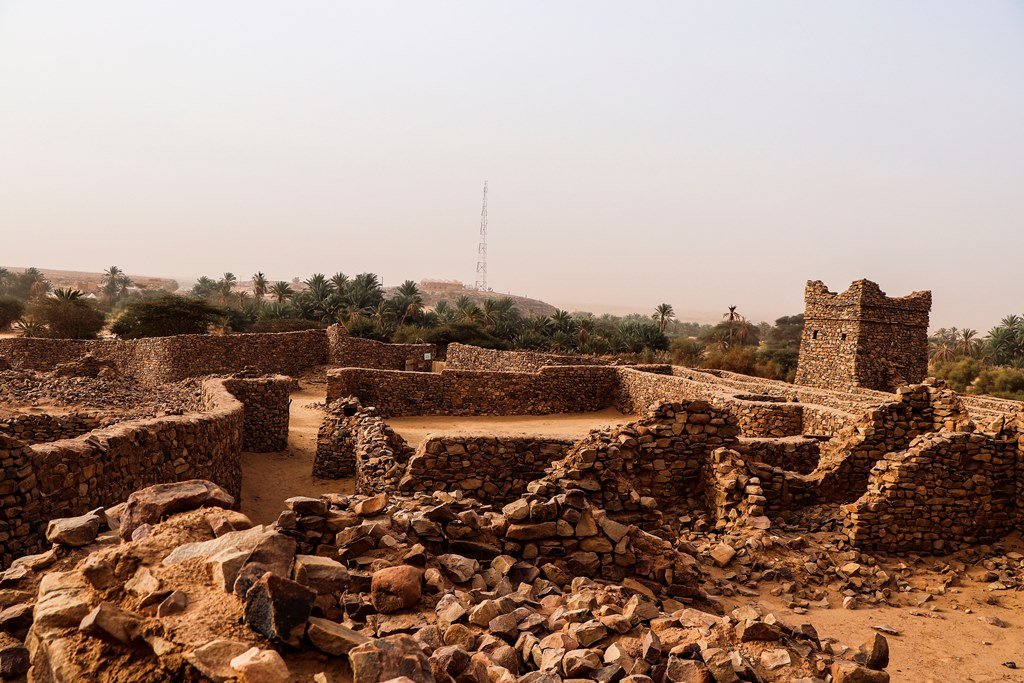
The Historic Mosque of Tichit is one of the city’s most important architectural landmarks and a symbol of its long-standing Islamic heritage. Constructed using traditional stone masonry, the mosque has served as the spiritual center of the community for centuries and remains an outstanding example of Saharan religious architecture.
Visitors can admire the mosque’s simple yet elegant design while exploring the surrounding historic district. The peaceful atmosphere provides valuable insight into the religious traditions that shaped Tichit’s development as a center of learning and trade in the Sahara.
3. Tichit Archaeological Quarter

The archaeological quarter preserves some of the oldest surviving buildings in Tichit and offers visitors the opportunity to explore centuries of Saharan history. Ancient homes, defensive walls, storage buildings, and narrow stone streets reveal the remarkable urban planning of one of Mauritania’s oldest settlements
Walking through this historic neighborhood allows visitors to imagine daily life during the city’s golden age, when camel caravans regularly arrived carrying valuable goods from across the Sahara.
4. Ancient Caravan Route

For hundreds of years, Tichit served as an essential stop along the famous trans-Saharan caravan routes connecting Morocco, Algeria, Mali, and other parts of West Africa. Merchants transported salt, gold, ivory, dates, manuscripts, textiles, and spices across these vast desert landscapes, making Tichit an important center of commerce and cultural exchange.
Visitors can explore the surrounding desert while learning about the incredible journeys undertaken by caravan traders who crossed thousands of kilometers through the Sahara.
5. Sahara Sand Dunes

Towering golden sand dunes surround Tichit and create one of the most breathtaking desert landscapes in Mauritania. Visitors can enjoy camel trekking, hiking, photography, sandboarding, and off-road adventures while exploring the vast Sahara Desert.
The constantly shifting dunes provide spectacular scenery throughout the day, particularly during sunrise and sunset when the warm light transforms the sand into brilliant shades of orange, gold, and crimson.
6. Rocky Escarpments of Tagant

The rocky escarpments surrounding Tichit create dramatic landscapes that contrast beautifully with the nearby sand dunes. Towering cliffs, ancient rock formations, dry valleys, and panoramic viewpoints provide excellent opportunities for hiking, geology, and photography.
Visitors can explore the rugged terrain while enjoying breathtaking views across one of Mauritania’s most spectacular desert regions.
7. Traditional Oasis Gardens

Small oasis gardens near Tichit provide a refreshing contrast to the surrounding desert. Date palms, natural springs, and traditional irrigation systems have supported local communities for centuries and continue to produce dates and other crops despite the harsh Saharan climate.
Visitors can stroll beneath the palm trees while learning about oasis agriculture and the ingenious methods used to cultivate food in one of the world’s driest environments.
8. Nomadic Desert Camps

The surrounding Sahara is home to traditional nomadic communities that continue to preserve their centuries-old way of life. Visitors can experience authentic desert hospitality while learning about camel herding, handcrafted tents, traditional cuisine, storytelling, music, and survival techniques developed over generations.
Sharing Mauritanian mint tea with local families creates unforgettable cultural experiences while providing valuable insight into the traditions of the Sahara.
9. Prehistoric Rock Art Sites

The region surrounding Tichit contains several prehistoric rock art sites that preserve remarkable engravings and paintings created thousands of years ago when the Sahara was much greener than today. These ancient artworks depict wildlife, cattle, hunting scenes, and early human communities that once flourished in the region.
Visitors interested in archaeology and ancient history can explore these fascinating sites while learning about the changing climate and prehistoric civilizations of North Africa.
10. Sunset Viewpoint

Watching the sunset over the Ancient City of Tichit and the surrounding Sahara Desert is one of the most unforgettable experiences in Mauritania. As the sun slowly sets beyond the endless dunes and rocky plateaus, the historic stone buildings glow with brilliant shades of orange, crimson, pink, and gold.
Visitors often climb nearby hills to enjoy breathtaking panoramic views of the UNESCO World Heritage Site while experiencing the peaceful silence of the desert. The combination of ancient architecture, endless sand dunes, and spectacular evening colors creates a magical atmosphere that perfectly captures the timeless beauty of Tichit.
Related artical : Best place to visit in Ouadane