

Now Reading: Top 3 Best Places Visiting in Jehanabad for History, Spirituality & Nature
-
01
Top 3 Best Places Visiting in Jehanabad for History, Spirituality & Nature

Top 3 Best Places Visiting in Jehanabad for History, Spirituality & Nature
1. Barabar Caves
The Barabar Caves exist deep within scenic Barabar Hills near Makhdumpur village within the Jehanabad district of Bihar state. The rock-cut caves in Barabar exist as the longest extant cave structures worldwide that were constructed during the reign of the Mauryan Empire (3rd century BCE). Visitors from different parts of the world travel to witness the Barabar Caves’ historic and architectural brilliance as this site has become an important international tourist location.
History
The Mauryan Emperor Ashoka enabled the creation of Barabar Caves during his reign for their initial dedication to the Ajivika religious sect which coexisted with Jainism and Buddhism. According to historical records both Gautama Buddha and Jain monks used these caves as places for religious practice and meditation after their initial purpose for the Ajivika sect.
The caves gained fame because of their historical roots as well as their distinctive architectural design elements including exquisitely polished walls and exceptional acoustics which extend sounds for as much as three minutes. The Barabar Caves merit must-seen status because they unite historical, spiritual and architectural heritage of Bihar.
The Barabar Caves complex contains four main caves which demonstrate exceptional craftsmanship from the ancient Mauryan craftsmen. All four granite caves display perfectly smoothed interiors which both mirror light and sound while generating almost unreal effects.
The Barabar Caves show their most captivating feature through their ability to create echoes. Audible sounds created in the caves with their smooth granite walls and special architectural plan produce extended echoes that last for three minutes. The sound reverberation effect makes these caves mystical and helps enhance the spiritual experience of meditation and chanting as well as standing in complete silence.
E.M. Forster introduced the Barabar Caves to international fame when he utilized them as the base for the Marabar Caves in his novel “A Passage to India.” Their puzzling atmosphere together with distinctive acoustics enthrall people who both read about them and actually explore them.
The Barabar Hills contain the Barabar Caves located within their scenic landscape. Travelers seeking nature discovery through trekking will find the area perfect because its environment combines verdant landscapes with rugged rocks and various little waterfalls. Visitors can perform both hiking and rock climbing activities on the hills which enhance the combination of spiritual exploration and historical as well as adventure elements that make visiting the caves a memorable experience.
Best Time to Visit
You should plan your trip to the Barabar Caves between October and March because winter provides favorable environmental conditions to tour the sites as well as hike and explore the cave complexes. High heat levels prevail during summers but the dangerous summer conditions from monsoons transform the rocky surface into a hazardous walking environment.
2. dargah sharief makhdooma syeda hazrat bibi kamaal ka maqbara
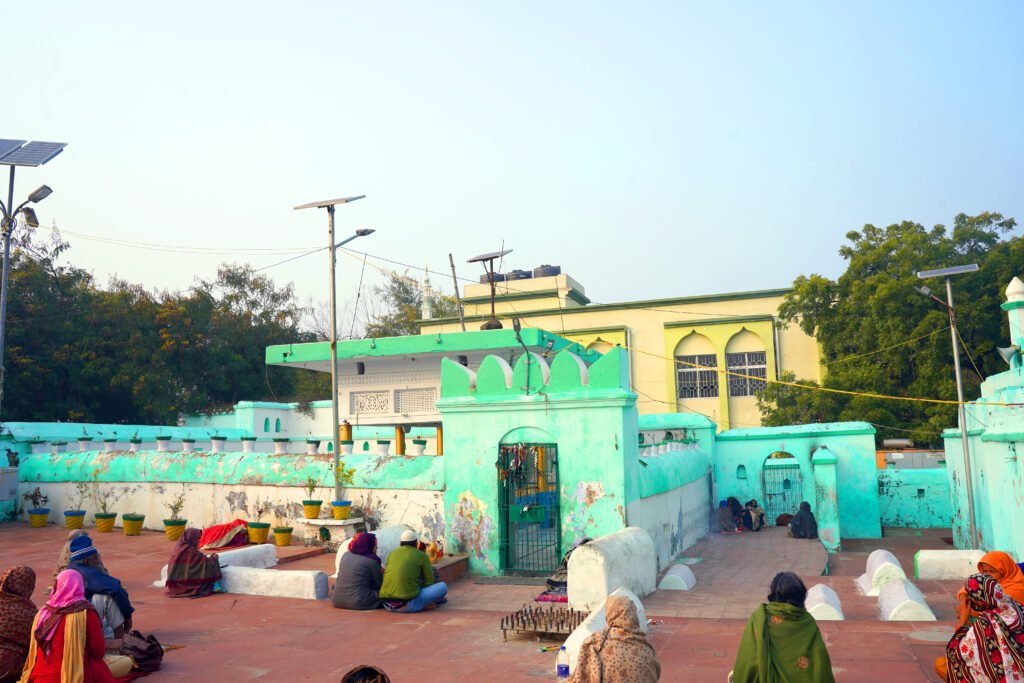
The enclosure at Bibipur Kako village near Jehanabad district headquarters in Bihar constitutes Bibi Kamaal Ka Maqbara which stands as the revered shrine for devotees of Hazrat Bibi Kamal. The holy mausoleum of Hazrat Bibi Kamal prays to a Sufi master whose recognition across Bihar continues to attract numerous worshippers through the history and sacred power of this site.
Many people believe this maqbara functions as a source of sacred healing specifically for persons with mental conditions. Clergy state the healing ability of both oil and ashes taken from incense sticks used in the Dargah to cure mental disorders. The faith in Hazrat Bibi Kamal’s blessings continues to persist because thousands of devotees visit the shrine annually to receive comfort and spiritual guidance and blessings.
History
The spiritual leader Hazrat Bibi Kamal was formerly called Bibi Hadiya who grew up in a family where the saints were known for their Sufi devotion. The third daughter of Hazrat Makhdoom Qazi Shahabuddin Peer Jagjot and Malka Jahan lived a life dedicated to spiritual devotion, piety and selflessness. Through the strength of her blessings Bibi Kamal earned the title “Bibi Kamaalo” to denote her outstanding “Kamaal” spiritual abilities.
Her expansive spiritual influence reached through the line of family members she coming from. Hazrat Bibi Kamal was the third daughter of Hazrat Makhdoom Qazi Shahabuddin Peer Jagjot and Malka Jahan and she served as the prominent Sufi saint Hazrat Makhdoom Sheikh Sharfuddin Ahmad Yahya Maneri’s aunt before becoming his aunt. Another important shrine dedicated to him exists in Bihar Sharif. Bibi Kamal had three spiritual-oriented sisters who adopted Sufism under her guidance: Bibi Razia known as Badi Bua, Bibi Habiba and Bibi Jamaal who became wives of venerated Sufi saints.
Visitors find serenity within the Dargah Sharif of Hazrat Bibi Kamal because this facility presents itself through an unpretentious atmosphere full of spiritual peace. Devotees draw special significance from the small black stone pillar inside the premises that carries inscribed Quran Sharif aayats (verses). The sanctity of the site enhances through this pillar since many visitors who seek blessings touch it.
Visitors experience a peaceful essence all around the maqbara to enable spiritual reflection and meditation.
The spiritual power of Hazrat Bibi Kamal Ka Maqbara allows people who suffer from mental disorders to find healing despite being one of its most peculiar features. People widely accept that miraculous healing powers exist in the oil along with ashes that separate from incense sticks at the Dargah which can cure mental disorders. People treating the affected individual with holy oil and ash ask Bibi Kamal for blessings which reportedly leads to many reported miraculous cures.
During July each year the shrine experiences active religious observance for the Urs ceremonies honoring the death anniversary of Hazrat Bibi Kamal. Thousands of devotees attend the Urs each year because the event offers them prayers and rituals combined with divine blessings from the saint. During this sacred time people enjoy qawwali performances coupled with Quran recitation combined with feeding and sweet distribution as part of the holy langar ritual.
Spiritual Connection to Hazrat Makhdoom Sheikh Sharfuddin Ahmad Yahya Maneri
Hazrat Bibi Kamal exercised sacred spiritual power throughout Bihar because she shared a deep bond with the notable Sufi saint Hazrat Makhdoom Sheikh Sharfuddin Ahmad Yahya Maneri. Hazrat Makhdoom Maneri followed his aunt Hazrat Bibi Kamal deeply because she taught him deep spiritual knowledge and served as his writing inspiration through her blessings.
Bihar functions as a prominent Sufi cultural center at the present due to the collective wisdom and legacy of these two majestic Sufi intellectuals from this region.
Best Time to Visit
Annual Urs in July remains the optimal period for visitors to experience the spiritual atmosphere at the maqbara since it features decorations with lights and the surroundings fill with the combination of prayers and qawwalis. The period from October to March offers ideal weather conditions to explore the attractions because winter temperatures create a perfect climate for outdoor activities.
3. Nagarjuna hills
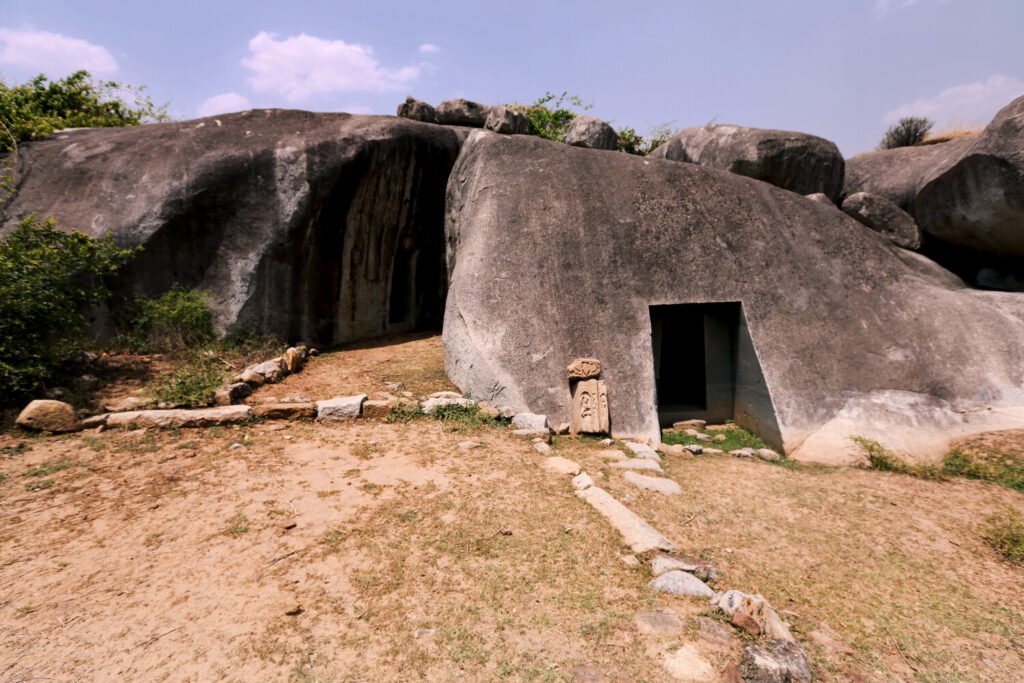
Located within 35 kilometers north of Gaya and only less than two kilometers east of Barabar Hills in Jehanabad district Bihar stands the site of Nagarjuna Hills. The ancient rock-cut caves at these hills display intricate inscriptions which draw international tourism from researchers of history and archaeology along with general tourists. The Nagarjuna Caves gain their historical importance from their connection to both the Mauryan Empire and the Ajivika sect as they frequently get visiting with Barabar Caves.
Nagarjuna Hills bears its name after Nagarjuna because the philosopher and Madhyamaka School founder spent time in spiritual activities here. Architectural historians attribute the Nagarjuna Hills caves to the 3rd century BCE when they received their decorative Mauryan period inscriptions.
The Nagarjuna Hills feature three ancient rock-cut caves:
India possesses two sets of its oldest rock-cut cave structures found at Nagarjuna Hills with counterpart sites at the Barabar Caves. Rock-cut architecture from the Mauryan Empire showcases both architectural authority and artistic mastery alongside their approval of multiple religions that included Buddhism as well as the vanished sect of Ajivika.
The ascetic Ajivikas reached peak existence during the Mauryan Empire period. As part of their ascetic practices the Ajivikas followed strict disciplinary measures and believed that every event happens according to what had been destined from the beginning. The Ajivika caves received the dedication of Dasaratha as part of Mauryan Emperor’s policy supporting multiple religions.
Nature enthusiasts along with outdoor enthusiasts will find perfect enjoyment at Nagarjuna Hills because its ancient caves are built on a location that provides spectacular landscape views. The Vapiya Cave area features Buddhist shrine ruins which supplement both historical and religious aspects at the site for visitors to explore.
Best Time to Visit
Winter months from October through March represent the perfect season to explore Nagarjuna Hills since the climate allows exploration of caves and hill trekking activities. Nagarjuna Hills appears especially attractive during the monsoon months of July to September when lush greenery envelops the hills.
Related articles : Best Places Visiting in Jamui for Spirituality, Nature & Heritage









Pingback: Best Places Visiting in Kokrajhar – Explore Assam's Hidden Gem