

Now Reading: Top 5 Best Places Visiting in Kaithal for Heritage, Spirituality & Nature
-
01
Top 5 Best Places Visiting in Kaithal for Heritage, Spirituality & Nature

Top 5 Best Places Visiting in Kaithal for Heritage, Spirituality & Nature
1.Naimish Tirtha
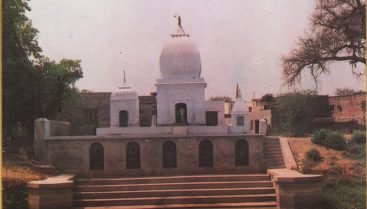
Situated about 17 kilometers away from Kaithal stands Naimish Shrine within the Nauch village along the Kaithal-Pehowa road as an ancestral sacred pilgrimage destination which mythology attributes to the Mahabharata epic.
Historical records indicate Naimisharanya forest as the original site of the shrine through its mention in Aadi Parva of the Mahabharata when Sauti told the Mahabharata story to sages. Naimisharanya possessed complete religious significance in the Mahabharata era because the sacred space contained all spiritual sanctuaries that existed on earth.
The forest book Van Parva of Mahabharata describes how Naimish Kunj came into existence through the construction work of sages living at Naimisharanya. The site attains unparalleled religious importance based on its historical significance.
Why Visit Naimish Shrine?
Spiritual followers who visit Naimish Shrine discover a deep spiritual link to traditional Indian heritage because of its mystical ties to mythical history and traditional sacred customs. The pilgrimage site that linked to the Mahabharata while also providing salvation makes it necessary for religious travelers to experience Haryana.
2.Gyarah Rudri Shiv Temple
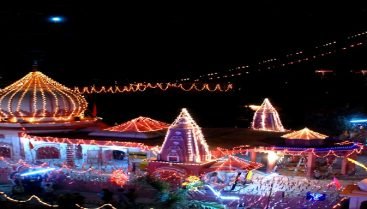
The sacred Shiva temple was built in the era of the Mahabharata. Lord Krishna is believed by tradition to have established the temple after the great war finished.
Soldiers from both the Kaurava and Pandava armies lost millions of men during the Kurukshetra War at the battlefield. Records indicate Lord Krishna built the Eleven Rudras (forms of Lord Shiva) on top of this Kaithal site to pave the way for the souls of his followers toward peace and freedom (moksha). Following the prayer rites and sacred activities Lord Krishna and the Pandavas conducted at this site.
The eleven Rudras installed at this temple represent powerful divine expressions of Shiva which make the temple significant. The cosmic energy along with destructiveness against evil powers and protective abilities toward devotees characterizes these forms of Shiva called Rudras.
When Is It Beneficial To Visit The Sri Eleven Rudri Shiva Temple?
All religious followers discover deep spiritual significance at the temple complex. Many people consider this Shiva temple important because of its link to the Mahabharata epic and its association with Lord Krishna as well as its sacred rituals for worship. Many visitors choose to visit this historic site mainly because they seek peace together with spiritual reaching or liberation (moksha) and want to receive blessings from Lord Shiva and feel his divine presence.
3.Phalgu Rishi Tirtha

This temple, named as Phalgu Tirtha is approximately 21 km far from Kaithal town. Situated in a village called Feral. Also the nomenclature of the feral village is said to have evolved from Falaki forest where Phalgu Rishi went. Kamakya forest, Aditi forest, Vyasa forest, Suryavan, Madhuvan and Cold forest, along with Falakivan, are also mentioned in Vamana Purana. All these seven forests were the original prime forests of ancient Kurukshetra region.
This pilgrimage is also inscribed in Mahabharata, Vamana Purana, Matsya Purana and Narada Purana. This pilgrimage is described as a particular place of penance of the gods in Mahabharata and Vamana Purana. There is specific mention in Mahabharata Van Parva about reverence towards this shrine within the framework of pilgrimage in the very revered texts of the country. As per the Mahabharata riding a ship from this shrine and worshiping to the divine, a person gets greater results than offering the Agnishtom and the Atiratra Veda.
As per Vamana Puran, shradh at this temple of Monday’s Amavasya entitles and satisfies the forefathers in the same way shradh in Gaya is done. It is mentioned that anyone who recalls Falakivan by heart will, undoubtedly, get fulfilled.
Historical and Mythological Significance:
Phalgu Tirtha is mentioned as very important in the following ancient texts:
- Mahabharata
- Vamana Purana
- Matsya Purana
- Narada Purana
- These texts characterize Phalgu Tirtha as a sacred place of spiritual merit and piety not just for sages but also for gods. In Mahabharata, Van Parva, this shrine is mentioned under the theme of pilgrimage as a major place of worship & Tapasya which can give a travelling devotee a lot of spiritual gains.
4.Pawan Hrad Tirtha
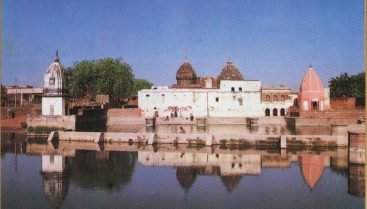
Pawanrahad, meaning wind god of the lake, is sacred place having great historical and mythological importance. Overtime, the name changed and there existed a village near the temple which we now know as Pabnawa, a name that is picked as Pawanab—derived from a combination of Pawan (wind) and Aab (reservoir) as mentioning it wind god.
Spiritual Significance:
Pawanhartirtha is not only pilgrimage but also what represents by the spiritual significance:
Wind Deity Connection: Like in the Mahabharata, the shrine is associated with wind god representing life, energy and movement.
Reputation to Association with Mahadev: The Vamana Purana also says that this place is a pray place for those seeking peace for Lord Shiva.
Sacred Reservoir: The Padma Purana narrates the legend of Maharishi Pawan Dadhichi, in whose association the waters attain the character of Pawan Sahara. Sacked beleives that a holly bath here will cancel out sins and grant spiritual remedy (moksha).
5.Kotikuta Tirtha
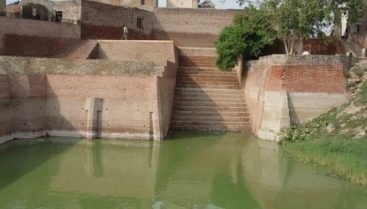
Kotikuta Tirtha is one of the very sacred and a nearest prominent spiritual place located about ten kilometers from Kaithal-Pehowa road. This ancient site is famous for its holy water considered by the devout of having cleansing of any sin in its water and attainment of hope of moksha.
The divine significance of Kotikuta Tirtha is described in the Brahma Purana in the Chapter 25, Verse 41 which says:
‘Saptarsikundam tatha tirtha devyaha sujambukam |
Ihaspadam kotikutam kindanam kimjapam tatha ||’
This verse describes the glory of extensive tirthas, assuming Kotikuta Tirtha as sacred place where devotees can perform all kinds of ritual, Jaypap, snanya, brahta etc.. to free the same from all the sins (paat)
The name Kotikuta implies a place of great sacredness. Koti can signify ‘crores’ (large number) implying the accumulation of innumerable blessings of spirituality. The term may also denote a sacred place where the multiplication of merits (punya) takes place manifold.
Related articles : Top 10 Best Places Visiting in Kangra for Nature, Heritage & Spirituality







Pingback: Top 5 Best Places Visiting in Karnal – Explore Haryana's Historic Gem