
Now Reading: 10 Best Places to Visit in Bhavnagar for a Scenic Getaway
-
01
10 Best Places to Visit in Bhavnagar for a Scenic Getaway

10 Best Places to Visit in Bhavnagar for a Scenic Getaway
1. Takhteshwar Temple, Bhavnagar
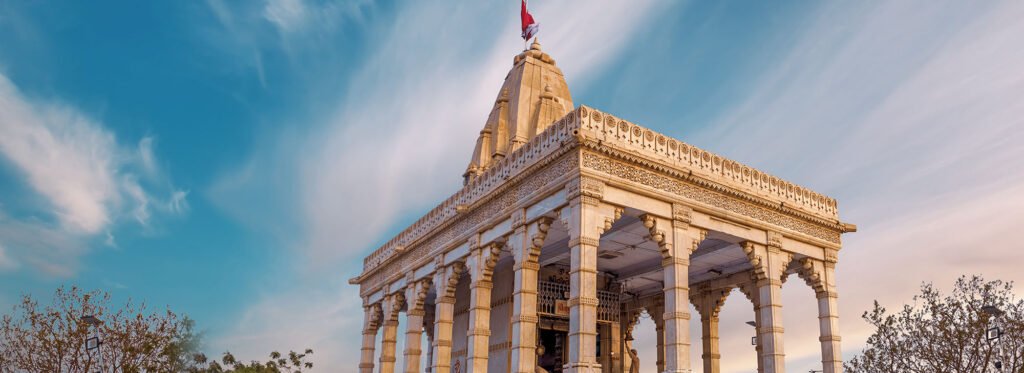
The Hindu place of worship Takhteshwar Temple stands as a prominent house of worship for Lord Shiva in Bhavnagar Gujarat. From its vantage position on a minor hill visitors can experience pristine views of Bhavnagar city combined with Gulf of Khambhat vistas. Devotees alongside tourists must visit Takhteshwar Temple because this sacred site retains historical significance combined with worship value and peaceful surroundings.
History and Significance
The temple came into existence during 1893 through the sponsorship of Maharaja Takhtsinhji who gave it his namesake. The religious leader of Bhavnagar dedicated this temple construction to Lord Shiva because he wanted a sacred place for worship in addition to creating an important architectural landmark for the city.
Devotees of Shiva make Pilgrimages from all parts of Gujarat to this temple because they desire both blessings and spiritual tranquility. The temple attracts large numbers of worshippers on Mahashivratri thus becoming the centerpoint for grand religious celebrations.
Architectural Beauty
This place combines comprehensive marble structure with an authentic traditional Hindu temple design.
The temple builders shaped the structure from pure white marble to produce its holy and calm exterior appearance.
The attractive temple structure stands upon delicate pillars while its elaborate artwork flows throughout its minimalist aesthetic design.
The sacred Shivalinga inside the sanctuary draws the most worshipers because they use milk as well as water and flowers to perform their devotions.
The wide temple courtyard allows visitors to practice meditation along with experiencing peaceful natural setting.
This Site Demands Prior Travel Because of Its Spectacular Place Above All Other Attractions
Visitors consider Takhteshwar Temple’s elevated hill position as providing Bhavnagar city’s most outstanding panorama view.
The temple access requires a few steps that promise rewarding views to temple visitors.
From the summit enjoy unrestricted views of Bhavnagar city and beyond including the vast Gulf of Khambhat stretching into the distance.
People are drawn to the temple because of its remarkable views of sunrise and sunset that appeal to photographers and admirers of nature.
Best Time to Visit Takhteshwar Temple
This temple stays accessible for visitors throughout the entire year yet visitors tend to find the most favorable experience during:
pacified weather in winter months (October to March) offers perfect conditions for visitors to tour the temple areas around the structure.
The Mahashivratri Festival brings joy across visitors because it offers people a spiritual connection during this festival.
The early morning hours or evenings produce the most ideal conditions for visiting this temple because you can see spectacular sunrises or sunsets and escape from hot weather.
Things to Do at Takhteshwar Temple
Visit Lord Shiva to feel his divine power while being in the temple environment.
The temple outlook covers both Bhavnagar city and the Arabian Sea.
Photography – Capture stunning landscapes and architectural beauty.
A peaceful retreat surrounding Meditation and Peaceful Retreat provides an ideal environment to experience spiritual serenity.
How to Reach Takhteshwar Temple
Various parts of Bhavnagar have convenient routes leading to this sacred site.
The temple base can be accessed through local bus service and taxi and auto-rickshaw transportation.
The Bhavnagar Railway Station locates at a distance of 3 km from the Takhteshwar Temple.
Travelers can reach the destination at Bhavnagar Airport because it sits 7 km away while linking to Indian national cities through airline service.
Nearby Attractions
The nearby attractions around Takhteshwar Temple include:
Nilambag Palace – A beautiful heritage hotel and former royal residence.
Victoria Park – A lush green forest reserve ideal for nature walks.
Ganga Deri stands as a beautiful marble structure that resembles the Taj Mahal.
Alang Shipbreaking Yard – One of the largest ship-breaking yards in the world.
Travel Tips for Visitors
Footwear that provides comfort is essential because the location requires climbing steps.
Summer travelers must bring water bottles for traveling.
Users should preserve both silence and the sacred character of the temple.
The peaceful atmosphere and fewer crowds are possible during your visit in the early morning hours.
You should keep your camera ready because you will want to document the mesmerizing views of the area.
Conclusion
The temple is more than just a place of prayer since it holds both cultural worth and beautiful scenic views together. People from all backgrounds including believers will find a memorable experience at this temple. Visitors should prioritize visiting this spiritual site because of its remarkable architecture along with exceptional views that make it essential to explore in Bhavnagar.
Near the top of your Gujarat travel destinations must be Takhteshwar Temple. Did you have the opportunity to visit this temple earlier? Televise your temple trip comments through the chat section below 😊.
2. Shatrunjaya Hill Temple
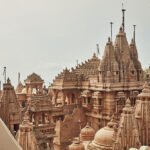
The Palitana hustle and dust of the town reaches 51 kilometers southwest of Bhavnagar to serve pilgrims visiting Shatrunjaya Hill. The place of worship on this holy site boasts numerous shrines where Rishabha the first Tirthankara of Jainism delivered his initial sermon during his temple sermons atop the hill. People need to endure strenuous ascent to reach the temples before enjoying spectacular views of these detailed carvings. The Kartik Purnima holiday brings many pilgrims to the area for which advance reservation of lodging is essential to secure accommodation.
Members of Jainists consider Shatrunjaya to be one of their most sacred pilgrimage sites which consists of temples that builders constructed across nine centuries. It is thought that Adinath commonly known as Rishabha founded Jainism while meditating under a rayan tree at the peak. Occupying the tunks are groups of temples that feature central main temples with side temples located in their vicinity. The summit rises to a height of 7,288 feet and maintains a geographic elevation (height) of 2,221 meters. The exceptional journey to the temples begins with climbing 3,750 stone staircase steps. Hundreds of pilgrims perform the pilgrimage each day and the numbers surge to thousands during Kartik Purnima which signals the end of the religious observance period of Chaturmas that overlaps with the monsoon season. The white-clothed monks silently move in front of you while walking by. The track divides in two when you approach the summit of the hill. The main entrance called Ram Pole is found by turning left yet the preferred views can be found to the right where visitors can spot the Gulf of Cambay if conditions allow visibility. You can find the Angar Pir shrine within the Nav Tonk Gate to the left while the second tunk leads right to the Chaumukhji Tunk. You will discover the second tunk named Chaumukhji Tunk after turning right because it holds a shrine called Chaumukh which a Jain merchant constructed in 1618. Inside this shrine visitors find images of Adinath who became one of the first 24 tirthankars (Jain monks who reached enlightenment) at this location with his pictures facing north, south, east and west. Exploration of the hundreds of temples at this location can occupy your time for several hours. Among the temples the Adinath Temple stands out as the biggest and most splendid structure which boasts impressive intricate carvings from the highest point on the south side. Many people who walk down from the ridge choose fresh curd from dozens of vendors to recharge their bodies.
The temples of Palitana established on Shatrunjaya Hill took nearly 900 years to create beginning at the 11th century. The first temples appearing at this location were constructed through the sponsorship of Kumarpal Solanki who stood as a major Jain benefactor. The destruction of these temples came from Turkish Muslim invaders in 1311 AD during which the saint Jinaprabhasuri served as temple leader at age 50. However, after the attack he returned to reconstruct the temples to their original state.
3. Nishkalank Mahadev Temple
Multiple Hindu sanctuaries along with multiple temples exist throughout India and preserve various secret collections. Dwarka and the Jagannath Temple share sacred spaces together with Nishkalank Mahadev Temple which contain a cosmic power that creates spiritual importance through their special energy. In northern India temples exist peacefully within clean riverfronts and great Himalayan mountainous terrain while southern temples display Indian temple architectural excellence.
The special natural attributes together with temple designs manifest a complex network of spiritual expressions throughout the sacred spaces throughout the nation. The Nishkalank Mahadev Temple pays reverence to Lord Shiva as its sacred shrine remains active in present times. The temple finds its location within Bhavnagar which belongs to Gujarat state.
The Bhavnagar coast smiles with the Nishkalank Mahadev temple which holds a prestigious mythological history. Very few members of the public recognize the many unknown aspects of this temple. We begin our expedition to recover interesting information about this majestic mythological Shivalaya – the Temple of Lord Shiva.
Advocating on behalf of the Bhavnagar district Shiv Shivalaya expressions resident Rajdeepbhai Desai states that Nishkalank Mahadev Shivalaya creates an extraordinary experience within the Arabian Sea which stretches for 3 kilometers from Koliak village to its location. The chance to visit this spiritual site brings Shiva devotional blessings for pilgrims who experience deep peace when they visit the location.
The holy atmosphere at this place uses a unique energy force to erase worldly uncertainties and create an exceptional feeling of peace. One enters a different plane of existence while standing before the spotless Mahadev in his divine manifestation. Every devotee of Shiva along with those in the local community shares the fundamental duty to protect and support this splendid holy site.
Ancient History of Nishkalanka Mahadev
When speaking exclusively with Opindia Jayadevagiri Goswami who serves as the chief priest of Nishkalank Mahadev temple explained that “Five and a half millennia back the Mahabharata war occurred ending with Pandavas’ victory but also marking the loss of many relatives.” With a desire for repentance the Pandavas sought direction from Lord Krishna. He directed them to use a black flag in combination with a black cow but told them that the appearance of both objects turning white signaled the time to place a Shivalinga there. Worshipping Lord Shiva at that location would remove their accumulated sins.
According to his words “The five Pandavas reached Bhavnagar’s coastal area to observe the black cow and black flag turn white. Due to these circumstances the Pandavas dedicated five statues of Shiva to the Lord and completed Vedic rituals for worship. The act freed them from bearing the weight of both their involvement and bloodshed throughout the violent war that resulted in the deaths of their family members. The people of the local community give this holy site the endearing name Naklang Mahadev.
To compensate for their Kurukshetra transgressions the five Pandavas installed five Shivalingas. The five Shivalingas still remain visible at the site despite being established a long time ago. Visitors can access this religious site for five hours every day to perform their devotions while obtaining spiritual sight of the sacred location. For seven hours during the day the sea waves conceal the Shivalingas at the shrine. Devotees consider this natural event as if water anointing (jalabhishek) service takes place upon the Shivalingas by the sea deity. The actual meaning of Nishkalank refers to an object which purges devotees from their negative past deeds. The Shiva temple at Neelkant Sharma provides Lord Shiva worship to Pandavas who thus removed their guilt from fighting during Mahabharata.
4. Blackbuck National Park, Velavadar
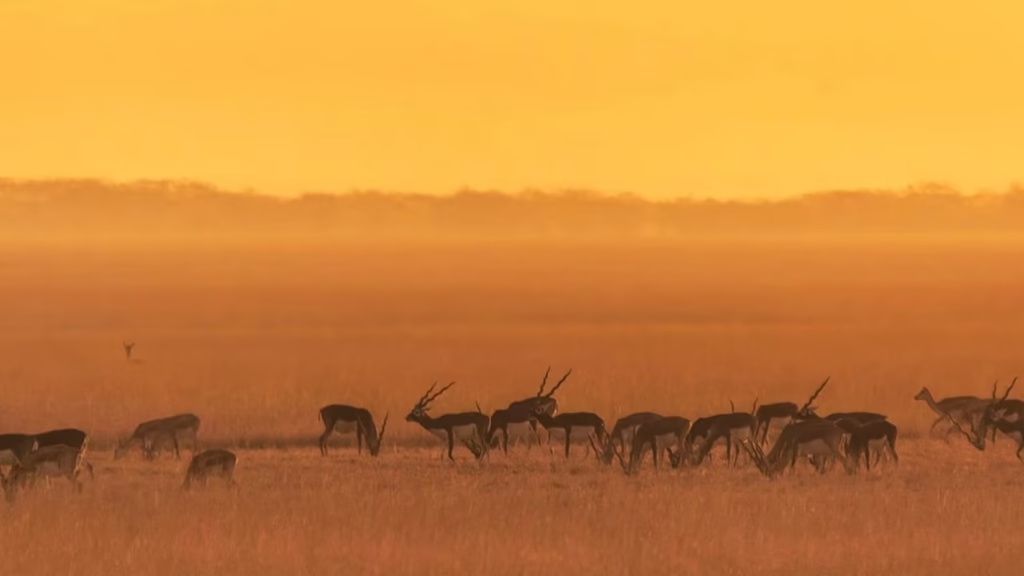
Gujarat retains its status as the “Land of the Legends” among all Indian states because of its lively cultural heritage. The Bhavnagar district of Gujarat hides Velavadar which provides wildlife enthusiasts together with nature lovers and adventure seekers an unforgettable experience. Blackbuck National Park stands as India’s largest and most exceptional national park in Velavadar providing visitors an experience of immense grasslands combined with the excitement of seeing rare wildlife species.
Travelers who want to explore both natural wonders and wildlife along with peaceful surroundings must make Velavadar their travel priority.
India maintains Blackbuck National Park as its smallest yet prominent national park that was founded in 1976 and spans across 34.52 square kilometers. Its compact dimensions conceal an essential function for Indian blackbuck population protection as well as other endangered species of botanical and zoological life.
This site possesses globally renowned golden grasslands along with semi-arid territories and wetlands which satisfy all wildlife needs. The open natural landscapes along with small human presence create Velavadar into a distinctive protected area free from human intervention.
The blackbuck antelopes have a sanctuary at Blackbuck National Park located in Velavadar Gujarat. Blackbucks share their habitat in the park which serves as an ecological home for wolves foxes and many different bird species. Visitors can observe blackbuck antelopes in their habitat while observing a variety of other animals in their natural habitat. Wildlife enthusiasts and nature lovers appreciate Blackbuck National Park because of its exclusive landscape and wildlife protection initiatives and close encounters with animals. This sanctuary offers protection to blackbucks alongside different species making it an excellent spot for wildlife enthusiasts together with photographers.
A Luxurious Stay
Overlooking the green flora and fauna, our The Blackbuck Lodge offers a stunning view of the Blackbucks and even the Blue Bull Antelope. Adorned with rough-hewn stone carved walls, gleamy wooden furniture, striking wildlife portraits on the wall and luxurious amenities that ensure a cosy stay.
The Blackbuck Lodge in Velavadar features 4 opulent accommodations: The Villas, The Plunge Pool Villa, The Pool Villa and The Blackbuck Suite. Designed with aesthetic modern interiors, these luxury cottages offer a peaceful sojourn. Surrounded by the serene forests of Blackbuck National Park, these ultra-luxe cottages at our lodge in Velavadar are built in such a way that it exposes the occupants to the wondrous grasslands of Bhal. These ensuite rooms also feature a patio and a seating area that allow guests to relax amidst the beauty of nature.
5. Piram Bet Island, Bhavnagar
Situated within the Gulf of Khambhat Piram Bet Island preserves its charm as a hidden attraction close to Bhavnagar in Gujarat. History enthusiasts together with adventure seekers and marine biology lovers find their way to this important historical site that exists off the coast of Bhavnagar. The island features natural beauty and historical relics from ancient fossils that extend to the remnants of the 14th-century fort.
The History of Piram Bet Island
- Throughout its existence Piram Bet Island has preserved historical significance that extends from ancient periods until modern times. Piram Bet operated as a vital naval base when different leadership groups including Rajputs and Mughals and the Portuguese maintained control.
- A 14th-century Mughal fortress sits on the island to represent its significant historical past which was constructed by the Mughal governor of Gujarat. The island later passed into Portuguese hands then they operated it as a commercial exchange location.
- British control turned the island into an observation point that watched Gulf of Khambhat maritime activities. The historical site of this fort exists today which enables Piram Bet to serve as an exploration destination for historians.
Shatrunjaya Hill hosts more than 800 temples which make Palitana a central pilgrimage site for Jains that sits a brief automotive distance from Bhavnagar. The extraordinary set of more than 800 beautifully sculptured temples dedicated themselves to Jain Tirthankaras stands as the landmark of this site. Jains visit this religious place by climbing 3,800 stairs toward the temples while enjoying outstanding scenic perspectives. A religious commitment expresses itself through the combination of stunning environment and intricate craftsmanship at Palitana Jain Temples.
6. Gaurishankar Lake
Gaurishankar Lake serves its dual functions as a recreational destination and natural retreat for Bhavnagar residents along with tourists because it exists in the central district of Gujarat. People who want to experience tranquility together with natural scenery and biodiversity should visit this peaceful location.
History & Significance of Gaurishankar Lake
- The construction of Gaurishankar Lake began in the nineteenth century when Dewan Shri Gaurishankar Oza served as the Prime Minister under the collaboration between Maharaja Takhtsinhji and the Bhavnagar State.
- The government constructed the water reservoir in the 19th century to serve Bhavnagar citizens and now it functions as a prominent Bhavnagar recreational spot.
- The lakesite presently ranks as Gujarat’s largest and most renowned body of water that draws adult and families through its lovely landscape and extensive range of fauna.
The common name for Gaurishanker Lake serves as Bor Talav located within Bhavnagar district which extends across 381 hectares. Authorities established this reservoir in 1872 to satisfy the demands for water. Today this destination attracts the most people who visit Bhavnagar for tourism and picnics. An entertainment zone based near the lake offers both musical fountains and boat houses along with planetarium and various other attractions located amidst natural sites. Inside this location you will find a small forest which shelters diverse types of plant and animal species. There are not many forest cities in our country yet this stands as one of them. Two plant nurseries maintain operation inside the forest grounds. The combination at this location produces complete satisfaction regarding fun activities alongside excitement and adventure and education and peace. The place allows visitors to enjoy authentic natural beauty alongside their loved ones and friends.
7. Victoria Park
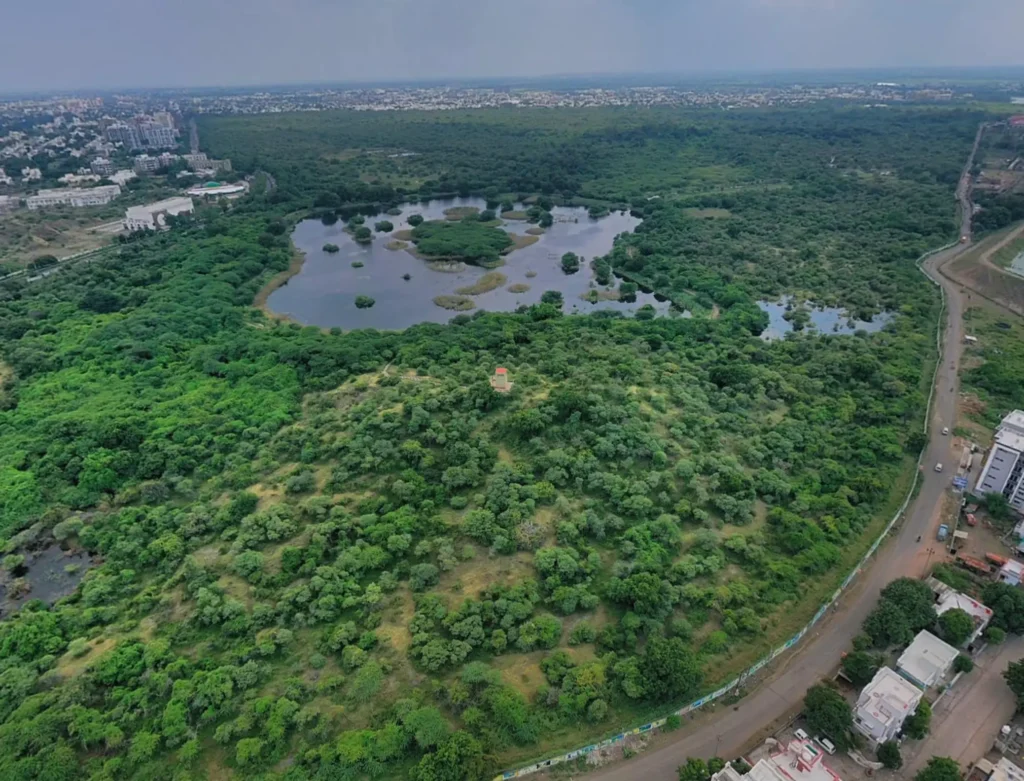
Maharaja Takhtsinhji presided over Bhavnagar while His Royal Highness, the late Duke of Clarence and Avondale paid a visit in 1890 to this city. People from nearby towns rushed to Bhavnagar because the city displayed intense excitement as Highnesses arrived.
The visit created three major celebrations wherein Albert Victor Square got its name as the Ganga-Jalia Talav saw spectacular fireworks and Port Albert Victor launched in Kathivadar.
A tremendous festival took place to commemorate Queen Victoria’s birthday straight following the departure of the Duke of Clarence and Avondale. Through his acts of admiration the Maharaja paid tribute to the Queen by sponsoring twenty annual payments to elderly widows while creating a nursing fund and donating a portrait statue to the Victoria Jubilee Technical Institute in Bombay and initiating Victoria Park in Bhavnagar.
The establishment of the park occurred due to the need for wildlife protection because rinderpest threatened to reduce wildlife populations. The Government declared Victoria Park as a reserved forest on 22 December 1965 to protect wildlife together with vegetation and both geological and ethnological and scientific objects of historical importance.
The botanical garden section of Victoria Park now occupies 500 acres throughout the southern peripheral area of Bhavnagar city. The park creation involved establishing three exotic plants namely Prosopis chilensis, Parkinsonia igitata and Dandrocalmus slrictus. Acasia senagal has become the most prevalent species that dominates the area. Additional features at the site included the Van Bhojan Shala alongside a deer park which attracted more visitors and picnic passengers. The park continues developing through efforts to eliminate thorny shrubs and trees and implement tree plantings with crown and floral beauty to become a full recreational destination for visitors. Blue bulls and nilgai along with boars portcupines and jackals form the wild animal population while Indian Peafowl and other birds enrich the site with further beauty.
Among all environmental factors climate stands as the main influencer for vegetation distribution and development types and growth patterns. The regional climate serves as the fundamental factor in creating vegetation patterns so studying climate remains essential for ecological vegetational investigations.
The semi-arid environmental conditions feature seasonal patterns with monsoon, summer and winter as the principal times. The winter months from October to February follow the summer period from March to June in this region. The rainy season initiates its operation in mid-June then progresses until September.
The distributed locations within this area classify it as a tropical zone. Saurashtra and its surrounding area experience cooler winter months followed by intense summer temperatures because the Tropic of Cancer runs close to the north part of this region.
8. Khodiyar Mandir
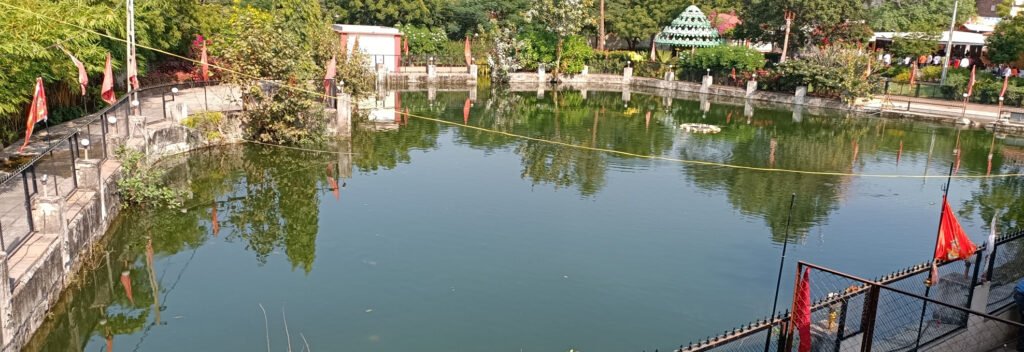
Goddess Khodiyar receives devotion at this temple while a peaceful lake area draws numerous devotees as well as visitors.Khodiyar Mandir in Bhavnagar Gujarat serves as a temple which worships Goddess Khodiyar. The religious complex consists of a peaceful lake while its thoughtfully-designed space creates a peaceful environment where worshippers and guests can find their peace. Tourists and pilgrims visit this place because of its spiritual value to receive blessings and spiritual rest. Khodiyar Mandir exists as a site that unites religious devotion with natural beauty because its peaceful environment honors both faith and cultural significance.
In 1911 the native residents and royal family established Khodiyar temple which got its name from its prominent deity. Thousands of pilgrims from across the Khodiayar Lake area visit the temple located next to the banks. Numerous followers of the goddess make extended walking journeys to show their devotion to the goddess.
History tells of Khodiyar Maa dating approximately 700 years ago. The first community mentioned in this story exists as Roishala in a rural location. Roishala. Roishala served as a subdivision of Vallabhipur that rests nearby contemporary Bhavnagar city in Saurashtra Gujarat. Vallabhipur region was governed by Maharaj Shilbhadra in geographic Gujarat of India. Mamaniya Gadhvi led his life in the small settlement called Roishala within his sovereign region. The nobleman Shilbhadra considered Mamaniya Gadhvi one of his best friendship partners. Both the poor and fluent followers of Lord Shiva found sincere honesty in Mamaniya Gadhvi who received his royal position as a Rajgadhvi from his.
9. Sardar Baug
A historical and picturesque garden called Sardar Baug positions itself at the center of the Gujarat town of Bhavnagar. Part of the Bhavnagar royal estate until recently Sardar Baug serves as a site that welcomes visitors who enjoy walking during the morning hours and appreciate both nature and history. The garden features engrossing cultivation with colorful flower displays and well-maintained pathways in addition to serenity that attracts people seeking relaxation.
History
- Sardar Baug started its existence inside Nilambag Palace estate which served as the royal family residence of Bhavnagar.
- The public welcomed this heritage site after the closure and turned it into a space for recreational activities which maintained its original heritage elements.
- The park bears the name Sardar Vallabhbhai Patel in honor of India’s most eminent leader throughout history.
- The garden operates today as an urban shelter welcoming people drawn to its peaceful setting and natural environment along with its historical #atmosphere.
The historical Sardar Baug offers visitors to Bhavnagar Gujarat a wonderfully designed outdoor space. This attraction consists of both a historic palace together with its captivating charm. Visitors can find a peaceful relaxation spot at Sardar Baug through its beautiful lawns and colorful flowers coupled with relaxing water features. The harmonious combination of natural landscapes and historic architecture makes this location suitable for people of all ages and relationship types who want to discover peace amid urban environment. Visitors can enjoy touring between the beautiful garden with an historical palace while exploring a relaxing space for both leisure walks and family time.
10. Ghogha Beach
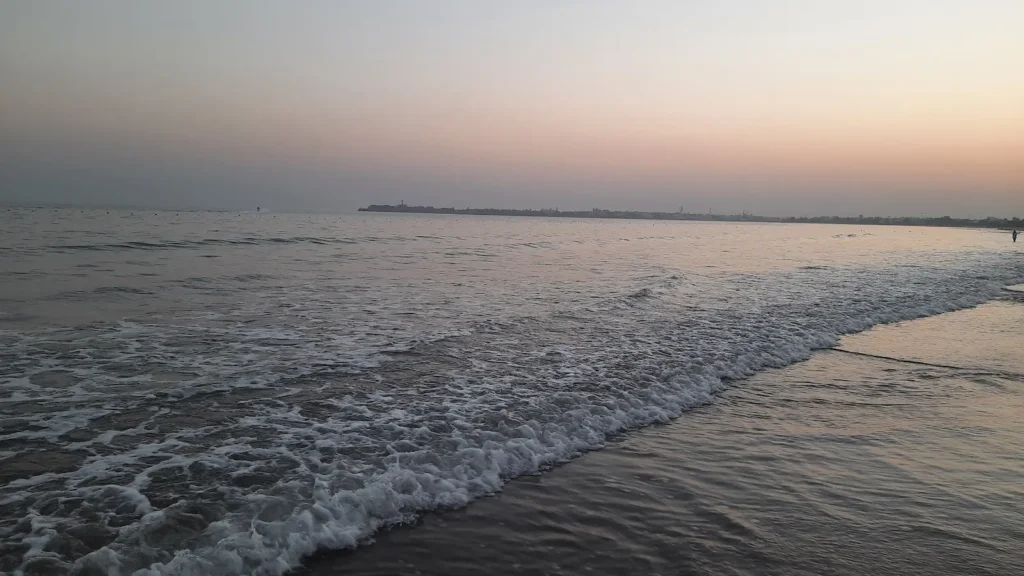
The beach at Ghogha rests 20 kilometers east of Bhavnagar along the Gulf of Khambhat shoreline. Ghogha Beach maintains its status as a hidden treasure in Gujarat because of its beautiful golden beach that provides a peaceful environment and mind-soothing sea views for visitors to photograph and witness sunsets.
Ghogha Beach provides visitors with peaceful coastal relaxation next to Bhavnagar in Gujarat. Ghogha Beach delivers perfect conditions for relaxation because it features quiet waters and lovely gleaming shores and peaceful natural surroundings. Visitors can stroll leisurely while picnicking at the beach where they can also experience the breezes from the coast. Ghogha Beach presents natural beauty and peaceful serenity that draws travelers who want to find tranquility at the seaside. Ghogha Beach maintains peaceful status as a tranquil setting that serves as an outstanding spot to relax.
The seaside location of Ghogha Beach stands out as it provides visitors a peaceful environment which draws people from families to couples and nature enthusiasts seeking an escape unlike Goa’s popular tourist beaches. The town gained its fame through a rich historical background because Ghogha previously served as an ancient port town for trade between Middle Eastern and African regions.
Best Time to Visit Ghogha Beach
- The period between October and March presents the most suitable months to explore Pensacola Beach because of its cool and nice weather conditions.
- The winter months between November and February make the beach suitable for walking and sightseeing and allow visitors to admire the sunset.
- Visiting during Summer month will provide comfortable early evening and morning conditions although afternoon temperatures can become hot.
- The beach presents growth from July until Sept despite rough waves that create dangerous beach conditions.