

Now Reading: Top 10 Best Places to Visit in Tak – Waterfalls, National Parks & Cultural Sites
-
01
Top 10 Best Places to Visit in Tak – Waterfalls, National Parks & Cultural Sites
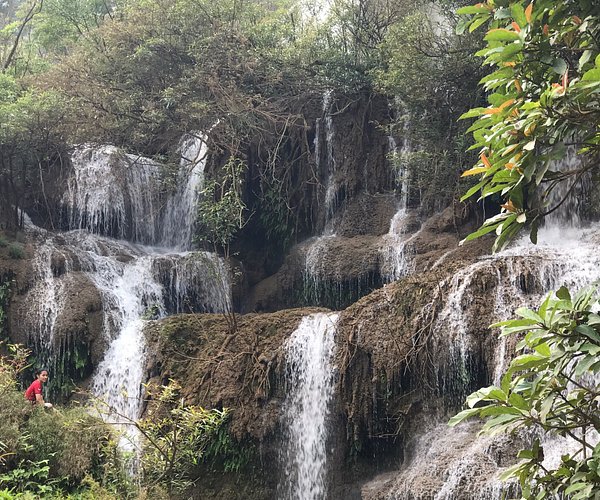
Top 10 Best Places to Visit in Tak – Waterfalls, National Parks & Cultural Sites
1.Thi Lo Su Waterfall
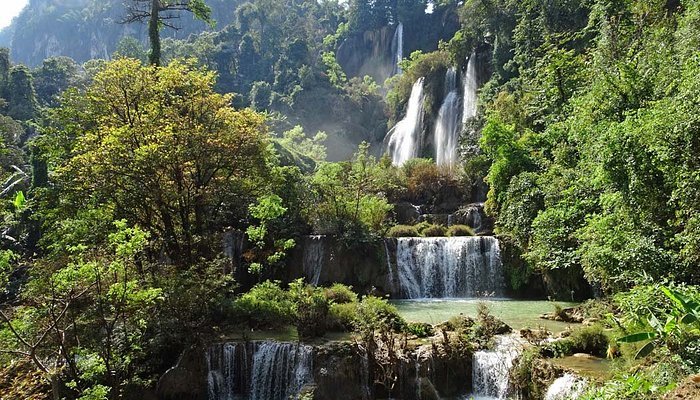
Inside the remote areas of Tak Province, Thi Lo Su Waterfall is a natural site that takes your breath away and draws everyone in. Not only is Thi Lo Su the largest and most amazing waterfall in Thailand, but it offers a trip for the senses into the untouched wilderness.
It is a majestic multi-tiered cascade because the waterfall is 250 meters high and it is almost 450 meters wide. The sound of a stream overlapping with the birds and leaves makes a beautiful and strong song of the wild. With jungle and dense forest on every side, this area shows an unspoiled beauty that you don’t often find today.
Visitors will need to put in a bit of energy to visit Thi Lo Su—it is within Umphang Wildlife Sanctuary which was added to UNESCO’s World Heritage list and is considered highly biodiverse. In the dry part of the year, people on their own journey can get nearer, but in the rainy time, boating and hiking are part of the journey. It’s all worthwhile because nature is at its finest when we get there.
Wading in the pools, watching the waterfalls fall or just sitting still, Thi Lo Su gives anyone a great way to forget about everyday life. Here, you find time for thought, excitement and bonding with nature.
Waterfall Details:
- This facility is in the Umphang Wildlife Sanctuary in Tak Province.
- No matter what your reason for visiting, it’s best to visit between November and May (dry season).
- Activities you can enjoy there are trekking, photography, bird-watching and camping.
2.Wat Thai Wattanaram
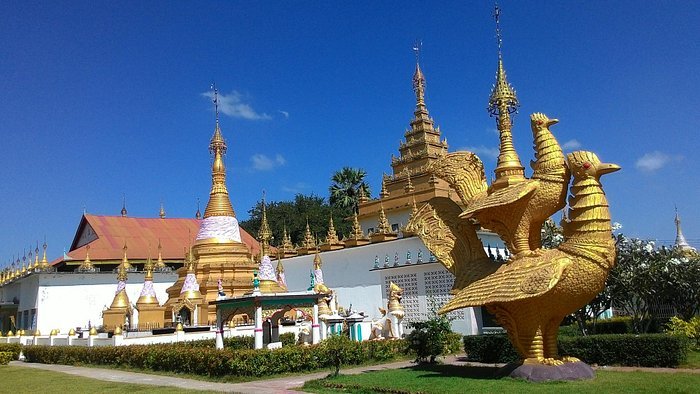
Near the border with Myanmar in Mae Sot, Tak Province, Wat Thai Wattanaram combines great beauty and fine workmanship. Anyone fascinated by Southeast Asia’s religious art and traditions should make a point to see this jewel-like temple.
From a distance, Wat Thai Wattanaram appears to be finished in gold leaf. Once you look more closely, you’ll find that the beautiful shine is created by metal plates that each have been skillfully molded and fitted by craftsmen. Such attention to detail makes the temple stand out with great majesty.
An unusual quality of this temple is its enormous Reclining Buddha, whose eyes have a powerful and bewitching look. Seeing this peaceful work gives visitors reason to quietly reflect on everything around them. This work stands tall as a powerful presence, simply watching as everyone enters.
Although Wat Thai Wattanaram is beautiful, it stays calm and respectful, so guests can find a place to reflect, pray or appreciate the art without distractions. With smaller shrines and lots of greenery around them, the temple’s area is peaceful and lovely.
Temple Details:
- Mae Sot is found in Tak Province, Thailand.
- You should visit in the early morning or late afternoon to enjoy nice warm light and fewer other tourists.
- Special Attractions: Seeing the Reclining Buddha, periodons of golden-metal construction and stylistic effects of both Burmese and Thai traditions
3.Bhumibol Dam
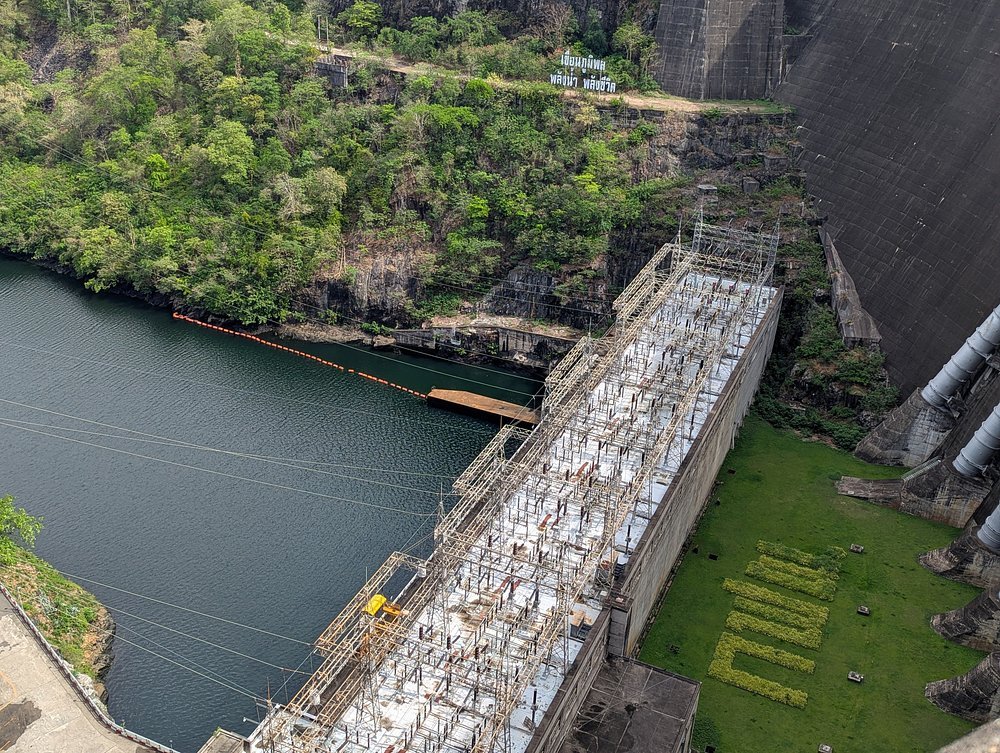
Built in the hillside forests of Tak Province, Bhumibol Dam demonstrates Thailand’s achievements, technical skills and appreciation for the environment. In honor of the beloved King Bhumibol Adulyadej or Rama IX, this structure became more than an energy plant—it’s also a symbol of sustainable living and peace for travelers.
With a height of 154 meters and a width of 486 meters, Bhumibol Dam is Thailand’s largest hydroelectric dam. Made to take advantage of the Ping River’s power, it greatly contributes to water resource management, renewable energy generation and flood prevention.
Besides its important function, the dam is honored for its imposing architecture. With gently rolling hills behind and a still reservoir in front, the views here are magnificent, especially when the sky turns a beautiful golden yellow at dawn or dusk.
Bhumibol Dam is both an engineering project and a top place for recreation. Boat tours on the reservoir, picnic spaces with wonderful views and staying overnight on water or at lakeside places are available for all guests. You can find silence and peace at this resort which is perfect for anyone coming with kids, a partner or alone.
Those interested in nature and photography will be amazed by what they find. The region’s forests house different plants and animals and seeing the reflection of the mountains on the calm river water is a perfect moment for photos.
Dam Details:
- This temple complex is found in Tak Province, in Sam Ngao District in North Thailand.
- The city has a height of 154 meters.
- The most pleasant time to go is during November to February.
- You can experience boat tours, stay in resorts on water, take nature walks, look for birds or take photos throughout the area.
4.Hilltribe Market
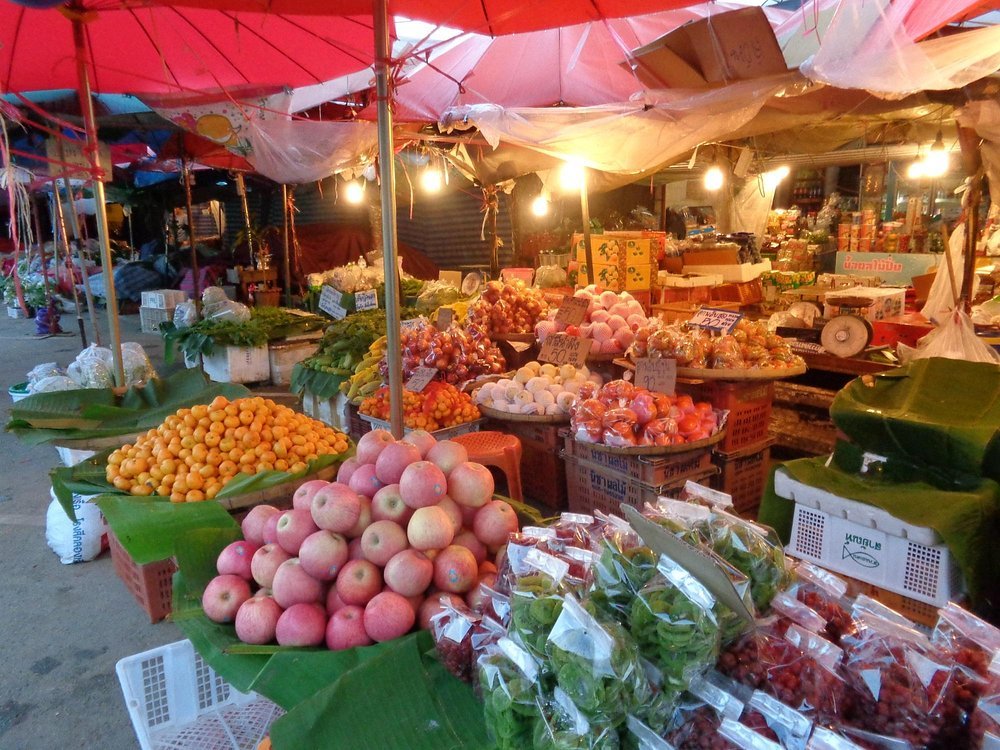
Along the newly widened highway from Mae Sot to Tak, you will pass right by the Hilltribe Market which adds culture and surprise to your road trip adventure. This trip was once rough and twisted, but now it’s a four-lane highway due to excellent engineering, making its way gracefully through western Thailand’s mountains.
It’s truly pleasure to drive this freeway. Because of the improved roadside scenery, getting from Mae Sot to Tak is not as difficult as it was before. Today, it’s just breathtaking and calming, amplified by a visit to the lively Hilltribe Market.
It’s a true market because it mainly serves the local tribes, making it surprisingly genuine. Looking clean, bright and uncluttered, this stand is filled with an offer of fresh local fruits and vegetables. It’s the locally-grown strawberries that really shine: they are large, sweet and tasty.
Besides an impressive array of food, you will also discover lots of different clothing, textiles and homemade items. Looking at the products, you can see what people in Myanmar wear and buy daily. Sure, the market is for the local community, yet all travelers are welcome here and its true spirit is very different from what you find elsewhere.
A walk through the market brings sights, sounds and smells that reflect the lively atmosphere here every day. A visit here seems to push you to relax, explore the store and enjoy the real atmosphere.
Market Details:
- On the map, you’ll find Highway 12 connecting Mae Sot and Tak.
- The best time for picking is between morning and early afternoon.
- Things to Purchase: Local strawberries, fresh vegetables, handmade clothing and snacks
- If you have some change and you’re hungry, sampling as you walk is part of the experience!
5.Thai Unity Temple
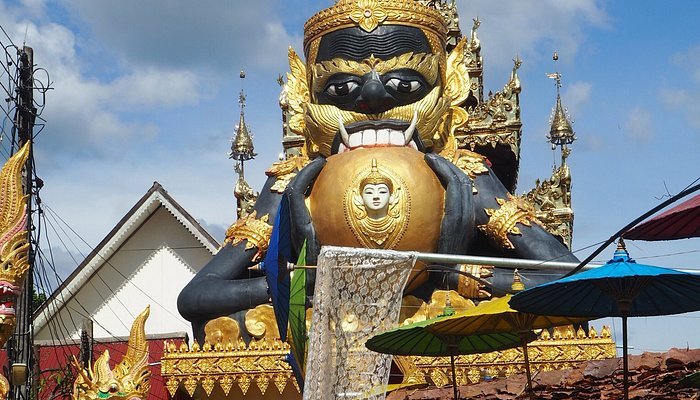
One of the region’s greatest landmarks, Thai Unity Temple, is just a short walk from the town center. Because it’s so peaceful, has detailed architecture and showcases vivid culture, this temple is more than just a religious site. This sanctuary is full of different experiences, asking guests to explore, reflect and admire.
The reason Thai Unity Temple is famous is because of its various building styles. Unlike many temples, Nahala has been arranged over many distinctive sites, all with their own goal. You’ll find different things, from peaceful places to grand shrines, in every part of the shrine. The trip is meant to walk travelers through Thailand’s religious history, mirroring its underlying sense of harmony and respect.
It is quite remarkable that all the wood carvings found in the temple are among its most attractive aspects. Rather than just adding elegant touches, they tell stories and are beautifully and artfully designed. Whether showing creatures from myths, flowers or bits of Buddhist instruction, the carvings reflect tradition in the structure of the temple building.
Because Thai Unity Temple is only a short distance outside of town, it’s a great choice for people wanting to see real Thai culture. The area is inviting, tidy and neatly maintained so that everyone here is calm and comfortable.
Temple Details:
- Spot: Found several miles from town; refer to local guides or a map to find the spot
- Season: Spring and fall for better light and quieter environments
- What to Know: Tours will take you by many temples, let you enjoy the fine wood carvings and allow time for quiet meditation.
6.Thai-Myanmar Friendship Bridge
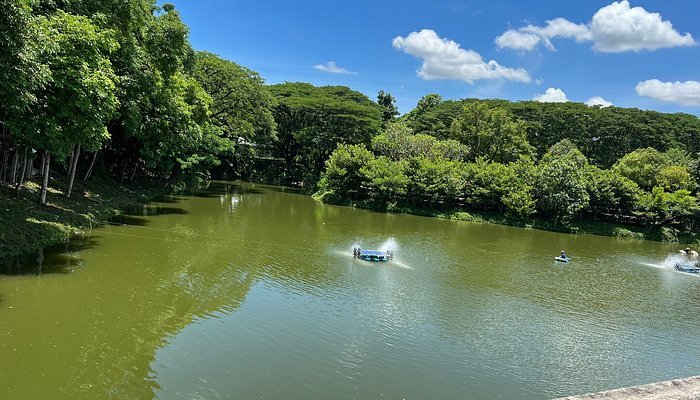
Positioned over the Moei River between Mae Sot, Thailand and Myawaddy, Myanmar, the Thai-Myanmar Friendship Bridge has long represented friendship, trade and cultural exchange between the two nations. Though the bridge was once a busy meeting point for all, it now reflects the present situation in the region.
At this moment, the Thai-Myanmar Friendship Bridge is not open because of ongoing unrest in Myanmar. Right now, there are no checkpoints for immigration and the visa office is not granting border crossing permits. At this time, travelers wanting to enter Myanmyo cannot cross at this route.
The bridge may be barred for movement, but the close-by Burmese market is still operating in Thailand. Even if you’re already in Mae Sot or just passing nearby, you should check out the market. It gives visitors an interesting look at Burmese culture, as you’ll find special textiles, foods and handcrafted goods—even if you can’t cross the border.
Even when access is restricted, the bridge is still recognized as a strong sign of regional links and the past. The sight from the river is as impressive as ever and the area nearby is attractive too. In any case, anyone interested in photography, history or travel can use this spot to reflect on the shifting friendship between Canada and the U.S.
- The camp is found in Mae Sot in Tak Province, Thailand.
7.Wat Phra Boromthat and Ancient Tak City

Just 5 kilometers from the city of Tak today, you find Wat Phra Boromthat and the ruins of ancient Tak City, calmly resting up on a wooded hill. The organization of this architectural group began in the 13th century, allowing visitors to understand how valuable and unique Thai heritage used to be.
In the center of the complex lies the old stupa of Wat Phra Boromthat, said to contain some of the Buddha’s relics. Built hundreds of years ago, the stone work remains impressive and continues to symbolize how reliable and dedicated the people who built it must have been. The place’s calm, wooded walkways and light breezes allow visitors to relax, away from the crowds.
There are bits of the ancient settlement of Tak found in places throughout the temple grounds. Looking at the stone walls, foundations and moss, you can see the history of this city which influenced early Thailand. You can easily explore history in its natural form, since the area hasn’t changed much with time.
Wat Phra Boromthat welcomes anyone interested in its past, its religion or just wanting to enjoy peaceful surroundings. Because of its religious importance and peaceful surrounds, it unites culture and a sense of calm.
Visitor Info:
- The area is only 5 km away from Tak City Center in Tak Province, Thailand.
- The best times to go are in the morning or late in the day, when the light is soft and it’s cooler.
- Things to See: The old chedi, many remains scattered throughout and the rural views from the hills
8.Lan Sang National Park
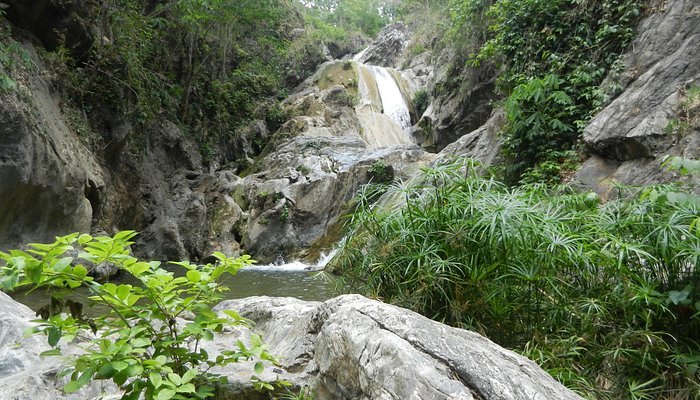
Right off National Highway 12, only about 15 kilometers from Tak and en route to Mae Sot, Lan Sang National Park impressively demonstrates the wonderful nature of northern Thailand. Since it was founded in 1979, the park has established itself as one of the region’s older attractions—yet many visitors still don’t know much about it.
Over 104 square kilometers, the park is populated by thick bamboo groves, rough streams and misty mountains. Because of their cool climate and lovely shades, northern Thailand’s forests attract people looking to cool down and enjoy the outdoors.
Rangsang Falls is definitely the main attraction of the park, making it one of Thailand’s finest waterfalls. Measuring forty meters in height, this version of the waterfall flows between cliffs and green vegetation. The rhythm of the water and its icy mist give an uplifting and soothing effect. The area is popular with photographers as well as nature lovers.
Sites and Services for a Restful Trip
You’ll find fine cafeterias, well-kept restrooms and great campgrounds close to the administrative offices, so anyone visiting can enjoy the forest all day or perhaps stay the night there. If you’re interested in a picnic, a hike or camping, the park is open and easy to get to.
An Environment Worth Learning About
The nature-filled Lan Sang Park provides a good chance for hikers to see rare birds, butterflies and forest animals on the prominent trails. No matter the trail, you always seem to find a pleasing stream, a beautiful bench or an unexpected natural pool.
Park Details:
- The site is located 15 kilometers west of Tak City on Highway 12 going toward Mae Sot.
- Established: 1979
- The land measures 104 square kilometers.
- Some beautiful highlights are Rangsang Falls, along with beautiful bamboo forests and places to go camping.
- Cafes, public restrooms, information stations for rangers and campgrounds are available.
- The best months to visit are November, December, January and February, as the weather is nice and the waterfalls are flowing.
9.Chao Por Phawo Shrine
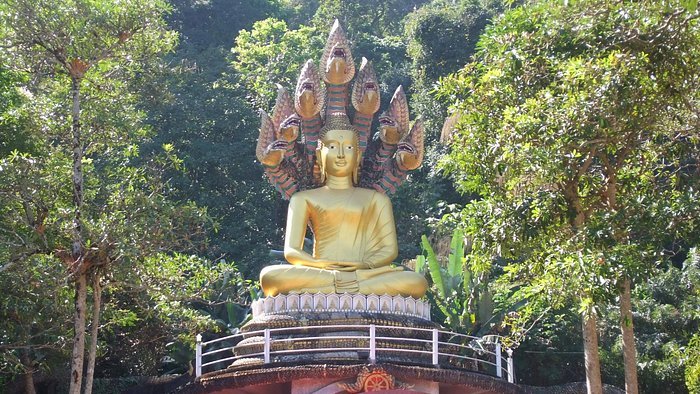
The Chao Por Phawo Shrine is visible along the beautiful route that links Tak with Mae Sot and cherished by locals and appreciated by guests for its cultural interest. Its mountain surroundings, wide range of events and close relationship with the community help make this shrine a true representation of Thailand.
Referred to as Chao Por Phawo, the strong spirit of a famous Karen warrior chieftain is shown here as a protector of the region. The shrine means far more to locals than just being in a place—it is a symbol of faith and personal prayers. If you travel through many Vietnamese temples, you’ll notice people here offering prayers, burning incense or making votive offerings for their wishes to be realized.
A Calm and Gorgeous Location
The mountain views make this shrine even more outstanding. With conveniently gentle slopes and clean air around you, it gives you a serene place to unwind along your way. Many parts of the park are breathtaking, enhancing the religious feel and there are lots of places to stand and enjoy the peacefulness.
This shrine also allows visitors to see typical Thai cultural activities each day. By looking at offerings of food, flowers and incense, along with the traditions and acts of worship, people visiting learn more about the religious values and customs in the community.
Visitor Info:
- The Tak–Mae Sot Highway (Highway 12) is the location, about halfway between the towns
- What You Will Find: Locals who are praying, votive offerings and an amazing view of the Alps.
- It’s best to visit when the sun isn’t as bright, around morning or late afternoon.
- Make sure to respect people during your travels by not taking pictures of private prayers.
10.Shrine of King Taksin the Great
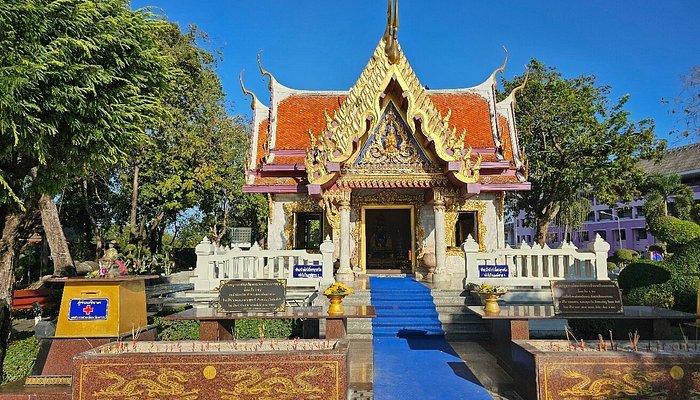
Near the town’s southern edge, in the province of Tak, you will find the Shrine of King Taksin the Great, honoring one of Thailand’s most important monarchs. Even though it is not large, this area holds great historical significance for remembering the leader who united a separated kingdom.
King Taksin started ruling over Siam in the midst of one of the country’s most difficult times. After Ayutthaya was taken by the Burmese in 1767, Taksin united those who opposed the attack and drove the Burmese away, before founding a new capital. Since Tak guards a major border route, it was natural to build a shrine for him there.
The architecture of the shrine is simple and lovely, surrounded by clean and lush gardens which are always green thanks to trees nearby. Many guests notice that local residents come by to pay their respects, light incense and place flowers. Not only does it represent the past, but it is also a place honoring Thailand and reminding the people of Tak, especially, of the king’s legacy.
A History that Stands Out
The sight of King Taksin in military dress, holding a sword, makes it clear what he did for Thailand. Aside from being part of history, the site teaches us about strength, influence and togetherness when the country needed it most.
- You can find details about visiting here on the Homepage.
- Tak City is part of Tak Province in Thailand.
- The best time to come is in the morning or at dusk to enjoy a quiet setting
- Things to See: The main Buddhist shrine, sculpture of King Taksin and display plaques
- For more insight, take a stroll through the old town after visiting Tak’s archaeological site
Related articles : Top 10 Best Places to Visit in Trang – Islands, Beaches & Natural Wonders


Pingback: Best Places to Visit in Surin – Explore Temples, Culture & Elephant Experiences