
Now Reading: Alabama Top Visiting Places
-
01
Alabama Top Visiting Places
Alabama Top Visiting Places
Gulf Shores & Orange Beach Alabama: Ultimate Beach Vacation Guide 2024

Discover Alabama’s Premier Beach Destination
Gulf Shores and Orange Beach form Alabama’s stunning Gulf Coast jewel, where sugar-white sand beaches meet emerald green waters. These twin coastal cities have transformed from quiet fishing villages into premier vacation destinations while maintaining their Southern charm and laid-back atmosphere.
The Beaches: Pure Coastal Perfection
The star attraction is undoubtedly the beaches themselves. Miles of pristine white sand, made from pure quartz crystals, feel soft and cool underfoot even on the hottest days. The Gulf of Mexico’s warm waters glow with distinctive emerald and turquoise hues, perfect for swimming, kayaking, and paddleboarding. Unlike rockier coastlines, these gentle beaches are ideal for families with children who can play safely in the calm, shallow waters near shore.
Public beach access points are plentiful and well-maintained, with many offering showers, restrooms, and nearby parking. For a quieter experience, explore the less crowded stretches east toward the Florida border or venture to the protected beaches on the Gulf side of Gulf State Park.
Gulf State Park: Nature Meets Adventure
Spanning over 6,000 acres, Gulf State Park provides a natural counterpoint to the developed beach areas. Two miles of pristine beach remain undeveloped, offering peaceful walks where you might spot dolphins playing in the surf. The park’s extensive trail system includes the paved Hugh S. Branyon Backcountry Trail with over 15 miles winding through six distinct ecosystems – from beaches to wetlands to pine forests.
Rent bicycles to explore the trails, or bring your own kayak to paddle the calm waters of Lake Shelby. The park’s fishing pier extends 825 feet into the Gulf, attracting anglers hoping to hook redfish, speckled trout, or flounder. The recently renovated Lodge at Gulf State Park offers upscale accommodations with an interpretive center showcasing the area’s natural and cultural history.
The Wharf: Entertainment Hub
Located in Orange Beach, The Wharf has become the area’s premier entertainment district. This waterfront complex on the Intracoastal Waterway buzzes with activity day and night. Boutique shops range from national retailers to local beach wear stores. Restaurants serve everything from fresh Gulf seafood to international cuisine, with outdoor seating offering canal and marina views.
The Wharf Amphitheater hosts nationally recognized concerts throughout the year. A Ferris wheel provides panoramic views of the coast and bay. Mini golf, a movie theater, and the Coastal Alabama Farmers and Fishermans Market (Saturdays, April-September) add to the family-friendly atmosphere. During summer, watch boats pass through and see fireworks light up the sky over the marina.
Fresh Seafood: From Gulf to Table
The local fishing fleet ensures restaurants serve the freshest seafood possible. Royal red shrimp, a Gulf delicacy, appears on menus throughout the area. Try them grilled, fried, or in pasta dishes. Grouper, snapper, and triggerfish are caught daily and prepared dozens of ways. Don’t miss the famous Alabama Royal Red shrimp or oysters from nearby Mobile Bay.
Popular dining spots include The Gulf, with its orange-accented interior and creative Southern coastal cuisine, Fishers Upstairs for upscale seafood with sunset views, and The Hangout, a family-friendly beach bar and grill with live music and a party atmosphere. For a more casual experience, visit LuLu’s, owned by Jimmy Buffett’s sister, where the motto is “eat, drink, relax, repeat.”
Water Sports and Activities
The calm Gulf waters and protected bays create perfect conditions for water activities. Rent jet skis, parasail above the beaches, or charter a fishing boat for deep-sea adventures. Dolphin cruises depart multiple times daily, nearly guaranteeing sightings of these playful creatures. Stand-up paddleboarding in the calmer bay waters offers a peaceful way to explore.
For underwater exploration, snorkeling and diving charters visit artificial reef sites where marine life thrives on intentionally sunken ships and structures. The clear water visibility, especially in summer, reveals colorful fish, sea turtles, and occasional rays gliding along the bottom.
Family Attractions Beyond the Beach
The Alabama Gulf Coast Zoo, known as “The Little Zoo That Could” after surviving Hurricane Ivan, houses over 500 animals in natural habitats. Interactive feeding experiences and educational programs engage children of all ages.
Adventure Island offers go-karts, bumper boats, mini golf, and arcade games – perfect for a break from the beach. Waterville USA combines water park fun with amusement rides and is a hit with families during hot summer days.
Track Family Recreation Center provides indoor options including laser tag, rock climbing, ropes courses, and arcade games, ideal for rainy days or when you need a break from the sun.
Annual Events and Festivals
The area hosts numerous festivals throughout the year. The National Shrimp Festival in October draws over 250,000 visitors for arts, crafts, live music, and of course, endless shrimp dishes prepared every way imaginable. The Hangout Music Festival in May brings major music acts to the beach for a three-day celebration.
Fishing tournaments run throughout the year, with the Alabama Deep Sea Fishing Rodeo in July being the largest and oldest saltwater fishing tournament in the country. The Frank Brown International Songwriters’ Festival in November showcases up-and-coming and established songwriters in intimate venues throughout the area.
Best Time to Visit
Peak Season (June-August): Warmest water temperatures and most activities available, but expect crowds and higher prices. Average temperatures reach the high 80s to low 90s with humidity. Book accommodations months in advance.
Shoulder Season (April-May, September-October): Ideal visiting time with pleasant temperatures (70s-80s), fewer crowds, and lower prices. Water remains warm enough for swimming. September can bring tropical weather systems, so monitor forecasts.
Off-Season (November-March): Significantly fewer tourists and best hotel rates. While too cool for swimming (water temps in 60s), it’s perfect for beach walks, fishing, and exploring without crowds. Some restaurants and attractions have reduced hours or close temporarily.
Getting There and Around
The area is easily accessible via Interstate 10, with Gulf Shores about 50 miles from Mobile and 30 miles from Pensacola, Florida. The nearest airports are Pensacola International Airport (35 miles) and Mobile Regional Airport (55 miles).
Once there, a car is helpful but not essential if staying near the beach. The free Beach Express trolley runs along Highway 182 during summer, connecting beaches, restaurants, and shopping. Many condos and hotels rent bicycles or provide beach cruisers, and numerous rental shops offer bikes, scooters, and golf carts.
Where to Stay
Accommodations range from budget motels to luxury condominiums and resorts. Beachfront condos offer full kitchens and direct beach access, perfect for families planning extended stays. The Lodge at Gulf State Park provides upscale hotel amenities within a natural setting. For a unique experience, consider renting a beach house, many with private pools and multiple bedrooms.
Book early for summer visits and expect minimum stay requirements (often 3-7 nights) during peak season. Many condos offer significantly lower rates for stays of a week or longer.
Insider Tips
- Arrive at beaches early (before 10 AM) during summer to secure good parking and prime umbrella spots
- Red flags mean swimming is dangerous – respect beach safety warnings
- Apply (and reapply) sunscreen liberally – the Southern sun is intense
- Keep an eye out for jellyfish, especially in late summer; vinegar stations are located at beach accesses for stings
- Download the Share the Beach app to report sea turtle nests and learn about conservation efforts
- Take a sunset cruise or simply watch from the beach – Gulf Coast sunsets are spectacular
- Visit local seafood markets to buy fresh catch for cooking if you have kitchen access
Gulf Shores and Orange Beach offer the perfect blend of natural beauty, family fun, and Southern hospitality. Whether you’re seeking relaxation on pristine beaches, outdoor adventure in state parks, or vibrant nightlife and entertainment, Alabama’s Gulf Coast delivers an unforgettable vacation experience.
Birmingham: Alabama’s Dynamic Cultural Hub

The Magic City Rises Again
Birmingham earned the nickname “Magic City” in the late 1800s when it transformed seemingly overnight from a cornfield into an industrial powerhouse. Today, this vibrant city combines crucial civil rights history, innovative culinary scenes, and Southern hospitality into one of the South’s most compelling destinations.
Civil Rights Heritage: A Journey Through History
Birmingham played a pivotal role in the American Civil Rights Movement, and the city now preserves and honors that history with powerful museums and historic sites.
The Birmingham Civil Rights Institute stands as the cornerstone of civil rights tourism in the city. This world-class museum chronologically presents the struggle for equality through multimedia exhibits, artifacts, and personal stories. Walk through recreated segregation-era spaces that viscerally demonstrate the injustice of Jim Crow laws. View photographs and video footage of the Children’s Crusade, when thousands of young people marched for freedom in 1963.
The museum sits in the Civil Rights District, where Kelly Ingram Park served as the staging ground for many protests. Bronze sculptures throughout the park commemorate the bravery of protesters, including children, who faced police dogs and fire hoses. The sculptures create powerful, emotional experiences, particularly the “Four Spirits” fountain honoring the four girls killed in the 16th Street Baptist Church bombing.
The 16th Street Baptist Church, directly across from the park, was tragically bombed by white supremacists on September 15, 1963, killing Addie Mae Collins, Cynthia Wesley, Carole Robertson, and Carol Denise McNair. Tours of the church provide sobering accounts of that day and the broader civil rights struggle. The basement area where the bomb exploded has been preserved, and stained glass windows tell the story of resilience and hope.
The A.G. Gaston Motel, where Dr. Martin Luther King Jr. and other civil rights leaders planned strategy, is being restored and will reopen as a museum. Even without entering, the building’s exterior tells stories of courage and determination.
Vulcan Park and Museum: Birmingham’s Guardian
Perched atop Red Mountain, the 56-foot statue of Vulcan, the Roman god of fire and forge, symbolizes Birmingham’s industrial heritage. Cast in 1904 for the St. Louis World’s Fair from local iron ore, Vulcan is the world’s largest cast iron statue and the city’s most recognizable landmark.
The observation deck surrounding Vulcan’s pedestal provides 360-degree views of the city, mountains, and valleys. Sunset visits are particularly spectacular as the city lights begin to sparkle below. The museum at the base tells Birmingham’s story through exhibits on geology, iron production, and the city’s transformation from industrial center to modern metropolis.
Vulcan’s torch changes colors – green for safety (no traffic fatalities that day) and red when someone has died in a traffic accident in the metro area, serving as a daily reminder about road safety.
Sloss Furnaces: Industrial Monument
This preserved blast furnace operated from 1882 to 1971, producing pig iron that fueled Birmingham’s growth. Now a National Historic Landmark, Sloss Furnaces offers self-guided tours through the massive structures where extreme heat and dangerous conditions forged both iron and the city’s identity.
The site hosts concerts, art exhibitions, and the famous Halloween haunted house considered one of the scariest in America. The juxtaposition of industrial ruins against blue sky creates dramatic photography opportunities. Walking among the towering furnaces, you can almost hear the roar of production and feel the heat that once radiated from these structures.
Culinary Innovation: Birmingham’s Delicious Renaissance
Birmingham’s food scene has exploded in recent years, earning national recognition and awards. James Beard Award nominations have highlighted local chefs who blend Southern traditions with innovative techniques.
The city’s restaurant scene ranges from elevated fine dining to beloved barbecue joints. Highlands Bar and Grill, helmed by Chef Frank Stitt, has earned accolades for decades with French-inspired Southern cuisine using local ingredients. Bottega serves Italian dishes with Alabama products in an elegant setting with an impressive wine list.
For more casual dining, Saw’s Soul Kitchen serves exceptional pulled pork, ribs, and sides that have earned it a cult following. OvenBird combines wood-fired cooking with seasonal ingredients. Carrigan’s Public House offers upscale pub fare in a historic building.
The food hall trend has reached Birmingham with the redevelopment of historic buildings into culinary destinations. Pizitz Food Hall occupies a renovated department store with multiple local vendors serving everything from ramen to tacos to craft beer.
Don’t miss local specialties like hot and hot fish club (fried fish and grits), Alabama white BBQ sauce (mayonnaise-based sauce invented in nearby Decatur), and the Golden Flake potato chip factory outlet for fresh-from-the-fryer chips.
Neighborhoods Worth Exploring
Birmingham’s revitalized neighborhoods each offer distinct character and attractions.
Five Points South: This historic district bustles with restaurants, bars, coffee shops, and vintage stores. The diverse architecture includes beautiful early 20th-century buildings. It’s the heart of Birmingham’s nightlife and attracts a young, creative crowd.
Avondale: Once an industrial area, Avondale has transformed into a hip neighborhood with craft breweries like Avondale Brewing Company, farm-to-table restaurants, and the award-winning chef-driven Saw’s Juke Joint.
Lakeview: Centered around beautiful Highland Avenue, this neighborhood offers shopping, dining, and access to nearby hiking trails on Red Mountain.
The Cahaba Brewing Company and Good People Brewing Company anchor Birmingham’s craft beer scene with taprooms serving locally brewed beers in industrial-cool spaces.
Outdoor Recreation and Green Spaces
Despite its urban setting, Birmingham offers surprising outdoor opportunities. Red Mountain Park spans over 1,500 acres with 15+ miles of trails for hiking and mountain biking. Zip lines soar through the forest canopy, and historic mining sites dot the landscape.
Railroad Park, a 19-acre green space downtown, hosts concerts, food truck festivals, and provides a gathering place for the community. The park’s design incorporates Birmingham’s railroad history with interpretive elements.
Ruffner Mountain Nature Preserve, just minutes from downtown, offers quiet trails through 1,038 acres of urban wilderness where you can spot deer, birds, and wildflowers.
Arts and Culture
The Birmingham Museum of Art houses one of the finest collections in the Southeast, with particular strengths in Asian art, European paintings, and American decorative arts. Admission is free, making art accessible to all.
The Alabama Theatre, a beautifully restored 1927 movie palace, shows classic films and hosts concerts. The “Mighty Wurlitzer” organ rises from beneath the stage before showings, played by skilled organists who take requests.
The Birmingham Museum of Art and the Alabama Jazz Hall of Fame celebrate the city’s musical heritage, from jazz legends like Erskine Hawkins to the contemporary hip-hop scene.
Sports and Entertainment
Birmingham’s sports culture runs deep. Regions Field, home to the Birmingham Barons (Chicago White Sox Double-A affiliate), offers affordable family entertainment with stunning views of the city skyline. The ballpark has won numerous architectural and design awards.
The city also hosts the Birmingham Bowl college football game, various SEC Baseball Tournament games, and is working to attract more major sporting events.
Best Time to Visit
Spring (March-May): Ideal weather with temperatures in the 60s-80s, blooming dogwoods and azaleas, and numerous outdoor festivals. This is peak visitation time.
Summer (June-August): Hot and humid with temperatures often exceeding 90°F, but great for water parks and indoor attractions. Hotel rates may be lower midweek.
Fall (September-November): Excellent visiting time with mild temperatures, fall colors, and football season energy. September can still be warm and humid.
Winter (December-February): Mild compared to northern cities (40s-60s) with occasional cold snaps. Great for museums and indoor attractions with fewer crowds and lower prices.
Getting There and Around
Birmingham-Shuttlesworth International Airport serves the city with connections to major hubs. The city is also accessible via Interstate 20 (east-west) and Interstate 65 (north-south).
Downtown is walkable, but a car is recommended for reaching attractions spread throughout the metro area. Ride-sharing services are readily available. The city is working to improve public transportation, but it remains limited compared to larger cities.
Where to Stay
Downtown hotels put you within walking distance of many attractions and restaurants. The Elyton Hotel, in a restored historic building, offers boutique accommodations. Larger chains including Sheraton, Westin, and Hampton Inn provide reliable options.
For a unique experience, consider staying in the Five Points South area where you can walk to restaurants and nightlife.
Insider Tips
- Many civil rights sites are within walking distance of each other – plan a walking tour of the Civil Rights District
- Check the Birmingham Museum of Art’s schedule for free concerts and lectures
- Restaurant reservations are recommended for popular spots, especially on weekends
- The city’s parks and outdoor spaces often host free concerts and events – check local calendars
- Birmingham’s “Restaurant Week” (usually in August) offers prix-fixe menus at reduced prices
- Allow time to simply drive through historic neighborhoods to appreciate the architecture
Local Insights
Birmingham locals are genuinely friendly and proud of their city’s transformation. Don’t hesitate to ask for recommendations – you’ll likely receive enthusiastic suggestions and possibly even stories about the city’s fascinating history. The phrase “y’all come back” isn’t just Southern politeness; it’s a genuine invitation to return to this dynamic, evolving city that honors its past while embracing its future.
Birmingham represents the New South at its best – a city that confronts its difficult history honestly while building a diverse, creative, and welcoming community. Whether you’re drawn by civil rights history, innovative dining, outdoor recreation, or Southern culture, Birmingham offers depth and authenticity that will leave a lasting impression.
Mobile: Alabama’s Historic Port City
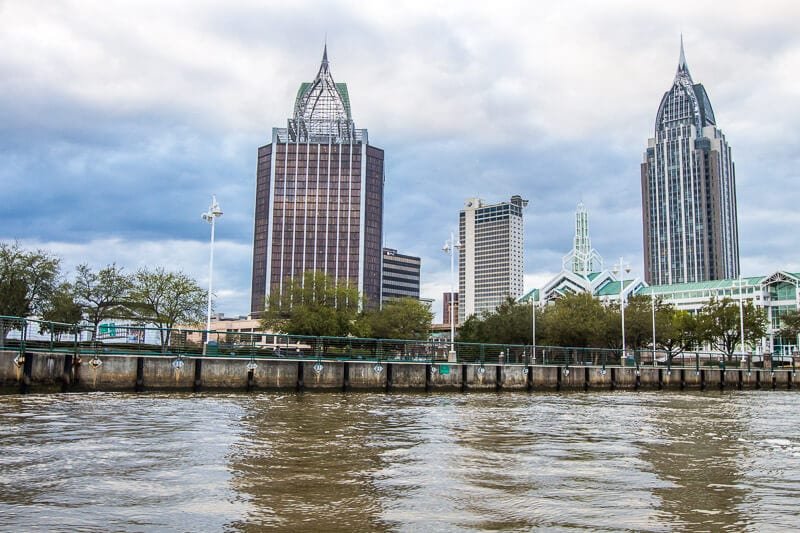
Where Southern Charm Meets Gulf Coast Culture
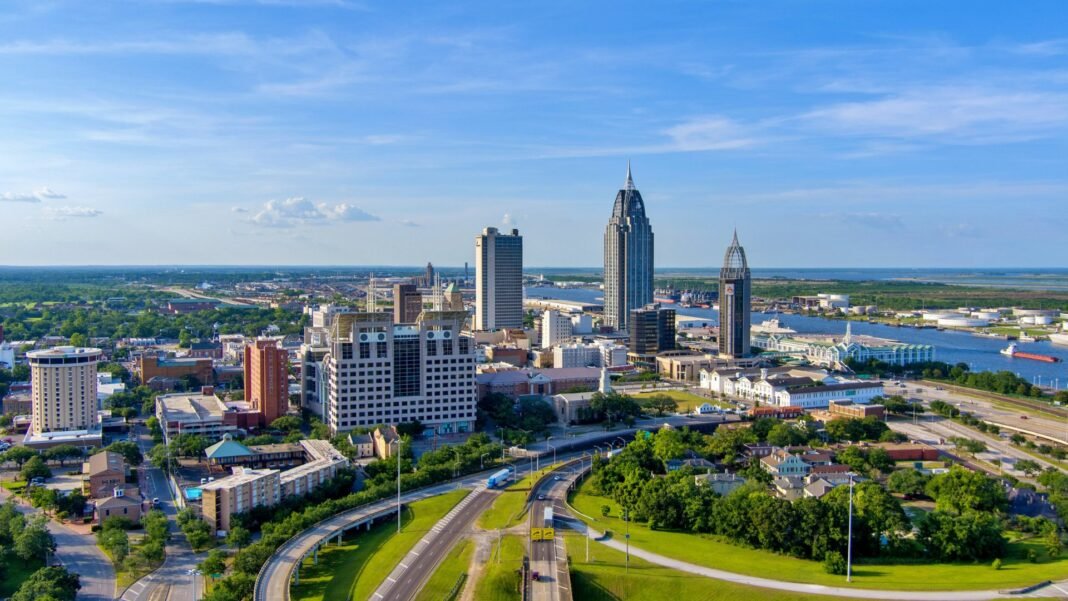
Mobile, Alabama’s only saltwater port and oldest city, blends 300 years of history with vibrant modern culture. Founded by French colonists in 1702, Mobile carries influences from French, Spanish, British, Creole, and African cultures, creating a unique character distinct from anywhere else in Alabama or the South.
Historic Districts: Walking Through Centuries
Mobile’s historic districts preserve stunning architecture spanning three centuries. The tree-lined streets create shaded canopies where Spanish moss drapes from ancient live oaks, setting a romantic, Old South atmosphere.
De Tonti Square and Church Street East districts showcase antebellum townhouses and cottages with distinctive wrought-iron balconies reflecting Spanish and French colonial influences. Many buildings have been lovingly restored and now house museums, galleries, and bed-and-breakfasts.
The Oakleigh Historic Complex includes the Oakleigh House Museum (1833), Cox-Deasy House, and Minnie Mitchell Archives. Guided tours reveal how wealthy Mobile families lived in antebellum Mobile, with period furnishings and decorative arts.
Fort Condé, a reconstructed French fort from 1723, sits in the heart of downtown. Costumed interpreters demonstrate colonial-era military life and crafts. The fort’s museum explains Mobile’s strategic importance and complex colonial history as it changed hands between France, Britain, Spain, and finally the United States.
America’s Original Mardi Gras
Most people associate Mardi Gras with New Orleans, but Mobile celebrated first. The city’s Mardi Gras tradition began in 1703, fifteen years before New Orleans was founded. Mobile’s celebration maintains a family-friendly atmosphere with elaborate parades, mystic societies, and moon pies thrown from floats instead of beads as the signature throw.
The Mobile Carnival Museum celebrates this heritage year-round with displays of elaborate costumes, float designs, and the history of various Mardi Gras societies. Interactive exhibits allow visitors to try on costumes and learn about Mardi Gras traditions unique to Mobile.
While Mardi Gras season peaks in February or early March before Lent, the museum and Mobile’s festive spirit welcome visitors year-round. The celebration feels more community-focused and less commercialized than New Orleans, making it perfect for families.
USS Alabama Battleship Memorial Park
This 175-acre park on Mobile Bay houses the battleship USS Alabama, submarine USS Drum, and a collection of military aircraft. The battleship, nicknamed “Mighty A,” served in World War II, earning nine Battle Stars. Self-guided tours take you through the massive ship, from the bridge to crew quarters to the gun turrets.
Climbing through the submarine USS Drum provides a claustrophobic glimpse of underwater warfare. The tight passages and cramped quarters demonstrate the courage of submariners who spent weeks or months underwater.
The aircraft pavilion displays fighter jets, bombers, and helicopters from World War II through the Gulf War. Military equipment including tanks completes the extensive collection.
The park serves as a powerful memorial to all who served in the military, particularly powerful for history enthusiasts and veterans. Allow at least 2-3 hours to explore thoroughly.
Bellingrath Gardens and Home
Located 20 miles south of Mobile, Bellingrath Gardens spans 65 acres of stunning horticultural displays. Walter and Bessie Bellingrath created this garden paradise beginning in the 1920s, and it now blooms year-round with seasonal plantings.
Spring brings azaleas in riot of colors – over 250,000 azalea plants in 200 varieties create a pink, red, and white wonderland. Summer features roses, hibiscus, and tropical plants. Fall showcases chrysanthemums with over 60,000 plants. Winter holiday displays include lights and poinsettias.
The Bellingrath Home, a riverside mansion, offers guided tours through rooms filled with antiques, porcelain collections, and the Bellingrath’s personal possessions. The home exemplifies wealthy Southern living in the early 20th century.
The gardens include a conservatory, Oriental-American garden, rose garden, and scenic riverfront views. Fountains, statuary, and pathways create peaceful walking routes. The property also operates a seasonal boat cruise on the Fowl River.
Mobile Bay and Waterfront
Mobile’s location on Mobile Bay has defined its history and continues to shape its present. The waterfront area has undergone revitalization with parks, walking trails, and public spaces.