

Now Reading: Top 5 Best Places to Visit in Hooghly – Temples, Heritage & Riverfronts
-
01
Top 5 Best Places to Visit in Hooghly – Temples, Heritage & Riverfronts
Top 5 Best Places to Visit in Hooghly – Temples, Heritage & Riverfronts
1.Swabuj Dweep
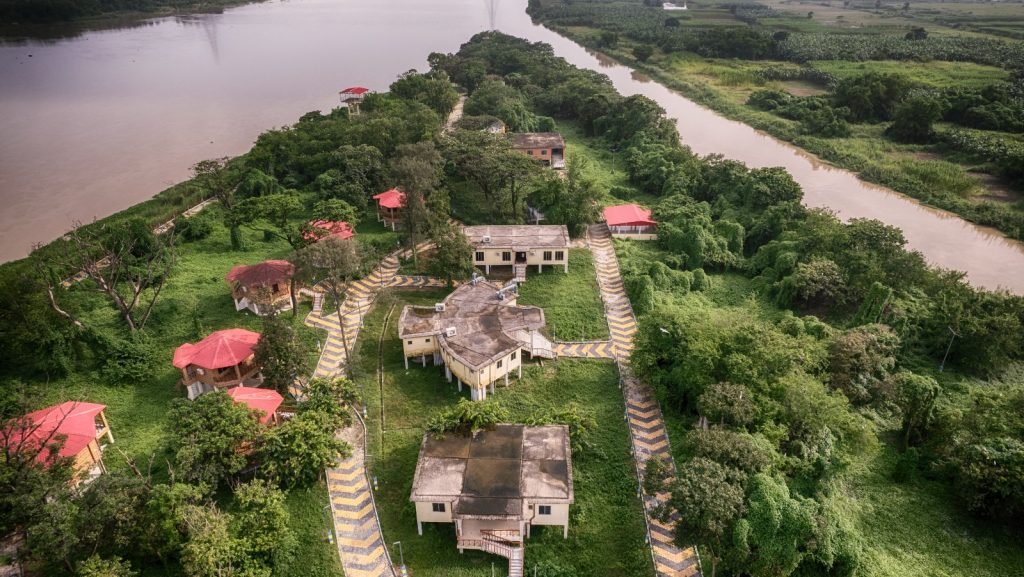
Sometimes known as Sabuj Deep, Swabuj Dweep is a laid-back retreat peppered across the Hooghly district in West Bengal. It serves as a refreshing distance from the madness of city life. Located in the meeting of the Behula and Hooghly rivers, this green island gives respite to nature lovers and quiet seekers.
Swabuj Dweep is an island of approximately 180 bighas enclosed by dense forest of different tree species such as pine, palm, eucalyptus., teak and The island, full of birds, is a fantastic tongue for bird watchers especially during migratory seasons.
- Timings: It can still be accessed daily at 8:00 AM in the morning through to 6:00 PM in the evenings.
- Entry Fees: There is a small fee for boat tours and reservations at designated picnic spots.Best Time to visit: October to March when the weather is pleasant and the island’s wildlife and vegetation appears at their most active.
2.Baba Taraknath Temple
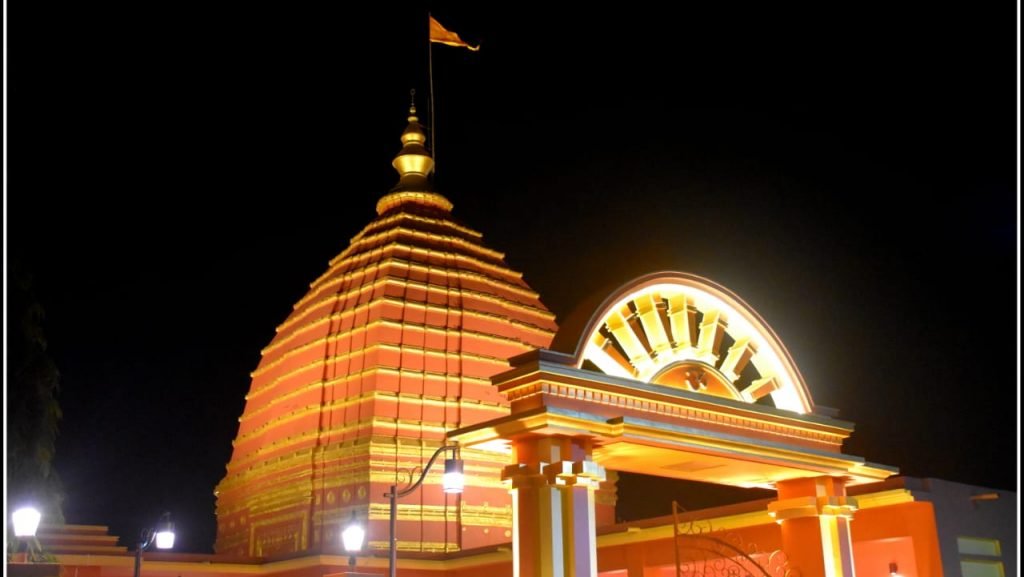
Located at the heart of Tarakeswar, the town in West Bengal’s Hooghly district, the Baba Taraknath Temple feeds the souls of worshipers with love and tranquility. Concentrated on Lord Shiva who is worshipped in this shrine as Tarakanatha, this shrine serves as a respected pilgrimage shrine that attracts masses of devotees from all over India.
Historical Significance
The temple was constructed in the year 1729 AD by Raja Bharamalla Rao and this represented the beginning. A self manifested linga was situated in the sanctum, which was considered as having materialized after a holy vision was beheld by an Orthodox santo. Particularly, the presence of this sacred linga serves as the soul of the temple – it is inspiring constant stream of devotees, who seek spiritual fulfilment, blessings.
Spiritual Significance and Legends
Lord Taraknath is one of those severe (Ugra) forms of Lord Shiva, and the story of its Avatar includes his sacrifice by drinking poison during the cosmic battle of Samudra Manthan. According to legends, the temple is also used to connect with the Bhagwati Tara.
Timings: The temple is open everyday from 5:00 AM to 1:00 PM and then 4:00 PM to 7:00 PM.
Dress Code: Devotees of the male gender are expected to take out their shirts and vests before entering to demonstrate respect.
Entry Fee: The temple is accessible for free entry.
3.Mahesh Jagannath Temple
An outstanding example of the historical neighborhood of Mahesh in Serampore’s Hooghly district, the Rathayatra of Mahesh represents the deep spiritual history of Bengal as a whole. Older even than 1396 CE, the Rathayatra of Mahesh is not the oldest festival in Bengal, but the second oldest in the entire world, right after the legendary Rath Y.
The pious sage Drubananda Brahmachari form the festival’s origin is adjacent to the pious work of Drubananda Brahmachari who, after being refused the opportunity to deliver ‘bhog’ (food offerings) for Lord Jagannath in Puri, was spiritually directed to erect Upon getting the neem log from the Bhagirathi river Drubananda Brahmachari carved the idols of Jagannath, Balarama and Subhadra which made the beginning of the Rathayatra in Mahesh.
The official beginning of the festival is with the Snanayatra when the deities are ritually bathed with milk and water drawn from the Ganges. The ceremony proceeds to the Angaraga ritual – the Holy Paintings – where over the three days the deities are re-coated with traditional herbal pigments in a rather intricate way. On the day of Rathayatra the deities are graced on a grand chariot and we have a neelkantha bird set free from the tallest shikhara. When the bird fly, it is an indication of booting of procession. People gather to pull the chariots and accompany the deities on their way from the main temple to Gundicha Bari (Masir Bari) and reunite for the
- Location: The complex of the said temple lies in Mahesh in Serampore, Hooghly District, West Bengal, India.
- Best Time to Visit: Rathayatra taking place typically in June or July coincides with the Puri Rath Yatra.
4.ahiri Baba Ashram

Adharalay is a unique temple if we speak about architecture and environment; Adharalay is located on the outskirts of Kolkata, near any person who wants to come visited-build on the principles of Yogiraj Shyamacharan Lahiri and is famous under the name “Lahiri Baba Ashram
This huge ashram is eco friendly and richly decorated with greenery and is for all, with no caste, creed or religion-barrier, entry is free. There is no entry fee.
Apart from the major temple in the ashram there are numerous other temples. Narayan, Jagaddhatri, Loknath, Kali and Sriram are also temples in this ashram. The ashram also has separate spaces for Christians and the Muslims, which are treated equally.
Started in 2003. Currently, the ashram is distinguished by phenomenal architectural and aesthetic qualities. Crossing the vast gates of the ashram and coming to the main temple, the campus is covered in thousands of old mango trees and varied, well kept flower gardens alongside each other.
The availability of the main temple is amazing in itself. Because the temple is situated in the highest parts of the reservoir, it looks grandly. A dramatic gopuram is the entrance to the temple. While walking through the water-bound atrium through the gopuram, exploring different deities going up the stair <
Tourists are amazed by the temple’s astonishing use of elements of both the Rajasthani and South Indian temple architecture. As the full moon is issuing, the white temple acquires the form of Kailash. The temple itself is based on the human body, which may very well suggest a subtle yoga philosophy.
- Temple Opening Hours: Morning hours are 10AM to 12PM and afternoon access is 4PM to 6PM.
5.Kamarpukur Ramkrishna Math &Mission

With peaceful scenes of West Bengal’s Hooghly district surrounding The Ramakrishna Math & Mission in Kamarpukur remains a house of spiritual inspiration that is not refused by all who search for enlightenment from all around the world.
Historical Significance
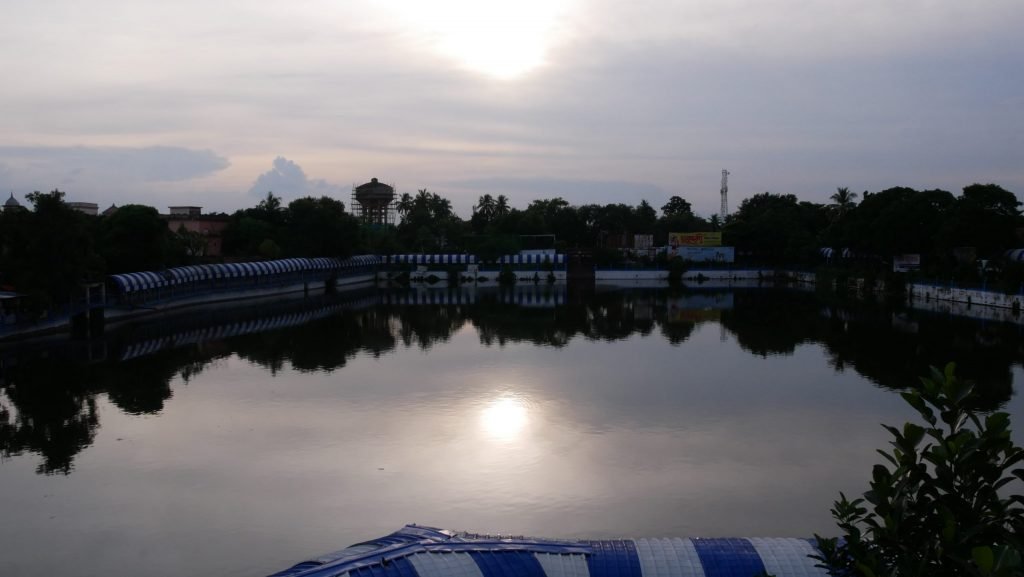
Born and growing up in the serene surroundings of Kamarpukur, with a sprinkling of greenery, Sri Ramakrishna was brought up. Its existing temples, ponds and traditional Bengali immigrant homes offer a glimpse of the cultural life of rural Bengal in the 19th century.
Daily, the Math and mission worship, conduct religious studies, and celebrate people’s birth and events in respect to significant spiritual Icons. The serenity of the ashram is a perfect environment for meditations as well as meditative thought for spirituality.
Related articles : Top 10 Best Places to Visit in Darjeeling – Hills, Tea Gardens & Heritage






Pingback: Best Places to Visit in Howrah – Howrah Bridge, Belur Math & Botanic Garden