

Now Reading: Top 5 Best Places to Visit in Lạng Sơn – Caves, Temples & Border Landscapes
-
01
Top 5 Best Places to Visit in Lạng Sơn – Caves, Temples & Border Landscapes

Top 5 Best Places to Visit in Lạng Sơn – Caves, Temples & Border Landscapes
1.Bac Son Valley
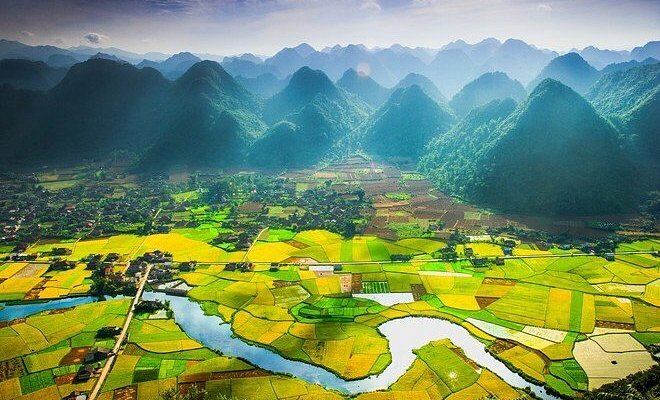
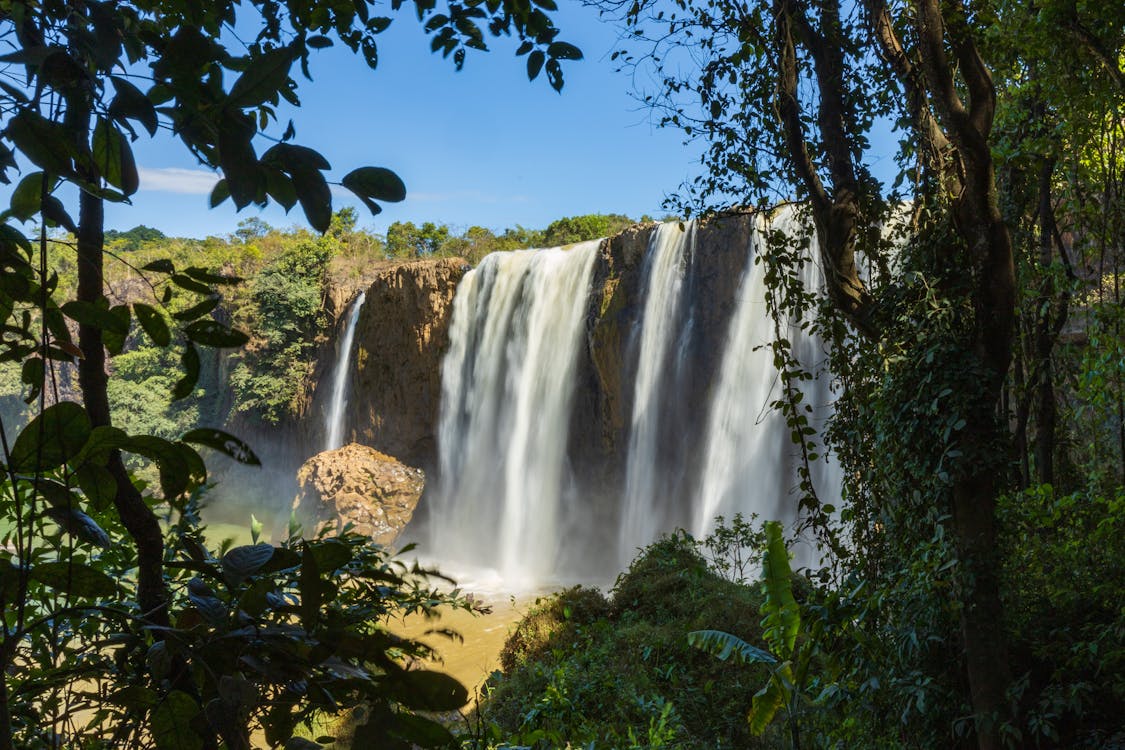
Resting peacefully in northern Vietnam’s mountains, Bắc Sơn’s beautiful green rice fields, meandering rivers and towering limestone is simply breathtaking. Because of its beautiful views from heights like Nà Lay Mountain, the valley is loved by nature enthusiasts, photographers and those who want a quiet and genuine experience in the countryside.
The special thing about Bắc Sơn is how the seasons combine: rice grows yellow in summer, grass is lush in spring and there’s always mist in the morning. Your trip could consist of:
- Trekking early in the morning to watch the sunrise from Nà Lay
- Visiting calm villages where Tay people live
- Spending time with locals who have great hospitality
- Spending time with traditional farming practices and people in the countryside
- Strolling or sailing along the Bắc Sơn River as it twists inside the valley
Importance and Background
Bắc Sơn was a center of the revolution in Vietnam’s early years and is important in Vietnamese history. Here, in 1940, the Bắc Sơn Uprising started, offering early resistance to the French colonial government. Farmers and members of ethnic minorities started the uprising which early on influenced widespread revolts in other parts of the country.
Because of its part in Vietnam’s struggle against colonization, Bắc Sơn is now full of monuments and museums that honor the resistance fighters and what the place means for Vietnam.
Most of the people in the valley are from the Tày ethnic minority, one of the biggest in Vietnam. Traditional dwellings, weaving by hand and celebrations bring more heritage to live beside the nature found here. Getting to the valley gives you a chance to experience the customs that people pass on from generation to generation, mainly during harvests or festivals.
There are some good reasons to go and see Bắc Sơn Valley.
- Spectacular aerial shots that include rice paddies, rivers and mountains
- An option to avoid the crowds at popular tourist areas
- Strong association with Vietnam’s history of revolution
- Glimpses into Tày culture and ways of rural living
- Photos taken at the summit that look like a dream during sunrise and sunset
- Most visible beauty during the planting period from May to July and the harvest times of September to October
- Lạng Sơn Province, in northeastern Vietnam
- 🕒 Don’t worry about staying for too many days since you can see the city in 1–2 days.
2.Tam Thanh Grotto
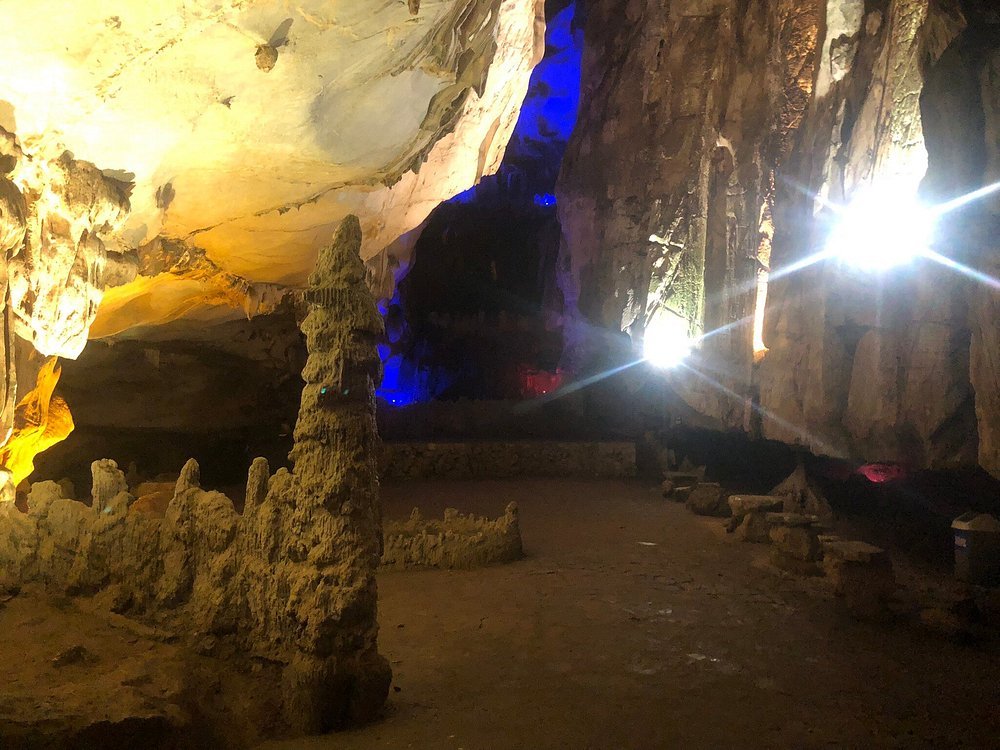
Covered by a free-standing wall of limestone, the compact Tam Thanh Grotto is best known for being full of culture, spirituality and charm. Tam Thanh can be reached by taking a short walk up the staircase unlike the big, far away caves found in Vietnam. Upon entering, the cave reveals an ancient temple illuminated by light coming from inside and this temple is ornamented with Buddhist statues, incense and altars.
The grotto is special because it is calm, has a spiritual feeling and natural beauty comes from the stalactites overhead that echo when a bat calls. Be aware that the ceilings are quite low in some spots and you might spot droppings left by bats, too.
Reasons for Being and What It Does
Tam Thanh Grotto has long been important for its spiritual and historical value. From the Le Dynasty (the 15th century), the cave temple came to be used for Buddhist worship and has inspired local pilgrimages ever since. In the passage of time, it turned into a place where religious thoughts and the beauty of nature met—a place for prayer or meditation close to nature.
At the center of the grotto is a statue of Amitabha Buddha and many local worshippers often place offerings on the surrounding altars, mainly during Lunar New Year and full moon time. Over the years, the temple has provided religious services and helped save cultural traditions in an area speeding up with modern development.
The cave is noteworthy for having a stone tablet written in both Chinese and Nom which tells us about its rich past and the region’s long tradition of literature and religion.
- Positioned in: Tam Thanh Ward, Lang Son City, Lang Son Province, in the north of Vietnam
- Suggested time to spend: 30–60 minutes
3.Nhi Thanh grotto
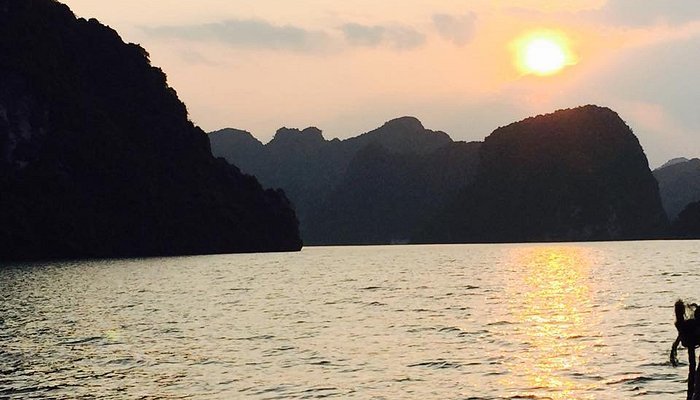
In the Lang Son area of Vietnam, Nhi Thanh Grotto is a small but richly valued cave which fuses rocky features with architectural design and calligraphy. Since it is not a large building, the grotto is visited by tourists seeking a calm oasis, only a short walk from the busy city center.
Inside, diffused light from the openings comes in and lights up the limestone stalactites as well as a little Buddhist altar. The typical tourist spends only a short time inside, often making photos and stopping for just a short walk around, so it works well as a companion to Tam Thanh Grotto. Most visitors visit, look around and appreciate how the sculptures mix stone, spiritual elements and poetry.
History and Importance
Its special nature comes from its rich literary and historical background, not from the fact that it is small. It was Ngo Thi Si, a mandarin and scholar from the Le–Trinh dynasty in the 18th century, who discovered and gave the name to the grotto. He managed Lang Son and created in the cave a venue for art and self-reflection.
Not only does the grotto house a lot of ancient verses and writings etched into the rock, but several were also written by Ngo Thi Si and later learners. Nhi Thanh encapsulates the beauty of nature, teaches about change, duty and inner peace which makes it resemble a living stone scroll.
Scholars, poets and those seeking spiritual retreat gathered here, helping Lang Son take an important place in Vietnam’s cultural history.
🧭 What Are the Reasons to Visit Nhi Thanh Grotto?
- Study the memorable hand-made writings and engraved poems found in stone.
- Experience a peaceful natural cave right within the city.
- An easy way to appreciate spiritual places with little walking.
- Easily combined with a visit to Tam Thanh Grotto close by
- Investigate an obscure part of the history of Vietnamese learning
- City: Lang Son City, Province: Lang Son, Vietnam
- Experiencing this place takes between 30 and 60 minutes.
4.Lang Son Expeditions

Lan Ty Lake is sheltered in a secret place amid Lang Son’s mountains. It remains pristine, tranquil and untouched by development. Due to its remote location, this area gives true explorers the chance to leave normal life and plunge into woods, grassland and mirror-like lakes above.
You will usually stay one night in the forest camping and another sharing time with a host family from the village. The shores are empty, without businesses and music comes only from nature—the coordinated buzzing of insects, heat from a crackling fire and peaceful waters.
Lan Ty Lake appeals to nature lovers, photographers and hikers, as it allows them to see Vietnam’s basic, unpolluted side, with the satisfaction of reaching an exciting summit.
History and how Important it is
- Language Province recognizes Lan Ty Lake as important both to the environment and its cultural heritage, even though there is no large temple there.
- The people living in the area near Lan Ty Lake are the Tay and Nung, whose ancestors have long lived peacefully with the forest and farmed, used medicinal plants and carried out spiritual rituals that honor nature. The special feng shui features of the lake, with water inside and mountains around, give it a reputation for being a peaceful and clean place powered by spirituality.
- While few people outside Asia may know about Lan Ty, it is fast developing as a place for people interested in ecotourism and trekking that helps preserve nature and support local villagers without changing their lifestyle.
- During a period when over-tourism puts nature at risk, Lan Ty Lake is an example of how to travel with a light footprint.
What Made Us Want to See Lan Ty Lake?
Take a journey touring forests, meadows and mountains for a few days.
Rest by a brilliant emerald lake and see the beautiful sunrise.
Spend the night at a homestay in a village among ethnic minority people.
Find wild herbs, medicinal plants and native birds in nature.
Experience how even nature is calmer in places not influenced by too much change or tourism
- The lake is part of Lan Ty Lake in the province of Lang Son, in Northeastern Vietnam.
- Take at least 2 days and 2 nights to experience Sri Lanka.
5.Vietnam CBT
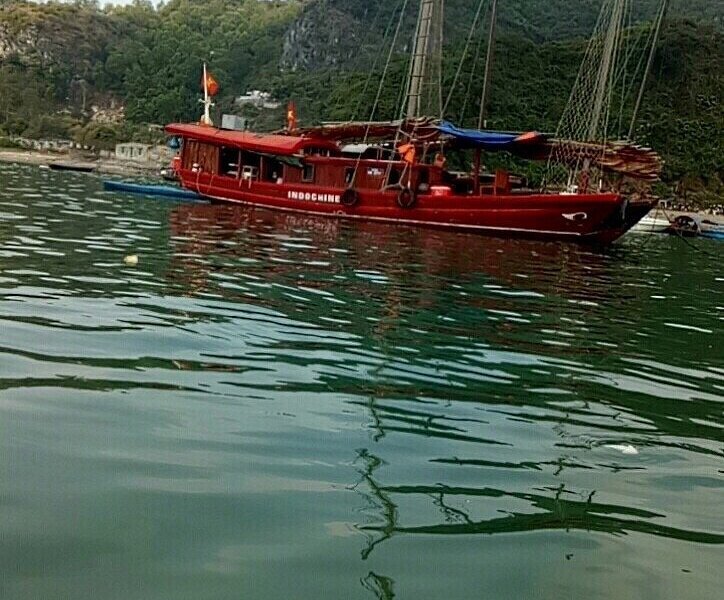
Very close to Hanoi’s center is the peaceful Dong Ngac Ancient Village which preserves many historical and cultural treasures. Travelers who want a genuine Vietnamese village experience can come to Dong Ngac with the Community-Based Tourism (CBT) scheme.
Travelers can choose between half-day and full-day visits to experience walking the old roads, checking out well-maintained houses from old generations, sampling food locals make and being involved in farm or traditional games. Stories handed down by community members ensure that guests get a rare glimpse into the culture of Vietnam, alive on the outskirts of Hanoi.
Importance and Relevance
This is not just a typical old village—Dong Ngac is one of the few in Hanoi that keeps its old customs and beautiful, old buildings. For four hundred years Dong Ngac was known as Ke Ve and in those times it was full of mandarins, Confucian scholars and aristocrats from the Le and Nguyen dynasties.
The history of the village can be seen in its big community houses, religious temples and old cobbled paths. Especially in the Do and Nguyen families, traditions, sacred practices and unique features such as old beams, wooden altars and old pottery have been maintained and preserved.
The CBT project began to maintain the traditions of Dong Ngac and give the locals a self-sustaining source of work. To keep the core of the village, the community and the local area, the model avoids large-scale tourism changes.
What Makes Dong Ngac CBT Worth Visiting?
- Visit old traditional houses filled with ancient relics.
- Try to take part in everyday hobbies such as gardening, cooking or making incense
- Taste a dinner prepared by the host family in the village.
- Go to the village market and talk to the vendors who are there.
- Look into Vietnamese family structures and how they practice ancestor worship.
- Get involved in folk games, try listening to traditional songs or join a calligraphy class
- The sanctuary is found in Dong Ngac Village, Bac Tu Liem District, Hanoi, Vietnam
- Each visit to these places is best completed as either a half-day or a full-day tour.
Related articles : Top 10 Best Places to Visit in Lào Cai – Sapa, Fansipan, Waterfalls & Ethnic Villages






Pingback: Best Places to Visit in Lam Dong – Explore Waterfalls, Forests & Da Lat Charm