

Now Reading: Top 10 Best Places to Visit in Lào Cai – Sapa, Fansipan, Waterfalls & Ethnic Villages
-
01
Top 10 Best Places to Visit in Lào Cai – Sapa, Fansipan, Waterfalls & Ethnic Villages

Top 10 Best Places to Visit in Lào Cai – Sapa, Fansipan, Waterfalls & Ethnic Villages
1.Mong Village – Alpine Coaster Sapa
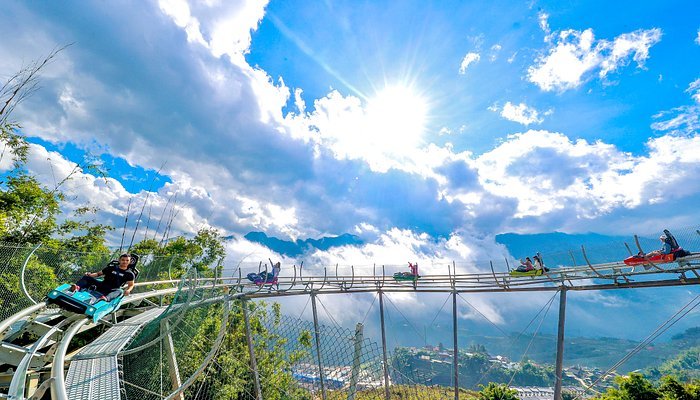
Mong Village – Alpine Coaster gives visitors in Sapa a new way to enjoy the amazing mountain views. Being the first and longest alpine coaster in Sapa, this fun-filled ride spans 1,095 meters, including 825 meters of going downhill and 250 meters of going back uphill, offering fun, safety and beautiful views.
Up to 40 km/h, riders can control their descent safely, thanks to state-of-the-art braking and sensors on the smooth track, while exploring Sapa’s wonderful forests and terraced fields.
The place is an excellent destination for families, people looking for adventure and travelers who want to see the Northwest Vietnamese mountains in a different way.
Importance and Events
- Mong Village – Alpine Coaster is a recent change in Sapa’s tourism, showing more for the area than just hiking and cultural attractions. The alpine coaster is from Wiegand, a big German producer famous worldwide and was set up by Sapa to diversify its attractions and entice tourists to visit even in cooler seasons.
- In Sapa, many ethnic minority groups like the H’mong, Dao, Tay and Giay have lived for a long time, attracting tourists because of their unique cultures and traditions. Not only does the alpine coaster boost adventure tourism in the area, but it also increases the number of tourists going to Mong Village and its surroundings which benefits local residents.
- The use of technology in the coaster helps people from all ages to discover Sapa’s scenery in a way that is both fun and close to nature.
Want to find out why you should go to Mong Village – Alpine Coaster?
- Get thrilled by riding the longest alpine coaster situated in Sapa.
- Look over impressive views of farming terraces, forests and majestic mountains.
- Accessible for anyone because of sophisticated controlling technology
- Make sure to take in the cultural visits to Mong Village and close-by ethnic communities.
- Think of other activities to add variety to your visit in Sapa.
🕒 Visiting here can take you 1-2 hours.
2.Moana Sapa
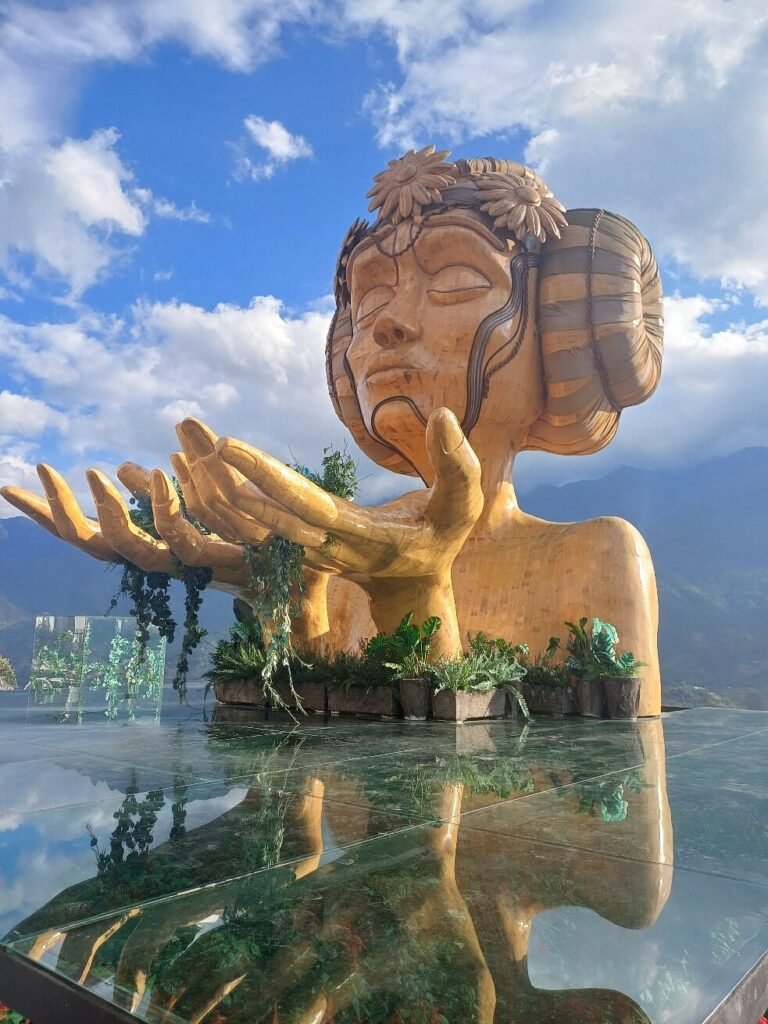
Moana Sapa is a cosy place very near the KK Sapa Hotel and can be easily reached from Sapa’s main town and train station. Being close by, it offers travelers a good chance to soak up Sapa’s charms without spending lots of time and energy.
After exploring the nearby mountains, you can come here to chill, walk around the area or taste the local food and meet welcoming strangers.
What is History and Significance?
Although Moana Sapa is a recent addition and lacks long history, its importance is in giving visitors access to real Sapa experiences. Since it is situated close to main transport hubs, locals and foreigners find it easy to visit this area and sit back with a strong cup of coffee.
Moana Sapa’s surroundings show how fast Sapa became a famous tourist spot in Northwest Vietnam. It meets the needs of more visitors each year but still ensures the region keeps its peace and values the ethnic diversity of groups such as the H’mong, the Dao and the Tay.
Moana Sapa adds value to the local tourism effort by supplying comfortable places to stay, easy distance to tourist attractions and a friendly setting for people to explore Sapa.
- The hotel is situated in Sapa, close to the town center and Sapa Station which can be reached on foot from the hotel.
- 🕒 Good Length to Visit: Time can range from a few minutes to a few hours
3.Sin Cheng Market
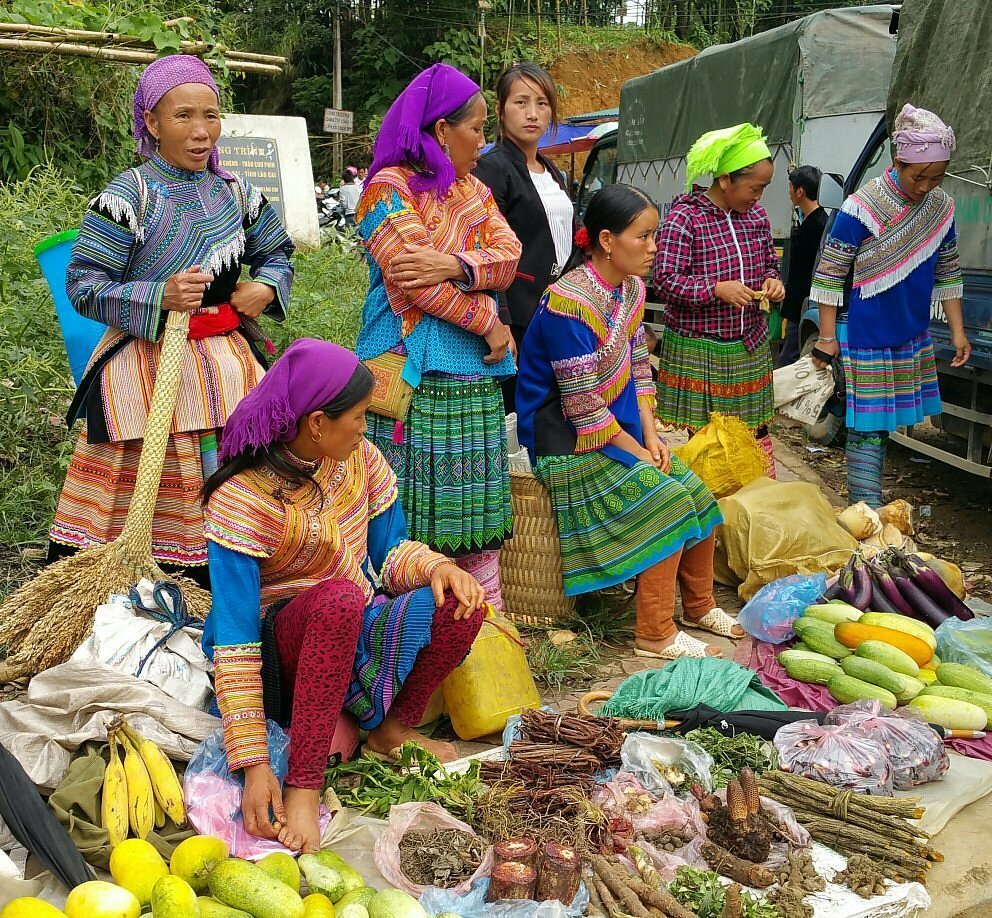
Sin Cheng Market happens every Wednesday and is a true ethnic market, letting people see the customs and daily life of the Hmong and other nearby communities.
Though Sin Cheng Market is not as big as Bac Ha Market, it is still lively and allows traders to experience century-old customs. The women and girls from the Flower Hmong tribe put on beautiful traditional outfits which make the whole celebration seem alive with color and vibrance.
Although visitors can shop for poultry, pigs and local vegetables like anywhere else, Sin Cheng Memorial Market is special for the sizable area where water buffalo, required in much of rural farming, are traded.
The route to Sin Cheng Market highlights the district’s beautiful views, so the journey itself is a highlight of visiting the market.
Significance and History
- Sin Cheng and similar markets have been key parts of community and business life for northern Vietnam’s ethnic minorities for a long time. These gatherings allow people to swap goods and also to connect, share news, celebrate who they are and strengthen their friendships.
- Those costumes on offer at Sin Cheng Market have been made for many generations and show the Hmong women’s rich cultural heritage in Vietnam. Agriculture and raising livestock, mainly water buffalo, are very important for maintaining the rural economy.
- Sin Cheng Market is very important in keeping these traditions alive as many tourists and new businesses enter the area. While Bac Ha Market is more commercial, people find Sin Cheng to be quieter and more authentic.
- Tourists usually go to Sin Cheng using organized tours or with private cars which supports local people working in the industry.
- location: Sin Cheng, found 35 kilometers northwest of Bac Ha, in Lao Cai Province
- 🕚 Recommended time to spend: At least 3 hours (open just on Wednesday mornings)
4.Cao Son Market
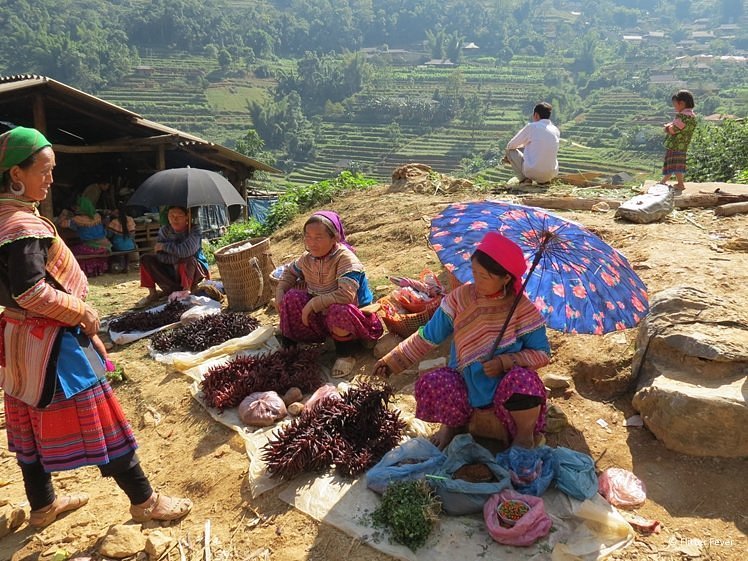
In the hills of Lao Cai, Cao Son Market is a modest ethnic market that attracts only those who travel to see it. Making your way from Sapa to Fansipan takes about 3 hours, with some rough mountain roads to pass, but it is completely worth the trip.
The local market in Cao Son is less famous than others, but it lets visitors see firsthand how ethnic minority groups come together often to trade, interact and share their traditions. The event of market day brings plenty of lively locals wearing colorful and traditional Hmong, Dao and Tay garments.
Seeing people barter with things such as farm produce, animals, textiles and household items is a wonderful sight, especially when set against forested mountains and flowing rivers. When the weather is clear, the views from the trail are very impressive. On days with clouds, the enjoyable atmosphere of the market and surrounding people remains with you.
History and Relationship
For many generations, people from the hill tribes have come together on Sundays at Cao Son Market to sell goods, get updates and exchange news. For many years, these markets have worked as places for economic trade and for cultural exchange.
The place is mostly cut off from the outside world which has helped maintain its traditional charm. Cao Son hasn’t become a tourist stop like others in Central Vietnam, so it keeps its true, untouched feeling. Simply looking at ethnic outfits can tell you about the culture of the region since every piece displays tribal meaning.
In places where main jobs are farming, raising animals and craftsmanship, the market sustains the highland people’s way of life. It also supports friendships between communities living in different, hard-to-reach places.
What’s the Benefit of a Visit to Cao Son Market?
See the local culture and clothes worn by the ethnic minorities directly
Notice how livestock, textiles, food and tools are sometimes traded through lively bargaining at the market.
There are less people and you can experience local culture more directly at these markets.
Get away from the city and find beautiful, less traveled mountain scenery.
Be supportive of tourism that helps protect nature in little known destinations.
- 📍 The place is found in Cao Son Commune, Muong Khuong District, Lao Cai Province
- Suggested Visit Time: From half a day to one full day (held on Wednesdays each week)
5.Y Ty Village
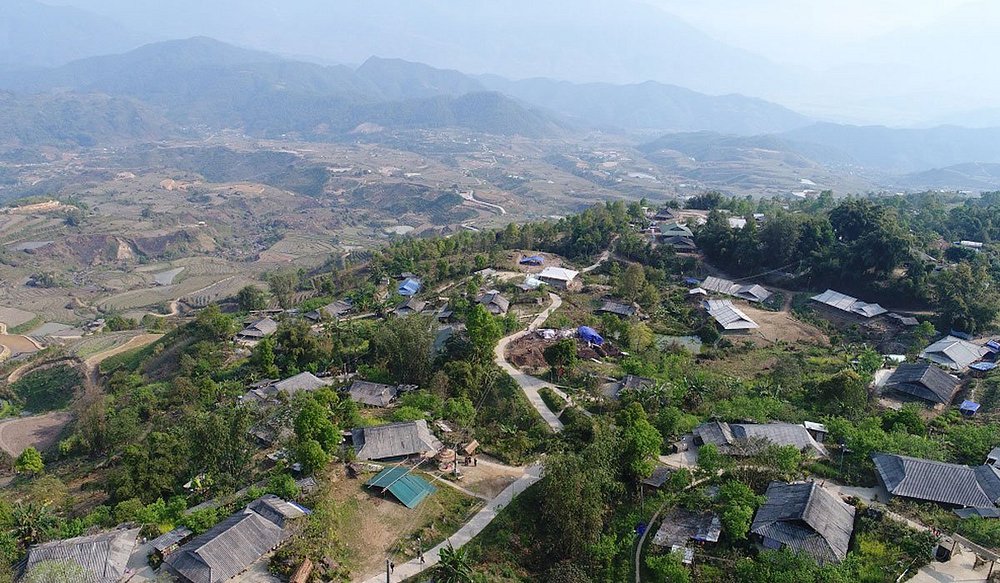
You can find the impeccably serene Y Tý Village in the north of Vietnam at an over 2,000 meter altitude close to the Chinese border. This remote village is distinguished by its cloudy surroundings, rice fields and unique culture of ethnic minorities, letting you enjoy peace away from busier travel spots.
A lot of people who travel to Y Tý are drawn to how peaceful it feels. Often, weekends include discovering karaoke parties or conventional celebrations, providing a fun, quick look at how the people enjoy their daily lives.
One of the main reasons the area is famous is its morning “cloud hunting” and the golden glow of the rice fields as fog whimsically hangs from the terraces during harvest. Even though reaching Y Tý is not easy because the roads are rough, it offers genuine cultural encounters and wonderful views.
Significance and Exploration
- Most of the people living in Y Tý are members of the Hà Nhì ethnic group, a minority group not well known in Vietnam. For a very long time, the Hà Nhì have worked hard and skillfully to farm the land in this area. The shape of their dwellings (called “trình tường”) is like a mushroom and they are built this way to house warmth throughout the winter months.
- At one point, the village and its area had strategic and cultural importance being placed so near the Chinese border. With time, Y Tý played a big role in keeping the local languages, styles of clothing and rituals alive which have lessened in other areas nearby.
- For generations, the terraced rice fields of Y Tý have stood out for being useful and beautiful; farmers built them over the hillsides and the community played a big part in their creation. The way ethnic minorities live together with nature over generations is clearly visible in the village.
- These days, Y Tý is becoming well-known for eco-cultural tourism which draws people who are looking for true experiences, contact with nature and preservation of culture.
- The mountain is in Bat Xat District, in the Lao Cai Province of Northwest Vietnam.
- A visit to Palma lasts from half a day to a whole day and it is best enjoyed as an overnight trip.
6.Den Mau
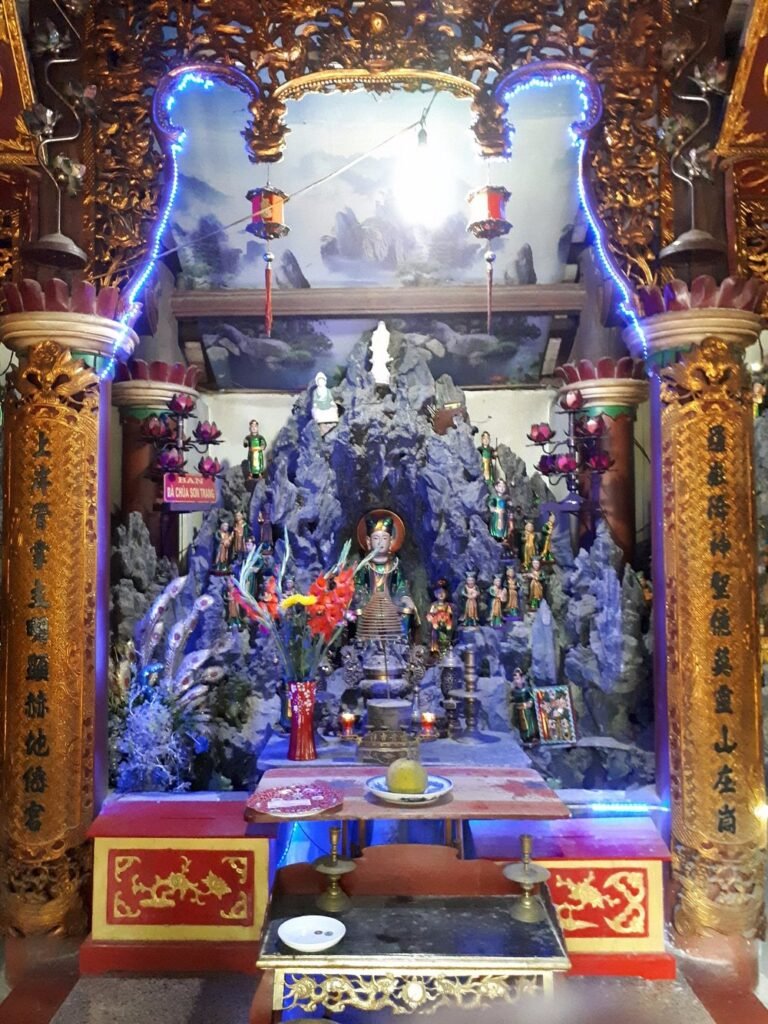
Next to the Red River in Lao Cai City is Đền Mẫu (Mother Temple), a spiritual place filled with cultural treasures and beautiful scenery. Because of the breeze and cool mountain air, time is slowed here and everything is calm and quiet.
There is an incredible view at the temple, standing before the China–Vietnam border gate that creates a feeling of being at the boundary between nations, history and the spiritual world. You can visit for a quick break or wander by the water at the temple and either way it is a rewarding experience.
- History and Importance
The Temple of Literature is a place devoted to the Mother Goddesses, whose worship is included in the Đạo Mẫu religion. The temple here is exclusively for Mẫu Thượng Ngàn (Mother of the Forest) as she is one of the key deities in the belief system of the Four Palaces.
The temple was founded long ago and has continued to support border communities, providing a place for worship, prayers and keeping their cultural traditions, especially in times of political difficulties. People come as pilgrims to ask for blessings in terms of protection, fertility, health and peace.
Because it is so close to the Hekou border with China, Đền Mẫu has often stood for the protection of Vietnam’s national boundaries. This place is important culturally and emotionally and not only religiously, for people living on the sensitive border.
Over recent years, the traditional features of the temple were restored, allowing a greater number of people, both from Japan and from other countries, to pay a visit. The temple helps keep alive Đạo Mẫu which was official recognized by UNESCO in 2016 as an Intangible Cultural Heritage of Humanity.
- Lao Cai is in Lao Cai City, Lao Cai Province, very close to the China–Vietnam border gate.
- It takes about 30 minutes to 1 hour to see everything at this market.
7.Tibetan House
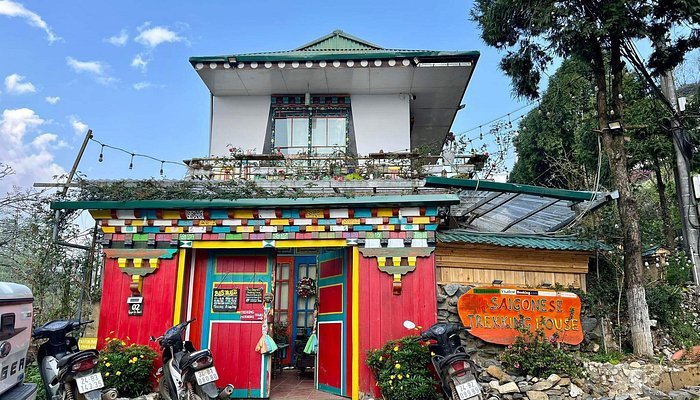
Surrounded by the misty hills and cool air of Northern Vietnam, this place—known as Tibetan House (Nhà Tây Tạng)—fuses the peaceful atmosphere of Tibetan culture with the rural charm found in the Vietnamese uplands. Instead of only being a coffee shop or homestay, it’s a spot for experiencing other cultures, enjoying the outdoors and experiencing beauty itself.
Tibetan herbal teas, seating by the windows for amazing views, as well as prayer flags, wood art, incense and mandala designs are common greetings for visitors. Many individuals go there to relax, write or exchange information or stories with other people from all over.
In several versions of Tibetan House such as in Sapa, you can have vegetarian dishes, listen to spiritual music and relax in spaces for meditation or reading. Some Asian hotels add yoga sessions, talks about different cultures or Buddhist-art to their services.
Origins and Relevance
Although they do not have a long Tibetan history, the cafés and guest houses were developed to show love for Tibetan culture and spirituality. Emerging a few years ago, they are now popular in a trend focusing on slow travel and spiritual experiences in Vietnam’s mountains.
What they stand for is especially prominent in Sapa which is similar to Himalayan areas because it has fog-covered mountains, terraced farms and communities of ethnic minorities who dress up in colorful handmade clothing and follow certain religious customs.
The design of Tibetan Houses supports peace, simplicity and bonding which are important in the culture and traditions of the mountains. They connect the Vietnamese and visitors from other countries, letting them see new cultural ideas in a friendly way.
These houses also sometimes join forces with local artists, ethnic communities or charities which helps build community-based tourism that is sustainable.
The question is why should you visit Tibetan House?
- Get the feel of the Himalayas in the heart of Vietnam’s mountainous region
- Go for herbal teas, vegetarian meals and relaxing sights.
- Become involved with spiritual or cultural elements in a relaxing atmosphere
- Study what makes up Tibetan design, art and culture.
- A good way to get away from crowded tourist areas
- The spas are often found in Sapa or in other towns of the northern highlands (to find out the specific location, visit or contact the establishment).
- Recommended Time Required: About 1–2 hours
8.Mau Temple – Lao Cai

Located by the Red River and close to the Lao Cai International Border Gate, Mẫu Temple (Đền Mẫu) gives visitors a peaceful break from the busy cross-border activities happening around it. This small building is impressive with its perfume from incense, classic design and bright altars piled with fruit, flowers and paper replicas.
Many people from the area and from elsewhere visit Mẫu Temple to pray for peace, protection and success before beginning a trip, a journey or making major life choices.
Being located towards the frontier of geopolitics, it plays a special symbolic and spiritual role as a guardian of the country’s borders and also represents the country’s long history of faith and perseverance.
Importance and Impact
At Mẫu Temple, the low reliefs and sculptures are devoted to the Mother Goddesses, especially Mẫu Thượng Ngàn (Forest Mother) and sometimes Mẫu Liễu Hạnh, very important to Đạo Mẫu. Before organized Buddhism, this religion was important to the people and grew out of Vietnamese local beliefs.
For many years, the temple has been a place where people seek blessing for a safe journey, increased fertility, healing and safety. The site close to the border has made it a significant place where people held ceremonial prayers as they started dangerous journeys for trade or religious pilgrimages.
Although various temples in Vietnam have had changes or rebuilds over the years, the Mẫu Temple honestly reflects the local people’s devotion. Many residents are seen walking to the shrine to burn incense, quietly pray or present offerings, an old custom traveled by many generations.
In 2016, UNESCO gave Đạo Mẫu the status of Intangible Cultural Heritage of Humanity, highlighting the cultural importance of Mẫu Temple.
What Are the Reasons to Visit Mẫu Temple in Lao Cai?
- Witness real, living examples of spiritual culture.
- Visit a special temple that ties Vietnam’s traditions to the borders of the country
- Notice what people do and what they give during lunar holidays.
- Look out at the peaceful sight of the Red River and Chinese-Vietnamese border while you’re here.
- Find out about Đạo Mẫu, the homegrown Mother Goddess tradition in Vietnam
- Lao Cai City, in Lao Cai Province – very close to the Vietnam–China border
- 🕒 It’s best to spend 30 minutes to 1 hour at this place
9.Bach Moc Luong Tu
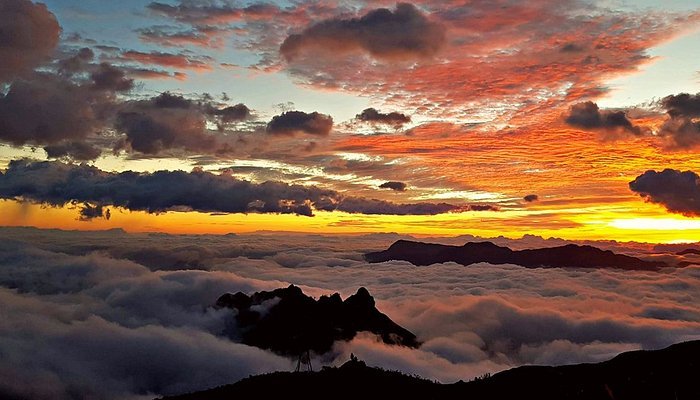
In addition to its name Bạch Mộc Lương Tử, it is better known as Ky Quan San and considered by many to be one of the finest spots for trekking in Vietnam. At an altitude of 3,046 meters, it ranks fourth in Vietnam and gives adventurers the chance to trek on rugged highlands, see mysterious cloud valleys and delight in surfing the trees in majestic forests.
Starting in Lao Cai and descending through Lai Chau on a 3D2N journey means you can see the beautiful landscapes of the mountains and the lush forests together.
The following are some of the key points:
- Muoi Hill: A favorite place for camping at the top to watch the sunset, sunrise and gaze at the stars above the clouds
- The amazing “sea of clouds” which is often seen as one of Vietnam’s most beautiful sights
- A challenging adventure that takes you through pure nature, giving you silence, loneliness and a chance to think deeply.
History and the Meaning
Bạch Mộc Lương Tử is special to ethnic minorities living near it, especially the H’mong and Dao peoples, since it is both a focus of religious and cultural life. For many centuries, the sacred character and distance from other places were appreciated in addition to the mountain’s height.
In ancient folktales, “Bạch Mộc Lương Tử” means white wood and high peaks which often stand for a pure heart, great strength and the point where the sky meets the ground. The locals link the clouds and mist to mystical beliefs; they believe that meeting the mountain brings people closer to the spiritual world.
Modern backpackers make their way to Bạch Mộc Lương Tử, but we should keep in mind that the trail goes through local villages, rice terraces and shrines which continue to be used and valued by people in the area. So, going on this journey keeps you busy physically and culturally.
It used to be seen as difficult to get to, but now easier markers, more tour efforts and guided tours have made accessing this peak possible without harming its special characteristics.
- 📍 It is located at the shared border between Lao Cai and Lai Chau Provinces
- A travel time of 3 days 2 nights (3D2N) is recommended.
10.Sapa Weather Trekking Tours
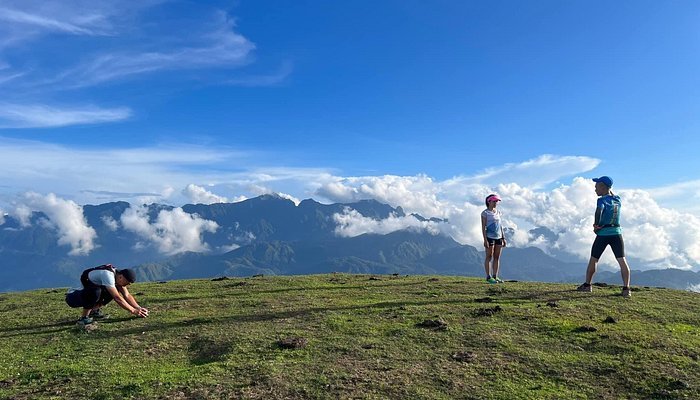
- Located where the emerald rice terraces and misty mountains meet, Sapa is famous for its great trekking adventures and local customs. Both long or short treks in Sapa are affected by the weather and the changing seasons which play a big part in your experience.
- As a result of its cool mountain weather, the region is a cooling retreat all year and each season templets uniquely visitors.
- In spring (from March to May), you can notice the clear air, colorful blooming flowers and young green rice plants.
- During summer (June–August), the area has beautiful terraces but can also get heavy rains.
- In autumn (September–November), the weather is good for hiking and you’ll see golden rice harvests.
- In winter (December–February), the weather is cool, often foggy and every now and then snowy, making everything look gentle and calm.
Uses and the Way It Is Viewed
Looking into Sapa trekking history, you realize it began from sharing in local culture, not just exploring places. For many centuries before travelers, these trails were footpaths that connected villages belonging to the H’mong, Dao, Tay and Giay. Trade, visits among people, farming and religious ceremonies depended on using these paths over the mountain.
From the early 1900s, with the arrival of French colonialism, Sapa rose as a cool-climate hill station preferred by French officers and missionaries. Its fresh air in the mountains and the picturesque terraces attracted them. By the late 20th century, trekking was a main factor in the growth of eco- and cultural tourism in the area because of improved infrastructure.
Nowadays, taking a trekking tour in Sapa helps support local people, is kind to the environment and lets visitors experience rural life up close. They are not only hikes, but also account for shared heritage, strength and living alongside nature.
- Sapa is in the Lao Cai Province of Northern Vietnam.
- Trekking can be done in 1 to 3 days (but might take more time for multi-village routes).
Related articles : Top 10 Best Places to Visit in Long An – Floating Villages, Wetlands & Cultural Gems





Pingback: Best Places to Visit in Lạng Sơn – Discover Caves, Temples & Scenic Mountains