

Now Reading: Top 10 Best Places to Visit in Ninh Thuận – Beaches, Temples & Natural Wonders
-
01
Top 10 Best Places to Visit in Ninh Thuận – Beaches, Temples & Natural Wonders

Top 10 Best Places to Visit in Ninh Thuận – Beaches, Temples & Natural Wonders
1.Po Klong Garai Cham Temple Towers
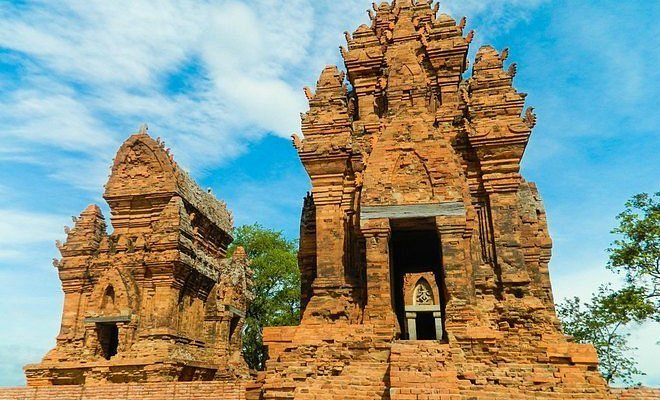
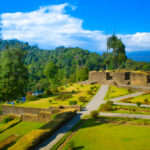
Located on top of a hill above the sunny plains of Ninh Thuận Province, the Po Klong Garai Cham Temple Towers are one of the best and best-preserved examples of Cham design in Vietnam. The land where old temples can still be found, this place highlights Cham culture and also holds on to its old spirituality.
- History and Meaning
- King Jaya Simhavarman III committed the building of the Po Klong Garai Temple complex as a tribute to King Po Klong Garai, a respected Cham king thought to have ruled between 1151 and 1205. For being wise and a great leader, King Po Klong Garai was later seen as a god and the temple was built to honor him.
- The architecture demonstrates the characteristic of Tháp Mắm construction, a style from the later Cham era, with ornamented brickwork and religious symbols from Hindu faith. The complex features:
- Shiva’s Tower (three-tiered): Featuring images of Shiva in complex reliefs, this tower is set aside for him.
- The Gate Tower: Not big in size but adds a significant role as the main entrance.
- According to myths, the Fire Tower was once where they kept ceremonial items.
- You can still find sacred Hindu items like a lingam and yoni in the temple which represent its spiritual beginning.
- Po Klong Garai stands out because it is still a place of worship for people. Cham communities nearby still observe their religious festivals and the Kate Festival is especially celebrated in the tenth month of the lunar calendar. There is music, praying and the offering of food to ancestors at the temple throughout this time.
Best Time of Year
- The best period to visit Po Klong Garai Temple Towers is:
- Between January and August which is the dry season, the conditions are nice and it’s simple to travel to the temple.
- During the Kate Festival (most often in October as per the Cham calendar), visitors can become part of the Cham religious activities.
2.Phan Rang Beach

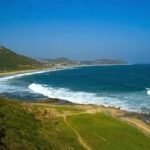
Held along the south-central coast of Vietnam, Phan Rang Beach in Ninh Thuận Province is still a little-known place not much frequented by tourists. Because of its pristine waters, golden beaches and ocean breezes, this part of the coast is calm, lovely and shows what a Vietnamese beach can really offer. It works well for people who yearn for a peaceful break from the noise of the city.
- What is the timeframe and background of the object?
Phan Rang is welcome to tourists for its stunning scenery as well as its historical and traditional background. Saigon and its surroundings used to be called Champa and the Champa Kingdom’s legacy can still be felt at the nearby Po Klong Garai Cham Towers.
Fishing and harvesting salt have, for many years, been important to the village people and a lot of them still remain close to the beach. The village looks even more welcoming and genuine with the traditional coracle boats you notice everywhere.
Phan Rang Beach has not seen much development, leaving it clean and natural which is hard to find along the beaches in Vietnam these days.
- What are the reasons to go to Phan Rang Beach?
- Unspoiled Beauty: A hidden spot where you can find plenty of nature not crowded by tourists.
- Nearby ancient sites include Cham monuments and salt fields.
- Living Like a Local: Enjoy a true taste of life in the slow, relaxed and genuine way of the city.
- Highly Recommended: Wonderful during the dry season because of the light sea air and bright skies.
When Is the Best Time to Go
Phan Rang Beach is most enjoyable from December through May because there is little rain, blue skies and the sea is calm. Particularly in January, as everything cools down, beaches are comfortable and exploring inland can also be nice.
Reduce traveling between September and November since rains may make the sea dangerous and take away outdoor activities.
3.Nam Cuong Sand Dunes
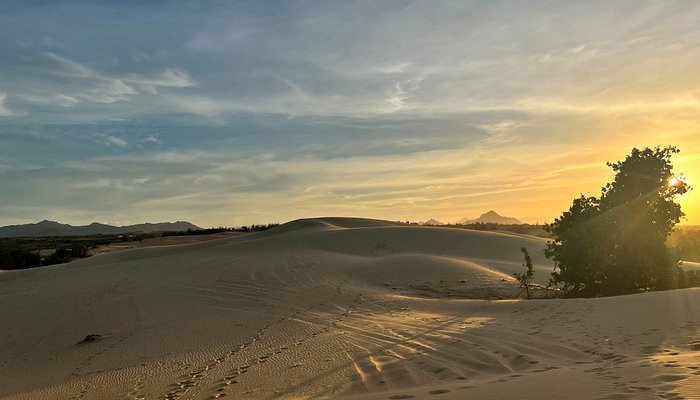
Only 17 kilometers southeast of Phan Rang City is the beautiful yet not well-known Nam Cương Sand Dunes. The hills covered with golden sand remain dramatic and changing because of the wind, sun and years passing. Even though the dunes at Mũi Né attract more attention, Nam Cương is more peaceful, less visited and connected to the culture here.
- History and Importance
In addition to being geological, Nam Cương Sand Dunes are important for local culture. The dunes are found in Tuấn Tú Commune, where the Cham ethnic minority has a long history which you can see in the area’s buildings, traditional garb and way of life.
For many generations, people in this area have been salt farmers, fishermen and herders, living with the patterns of the sand and wind. The Cham people consider the dunes to be just as important as a landmark rather than only something that looks nice.
Currently, Nam Cương is becoming famous as a place for cultural ecotourism but maintains its air of mystery.
- What Are the Reasons to Visit Nam Cương Sand Dunes?
- Away from the usual crowd: A calm spot for nature lovers contrasting with busier dune sections.
- Cham communites make this place rich in culture.
- Great for people who like taking photos, sandboarding and seeing places by jeep.
- Notice the artwork that light, wind and sand form in the desert.
Know the Best Time
Afternoon is the most suitable time to visit because it is not so hot and the shadows and the golden palette from the lowering sun are very beautiful then.
Travelers prefer to see Nam Cương in the dry months, from December to May, since the sky is lovely, the air is clean and the winds create amazing sculptures in the sand. Driving in the rainy season (September through November) is not recommended as it can be difficult and the route is often obscured by poor visibility.
4.Rai Cave

Hiding beside the rough shore of Ninh Thuận Province, on the margins of Nui Chua National Park, is Rai Cave (Hang Rái), a remarkable seascape formed by time, wind and water. Though its name suggests a hidden “cave,” Rai consists of strange rock formations, remnants of reefs and old volcanoes and feels like something out of fantasy.
The history and the importance of them
It may sound like the Otter Lord, but Hang Rái is Vietnamese for Otter Cave — the name comes from when otters (rái cá) used to hide out in the cave. Being in this area, the creatures found shelter and access to renewable water. Though now, otters are not often found here, the name commemorates the area’s rich diversity and wild beginning.
The rocks that make up Rai Cave are massive and thought to be millions of years old, since they were formed when fossilized coral reefs were stacked like natural terraces. Because of how rock and ocean interact, this spot appeals to geologists, photographers and anyone who is interested. As the tide rises, the oceanwater surges over and through the platforms, creating big blowholes and water displays that remind many of a small waterfall descending into the water.
Why do many people visit Rai Cave?
- A natural formation called a fossil reef, sculpted by centuries.
- 🌊 A Dream for Photographers: Ocean waterfalls, bright sunrise and incredible rugged spots.
- 🥾 Starting Place: The park entrance where many hikes in Nui Chua National Park start.
- The name Ecological History comes from the otter residents that once lived here, in a very rich biosphere.
When to Visit
- The best weeks or times to see Rai Cave are:
- From November to May, during the dry season, the skies are very clear and the tides are easier to predict.
- When the sun rises, you get more dramatic scenes and weather is usually a little cooler.
- If you want to watch the waterfall effect, check the tide schedules for a time when the tide is high.
5.Po Klong Garai Temple
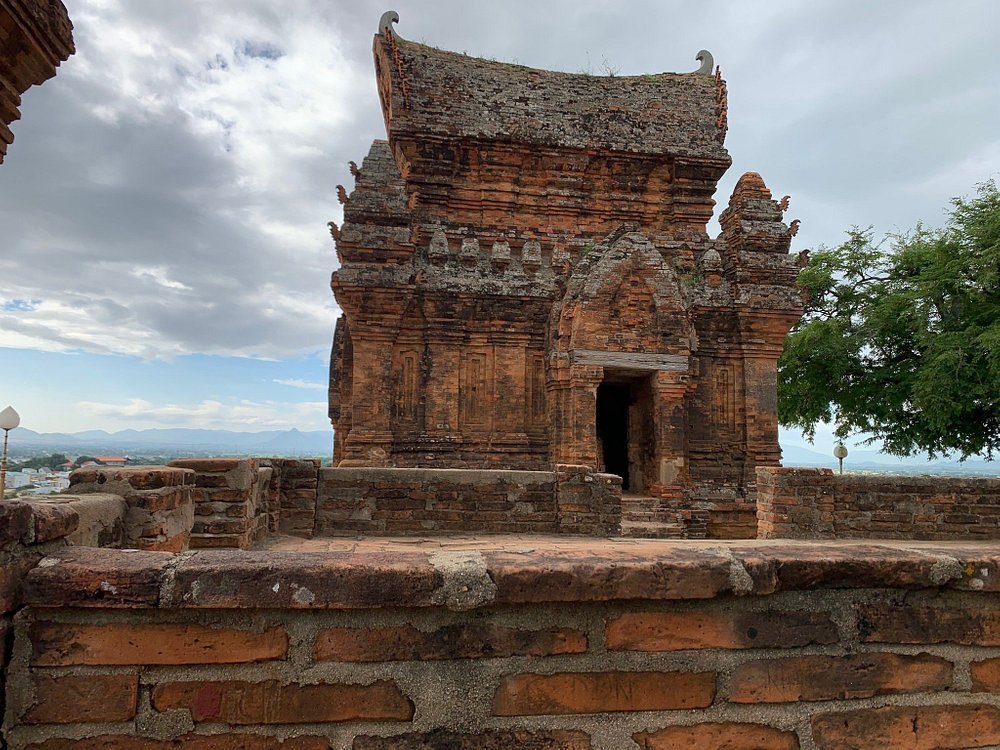
On the top of a hill lit by the sun, the Po Klong Garai Cham Temple Complex shows how well Cham architecture was once preserved in Vietnam. King Po Klong Garai’s resting place is significant for spiritual Cham citizens and also offers outsiders a special glimpse into the past of the ancient Cham people.
History and Importance
At the end of the 13th century, during King Jaya Simhavarman III’s reign, the Po Klong Garai Temple was built to respect the famous Cham King Po Klong Garai (1151–1205), who is well known for his defense of the region and his development of irrigation that supported its agriculture. After he was considered a god, the temple was built in his honor and serves as a monument and a sanctuary.
The design of the tower takes after Tháp Mắm style which is known for its brick walls, carved decorations and straight lines going up. The original temple site included more towers, though today only three main towers are left.
Inside the Main Tower (Kalan) is a shrine dedicated to Shiva and a lingam-yoni as a symbol.
The Gate Tower (Mandapa) – a ceremonial gateway into the monument.
The Fire Tower (Kosagrha) – in ancient days, people employed it for special religious activities.
In spite of facing many weather changes and wars over the years, the towers still hold their beautiful details, showing off the Cham engineers’ and artists’ advanced skills.
Today, this is an important site for worship, especially on the final day of the Kaṭé Festival, when prayers, dances and rituals recognize the spirits of the Cham.
What Are the Reasons to Visit Po Klong Garai Temple?
- 🏛️ Cultural Depth: Cham heritage sites in Vietnam are famous for this particular site.
- Cham festivals draw many to the pagoda which is still a popular spiritual site.
- Excellent use of brickwork and ancient symbols is visible in the Tháp Mắm style.
- 🏞️ Quiet Spot to View Nature: The views here are fantastic and there are not many people around.
When is the Best Time to visit?
- The very best time to visit is:
- The months from December through August are the dry season, during which the weather is sunny and the outdoors shine.
- Kaṭé Festival: Every year, around late September to early October, people witness traditional Cham music, dance and religion in a religious festival.
6.Phuoc bInh National Park
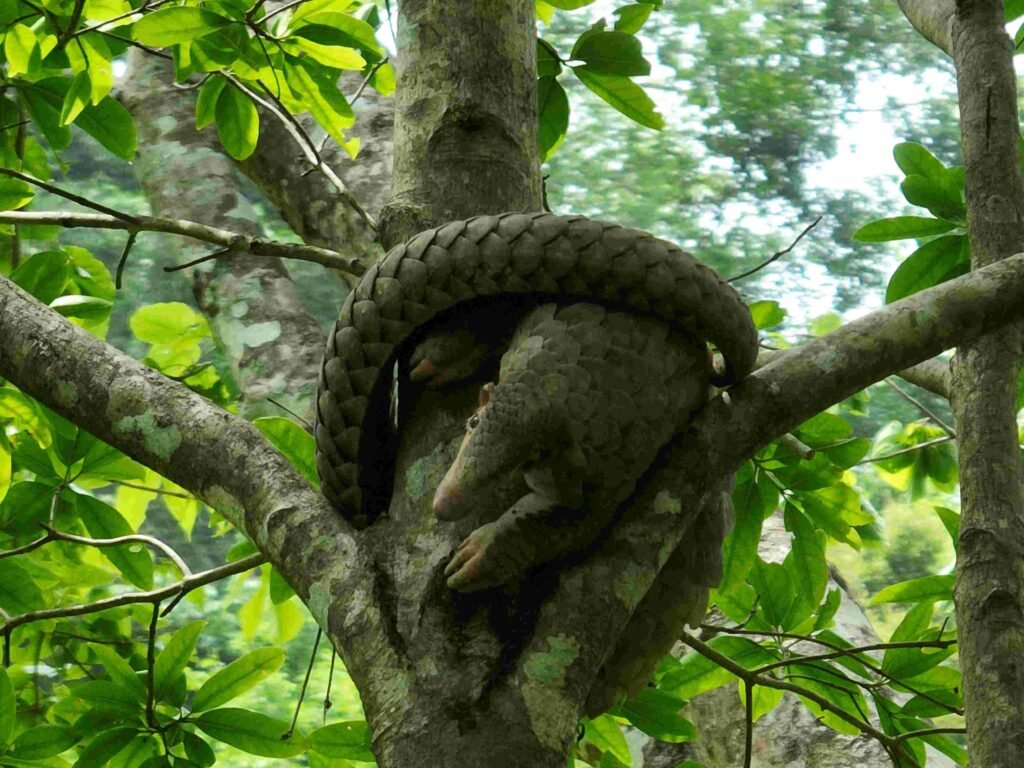
In a remote area of Ninh Thuận Province, Phước Bình is a less popular but significant spot for anybody who enjoys nature, history and exploration. Because it was established as a national park in 2006, Cuc Phuong is one of the newest in Vietnam and includes more than 19,800 hectares of mountains, rich wildlife and vibrant indigenous peoples.
Details on the Making of the Document
Though it was recognized as a national park only in the recent past, Phước Bình has always been important for nature and culture. It is positioned on the border of the Annamite Range which is considered a biodiversity hotspot around the world and it helps defend Bidoup-Núi Bà National Park and Bi Doup Plateau.
The purpose of this park was to stop the deforestation of the forests and to help the local ethnic groups, among them the Raglai, live and farm sustainably in the area while still conserving their traditions. It functions to preserve both wildlife and things of cultural importance.
Phước Bình has unique species such as the black-shanked douc langur, gaur, sun bear and many types of birds, orchids and butterflies living there. Because of its rich forests, rivers and high mountains, the region is ideal for researchers studying biodiversity and for people who enjoy eco-tourism.
- When to Visit
- In the cool, clear air of Dry Season (December to April), hiking and nature enjoyment is best.
- The Early Wet Season (May to July): Trees are full of greenery and the waterfalls are strong, just be careful on slippery paths.
- Steer clear of hiking during the wettest months (August to October), as this is when leeches appear more often and routes may be flooded.
7.Binh Tien Beach

Located in between tall mountains and a cozy forested shoreline, Bình Tiên Beach is a peaceful place on Vietnam’s South-Central coast. Because of its pure waters, soft white sands and peaceful setting, this beach is nicknamed the “Sleeping Fairy” for being unspoiled and not easy to find. Not as famous as some other places, Bình Tiên is all about solitude, peace and enjoying the beauty of nature.
🕰 The Importance and Background
Bình Tiên might not have big historical attractions, but it is notable for its natural environment and the relaxed impact of its culture. The Chúa Mountain Biosphere Reserve which holds a large number of species, contains this beach. This area is important ecologically, since it brings together the sea, forest and mountain systems.
Multi-generations of Cham and Vietnamese communities find the beach a great place to rest and fish. Nowadays, its isolation safeguards it from being overbuilt, letting visitors see Vietnam’s unaffected coastline before the age of mass tourism.
Bình Tiên is gaining importance in Ninh Thuận’s tourism plans and its natural beauty is inspiring projects for sustainable eco-tourism. Right now, however, the place is still mostly undeveloped and undisturbed.
The Best Times to Go
- Best season to visit is March to September.
- You will have the pleasure of bright skies, flat waves and warm weather for relaxation.
- Don’t go: between October and December
- Because of the storms and rough waves that rainy season brings, some beach activities and access can be slowed down.
8.Dang Quang Travel
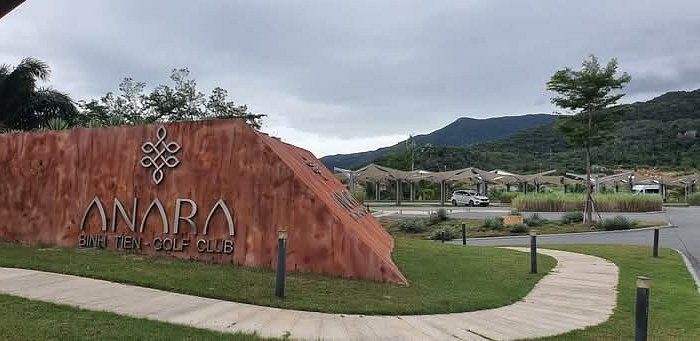
Should you wish for a special, full experience in Vietnam that takes you away from the usual route, look no further than Đăng Quang Travel. Being known for offering real-life tours, this company is now preferred by travelers from all over who want more than just to take pictures.
History and Reasons
Đăng Quang Travel took root thanks to the passion of local experts, who wanted to introduce travelers to Vietnam’s true spirit: wonderful national parks, hidden beaches, busy markets and spiritual and cultural sites. The company grew from thinking that travel is about speaking with the world, rather than simply checking boxes and leaving changed and inspired.
As time went by, Đăng Quang Travel constructed close relationships with nearby communities which has allowed them to share amazing homestay adventures, rural walks and opportunities to explore the rich culture, unavailable through most larger, mainstream tour operators.
They concentrate on sustainable tourism so that the local population gains, nature is looked after and the heritage of the country is respected.
- The Best Way to Book and Travel
- Reserving your tours is most recommended 2–4 weeks in advance, particularly when Vietnam is most crowded (from November to April and June to August).
- Travel Seasons:
- For a northern vacation, traveling in March–May or September–November gives you good weather.
- For central Vietnam (Phong Nha, Hue, Phu Yen): The weather is most beautiful and dry in February–August.
- If you are in southern Vietnam during December–April, the dry season makes exploring Mekong Delta or the islands ideal.
✈ Why Sign Up for Đăng Quang Travel?
- Professionals who know the area in and out guide visitors here.
- 🌱 Looking after both people and their culture: Ethics play a big role in understanding fair trade.
- 🧭 Each trip is individualized and designed according to your timeline and what you like.
- You will learn and experience Vietnam in a way that is not possible by just visiting.
9.Bai Thung Beach
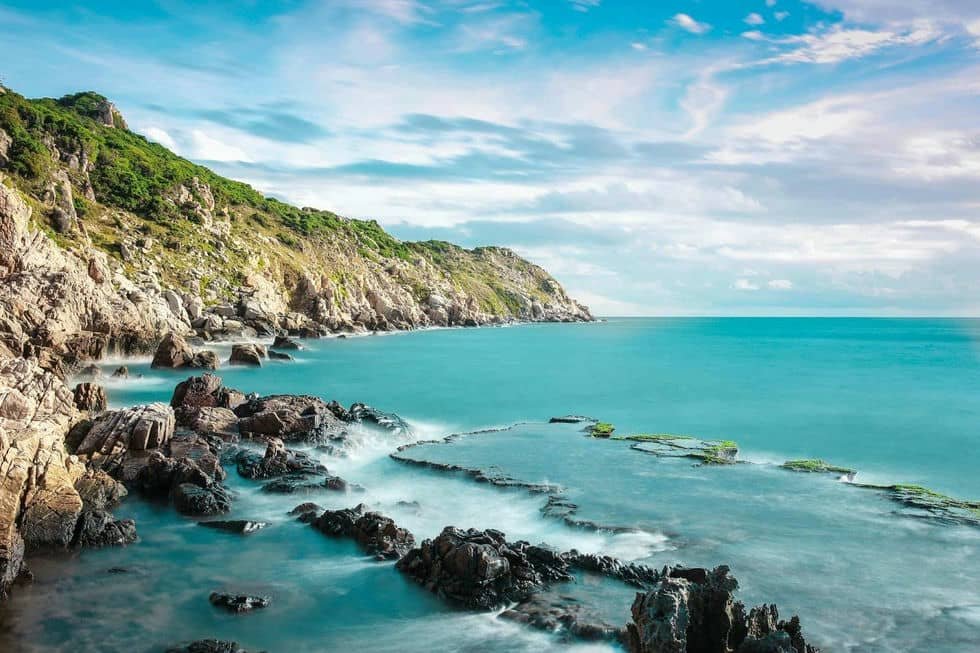
Bãi Thũng Beach is found in Phú Yên province near the coast and it is quiet because it has not yet been affected by huge waves of tourists. Its white sand, glimpses of coral and peaceful turquoise water make this beach a great getaway into simple nature. It suits people who want to escape crowds, find peace with nature or relax quietly on a natural beach.
There are good reasons why Baí Thũng is usually mentioned with nearby colorful rock you have to see at Hòn Yến, since it is a famous place to take pictures and discover coral under the waves at low tide.
- What It Means
Even though there are no grand historical ruins or ancient temples near Bãi Thũng, it is valuable for being part of both the environment and traditions found along the Phú Yên coast. Many fishing communities rely on the beach which they have used for fishing for years.
The area’s coral rocks show that the region is well known for its rich marine life and both people and teams devoted to conservation are making an effort to protect the corals near Hòn Yến.
The beach represents a gentle form of cultural history, where Vietnam’s traditions can be seen and daily life is guided by the sea.
- Best Season for Visiting
The Dry Season (February to August) is perfect for travelers, because the sky is clear and the sea is calm.
In the late afternoon, the sunlight is just right, the beach is less crowded and this is the time to relax and shoot some amazing photos.
When planning a visit to Hòn Yến for coral viewing (June–August) during low tide (in coral season), be sure to look up the tide times ahead.
10.Vườn Nho Ninh Thuận
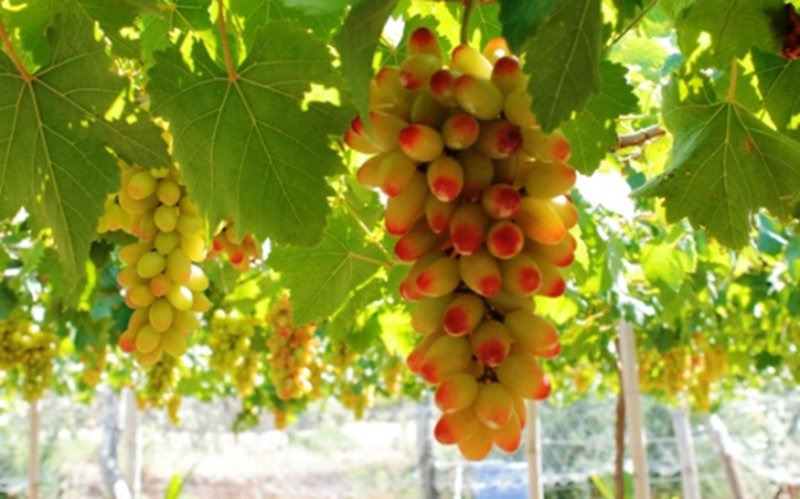
Because of its setting in Ninh Thuận, with sunny hills and coastal breeze, the local grape gardens (Vườn Nho) are very famous here. In addition to agriculture, these rich vineyards provide people with a real cultural experience, allowing guests to taste, feel and know about the grapes found in Danang’s arid and sunny weather.
Offering a quick break or a fun spot for a photo, Vườn Nho gives you some shade, tastes of sweet fruits and chances to chat with friendly farmers.
History and Value
At the beginning of the 20th century, the French brought grape cultivation to Ninh Thuận. During many years, locals kept improving their farming methods, turning the dry landscape into flourishing vineyards. The area currently grows table grapes and wine grapes which are part of fresh juice, jams, jellies, local wines and dried snacks.
Vườn Nho is important for caring for the environment and supporting eco-tourism in Vietnam. Going to a vineyard helps the community and also demonstrates rural areas finding smart solutions for their land and climate.
Grapes like these are grown in this region:
- Red Cardinal tastes sweet and juicy when it is fresh.
- NH01-48 – improved for higher resistance and increased yield.
- In addition, what are the main points for touring Vườn Nho Ninh Thuận?
- 🍇 Experience Real Flavor: As a result of the sunshine, the grapes you eat showcase the land they call home.
- For Instagram, you can find many beautiful scenes including neater rows of hanging grapes.
- 🧃 Regional Favorites: Try out traditional grape-based products and help the local businesses.
- 🚗 Quick Access: Driving to Phan Rang, the Po Klong Garai Towers or the Nam Cương Sand Dunes will place you just minutes from most vineyards.
Good Seasons for Visit
The growing season, March through August, is the perfect time because this is when people harvest the grapes and the vines are at their most attractive.
Consider being at the park first thing in the morning or later in the day so temperatures are mild and lighting is good for photographs.
- Time spent: Less than 1 hour (but could be longer if you take your time and grab extra drinks)
Related articles : Top 10 Best Places to Visit in Phú Thọ – Hung Kings Temple, Tea Hills & Natural Wonders




Pingback: Best Places to Visit in Ninh Binh – Explore Trang An, Tam Coc, Hang Mua & More