

Now Reading: Best Places to Visit in Pudukkottai – Temples, Forts & Heritage Sites
-
01
Best Places to Visit in Pudukkottai – Temples, Forts & Heritage Sites
Best Places to Visit in Pudukkottai – Temples, Forts & Heritage Sites
1.Kattubhava Pallivasal
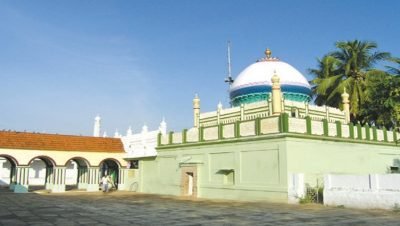
Kattubhava Pallivasal is another spiritual tourist spot, place of Islamic shrine that is situated at around 30 km away from the city of Pudukkottai on Thirumayam–Madurai route. Built in the seventeenth century AD by the Arcot Nawab, this is not merely an antique mosque; it is among the most active temples of composite faith and worship that people from all sections of the society seek solace.
🛡️ A shrine that comes with the taste of history and sanctity
Another feature of this sacred shrine is the samadhi of Pagruthin Avuliya, also known as Kattubhava who imparted the virtue of serenity and non-violence. Devotees visit this dargah with the intent of seeking blessings, praying and solace which can be achieved in this holige place.
The general structure and the design of the pallivasal are reminiscent of Islamic architecture of that by-gone era, with elements of beauty intermingled with spirituality. The impact of the Arcot Nawabs that were the famous lovers of Islamic architecture and art can be seen on the layout of the structure.
2.Avur Chruch
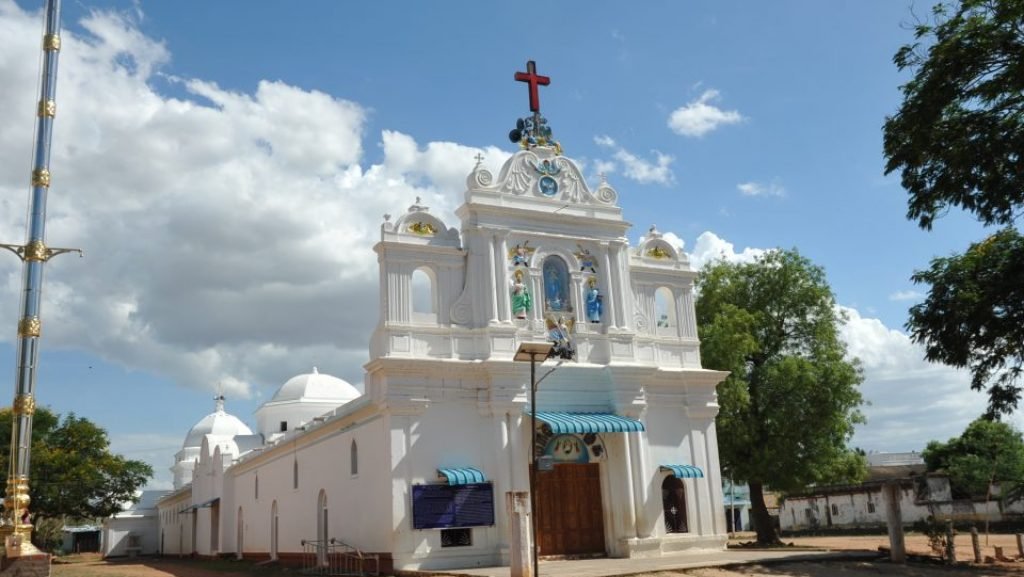
Avur Church situated at a distance of 20 Kms from Tiruchirappalli and 42 Kms from Pudukkottai has a multi-dimensional importance attached to it both in terms of architectural and historical value. Built in the year 1747, it’s one of the Roman Catholic churches that depict the Christian history of the region. In the course of its development throughout centuries, Avur Church has turned into the significant sacred site for people from the area and the guests.
📜 Cycles of Religion and Worship
Avur Church become familiar for its architecture and it has geographical relevance with one of the famous scholar of Tamil Nadu, Rev.Fr.Joseph Beschi –Nayanmarker alias Veeramamunivar. Father Beschi, the well known Tamil scholar and a missionary, had started his mission in this church and has contributed huge towards the Christian evangelism in the region. Even today his impact and contributions that he has made in Tamil language and religious literatures are still remembered.
🧭 What to Experience
- Historical Architecture: Appreciate the Roman Catholic structure of the building and serenity of this old church.
- Religious and Cultural Heritage: Read about the Following activities offered to Protestant Tamil Christians by Father Joseph Beschi and the role of the church in the historic phase of the apologetical community.
- Easter Celebrations: If you are here on an Easter, it will be quite a sight to behold and heartening to be part of the traditions.
- Community Gathering: Avur Church is a church that embraces both beliefs and traditions that make up an engaging environment that everyone will find wonderful to visit.
3.Viralimalai
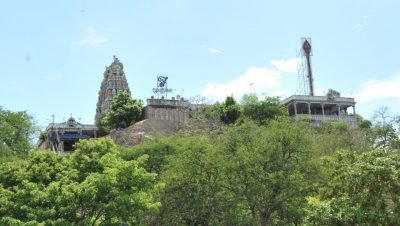
There is a temple at a small hills at the Trichy –Madurai National Highways, accessed 28 km from Trichy and 40 km from Pudukkottai district dedicated to lord Subramania. It is found inscribed that the early temple has been constructed by the king Azhakiya Manavalan. Further from the historical evidence, it could also be observed the Chola dynasties also added some changes later on to this temple here. The other inscriptions stated that the renovatory works of that temple were done by Adhithiya Chola. Further construction such as pragaram and mandapas built by Nayaks and Marungapuri dynasty, the Navarathiri Mandapam was built during the period of pudukkottai Emporors. It has a beautiful landscape, green plantations and herds of peacocks that can be seen on the temple premises. Lord Subramiya with his consort Theyvanai have been able to grant the desires of the devotees. Chithirapournami, Vaigasivilakku, Teepa Thiruvizha, Kanda Sashti and Pankuni Uttiram are the main festivals of this place. Kuravanchi Muthuppalani, one of the many prominent playwrights of the early days, wrote dramas from the Viralimalai.
4.Kodumbaloor
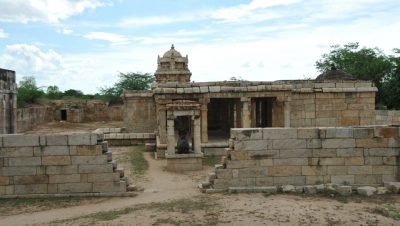
Situated 35km from Trichy and 40 km from Pudukkottai, Kodumbaloor is an old town which has rich historical background. Kodumbaloor is known from the Tamil epic Silappathigaram and arouses interest not only through its historic heritage and architecture.
🏛️ Archaeological Significance
Kodumbaloor is under the custody of The Archaeological Survey of India (ASI) which has effectively play vital role to conserve and protect such historic places. It is possible to visit such valuable relics of history where traces of the development of the Dravidian architecture can be observed.
It must be noted that the temples and structures in Kodumbaloor are not only religious shrines but historic buildings where architectural and sculptural art forms which were used in constructing early temples of Tamil Nadu are clearly seen and evident.
🛕 Why Visit Kodumbaloor?
- Historical Significance: When you set foot in Kodumbaloor, one feels like you are entering a history book brought to real life. Being a historiccity of the Pandayas, it has been described in Silappathigaram, a famous Tamil literature.
- Architectural Marvels: Muvar Koil and the temple of Mujukundeeswarar are old Temples in the Tamil architecture, and seeing these places helps in observing the nascent stage of Dravid style.
- Cultural Exploration: As such for those desirous about watching theemerging contours and forms of Tamil culture with essence in architecture and religious on-going forms, Kodumbaloor can provide unique exposure.
- Best Time to Visit:
- The festive season is a good time to visit Kodumbaloor, being between October and March when the climate is good for touring.
5.Kunnandar Koil
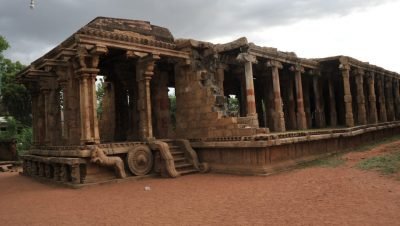
Lying 40 km away from Pudukkottai and 22 km from Keeranur, Kunnandar Koil, popularly called Thirukundrakudi in ancient inscriptions, is an ancient temple serving both historical richness and spiritual magnetism. With its Intricately carved Architecture, Historical value and mesmerising entrance this temple is a must visit for anyone exploring on the colourful History of Tamil Nadu.
🏰 Historical Significance
Kunnandar Koil is mainly famous for the cave temple of Lord Shiva. The temple was constructed in the rule of Nandivarma Pallava, around 775 AD which comes under the period of Pallava dynasty. The Pallavas were famous for their temple architectures and Kunnandar Koil is one of them. The temple in its architecture and design is inclusive of ancient Dravidian style with the ancient style Art and culture of those days.
🛕 Why Visit Kunnandar Koil?
- Rich Historical Legacy: And as one of the temples begun in Pallava period, Kunnandar Koil gives us an in-depth look into Tamil history and the artistic achievements of the era.
- Architectural Marvels: The famous cave temple, Muruga temple and chariot-shaped mandapa, are all the finest examples of ancient Tamil architecture.
- Spiritual Significance: Lovers of spirituality throng Kunnandar Koil for its peaceful environment and faith in the divine presence of Lord Shiva and Lord Muruga.
- Picturesque Views: The location atop the hill and beautiful surroundings make it holy place of peace for nature lovers as Kunnandar Koil hill top temple and surroundings.
🗓️ Best Time to Visit
- The best time to visit Kunnandar Koil is in the cooler months of October to March when the weather is nice to visit the temple and explore. The temple is also famous for its festivals, especially during Karthigai Deepam and other Tamil Festival.
6.Malaiyadipatty
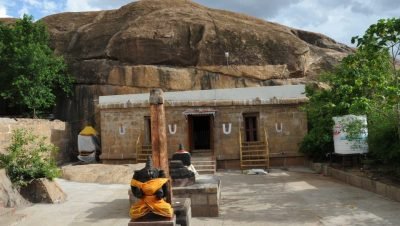
Vest 33 km från Pudukkottai och 15 km från Keeranur som Malaiyadipatty i Keezhayur Panchayat of Pudukkottai District ligger ett gömställe för historiska beundrarna och hängivna tillbaka ock. The village has a principal Siva Temple and a later Vishnu Temple, the both are very old and very historical too.
🕰️ Historical and Architectural Significance
Malaiyadipatty is a place where history and divinity entwine. Among the oldest in the region is the Siva temple, enshrined to Lord Siva. The structure was crafted into the hillocks during the period of Nandhivarma Pallava in 730 AD thereby bringing into existence an awesome structure of the Pallava architecture. The building of the temple is seen as a masterpiece, because it was carved right out of the rock, demonstrating the cleverness of the age’s designers.
In contrast, the Vishnu temple was built later, and a novel addition to the village’s spiritual scene. The Vishnu temple has marble deities of various divine Idols like Narashima Moorthy, Thirumal (Lord Vishnu), Ananada Sayana Moorthy and Ahishasan. These statues are an actual proof of the craftsmanship and pious devotion of people of that time during the period of its construction.
💡 Why Visit Malaiyadipatty?
- Historical Architecture: The Siva temple built into the hillocks by Pallava dynasty is a must-see historical place.
- Religious Significance: The Siva and Vishnu temples offer a tranquil spiritual aura for the devotees.
- Cultural Heritage: The paintings of the Ten Avatars and the Mudumakkal Thazhi burial ground gives an additional cultural and historical significance to the village.
- Natural Beauty: The village is engulfed with thick green forest which is a perfect destination to give visitors a peaceful and natural experience.
🌸 Festivals and Celebrations
Even though the festivals change, Malaiyadipatty is the destination where great religious in and rituals are conducted all year round, but most importantly around the temples. The yearly temples of Siva and Vishnu considerableesses amongst the devotee from nearby region and celebrate in the celebration.
🗓️ Best Time to Visit
The ideal time to visit Malaiyadipatty is during the cooler months (October to March) when the weather is more amenable for temple visits and sightseeing around the temple.
7.Narthamalai
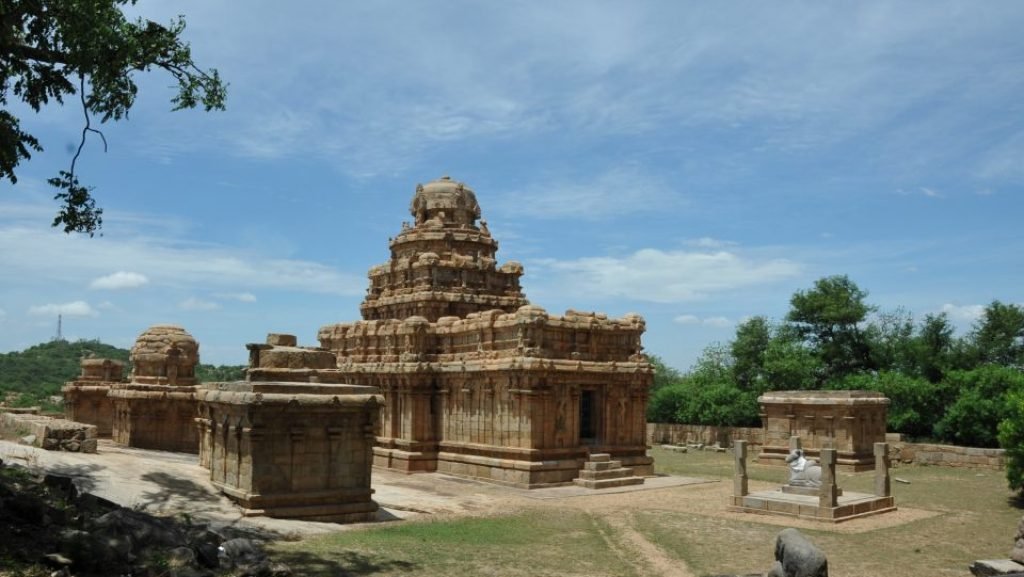
Narthamalai is a vishnu temple situated in a village situated approximately 17 Kms from Pudukkottay which is a village of history and spirituality. Also known as the place of the chieftain of the Mutharaiyar dynasty, Narthamalai has ancient temples, architecture and splendid and calm scenes to offer to all the visitors. This beautiful place is a perfect one for anyone who wants to know the historical significance of the Tamil Nadu temples.
🏛️ Historical and Architectural Significance
The location of Narthamalai is famous because of the rock-cut temples some of them are said to be from the early centuries. Historically the village occupies a unique status in the annals of Tamil Nadu owing to the fact that it was the domain of the Mutharaiyar dynasty. A few remains of the earliest structural stone temple in circular plan shows the amount of engineering excellence that was present amongst the people at that time.
Some of the interesting tourist’s attractions of Narthamalai includes:
Vijayalaya Choleeswaram Cave Temple: Some of the major temples present here include the vimanabad temple, Kamakshi AMmAham and the Vijayalaya Choleeswaram cave temple which is said to be built in the ancient Dravidian style of architecture who is devoted to Lord Shiva. For anybody wanting to explore and observe history and architecture, the temple’s cave demeanor and carvings are something worth looking into.
Kadambar Malai Temple: The other two more important temples are Kadambar Malai Temple, which is dedicated to lord Shiva. Seated at the top of a significantly raised land, the architectural design of the temple allows for an amazing view. The hike to the temple is exciting, and the environment ensures that it becomes even more spiritual.
💡 Why Visit Narthamalai?
- Historical Temples: The Vijayalaya Choleeswaram Cave Temple and the Kadambar Malai Temple are two historical centers of heritage architecture that can be visited in the region.
- Cultural Significance: The personal experiences of the Muthu Mariamman Temple and the Mullaipari procession can give insight into the culture and religious beliefs.
- Scenic Beauty: Consequently, the geographical features such as hills and greenery are stunning which makes the place serene to visitors.
- Rich Heritage: Narthamalai is an ideal place for history lovers as it has many historical connections with the history of the Mutharaiyar dynasty.
🗓️ Best Time to Visit
- The best time to travel to Narthamalai is from October to March as the climatic condition is relatively cooler in this period allowing tourists to visit the temples and the surrounding region. If you are interested to visit Mullaipari procession then look for festivals car, which normally happen in summer season.
8.Chithannavasal
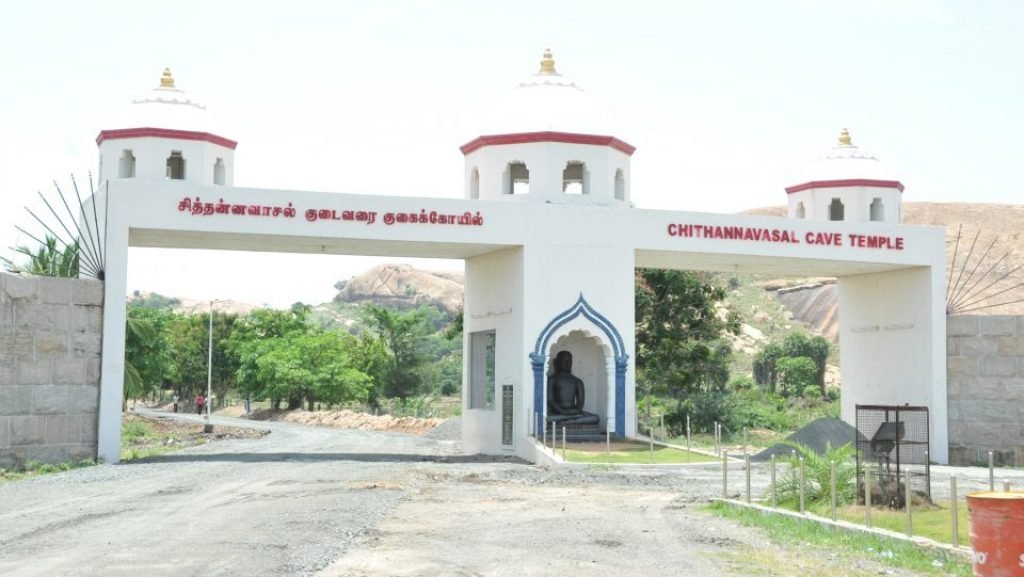
As a tourism centre, Chithannavasal is one of the main tourist attractions of Pudukottai District. It is located at Annavasal – Pudukottai Road, Pudukottai district, Tamilnadu, India and is at a distance of 17 Km from Pudukottai. Ancient Jain monks generally resided in caves and hillocks to lead their life as and as an austere manner. Peeled in Nutan, it was used for poojas and penance in an open shed prevailing on the hill. This kind of Jain temple and Jain beds are exist in Sittannavasal and its vicinity. Eastern slope of the sittannavasal hill has more than 17 beds on its side. Near the beds, there are the unique and scanty examples of the Brahmi Tamil script painted on the walls or on the pottery and ceramics. The Jain Beds are together known as Ezhadi pattam The made bed is considered highly auspicious as making a bed is considered to be a good omen.
An Arivar temple or a meditation hall with Mahavir statue on both sides of the wall is the second-century Jain temple in chithannavasal. The frescos in the ceiling of Arivar temple are dated back to the ruling of the Great Mahendravarma pallava for the herbal paintings. The depiction of royal couple and a lotus tank with marine animals are some of the fresco paintings. These paintings are said to be the second of Ajantha cave paintings at Aurangabad. The cave temples are in the list of monuments maintained and protected by the Archaeological survey of India.
According to the archaeological data available with the Archaeological survey of India, it is evident that there are burial pots around Chithannavasal. These pots are referred to as Muthumakkal Thazhi. In the case of death among the Jain monks, they are placed in the pot and interred in Burial Ground.
It was decided by the Distric administration with the financial helping of the Tourism Department and they have construct Miniature statue park, Children park, dancing fountain, and Boating jetty near the Jain cave Temple. It has been a tradition for many foreign and domestic tourist to visit this place annually. It is the most visited tourist destinations in this District according to the arrival records.
9.Avudaiyarkoil
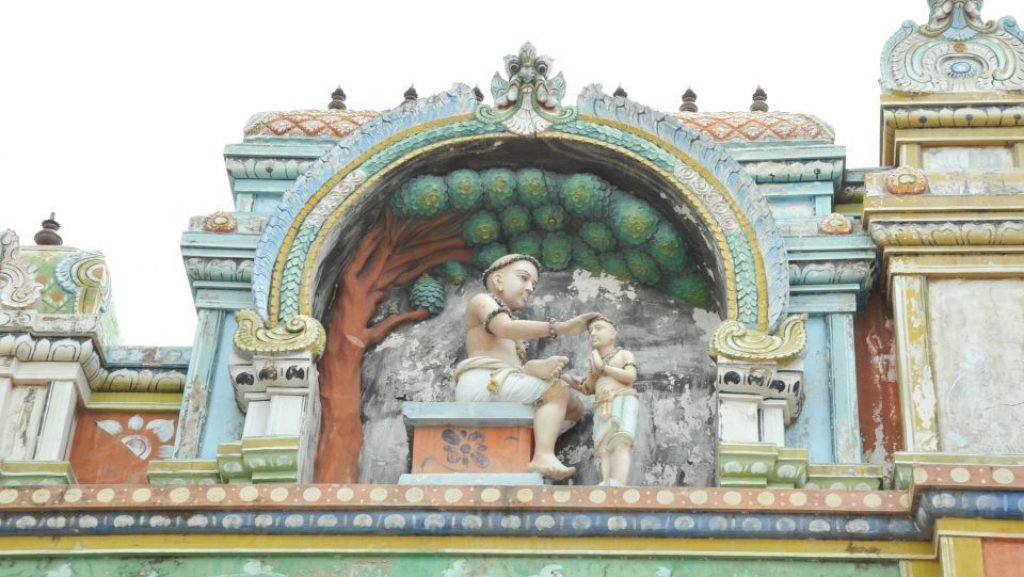
Offering a sightseeing trip about 60kms from Pudukkottai, the Avudaiyarkoil Temple enshrines Athmanatha Swamy. This temple is famed for the historic structure, life size statues and arch- architecture and is an important pilgrimage site for devotees and carnivals for anyone interested in history. It occupies a unique position in the religious map of Tamil Nadu and is a destination of religious interest for tourists.
It is also associated with the saint Manickavasagar who has given his biggest contribution in the devotional literature in Tamil. Kaviraj Manickavasagar is well known in the temple and the fact that he is devotee of Athmanatha Swamy is an added testimony to the temple’s historical significance. People go to pay homage and ponder over the moral of this great saint.
💡 Why Visit Avudaiyarkoil?
- Architectural Excellence: The roof is made of the granite, and the construction of copper plates also enhances the architectural masterpieces.
- Rich Spiritual Heritage: Considering its strong relation and heritage to Manickavasagar, visiting the temple provides a good exposition to the Tamil religious culture.
- Serene Atmosphere: The serenity of the place makes it an excellent place to pray and meditate.
- Festivals: Watch the people’s devotion and how active they are with their celebrations especially when the temple has a festival celebration.
🎉 Festivals and Celebrations
- Avudaiyarkoil has festive season all through the year but the festival seasons are particularly associated to Athmanatha Swamy and Manickavasagar. Many people attend these places of worship to pray, perform their routines, and celebrate the existence of the deities.
🗓️ Best Time to Visit
- It is recommended to visit the Avudaiyarkoil at any time of the year; however, it would be ideal to visit the place during October to March when the weather is favorable to visit temples. Travelling to Puri during festivals may be a better way to see the local devotion in action for those into pilgrimage tourism.
10.Kudimiyanmalai
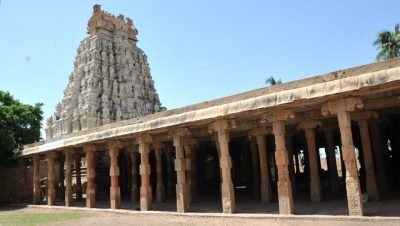
Sitting at a distance of 20 km from Pudukkottai, Kudimiyanmalai is now a town filled with archaeological importance. This spot, famous for its caves and inscriptions, and well-known for its sanctity, has always been attracting the historians, the pilgrims, and anyone who is interested in the history of Tamil Nadu.
🏛️: Cave Temples and Spirituality
The unique feature of Kudimiyanmalai is the cave temple which is predominent in this region. They are a clear example of how the people of the ancient period were deploying their skills and art to create great pieces of architecture and religion. Of the many temples here, the Siva temple at a small hillock with the name sri sikkannatheeswarar is well recognizable. This is accompanied by several other life like sculptures that complements the regal appearance of the structure making it more sacred.
The temple is considered sacred and is built on a hillock which gives a nice environment for people to contemplate and pray. The site is quiet so one could experience a spiritual moment as he or she observes the remains of the structures.
The Inscriptions – A Historical Gem
One of the major foci of interest in the area is the more than one hundred inscriptions that are located in Kudimiyanmalai area and they provide a powerful clue to many a historical and cultural aspect of the period. Out of these, there is one which mentions the other inscriptions of grammatical notes of Carnatic music –something which has been rarely seen in the field of ancient Indian musicology.
They not only give information about the religious practices of that civilization but also displays their mental progress through the depiction of music, literature and religious feelings that were an unsurpassed part of its tradition.
🎉 Festivals and Celebrations
- Although Kudimiyanmalai has several historical and religious places, people here enjoy local festivities as well. People go to the Siva temple and pray more often especially in special occasions related to religion to make the entire experience even more colorful and lively.
#💡 Best Time to Visit
- The better times to visit Kudimiyanmalai are during October – March as the climate is comparatively cooler and ideal for the exploration of the place. Coming in the festival time can help learners get a better understanding of local culture and practices.
Related articles : Best Places to Visit in Perambalur – Temples, Hills & Historical Sites






Pingback: Best Places to Visit in Ramanathapuram – Temples & Coastal Spots