

Now Reading: Top 10 Best Places to Visit in Thái Nguyên – Tea Hills, Lakes & Cultural Heritage
-
01
Top 10 Best Places to Visit in Thái Nguyên – Tea Hills, Lakes & Cultural Heritage

Top 10 Best Places to Visit in Thái Nguyên – Tea Hills, Lakes & Cultural Heritage
1.Museum of Cultures of Vietnam’s Ethnic Groups
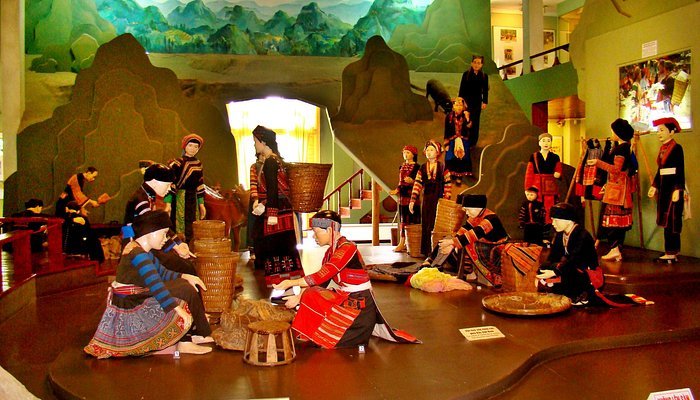
Thai Nguyen City is home to the Museum of Cultures of Vietnam’s Ethnic Groups which highlights the country’s 54 recognized ethnic groups. Opened in 1960, the national museum covers almost 40,000 square meters and displays the country’s diverse culture.
Historical Background
When it started, the museum was known as the Viet Bac Museum, but in 1990, it was renamed to demonstrate its new mission to save and showcase the cultural backgrounds of Vietnam’s many ethnic communities. Over time, the museum has gathered a collection larger than 10,000 pieces, including traditional clothing, farming tools, musical instruments and artefacts from religion.
Cultural Significance
As well as housing artifacts, the museum strives to protect culture and teach people about it. The center offers opportunities for professionals to meet, allows cultural activities and arranges shows that build an appreciation for Vietnam’s diverse communities. This event as well as the others demonstrate how the museum encourages cultural exchange within ASEAN.
- Tuesday to Sunday, the hours are 8:00 AM – 11:00 AM and 2:00 PM – 4:30 PM.
- Adults are required to pay VND30,000 to enter, university students are charged VND 20,000 and children up to the middle school age can get in for VND 10,000.
- It is on 1 Doi Can Street in Thai Nguyen City, Thai Nguyen Province.
2.Nui Coc Lake
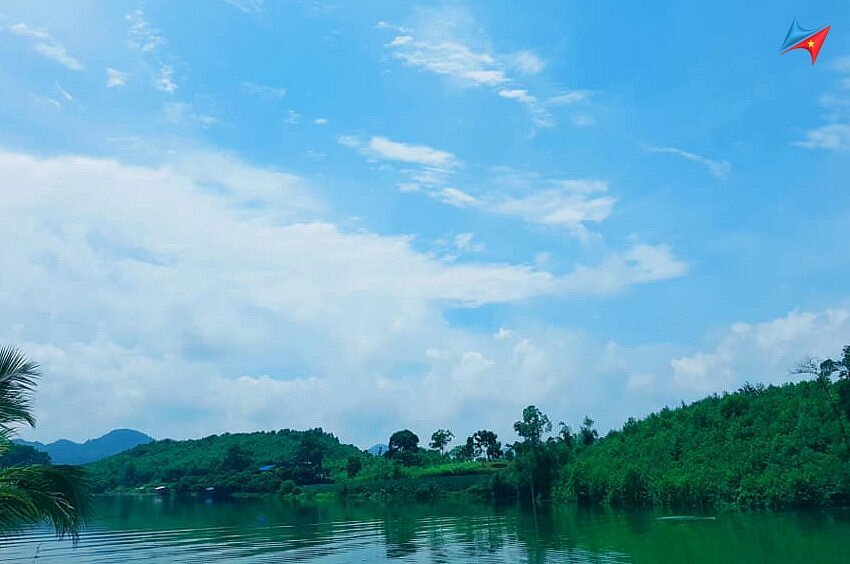
About 16 kilometers from Thai Nguyen City and 100 kilometers north of Hanoi, Nui Coc Lake in Thai Nguyen Province is popular for its peace and cultural importance. The picturesque scenery of the lake is created in part by the 89 islets covering its 2,600-hectare area and extending up to 50 meters below the surface.
Historical Background
In the period 1973–1982, Nui Coc Lake was built so that over 12,000 hectares of farmland could be irrigated. As time went by, it became more popular as an ecotourism spot, drawing people with its peaceful waters, beautiful scenery and choice of activities.
Cong and Coc are famous among Vietnamese for their legend.
The legend of Cong and Coc makes Nui Coc Lake especially famous as it tells how a wealthy young woman and a poor man did not have permission to marry. Coc could not be together with Cong, so she carried her lover in heart until he turned into Coc Mountain. Touched by his grief, Cong’s tears flowed to make the Cong River which nourishes the lake today. Many artists in Vietnam, like musician Pho Duc Phuong, have been inspired by the legend and made songs about it.
Significance in the Environment and in Culture
The lake is not only a place for activities, but also supports wildlife like 40 kinds of birds and 15 types of mammals. The area’s tea hills, best seen in Tan Cuong, produce Tan Cuong tea which people say contains the essence of Cong’s tears and adds to the region’s rich cultural history.
3.Phuong Hoang Cave and Mo Ga Stream
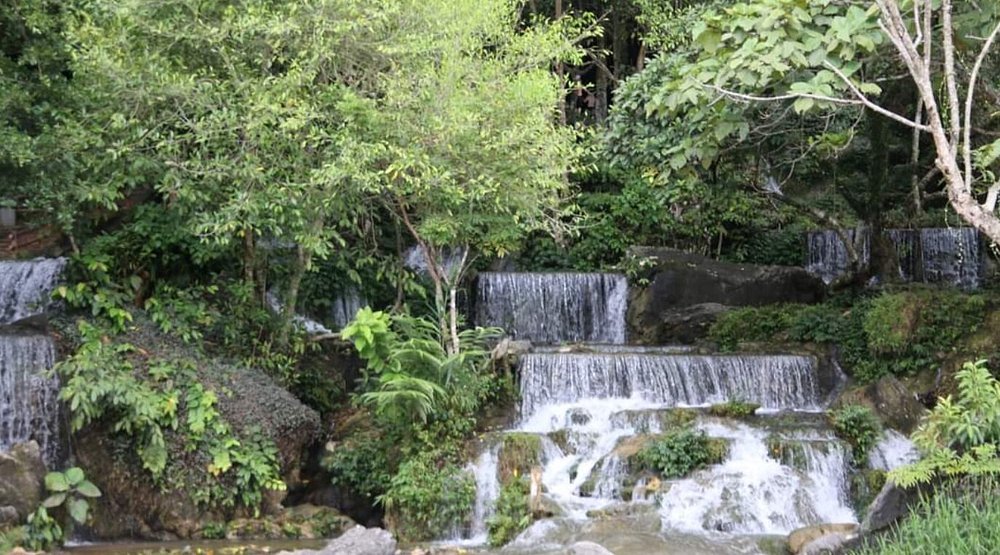
Inside Phu Thuong Commune and Vo Nhai District, about 45 kilometers from Thai Nguyen, the Phuong Hoang Cave and Mo Ga Stream give guests a peek into nature, local legends and history.
Historical Significance
As well as being beautiful, the area is also known for its historical background. When Vietnamese forces fought French colonialism, this cave was the base for the Second National Salvation Army. Many things from this era are still present, giving us glimpses of how Vietnam tried to become independent.
Cultural Experiences
People can get close to the local culture by taking part in activities such as sticky rice cake making, wild boar grilling and learning from the Nung and Tay ethnic groups. Experiencing traditional stilt houses gives visitors a real look into the property’s traditions.
- The village is in Phu Thuong Commune, Vo Nhai District within Thai Nguyen Province.
- You have to pay 80,000 VND for entry if you are an adult or over 1.2 meters tall and children younger than that can enter for free.
- It is best to go in late spring or early autumn because the weather is most pleasant at this time.
4.Tan Cuong Tea Cultural Center
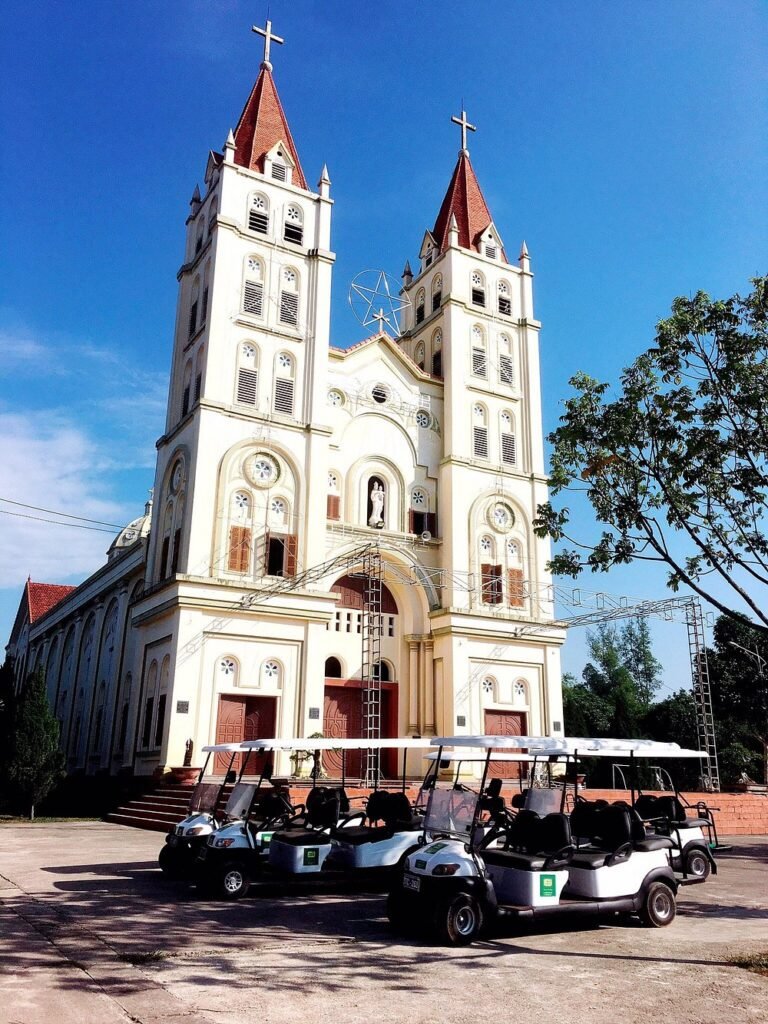
The Tan Cuong Tea Cultural Center in Thai Nguyen Province represents the long tradition of tea in Vietnam. You can find the center in Soi Vang Hamlet, Tan Cuong Commune and it gives visitors a deep look at both the history and current practices of Vietnamese tea.
Historical Significance
The first tea plantations in Tan Cuong appeared in the early 1920s. Due to the area’s climate, earth and protection from the Tam Dao mountains, the Cong River has helped give Tan Cuong tea its unique taste. Knowing the value Tan Cuong’s tea holds in culture and the economy, the Ministry of Culture, Sports and Tourism announced in 2023 that Tan Cuong’s tea cultivation and processing should be recognized as a national intangible heritage.
The whole experience at the Cultural Center
It covers 2.6 hectares and is arranged into a welcome area, an exhibition hall and a section about tea culture. The exhibition features many items such as old tea sets, old letters and books and traditional tools for tea-making. Guests also have the opportunity to take part in tea harvesting and processing which helps them understand the careful process involved in every cup of tea.
Festivals and Creating a Strong Community
The Tan Cuong Spring Tea Festival which runs from January 10 to January 12, honors the history of tea in the area. Some events during the festival are processions of ancient tea trees, tea making competitions and playing different folk games. It emphasizes and praises the local tea production, providing a meeting space for tea growers, makers and fans to discuss and share experiences.
5.Cua Tu Waterfall
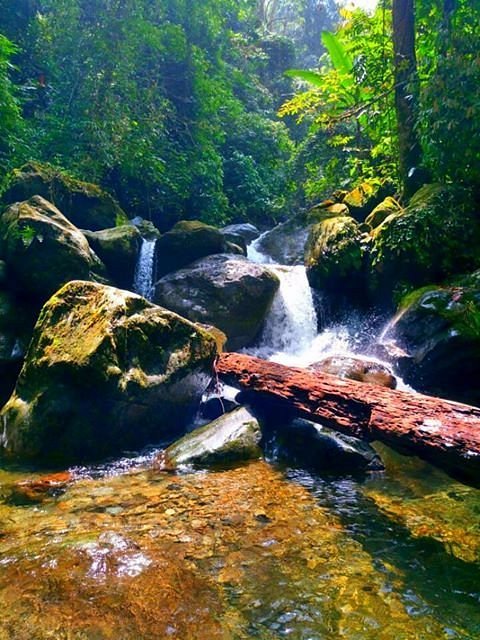
Within Hoang Nong Commune, situated in Dai Tu District of Thai Nguyen Province, Cua Tu Waterfall—or Cua Tu Stream—attracts travelers by combining lovely scenery, folk stories and adventure. You can find this area about 45 kilometers from Thai Nguyen City and it gives visitors a chance to discover Vietnam’s untouched nature.
Natural Splendor
Cua Tu Stream heads east through the Tam Dao mountains and finally becomes part of the Cong River. Seven different waterfalls on the river bring different obstacles and amazing views. Besides the scenic swimming spots, Cua Tu also includes challenging waterfalls that draw in experienced trekkers. The presence of ancient forests filled with huge trees piques the interest of many to the area.
How it is significant for the community’s culture and history
Local tradition says that the area was named “Cua Tu” because it was the entrance to the afterlife. There is a story about Nui and Ngan, two lovers, who, in a time of invasion, joined the fight at the edge of the forest and died in the process. Because of their courage, the place where they fought received their name. One story tells of people who challenged the customs of society by going into the wilderness and meeting impossible challenges. They give the region a strong feeling of history and romance.
6.Vo Nguyen Giap Square

Right in the middle of Thai Nguyen City, Vo Nguyen Giap Square is a major landmark dedicated to one of Vietnam’s top military leaders. Apart from being a place to remember, the square is a main location for the community to meet, attend cultural shows and play.
Titling this biography after General Vo Nguyen Giap
Vo Nguyen Giap (1911–2013) was highly respected for his military contributions in Vietnam. As the leader of the Viet Minh and the Vietnam People’s Army, he won the Battle of Dien Bien Phu in 1954 which resulted in the end of French colonial rule in Indochina. His smart choices led to the reunion of the nation after the Vietnam War came to an end. He is honored with many streets and landmarks throughout Vietnam and his name appears on this main square in Thai Nguyen.
Cultural Significance
Many major cultural events are held at Vo Nguyen Giap Square to highlight the interesting heritage of Thai Nguyen Province. It was the main location for the 2nd National Dao Culture Festival which recognized the traditions of the Dao ethnic group. In addition, the square has become a place where the Thai Nguyen October Festival takes place which includes displays of local farm products, exhibitions and street plays.
7.Suối Đá Cổng
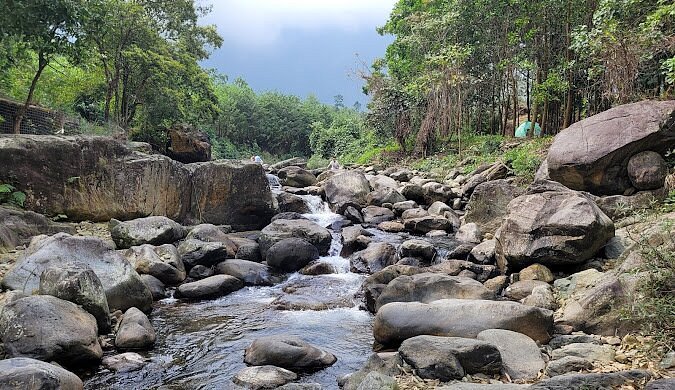
In the peaceful Quân Chu Commune, Đại Từ District, Thai Nguyen Province, Suối Đá Cổng gives its visitors a relaxing break surrounded by nature. About 80 kilometers away from Hanoi, this natural stream is the perfect choice for a weekend escape in warmer months.
Attractions and Activities
The stream known as Suối đá Cổng beings from a waterfall at the base of the Tam Dao mountain range and makes its way between forest and rocky areas. Because of its clear waters, smooth rocks and refreshing pools, swimming, picnicking and resting become enjoyable activities here. There are also opportunities for visitors to enjoy stand-up paddleboarding (SUP), camping and grilling their food under the night sky.
Cultural Significance
Besides being famous for its scenery, Suối Đá Cổng is also important in local culture. The Dao ethnic group with their tradition and friendliness makes the area special. Travelers are able to interact with people from the community and understand their traditions and everyday lives.
8.Thác Chiểm
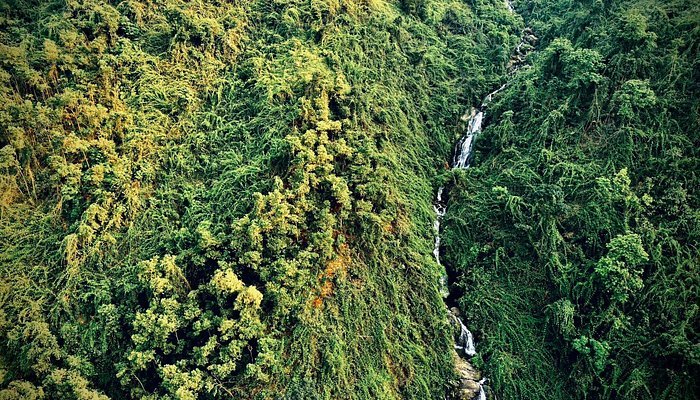
Thác Chiểm is one of many waterfalls in Thai Nguyen province, but remains undiscovered by many people. Since there is not much written history about Thác Chiểm, those who come appreciate its calm beauty and idyllic setting.
Scenery and the Natural World
There are many waterfalls at Thác Chiểm and each one softly touches rough rock formations, making the place peaceful and enjoyable to be in, given the surrounding greenery of the forests. Many different plants and animals live in this pristine region which is full of biodiversity. People who love being in nature enjoy the peaceful music that comes from the sound of a waterfall, birds singing and leaves rustling.
Cultural and Historical Influences
There is a lot of cultural and historical significance to Thai Nguyen province in Vietnam. The area around Thác Chiểm is not well-known for big historical events, but several ethnic communities live there, including the Dao and Tay, with a lot of traditions. Checking out places in the area of Thác Chiểm may reveal the customs, old ways and the way local communities live in harmony with nature.
9.Special National Site Safety Zone (ATK) Dinh Hoa Thai Nguyen

Located in the mountains of Dinh Hoa District, Thai Nguyen Province, the Special National Site Safety Zone (ATK), is a reminder of Vietnam’s strong will to gain independence. President Ho Chi Minh and the Vietnamese leaders used this site as their key command center during the years of resistance against the French from 1946 to 1954.
Historical Significance
ATK Dinh Hoa or “An Toan Khu” (Safety Zone), was formed in 1947 to serve as a secure refuge for Vietnamese government and military offices. Because the base was in a forested area with towering mountains, secret operations could happen quite smoothly and safely. Important plans and actions were created from this center, for example the Viet Bac counteroffensive, the Border Campaign and most notably, the Dien Bien Phu Campaign that brought about Vietnam’s triumph against French colonialism.
- Value for Culture and Education
- It isn’t only for the military; ATK Dinh Hoa is also well-known for its cultural importance. Long Tong Festival takes place each year on the site and is celebrated by Tay people with rituals praying for a good harvest, traditional games and cultural shows. The festival serves to keep the traditional customs of the communities alive and also teaches people about Vietnam’s strong cultural and revolutionary background.
- The cultural and historical value of ATK Dinh Hoa was honored by making it a Special National Historical Relic in 2012. Persistent work has gone into looking after and spreading awareness of the site, through better infrastructure and the help of digital technology to provide better experiences for visitors.
10.Chua Phu Lien
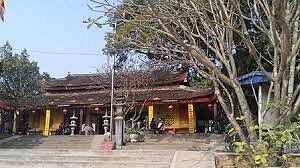
In Group 23 of Hoang Van Thu Ward in Thai Nguyen City, Phu Lien Pagoda (also called Phu Chan Thien Tu) is a reminder of Vietnam’s deep roots in history, culture and faith. From its start in the Ly Dynasty, this ancient pagoda has quietly seen many years of change and is now respected by those interested in history and by those looking for spiritual peace.
- Historical Significance
- Originally placed next to the Cau River on a small hill, the pagoda had to be transferred in 1896 because of changes brought by the French. Over the years, Phu Lien Pagoda has been key to various resistance movements in Vietnam. In those years, people of Hoang Hoa Tham and Doi Can stayed and planned their attacks against the colonial administration. Often forgotten, in 1946 the pagoda hosted the election for the first National Assembly Delegates of the Democratic Republic of Vietnam, a key step in the country’s march towards independence.
- Cultural Celebrations
- Phu Lien Pagoda offers spiritual peace as well as exciting celebrations of cultural events. Every year, on the 12th day of the first lunar month, the pagoda arranges a festival that draws lots of monks, devotees and people from all over the place. Traditional activities like cockfighting, swinging and Chinese chess are part of the celebrations and poetry competitions and literary readings showcase Vietnam’s rich culture.
- In August 2016, the Jade Buddha for Universal Peace, the world’s biggest jade Buddha, was hosted at the pagoda. The statue was completed from a 40,000lb jade block, making many visitors arrive and reflect on the idea of peace and harmony.
Visiting Information
- Group 23 is based in Hoang Van Thu Ward in Thai Nguyen City.
- The place is open from 7:00 AM to 5:00 PM every day.
- People can attend for free.
Related articles : Top 10 Best Places to Visit in Thanh Hóa – Beaches, Nature Reserves & Historical Sites








Pingback: Best Places to Visit in Thái Bình – Explore Beaches, Pagodas & Cultural Heritage