

Now Reading: Top 10 Best Places to Visit in Thanh Hóa – Beaches, Nature Reserves & Historical Sites
-
01
Top 10 Best Places to Visit in Thanh Hóa – Beaches, Nature Reserves & Historical Sites
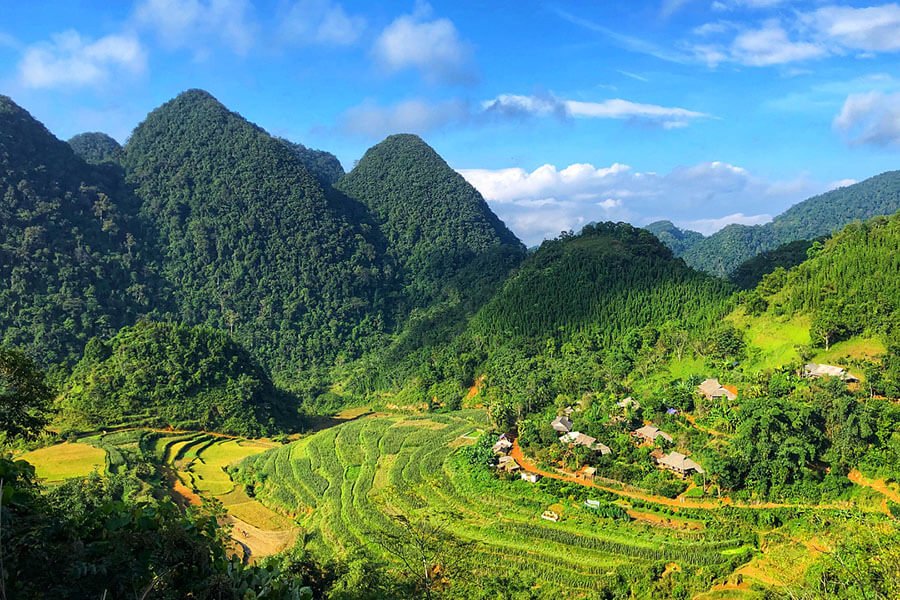
Top 10 Best Places to Visit in Thanh Hóa – Beaches, Nature Reserves & Historical Sites
1.Pu Luong Nature Reserve
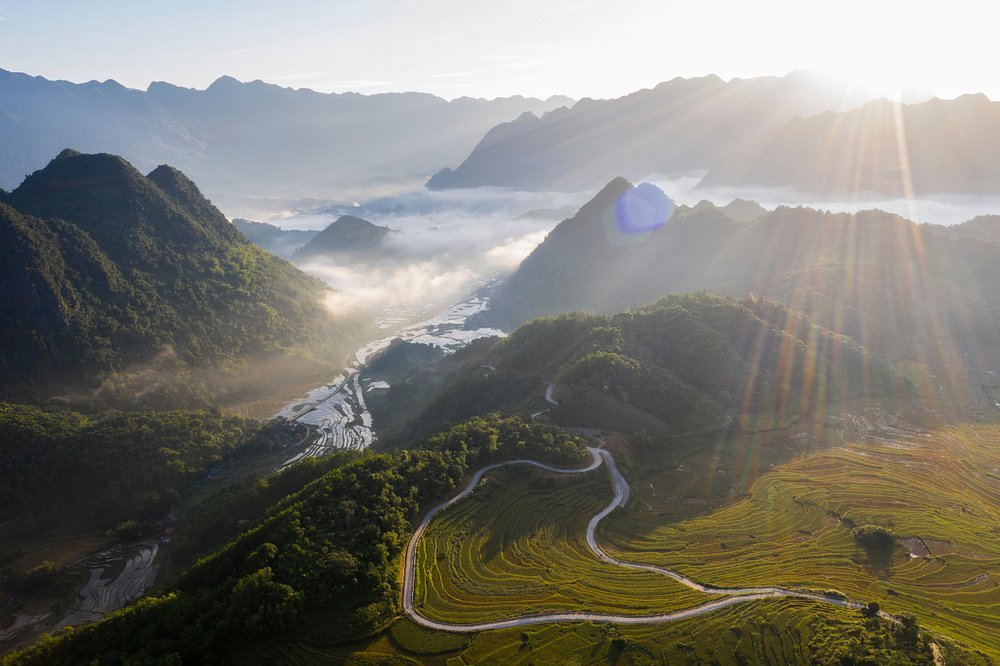
Northern Vietnam is home to Pu Luong Nature Reserve which covers close to 17,662 hectares in the districts of Quan Hóa and Bá Thước in Thanh Hóa Province. In 1999, the reserve began and it is famous for its great diversity of plants and animals, innocent scenery and people from ethnic groups living with their nature.
- Natural Significance
- Pu Luong stands out because of its lowland limestone forests which are more unusual in northern Vietnam. More than 1,500 plants can be found in the reserve and 58 of them are included in the Red Books of Vietnam and the world. Among the flora you will find the Pa Co pine and numerous species of orchids.
- There are 908 kinds of animals in the area which adds to the biodiversity. Examples are the clouded leopard, sika deer and the critically endangered Delacour’s langur which has a large population in Pu Luong.
Cultural Heritage
Thai and Muong ethnic minorities make their home in the reserve which they have inhabited for hundreds of years. Stilt houses are their homes and most rely on farming for daily food and supplies. People can live as locals by experiencing community-based activities, including homestays, traditional cooking and performances.
- The Best Months
- The best moments to visit Pu Luong are:
- The rice terraces are best seen in their green valleys during the planting season in May and June.
- September and October are when the landscape shows off its golden beauty.
2.Citadel of the Ho Dynasty
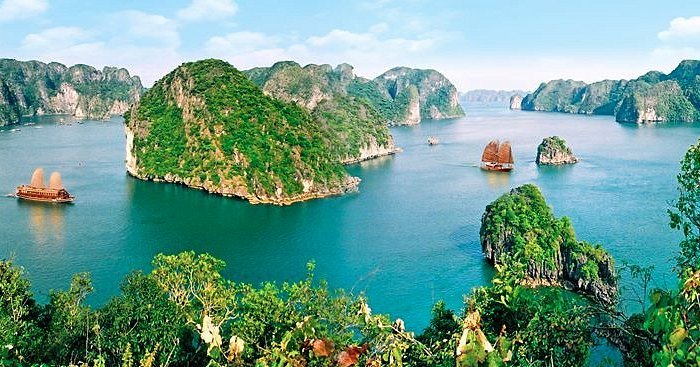
The Hồ Dynasty Citadel (Vietnamese: Thành nhà Hồ) displays Vietnam’s unique architecture and traditions from the feudal period. In Vĩnh Lộc District, Thanh Hóa Province, the fortress was constructed in the 14th century and is called famous for its strong stonework and representation of the country’s imperial rule and culture.
Historical Background
The citadel was completed in 1397 under the direction of Hồ Quý Ly, a high official which caused a big change in the Trần Dynasty’s rule over Vietnam. Hồ Quý Ly organised a coup and shortly thereafter became King and established the Hồ Dynasty, renaming the state from Đại Việt to Đại Ngu. For the period from 1398 until 1407, Tây Đô (the citadel) was the capital of the country and became a major focus of political, economic and cultural activities.
The Heritage Recognition from UNESCO
In 2011, the Citadel of the Hồ Dynasty was given UNESCO World Cultural Heritage Site status. Because of this recognition, it shows how the city is unique as a modern Southeast Asian palace, how it applies large stones in construction and how it demonstrates the combination of Confucian and Buddhist traditions.
Going to the Citadel
Thousands come each year to see the citadel for the importance of its history and the beauty of its architecture. Over many years, numerous sections of the walls and gates have remained in a very well-preserved state. The calm scenery helps visitors get close to Vietnam’s history from the feudal period.
3.Ben En National Park
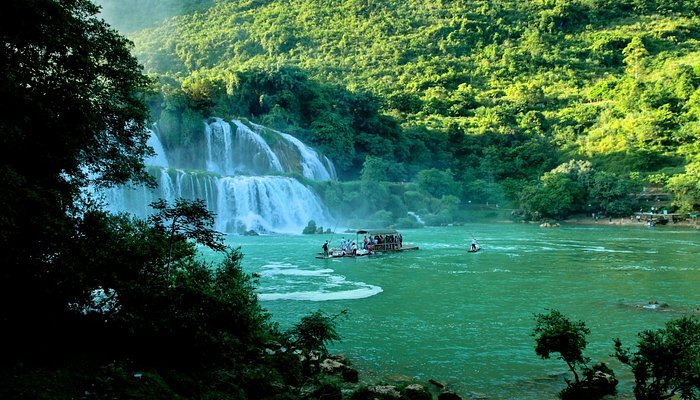
Surrounded by Thanh Hóa Province, Bến En National Park is full of beautiful nature and respect for local culture. Travelers visit these parks because they were established in 1992, have more than 16,000 hectares and feature a variety of ecosystems, interesting wildlife and local communities.
Historical Background
Bến En National Park was made a protected area by a decision from the Chairman of the Council of Ministers in Vietnam on January 27, 1992. The main aims of the park are to protect the environment, restore different types of plants and animals, do scientific studies and support eco-tourism. It pays special attention to ensuring local communities can live better and learn more about sustainable ways of living and nature.
Natural Significance
- Biodiversity Hotspot
Bến En is famous for its wide variety of plants and animals. There are over 1,400 kinds of plants and more than 1,000 species of animals in the park and several of them are included in Vietnam’s Red Data Book. The giraffe, sun bear and the critically endangered Delacour’s langur are the main types of mammals in this area. - Unique Ecosystems
The main ecosystems found in the park include tropical rainforests, limestone forests and many lakes and islands. The variety in the ecosystem supports many species which is why it is an essential place for people to research and protect.
Cultural Significance
Bến En National Park is home to a variety of animals and is an interesting mix of cultures too. People living there are of Thai, Tho and Muong groups, who continue to uphold their long-standing ways of life. People visiting Laos are able to connect with communities by living with them, trying their local foods and joining their festivals.
- The complex is about 45 km southwest of Thanh Hóa City; reach it by road through Nhu Thanh and Nhu.
- The best time to visit is during the dry season (November to April) which runs from November to April and provides the best weather for outdoor activities.
4.Hieu Waterfall
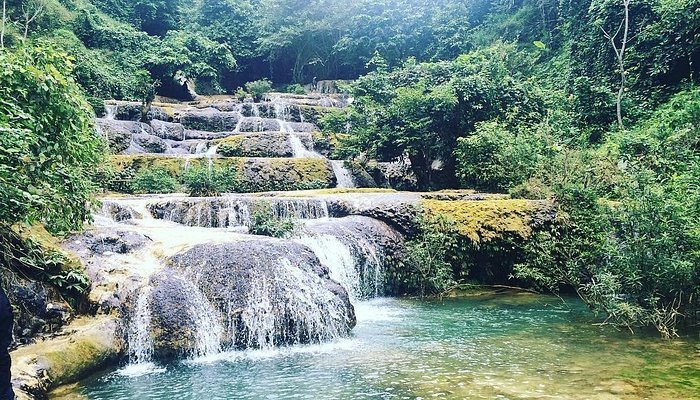
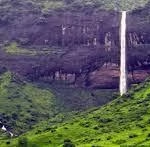
In the middle of Pu Luong Nature Reserve in Thanh Hoa, Hieu Waterfall (called Thac Hieu) mixes beautiful nature, interesting geology and a distinct culture. This amazing waterfall which measures 800 meters in length, begins in the limestone mountains of the Pu Luong–Cuc Phuong range and provides peace for visitors and an insight into the Thai ethnic community’s traditions.
Natural Significance
- Year-Round Cascade
Water from Hieu Waterfall never stops which ensures local residents and farmland are supplied with water through the year. There is a point in the middle of the mountain where the stream breaks into two streams, both reconnecting at the bottom to make a pool about a meter deep that anyone can swim in.
migo.travel - Karst Ecosystem
Because the waterfall is in a karst ecosystem, it contains water with a high content of limestone. The minerals in the land cause any objects or trees there to petrify which helps form a special landscape.
Cultural and Historical Concern
- Etymology and Legend
- It is thought that “Hiêu” comes from the local Thai language which refers to the crooked branches that grow from the landscape. A poor villager from Leo Village, as legend says, found the waterfall and chose to live near it. While people were celebrating, a group of deer arrived at the stream to drink which gave the waterfall and village their names.
- Ethnic Traditions
- Many Thai people from the minority group live in Hieu Village, where they keep their traditional way of life, residing in stilt homes and learning to weave and farm. Travelers can experience the local way of life by taking part in homestays, buying produce and souvenirs at Pho Don Market (on Thursdays and Sundays) and enjoying special local dishes such as duck from Co Lung.
The Best Time of Year
It’s best to visit Hieu Waterfall in June because the waterfall is full and the terraced fields look magnificent and bright.
5.Pu Luong Ancient Stilt House
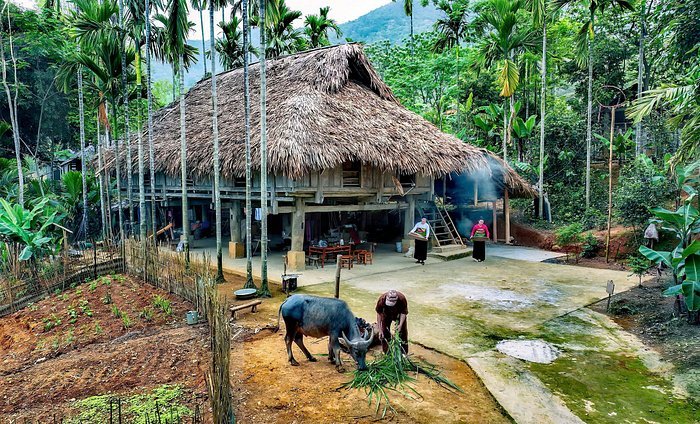
In Pu Luong Nature Reserve, Thanh Hoa Province, Vietnam, are the age-old stilt houses of the Thai ethnic group which show how they combine their traditions with practical architecture and live in harmony with the environment. Nhà sàn such as these, give locals and tourists a chance to fully understand Thai culture.
- Architectural Significance
Stilt houses in Thailand use only materials found in the area such as bamboo, timber and thatch. Being built up on wood stilts, mountain houses are created to fit with hills and shield people from both flooding and wild animals. Since it is open, the space beneath the house acts as storage, a shelter for animals and a good place to escape the heat. - Every household is laid out with a central area for rituals and events and the sleeping quarters are off by themselves. Because of the design, the building gets inside air through natural ventilation and light from skylights, showing respect for the climate and its environment.
The social and historical background of the story.
For generations, the region has been settled by Thai people who continue to grow rice on terraced land and save their cultural traditions. People use stilt houses for housing, but they also play a major role in the community’s social and spiritual culture. Many people mark important days with such activities as weddings, festivals and ancestral worship which ensure the continuity of the culture and maintain ties within the community.
Homestays in Pu Luong give guests a distinctive way to experience this heritage. By studying such experiences, visitors learn about how people carry out their everyday lives in terms of local farming, food and traditions.
- Visiting Pu Luong Golf Resort
- If you want to see Pu Luong at its most striking, it’s best to visit during the times the rice is planted and harvested which are in late May and June and September and October, respectively. During these periods, people can see and help out with traditional farming which improves their knowledge of the Thai people’s connection to their land.
- Road trips from Hanoi are the most common way to reach Pu Luong and travelers have the choices of bus or private transfer. There are many types of accommodations, including eco-friendly and homestays and most of them are built on stilts so visitors can truly experience local life.
6.Bãi biển Hải Tiến
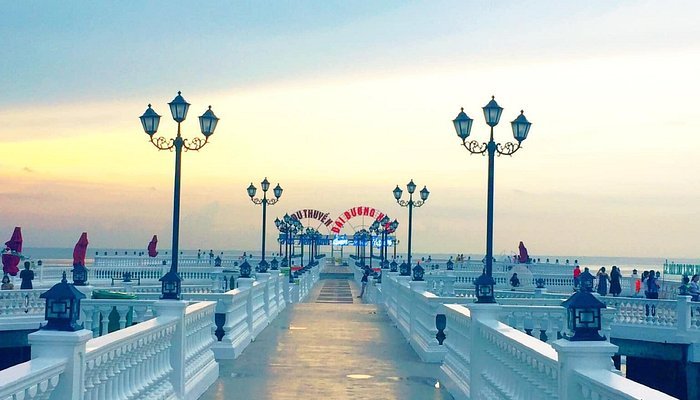
Hai Tien Beach is found in Hoang Hoa District, Thanh Hoa Province and is 165 kilometers from Hanoi and 20 kilometers from Thanh Hoa City. Its 12 kilometers of length make this one of the longest beaches in the North, giving a peaceful spot to relax with its sparkling water, white sands and easy-going atmosphere.
Beautiful Landscapes
Unspoiled Charm
The beach is famous for being unspoiled by development. Swimming and various water sports are enjoyable on the shoreline because of its gentle drops and soft waves. Because of effective wastewater treatment, beach waters remain well-maintained and offer a secure place for all guests to enjoy.
Scenic Surroundings
Lush casuarina forests and rustic fishing boats available along the coast make the place highly appealing to photographers and nature lovers. Because it is peaceful, the area offers ideal spots to relax and walk by the water.
Importance Related to Culture and History
- Historical Sites
- The beach is a natural wonder and is also full of cultural heritage. The area also gives visitors a chance to visit:
- But and Hoi Long Pagodas are called ancient religious spots that can explain how the local inhabitants practiced religion.
- Temples of To Hien Thanh and Trang Quynh honor great figures from history and show how people in the region still value their ancestors.
- Local Legends
- There is a lot of folklore in the area such as the story of Mai An Tiêm, who is believed to be linked to the introduction of watermelons to Vietnam. Such stories add to the cultural background of Hai Tien and give a look at local legends.
Best Season
Hai Tien Beach is most enjoyed by tourists between April and August because the weather is pleasant and the sea is calm which makes activities and sightseeing more enjoyable.
7.Thac May
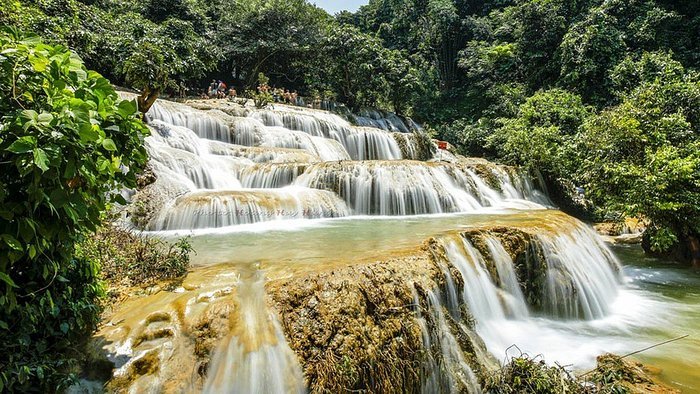
In Thạch Thành District in Thanh Hóa Province, in Thailand country, Thác Mây—which is sometimes known as May Waterfall or the “Nine Steps of Love”—showcases the beauty and culture that Vietnam is famous for. Nearly 100 kilometers beyond Thanh Hóa City, the Lùn Waterfall shows visitors the close connection among mythology, nature and tradition.
Natural Splendor
Thác Mây drops 100 meters to the river, making a series of nine tiers that give it the look of a level staircase. Cloud Waterfall is a good description for it, because the falls are often hidden in a misty curtain. Its surroundings are full of rich forests, huge ancient trees and a variety of wildlife, attracting nature fans from all over.
Cultural Significance
The people in the area near Thác Mây are the Mường ethnic community, who live in traditional stilt houses, some of which have been around for more than 200 years. Getting a feel for the Mường culture, music and food is possible for visitors here.
Resources for Choosing the Best Visiting Time
Although water passes through Thác Mây any time of the year, it is most attractive to visitors from June to August. The growing water volume in these months makes the falls more impressive and plants grow beautifully all around them. Swimming in the pools at the base of each tier is very refreshing which makes the site perfect for summer visits.
8.Tu Thuc Cave
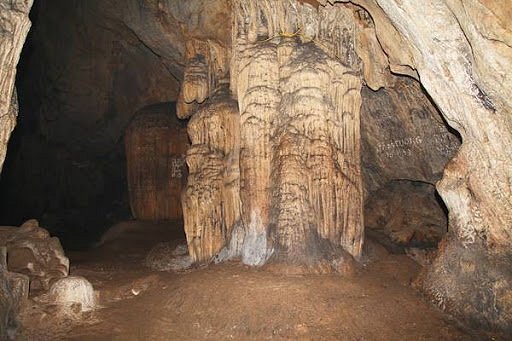
Located in Nga Son District of Thanh Hoa Province, inside the Tam Diep mountain range near Nga Thien Commune, Tu Thuc Cave or Bich Dao Cave, is a beautiful natural wonder surrounded by legend and cultural importance. While it is truly breathtaking, it mostly evades regular tourism, meaning visitors can have a peaceful and mystical time there.
The value that culture and history hold over a piece of architecture
As well as being picturesque, Tu Thuc Cave is important in cultural terms. Since being proclaimed a National Scenic Monument in 1992, it demonstrates the rich history and folklore of Vietnam. Because of its connection with the Từ Thức and Giáng Hương story, the cave has inspired a wealth of poems, songs and artworks, making it an important part of Vietnamese culture.
You can visit Tu Thuc Cave.
You can walk through the forest to the cave which takes 100 steps to reach. The trip gives peace and the only drama comes when you see the beautiful cave up close. The beauty and atmosphere inside Tu Thuc Cave are created by the shadows among the stalactites, evoking those very legends that make people from near and far want to visit.
9.Den Co Bo
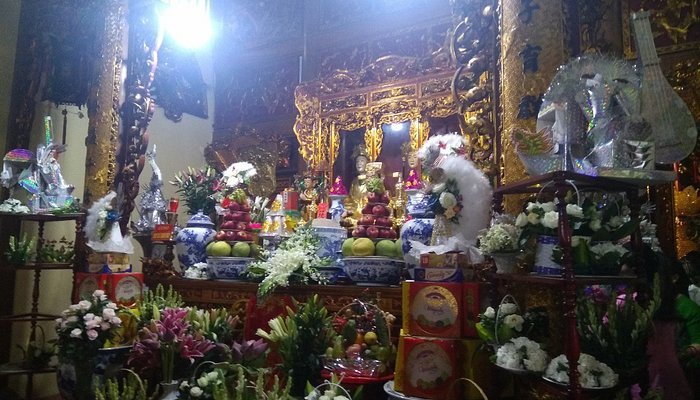
At the heart of Thanh Hoa Province in Vietnam, The Co Bo Temple, also known as Đền Cô Bơ, is a spiritual place respected for its traditional origins and customs. Despite its humble construction, the temple gathers devotees and tourists with its cultural and historical value and a chance to feel connected to the country’s spiritual heritage.
Importance to Culture and Religion
This temple is a key feature of Mother Goddess worship (Đạo Mẫu) in Vietnam, whose tradition worships female deities connected to nature and good virtues. Cô Bơ is among the four main saints worshipped, showing compassion and safeguarding believers. Many people go to the temple to pray for safe travels, good health and success.
Going to Đền Cô Bơ
Although the temple is not big and can be enjoyed in less time, the peaceful feeling and its religious meaning make it truly special. Often, guests to Đền Cô Bơ also visit nearby cultural and historical sites in Thanh Hóa Province, turning their visit into a significant part of their heritage trip.
10.Dan te Nam Giao
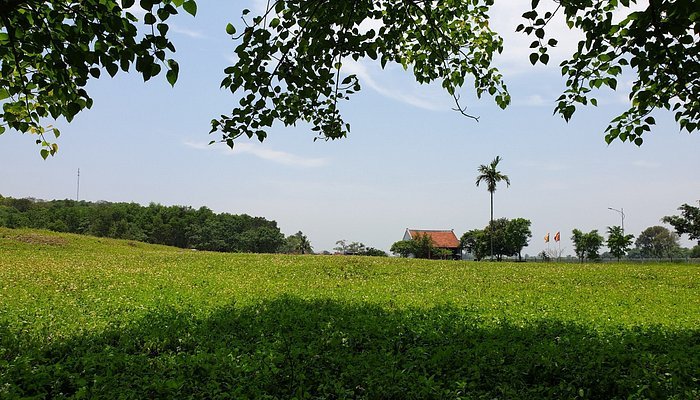
In Vĩnh Lộc District, Thanh Hóa Province, the ancient Đàn Tế Nam Giao (Nam Giao Altar) bears witness to Vietnam’s imperial and cultural heritage. Built in 1402 in the Hồ Dynasty, it is one of Vietnam’s oldest and most intact ceremonial platforms and demonstrates the influence of Confucian and cosmological beliefs at that time.
- Historical Significance
- Only a short time after becoming king, King Hồ Hán Thương, the son of Hồ Quý Ly, had the Nam Giao Altar built. Located about 2.5 kilometers southeast of the Hồ Dynasty Citadel which is a UNESCO World Heritage site, the altar was the place where emperors led yearly ceremonies aimed at pleasing Heaven and Earth and ensuring the nation stayed prosperous and united.
- Because of these rituals, the monarch was seen as the “Son of Heaven,” who kept the world order alive through Confucian beliefs.
Community members honoring old rituals
In 2019, the ancient ceremonies at the Nam Giao Altar were resume after being dormant for many centuries and this happened during the 617th year of its establishment. The reintroduction was planned as one part of a wider campaign to highlight the cultural heritage of Thanh Hóa Province. Thousands came to join the celebrations which featured traditional gifts, processions and performances, stimulating renewed interest in Vietnam’s imperial traditions.
Cultural and Spiritual Tradition
The Nam Giao Altar is a somber sign of Vietnam’s historical and spiritual growth. The book gives important knowledge about the country’s past feudal life, its faith and leading thoughts. The site gives visitors a chance to understand the meaningful rituals that formed the Vietnamese way of thinking which makes it a must-visit for anyone interested in the country’s culture.
Related articles : Top 10 Best Places to Visit in Thừa Thiên Huế – Imperial Citadel, Royal Tombs & Scenic Spots






Pingback: Best Places to Visit in Thái Nguyên – Explore Tea Hills, Lakes & Cultural Heritage