

Now Reading: Top 5 Best Places to Visit in Trà Vinh – Khmer Temples, Beaches & Cultural Gems
-
01
Top 5 Best Places to Visit in Trà Vinh – Khmer Temples, Beaches & Cultural Gems
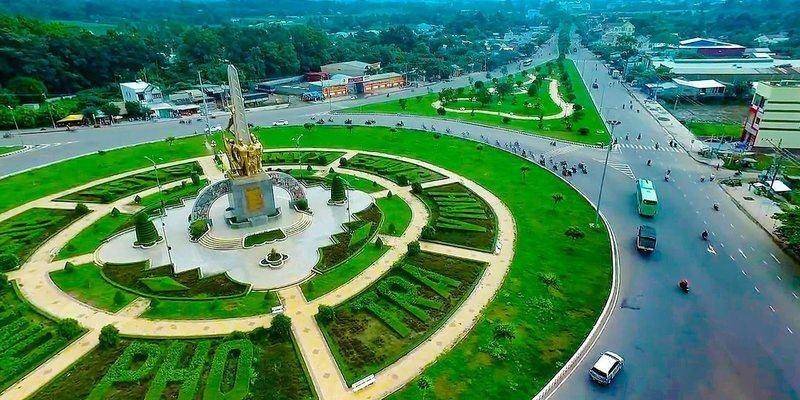
Top 5 Best Places to Visit in Trà Vinh – Khmer Temples, Beaches & Cultural Gems
1.Ang Pagoda
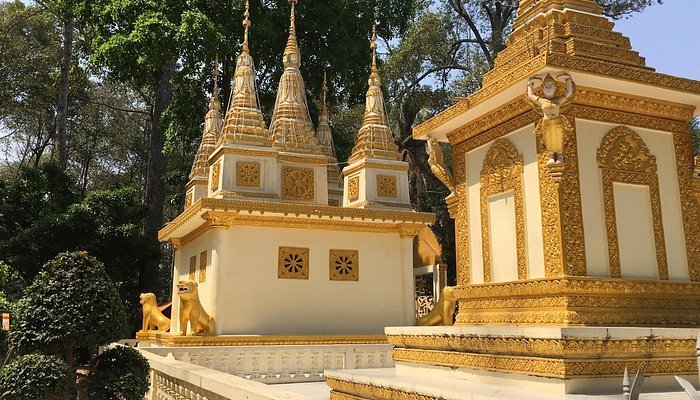
Historical Background
The pagoda Ang Pagoda, also known as Angkorajaborey Pagoda, is one of the oldest in the Khmer community in the Mekong Delta, in Trà Vinh City, Trà Vinh Province. There is debate about when the building was built; some opinions date it to 990 and others say it was before 1715. The pagoda was rebuilt using valuable woods, bricks and tiles in 1842, to preserve the Khmer architectural look. Ang Pagoda was given the status of a National Historical and Cultural Relic by the Ministry of Culture, Sports and Tourism in 1994.
- Architectural Significance
- Standing in about 4 hectares, Ang Pagoda hides inside a century-old forest near splendid Ba Om Pond. The style of the pagoda reflects how Khmer, Vietnamese, Chinese, Thai and Indian traditions are combined. The main hall (Preah Vihear) stands out from others by using a wooden frame structure and having three levels of tiled roofs that are decorated with reclining dragons and curved dragon scales. The roof is sustained by twelve beautiful wooden pillars covered in dragon patterns and painted with gold. The life story of Buddha Shakyamuni is portrayed in many large murals covering the walls and ceiling. There is a tall Buddha statue in the center and it is encircled by 55 Buddha statues in various sizes, built from cement and different types of wood.
- Right in front of the main hall you will find the sole five-peaked stupa in Trà Vinh which is inspired by Hindu ideas of the five elements that make up our universe.
Importance to Culture and Religion
Ang Pagoda is a major place for cultural and religious activities for the Khmer people living in Trà Vinh and the South. Many tourists visit at the Ok Om Bok festival, a special time on the full moon day of the tenth lunar month. Youngsters can participate in Pali language, math, physics, chemistry and Buddhist sutras courses which are offered for free at the pagoda.
- Go here for official Tourism Bureau information.
The address is Khom 4 Ward, Trà Vinh City, Trà Vinh Province, Vietnam. - You can visit the amusement park every day.
- Most vibrant time to visit Cambodia is during festivals such as Chol Chnam Thmay (Khmer New Year), Dolta (Ancestor Worship) and Ok Om Bok (Moon Worship).
2.Ong Pagoda

Historical Background
The Chinese temple Ong Pagoda or Quang Trieu Assembly Hall, is found in the center of Can Tho City, Vietnam. From 1894 to 1896, Cantonese people from Guangdong Province in China built the pagoda and it served as a meeting place for people in the Chinese-Vietnamese community in the Mekong Delta. For a long time, it has continued to form a large part of Can Tho’s cultural heritage, protecting the traditions and beliefs of those who first settled there.
Architectural Significance
Over 500 square meters, the building presents Chinese architecture and includes detailed wood carvings, colorful tiles and detailed sculptures. This design has buildings linked in a structure shaped like a square “Quoc” (國), each one closely connected to the others. Ridge tiles in green and the style of yin-yang tiles adorn the roof and make the exterior special. Huge red columns line the inside of the main hall and the walls are painted with several types of traditional decorations such as plum blossoms, bamboo, chrysanthemums, dragons and phoenixes.
- Cultural and Spiritual Significance
- This temple, Ong Pagoda, is named in honor of several guardian gods of Chinese culture: Guan Sheng Di Jun (Guan Yu or Lord Guan), who stands for righteousness and loyalty; Mazu (Heavenly Empress), who helps sailors and seafarers; Caishen (God of Wealth); and Guanyin (Goddess of Mercy). The temple’s spiral incense offering ceremony involves inserting red plaques showing each person’s name and year of birth into large, continuously burning coils of incense meant to keep prayers alive for peace and prosperity up to 12 days.
- The religion-based Ong Pagoda secretly sheltered activists in Can Tho during the resistance against the U.S., thus acting as more than a place of worship. Because of its culture and history, Ong Pagoda was named a National Architectural and Artistic Heritage Site by the Vietnamese Ministry of Culture and Information in 1993.
Visiting Information
- 32 Hai Ba Trung Street, Ninh Kieu District, Can Tho City is its location.
- Operating Hours are Daily from 7:00 AM to 9:00 PM
- Admission: Free
- Best moments to see the pagoda are Guan Sheng Di Jun’s feast day, held during the 24th day in the 6th lunar month, as well as during the Lunar New Year, when the pagoda shines with festive activities and ceremonies.
3.Moc Nhien Spa
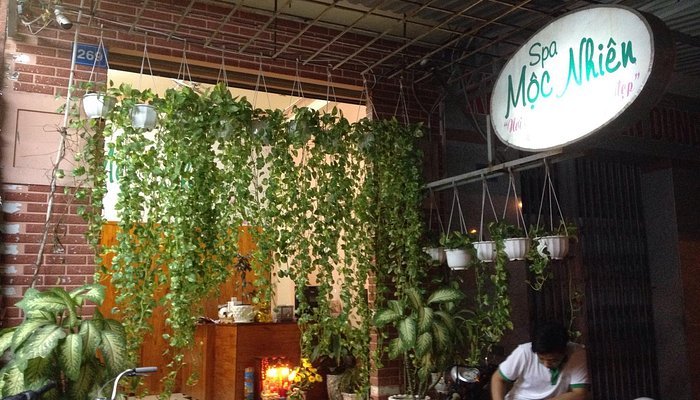
Mộc Nhiên Spa which is in Trà Vinh City, Vietnam, is known for its natural therapies and peaceful atmosphere. Exclusively designed for women, the spa provides a comfortable place to relax and revive, using methods from traditional and modern Vietnamese treatments.
Significance
Despite having a modern look, Mộc Nhiên Spa keeps its Vietnamese traditions alive by adding them to the treatments. Especially, the spa provides herbal baths based on the Red Dao ethnic group’s customs which are recognized for helping to soothe muscles and boost overall health . The merging of old and new gives spa guests a true idea of what a Vietnamese spa is like.
- The office is found at 269 Lê Lợi Street, Khóm 1, Ward 3, Trà Vinh City, Vietnam.
- Hours of Operation: From 8:00 AM to 8:00 PM daily you can visit this place.
4.Mita Tour
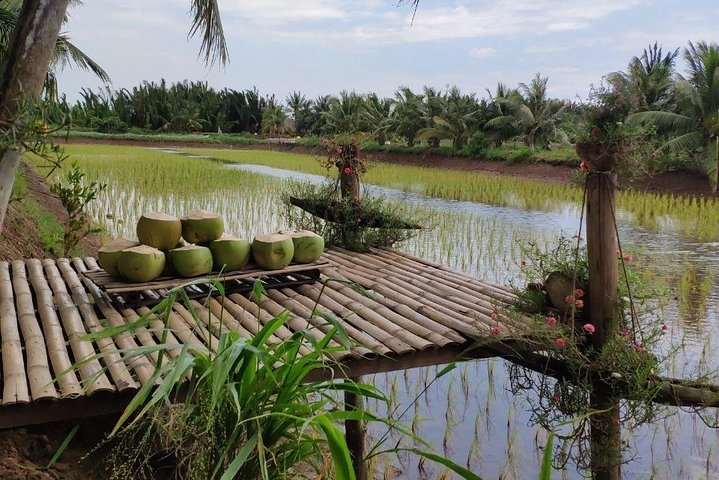
Based in Vietnam, MITA Tourism is an active tour agency that aims to give people the best personalized and tailored travel services. Though the enterprise is new, it has a group of professionals with lots of experience from established travel agencies. By having this expertise, the company provides both local packages and international tours, mainly highlighting popular destinations like Europe and Australia.
Important Role in Vietnam’s Tourism Sector
The role of companies like MITA Tourism is important for changing and improving tourism in Vietnam. Vietnam has been taking steps to promote several types of tourism, among them MICE (Meetings, Incentives, Conferences and Exhibitions), eco-tourism and cultural tourism, with the aim of leveraging its strengths in international integration and making tourism one of its top economic sectors. MITA Tourism works towards this vision by preparing packages for travelers from all over which contributes to Vietnam’s ambition to be renowned as a world travel spot.
- Location: [The company has not provided an address; if needed, see their website or contact them for more details.]
- Opening Hours: [This information is not available; direct contact with MITA Tourism is needed to find it.]
5.War Remnants Museum
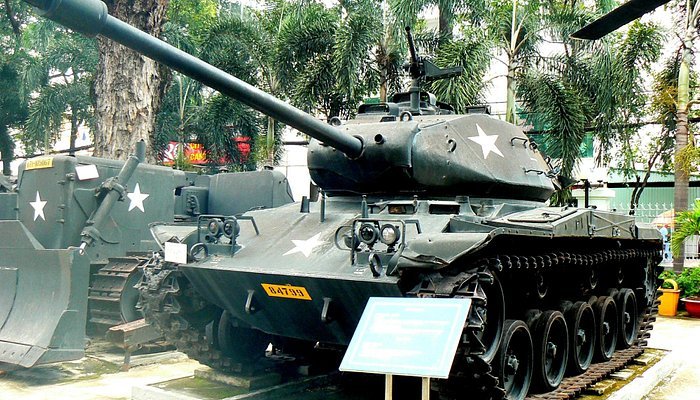
Historical Overview
After the Vietnam War ended on April 30, 1975, the War Remnants Museum in Ho Chi Minh City was established on September 4, 1975 and now keeps memories of the country’s difficulties alive. Originally called the “Exhibition House for US and Puppet Crimes,” the museum was renamed several times to match Vietnam’s shifting relations with the world. In 1995, as ties with the United States improved, it renamed itself to underline a broader look at war remnants.
Advantages and Usefulness
As well as housing war artifacts, the museum offers programs and information to help people learn about the bad results of war and the value of peace. It receives up to 500,000 visitors each year and more than two-thirds of those people are tourists from other countries . The museum’s many exhibits have encouraged better understanding and helped heal the wounds of the Vietnam War through sharing a variety of narratives.
The address is: 28 Vo Van Tan, Ward 6, District 3, Ho Chi Minh City, Vietnam
Working Hours: 7:30 AM in the morning until 6:00 PM each day
Admission at the park costs about 40,000 VND (price might change).
Related articles : Top 10 Best Places to Visit in Tuyên Quang – Lakes, Caves & Cultural Heritage




Pingback: Best Places to Visit in Tiền Giang – Explore Floating Markets, Orchards & Cultural Gems