

Now Reading: Top 5 Best Places to Visiting in Khordha – Temples, Caves & Nature Escapes
-
01
Top 5 Best Places to Visiting in Khordha – Temples, Caves & Nature Escapes
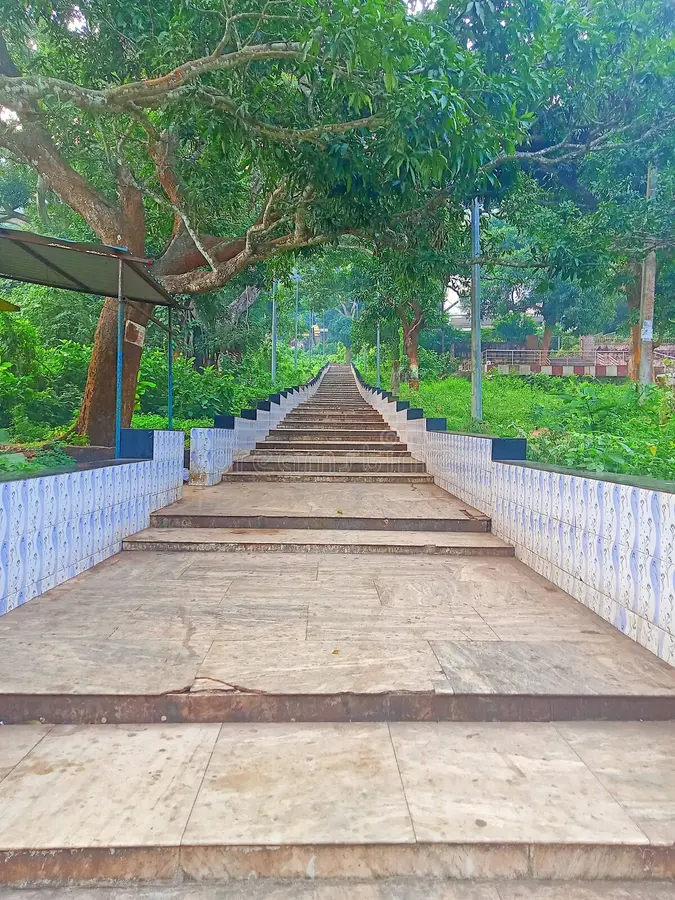
Top 5 Best Places to Visiting in Khordha – Temples, Caves & Nature Escapes
1.Atri
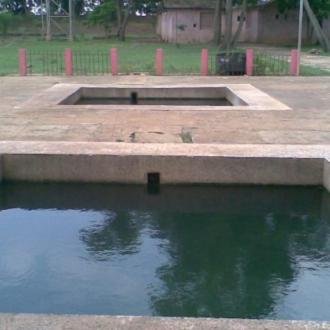
The perennial Hot Spring creates the main reputation for Atri. People use the hot spring extensively as well as intensively for medical purposes when treating skin conditions. The water temperature of the Hot Spring (57 degrees centigrade) shows small amounts of sulphur taste after heating the water to 100 degrees centigrade. The Bathing Complex managed by the Govt. of Orissa operates at Atri. The sacred shrine of Lord Hattakeswar Mahadev exists in a close proximity to the Hot spring. The Hatakeswar temple hosts Makar Jatra which welcomes many visitors each year to worship Lord Hatakeswar while they seek their wishes and seek healing from pond bathing.
2.Bhubaneswar
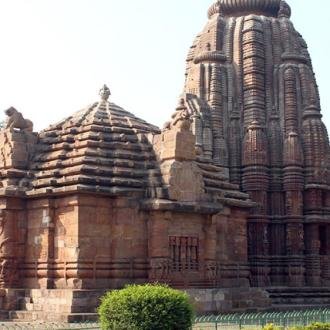
The religious city of Bhubaneswar functions as the administrative capital of Orissa in India. People estimate Ekamra Vana of Bhubaneswar contained over 7000 temples during its whole period. The historic Bhubaneswar exhibits temple landmarks starting from the 6th century with Satrughaneswar alongside laxamaneswar temples alongside the 11th-century Lingaraj temple existing within the old town area. Anant Basudev temple constructed during the 12th and 13th centuries was positioned east of Bindu Sarovar Tank. The 1st century B.C. saw the creation of the Khandagiri and Udayagiri Caves that stand as rock-cut architectural wonders of Jain significance near the city. Nandan kana Gardens create a beautiful landscape on the north bank of Kanjia Lake as a zoological paradise. The city of modern Bhubaneswar now gathers reputation through its IT center and software park development and its successful hosting of conferences and conventions.
- Best Time to Visit : October to March
3.Mangalajodi
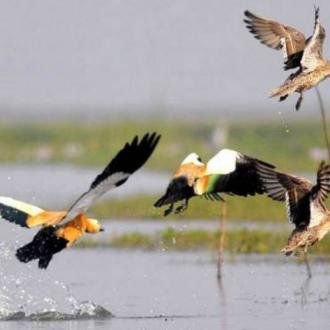
The tourism area of Mangalajodi Ecotourism exists 40 kilometers away from the main district building. Located on Chilika Lake’s northern shores in Odisha this Ecotourism location attracts more than 3,00,000 birds during winter season in “The Bird’s Paradise”. The unique ecosystem exists as its only kind while protection methods directly relate to sustainable living. The goal of Mangalajodi Ecotourism is to raise community awareness so they transform natural ecosystems into sustainable income by using controlled low-impact tourism instead of temporary extractive practices. Protection of wetlands together with their bird populations remains the essential element behind the entire program.
Best Time to Visit : October to March
4.Dhauli
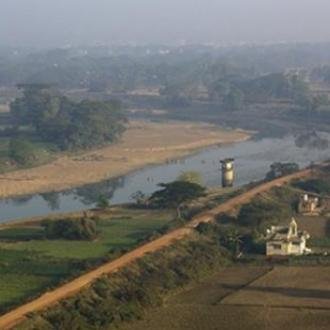
The Kalinga Nippon Budha Sangha established the Peace Pagoda known as Shanti Stupa in 1973 as a monument to show Emperor’s transformation in heart. Ashoka developed a unique affection for Dhauli because it was the battlefield. Many people lost their lives during the Daya river battle which supposedly caused the water to become dyed red with blood thus showing Ashoka the terrible reality of warfare. As a result he established Dhauli into becoming an essential hub for Buddhist practices. Multiple chaityas along with stupas and pillars emerged because of his development efforts there. The king ordered excavations for Buddhist temples while adding instructions for his officials along with dandaniti principles for the public which he backed with special dignities to his new realm in addition to building the Dhauli stupas.
5.Nandan Kanan
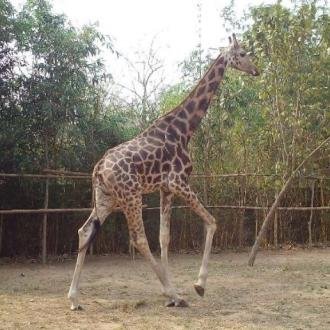
The Nandan Kanan National Park establishes itself 20 Kilometers from the Odisha capital which is Bhubaneswar. Entering the park will validate its designation as Nandan Kanan which represents Garden of Pleasure. A natural forest encloses the area that stands close to Lake Kanjia. The Zoo maintains an international recognition for reproducing white royal Bengal tigers within captivity and it operates independent safaris for both tigers and lions. Visitors can enjoy boating on Kanjia Lake because the Botanical Garden sits at the northern part of the zoo park. The tourism location provides visitors with the chance to use Elephant Rides as well as toy trains and ropeway attractions.
Related articles : Top 5 Best Places to Visiting in Kendujhar – Waterfalls, Temples & Tribal Culture





Pingback: Best Places to Visiting in Koraput – Deomali Peak, Gupteswar Cave & Jagannath Temple