

Now Reading: Top 10 Best Places to Visiting in Kohima – War Memorials, Peaks & Cultural Sites
-
01
Top 10 Best Places to Visiting in Kohima – War Memorials, Peaks & Cultural Sites
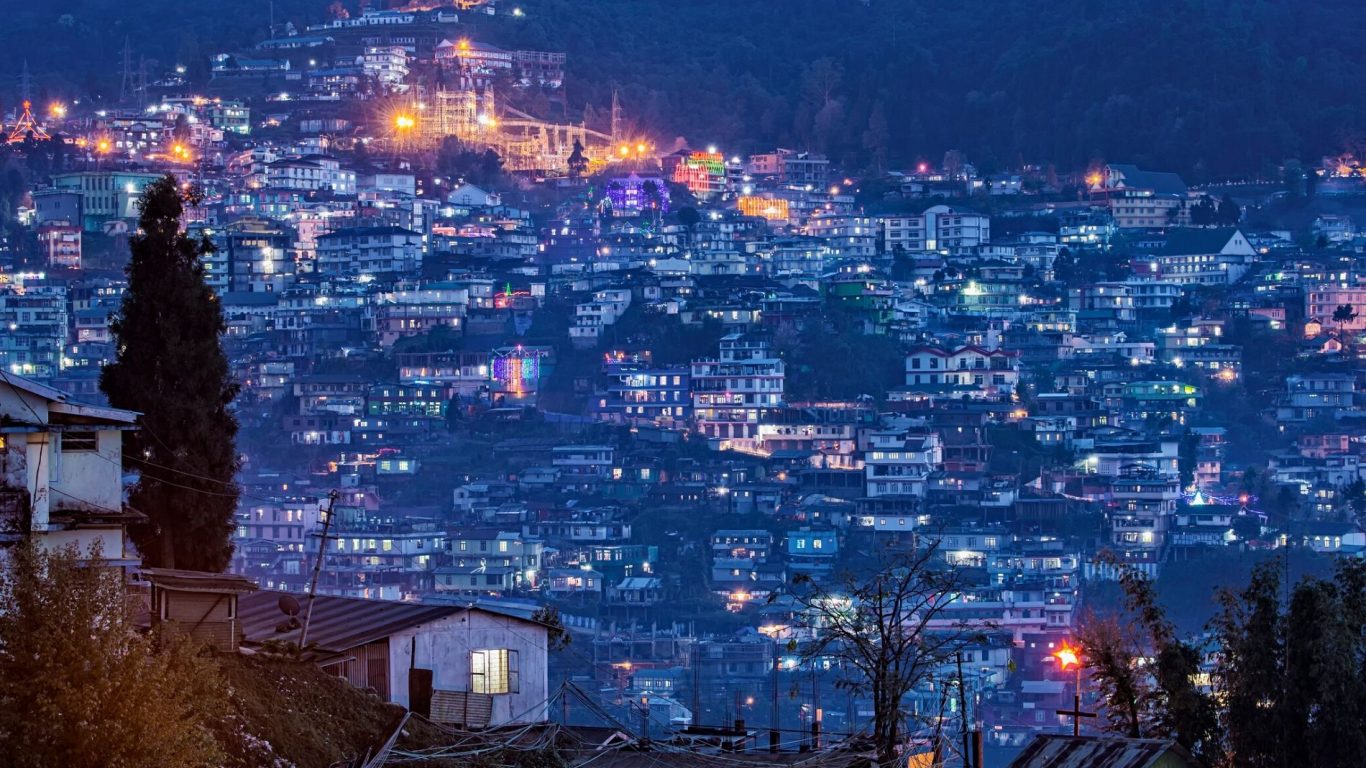
Top 10 Best Places to Visiting in Kohima – War Memorials, Peaks & Cultural Sites
1.Japfu Peak
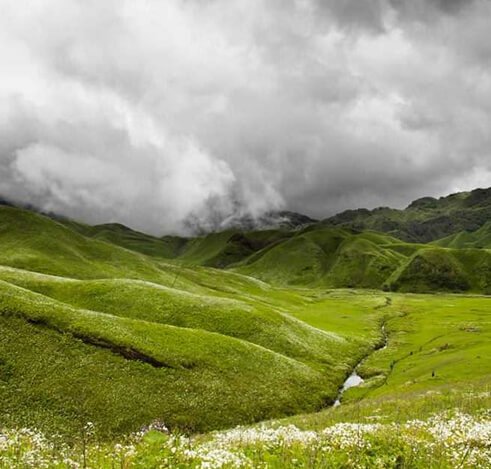
Tourists consider the Japfu Peak to be one of the essential attractions in Nagaland because it forms part of the picturesque landscape that earned the state its ‘Switzerland of the East’ designation. The Japfu Peak stands today as a major attraction among towns near Kohima while developing recognition as one of the premier tourism sites throughout the North East region. The summit reaches 3084 meters height while located 25 kilometers from Kohima. Being the second tallest peak in Nagaland it reveals an enchanting view of Dzukou Valley featuring dense green vegetation and thick natural surroundings which together create one of the most extraordinary trekking experiences under Himalayan snow-capped mountains. Guests mostly visit the North East ‘valley of flowers’ during continuous blooming seasons since experts believe it was formed from an extinct volcano crater. Japfu Peak functions as an emerald collection that links every area in its surrounding territory thus making its high-altitude view desirable for nature enthusiasts. Subtropical vegetation blankets the surroundings where hill birds create a delightful music. The precious Blythe Tragopan bird finds its habitat within the dense forest environment among rhododendron trees which measure up to 130 feet tall with 1 foot in diameter.
Best Time to Visit
- Visitors should plan their trip to Japfu Peak during the period from June through September. The valley creates a spectacular visual appeal through its completely blossomed flowers for all viewers to appreciate. The days generally remain nice but temperatures drop steeply by more than ten degrees during nighttime.
2.Heritage DC Bungalow
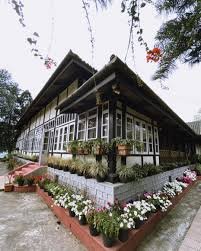
The Heritage DC Bungalow shows itself as the oldest structure in Kohima while being celebrated for its magnificent elegance and sophisticated comfort. The bungalow exists only within four rooms at the Officers’ Hill of Kohima. Visitors can find this serene resort located in the vicinity of the market area. An exquisite expression of Naga culture and ancient atmosphere now exists at the bungalow through its Naga pavilion and Naga hut and covered court. You can find artwork throughout the building which provides a visual experience to visitors. Heritage DC Bungalow exists as a vital stop for touristic discovery of Nagaland through its growing interest in cultural heritage sites. During Hornbill festival North East receives more than one hundred thousand tourists who also show great interest in visiting the bungalow at that time.
Best Time to Visit
- For an ideal visit to Kohima, Nagaland the optimal months fall from October through to May. Acquiring a reservation slot in the bungalow represents a major challenge to visitors. You need to establish a plan in advance while also booking your reservations.
3.Touphema Village
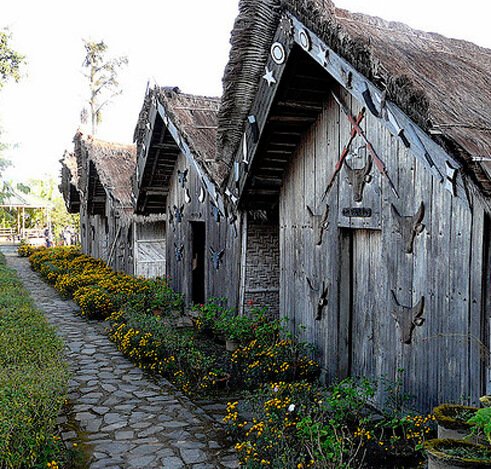
This exclusive facility exists for tourists to educate them about Naga cultural heritage as well as historical traditions. Tourism Department of Nagaland worked together with local community members for constructing this village. Tourists constantly search for Kohima’s village which presents traditional Naga architecture through indigenous decoration of its architectural huts. If you want to fully embody Naga life then you should pre-book your hut. Guests can enjoy hut accommodations in the village as a main advantage. The huts remain in inhabitable condition while providing bathing and sleeping facilities.
Best Time to Visit
- The pleasant climate throughout Nagaland allows tourists to visit the village at their convenience throughout the year. The area experiences pleasant temperatures during summer months but the weather turns cold during winter.
4.Dzukou Valley
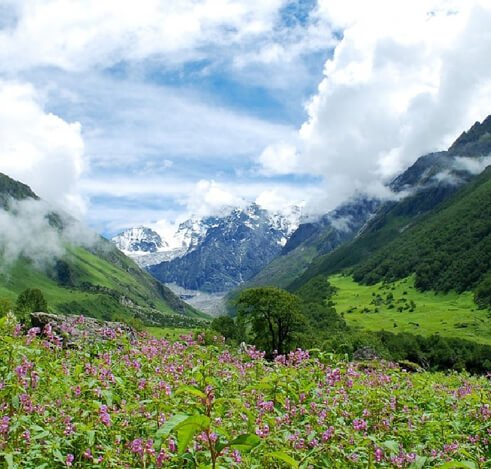
Visitors flock to the Dzukou Valley which also operates under the name Valley of Flowers as the leading destination in the North East region. Global tourists consider this location at 2450 meters elevation to be among the top adventure destinations of Kohima’s area of Nagaland. This travel site hides behind the Japfu range also serving as an essential spot to explore for state tourists.
Tourists usually visit this location specifically during lily blooming season since the colorful mixture of pink and white lilies with aconitums and euphorbias makes the valley beautiful.
Best Time to Visit
- One must visit the important North East destination named Valley of Celestial Charm between June through September which corresponds to the full bloom season.
5.Intanki Wildlife Sanctuary
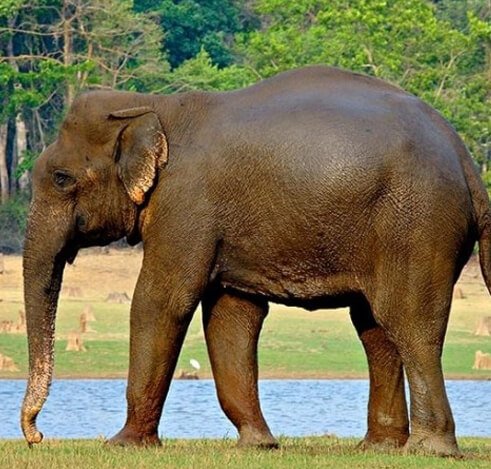
Located in Kohima the Intanki National Park boasts 202.02 kilometer square of territory which functions as a beloved visitor destination. The National Park status was confirmed in 1993 for this territory that supports numerous animal species including Golden langur, Hoolock gibbon and Palm civets and Tigers as well as Sloth bear and Wild dogs and Flying squirrel and Black stork and Monitor lizard and Python. The equatorial forest covers an expansive area known for its natural beauty alongside its semi-tropical vegetation types. Legislation passed by the government declared the park as an elephant reserve in 2005.
Several dominant plant species exist alongside Mahogany, Rattan, Bamboo, Pinus Khasyia, Pinus Caribiae, Palms, Passiflora edulis, Oroxylum indicum, Rubia cordifolia, Elaeocarpus ganitrus, Dipterocarpous macrocarpous, Mesua ferra, Panax gensing, Shorea assamica, Aquilaria agallocha, Pleoni, Phauis, Cymbidium tigrinum inside the national park.
Best Time to Visit
Visiting this North East destination is most enjoyable during the time period between November and February. Visitors can secure their vacation dates through reservations at the forest rest house to achieve the most enjoyable experience. The circuit house together with the PWD Inspection Bungalow function as alternative accommodations available at the location.
6.Catholic Church
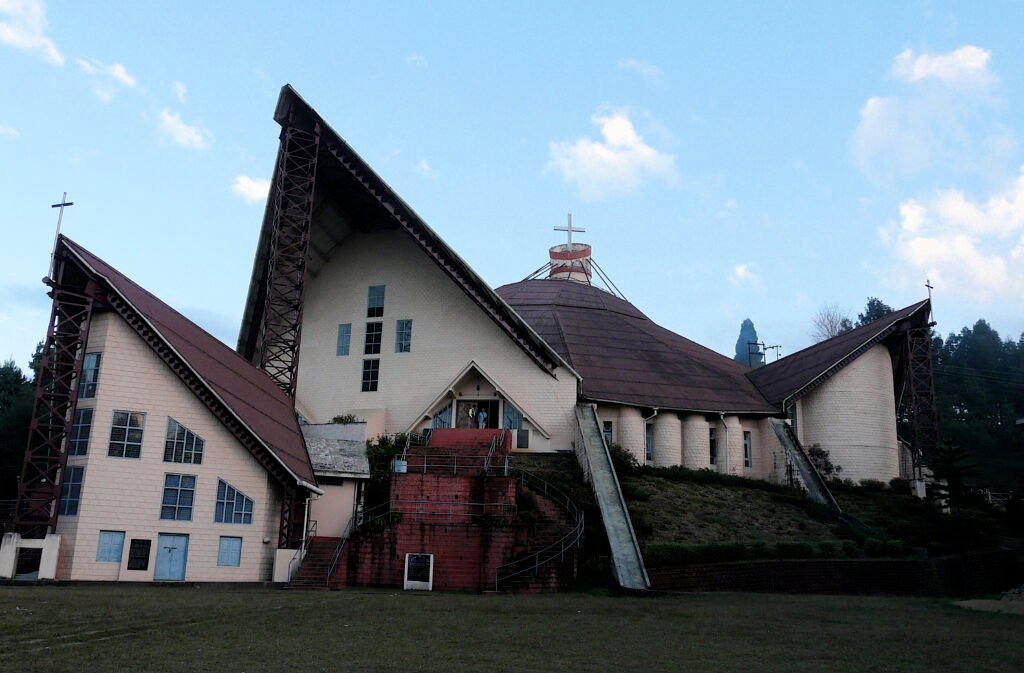
Kohima features the Catholic Church as its exceptional architectural masterpiece. The structure is admired for its architectural excellence while remaining the religious headquarter of the Catholic Church in Nagaland. The Diocese makes its home at this site which provides deep spiritual importance to every resident of Nagaland.
One side of the Armature Hill contains the semicircular structure. Artistic beauty stands out from the semicircular pew gallery that offers seating for 3000 individuals. The church building allows standing visitors to reach its full capacity of 1500 people. The building includes designated areas for baptisms in addition to confession and adoration spaces etc.
A crucifix reaches 16 feet in height to become the largest in Asian territory. The building receives sufficient daylit conditions because its transparent roof design.
Kohima’s tourist site highlights the Naga culture while drawing interior design from native people’s way of life. The Naga culture serves as inspiration for the entire artistic development of the painting and furniture and building design. The entire campus maintains four gates that lead toward the different directions.
Best Time to Visit
- The most suitable season to explore Kohima exists during the period from October through May since temperatures fluctuate between 16 degree Celsius up to 35 degree Celsius.
7.Naga Heritage Village
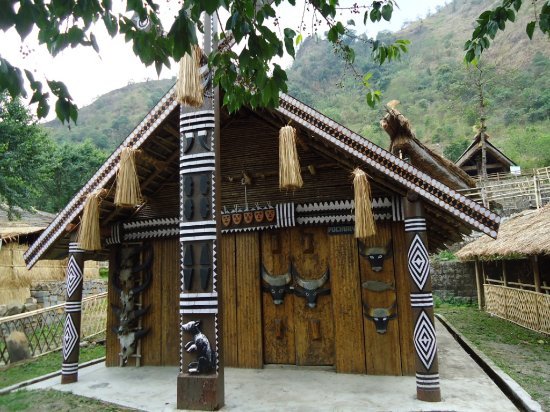
Of all the heritage sites in Nagaland Kisama Heritage Village stands as the only one. Scenic beauty surrounds the entire area which stretches from the foothills of glistening evergreen hills that form the boundary of this settlement. The location embraces all varieties of vegetation. The traditional cultural heritage of Naga Heritage village remains abundant. Hundreds of visitors visit this main tourist spot during the entire year. People who decide to visit this location discover an extraordinary experience that differs greatly from the rest of the nation. The village communicates its ethnical history through the powerful expression of its ancestral cultural traditions. Traditional houses stand out by their woven roofs which blend with wooden walls decorated with precise wooden carvings of diverse patterns creating an authentic rural atmosphere. The visit makes you relive a distinct historical period that remains untouched in the present day.
The settlement consists of sixteen Morungs that demonstrate 16 community groups of inhabitants living there. The community groups have preserved World War II artifacts together with traditional food stations along with bamboo buildings that showcase the famous Hornbill Festival stadium. Scenic beauty throughout the village attracts numerous visitors who have driven tourism toward rapid expansion throughout recent years.
The village hosts the leading festival of Northeast Asia which celebrates during the first week of December during The Hornbill Festival. It is known as the king of festivals in popular terminology. Due to its total dependence on agrarian activities the people consider this festival sacred because of its important cultural status.
Best Time to Visit
- People find Naga Heritage Village most pleasant during the winter season.
8.Kohima Museum
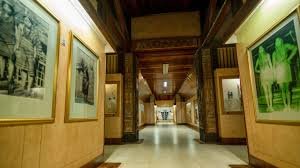
“When you go home tell them of us and say, for your tomorrow we gave our today”. These are the inscriptions etched on the stone kept in the Kohima Museum. These can definitely give shivers to the visitor. The japanese 15th army attacks had stalled at Kohima, which had happened from 4th of april to 22nd June 1944. The battle of Kohima was a historic battle in North East which was close to the border of Burma. Although the Japanese military was trying hard to march to go into India, it encountered strong defense and was beaten.
Located at the Upper Bayavu Hill, Kohima Museum is a well-known attraction for tourists showcasing the tradition and the history of the Nagas. They have the most uncommon collection of articles and priceless treasure since the days of the Nagas. Mostly the exhibits on display are the statue, jewellery, pillars, gate posts and has a separate shed with a ceremonial dhum which is said to be like dug up Figure of War. Regional endemic birds and animals are situated at lower floor of the museum.
Best Time to Visit
- Winter is when the museum visit must be done. A cold morning with anticipation of discovering something new will make one be looking forward to the whole day.
9.Kohima War Cemetery
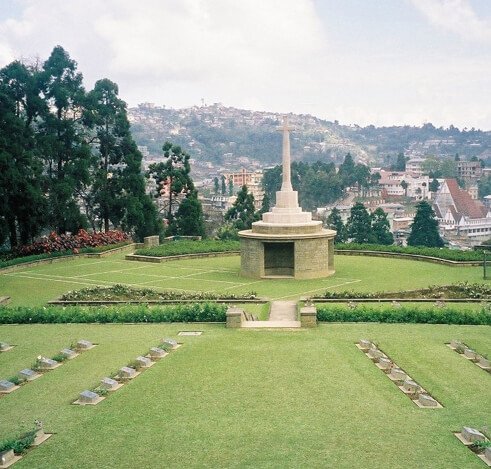
The War Cemetery in Kohima was constructed in a year April 1944 to commemorate to the death of soldiers who were died in the Second World War. This war cemetery was constructed in the memory of those soldiers of the Allied forces of 2nd British Division. In the tennis court area of DG residences these soldiers died in the Garrison hill battleground. According to the report of CWGC maintains the cemetery of the world, compiled 1420 Commonwealth burial of those who died in World War II. As many as 917 other Hindu and Sikhs were cremated in accordance with their social customs. The Commander of 14th Army (Burma) Field Marshal Sir William Slim had devoted the memorial.
This place is very tourist attraction as it gives more info about our old history. The planned Burma attack by japanese army was hindered by the Japanese army attacking the British station army in north east India that were in march 1944. Later in April, the Japanese army after capturing the Garrison hill, attacked on commonwealth forces. In 2013, the British National Army Museum, described Imphal and Kohima as Britain’s greatest battle.
Best Time to Visit
- The ideal time to visit in this place is in the winter. Backpacking can be all the more thrilling and fun with winter.
10.Kohima Botanical Garden
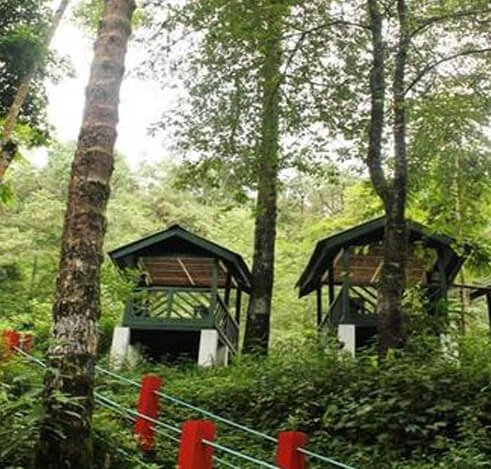
Kohima Botanical Garden in Nagaland is a peculiarity on its own. The tour will be incomplete if this Botanical Garden in the capital of Kohima is not visited. The very beautiful flower laden garden can forcely chase any one. Taking a garden walk is not only refresher for mind but also gives immense fun. You can spend almost 2-3 hours in Kohima Botanical Garden. The visiting time of this garden is 9am – 4pm. North east tourism will be said to be incomplete if botanical garden is not made one of its premier tourist attractions.
Best Time to Visit
- It is always divine to come to gardens during any time of the year. For winter is indeed the season to be able to view the beauty of the garden under a canopy of trees with blooming flowers. Perhaps from September till mid of March will be the best time to visit Kohima Botanical Garden.
Related articles : Best Places to Visiting in Kiphire – Saramati Peak, Caves & Cultural Sites







Pingback: Best Places to Visiting in Longleng – Dikhu River, Bhumnyu Village & More