

Now Reading: Top 7 Best Places Visiting in Nalanda for History, Culture & Spirituality
-
01
Top 7 Best Places Visiting in Nalanda for History, Culture & Spirituality

Top 7 Best Places Visiting in Nalanda for History, Culture & Spirituality
1. Gridhakut Hill
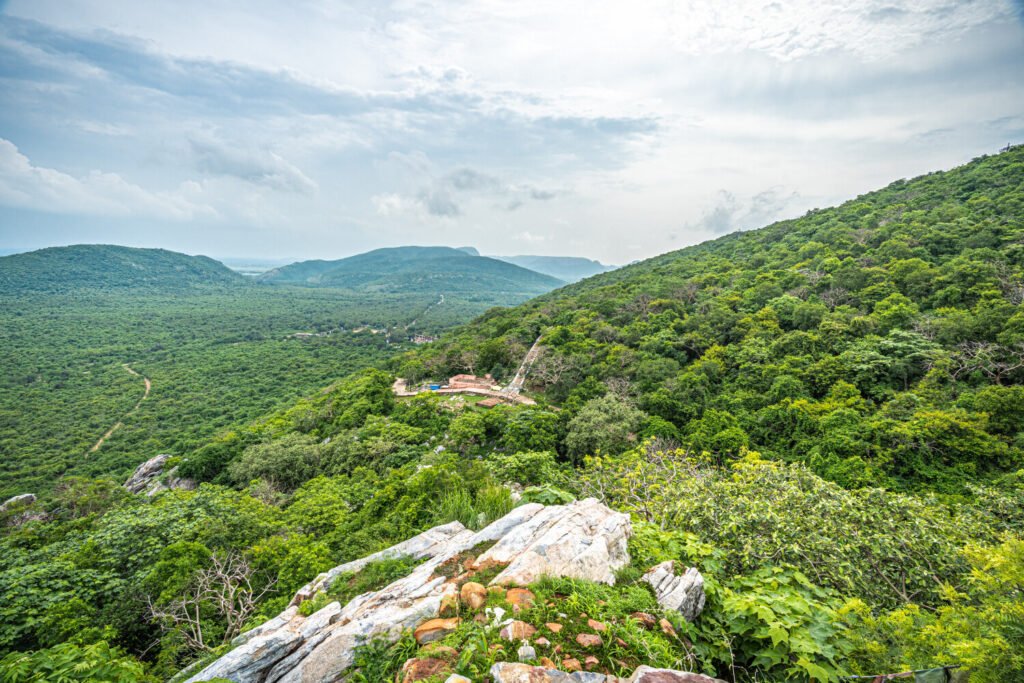
The religious site of Gridhakuta Hill stands in Rajgir city inside Bihar state and Buddhists worldwide recognize it through its alternate name Vulture Peak. This location among Buddhist sites preserves deep reverence because it relates to Lord Buddha’s instruction of spiritual knowledge and meditation. A geologic rock formation on the hill resembles the head of a Vulture thus giving the site its name. According to ancient Buddhist texts this site exists under its ancient name Gujjhakut while modern scholarship identifies it as Gridhakuta Hill where Buddha preached profound lessons including Lotus Sutra.
History
Buddhist tradition along with history considers Gridhakuta Hill a crucial location. Lord Buddha used this location for meditating during his life and it became the place where he delivered many critical teachings to his followers. Buddha used the quiet hill for meditation while he preached his teachings to his followers and companions.
The most important occurrence at Gridhakuta Hill involves Buddha delivering his Lotus Sutra teachings which established compassion as well as wisdom and enlightenment. Buddha delivered his famous Lotus Sutra sermon from Gridhakuta Hill which drew numerous followers so the site became a prominent Buddhist teaching center of that time.
The area holds importance for the first Sangha where Buddha taught his disciples Sariputta together with Mahakashyapa and Ananda while bestowing them with spiritual wisdom.
The Discovery of Buddha’s Statue
The discovery of a 600 BCE Buddha statue occurred at Gridhakuta Hill when archaeologists carried out their excavations. The historical statute from the Mauryan artistic era resides at the Archaeological Museum of Nalanda drawing both enthusiasts of history alongside believers.
Scenic Beauty and Meditative Ambiance
Gridhakuta Hill radiates spiritual power and natural aesthetics to become an ideal spot for spiritual meditation. People who meditate on the peak frequently note that they attain profound peace as well as inner serenity. The divine atmosphere at Gridhakuta Hill becomes complete with its amazing forest and mountain view and the scenic path to Ghoda Katora Lake. The peaceful green landscape combined with singing birds and peaceful environment welcomes all individuals who want spiritual tranquility.
Best Time to Visit
The most suitable months to explore Gridhakuta Hill are during fall and winter from October through February because the climate during this period offers excellent conditions for hiking and recreational activities. The active spiritual atmosphere of Buddha Purnima becomes the highlight of a visit since it marks the triple milestone of Lord Buddha: his birth and enlightenment together with his passing.
2. Hieun Tsang Memorial Hall
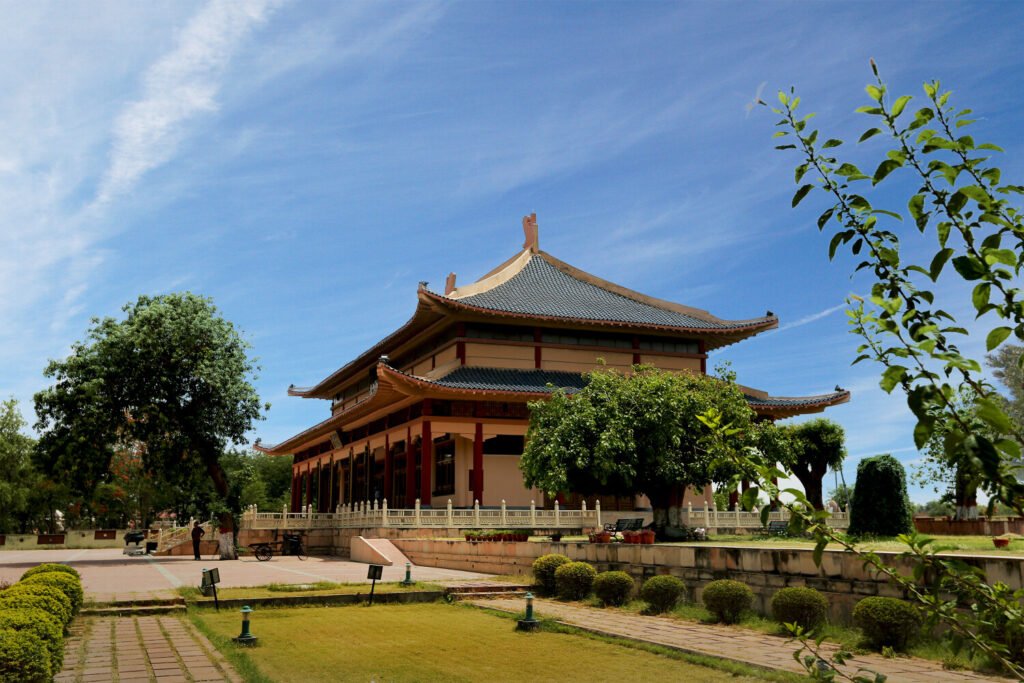
The Hiuen Tsang Memorial Hall exists beside Nalanda University ruins to honor the Chinese scholar and traveler Hiuen Tsang by his Chinese name Xuanzang who recorded Indian history while propagating Buddhism throughout China. The extensive travel documents he wrote gave priceless understanding of ancient India alongside its society and traditions and education facilities. The memorial facilities attract visitors with diverse interests including historians as well as Buddhists and international tourists because of its architectural fusion between Indian and Chinese styles.
History
Hiuen Tsang reached India in 630 CE to meet King Harshavardhana while performing his pilgrimage. He dedicated his life to studying India for almost 17 years during which he visited many Buddhist sites while he learned the culture and wrote about the social and political conditions of the country. At the time Nalanda University served as one of the most famous academic centers so Hiuen Tsang chose to study there. After Nalanda, he took up a teaching position which allowed him to study Buddhist philosophy and Sanskrit as well as Indian sacred texts.
His travel record titled “The Great Tang Records on the Western Regions” remains an essential historical work that describes Indian civilization in the seventh century with great detail. The text presents significant evidence about the prospering Buddhist monasteries and trade networks along with cities and kingdoms from ancient India.
The erection of Hiuen Tsang Memorial began as an expression of cultural diplomatic relations shared by China and India. India received the relics and biography of Hiuen Tsang as well as memorial funding from His Holiness the Dalai Lama and Panchen Lama of Tibet during January 1957 under the prime ministership of Jawaharlal Nehru.
The construction of the memorial began with a foundation stone laying ceremony in 1960 yet various construction causes resulted in a project completion during 1984. Today the Hiuen Tsang Memorial Hall exists as a cultural symbol which demonstrates India-China solidarity and perpetuates the scholarly impact of Hiuen Tsang together with his historical record of ancient India.
Best Time to Visit
The optimal season to explore Hiuen Tsang Memorial Hall occurs from October to February when winter conditions prevail in the region. Buddha Purnima represents a significant Buddhist holiday for visiting the region because it attracts residents with specific prayers, rituals and special celebrations marking the life events of Lord Buddha.
3. Nalanda Museum
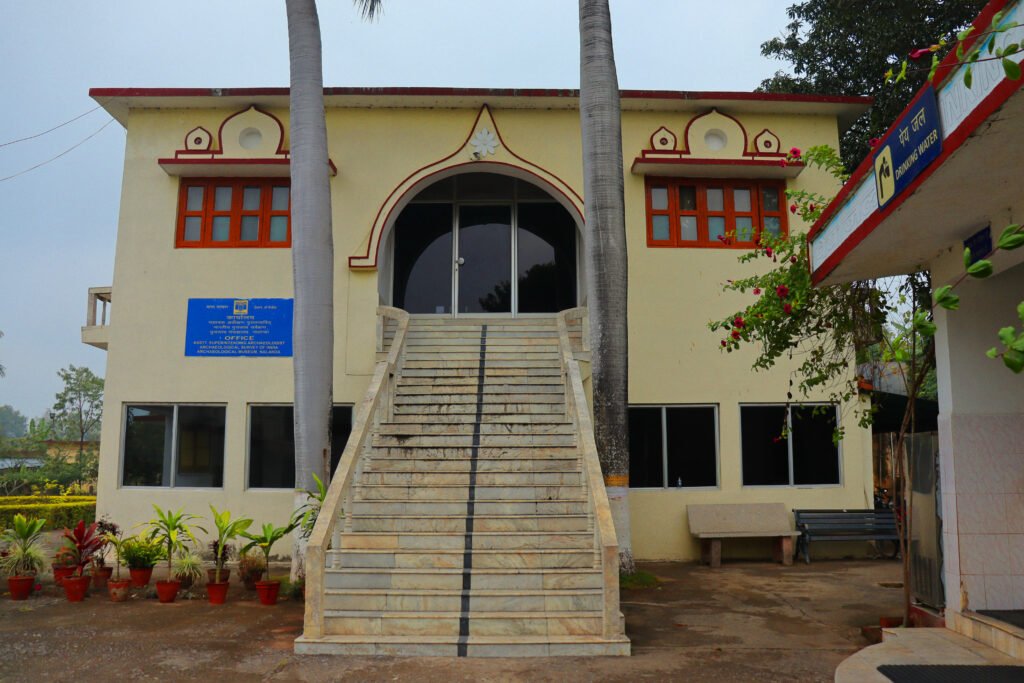
The Nalanda Museum stands as an ASI site-museum prestige while situated near the historical Nalanda Mahavihara ruins. As a site-museum that commenced operations in 1917 the institution showcases its intriguing selection of artifacts discovered from Nalanda University ruins which are considered among the world’s oldest educational centers of the ancient world.
Through its 13,000 artifacts the Nalanda Museum shows visitors about 350 items that reveal the historical aspects of ancient Nalanda culture including religious history and academic development. The cultural site provides an important experience for historians alongside researchers who study ancient India and Buddhism history.
History
The creation of the Nalanda Museum started as a response to preserve discovered artifacts found in archaeological excavations at Nalanda Mahavihara which existed as an educational institution from the 5th to the 12th centuries CE. Students and scholars from China, Korea, Japan and Tibet came to the university throughout the time period when the Gupta, Maukhari and Pala dynasties supported its existence.
The archaeological investigations at Nalanda exposed the destroyed remains of monasteries and stupas as well as shrines together with residential buildings that reveal essential details about educational practices coupled with spiritual exercises from that era. A significant number of artifacts from Nalanda together with objects obtained in neighboring villages and Rajgir constitute the central collection of Nalanda Museum.
Architectural Layout and Galleries
Four galleries alongside the main hall make up the Nalanda Museum which exhibits select exquisite ancient Nalanda artifacts. Visitors can understand the site’s historical and important aspects through the museum’s precise artifact placement which features both chronological sequencing and topical organization.
Best Time to Visit
Winter period from October to February offers the optimal season for exploring Nalanda Museum with pleasant temperature conditions. The winter season provides the best opportunity to discover the Nalanda University remains together with additional points of interest throughout the area.
4. Jal mandir, Pawapuri
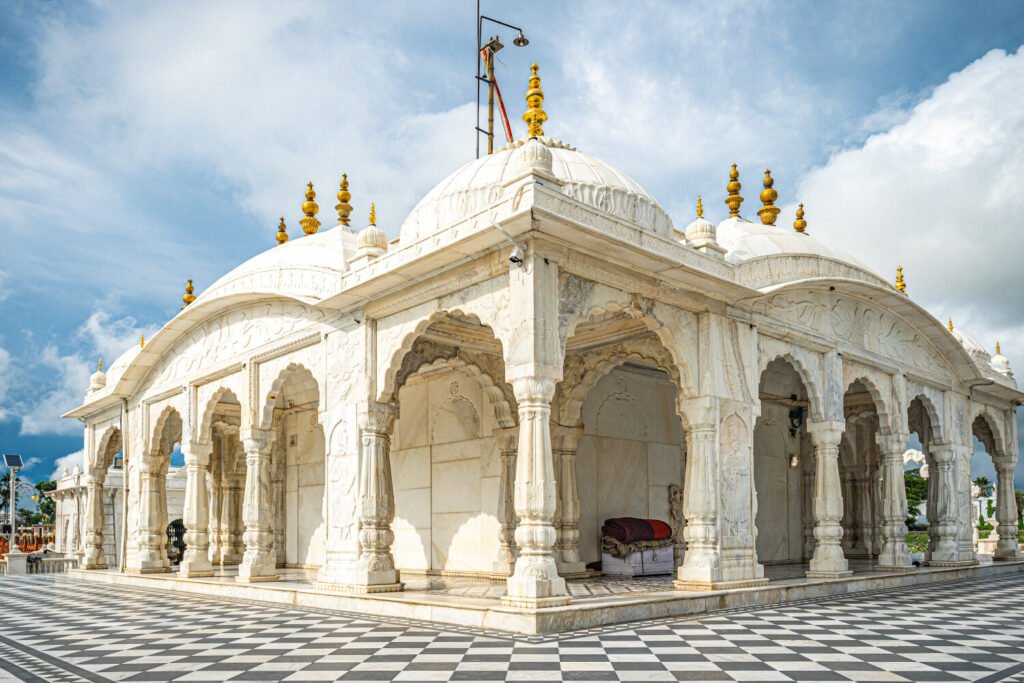
The Jal Mandir temple located in Pawapuri Bihar stands as an acclaimed Jain pilgrimage center. At the place where Lord Mahavira received cremation following his demise at the 24th position among Tirthankaras of Jainism stands this holy temple with significant historical and religious value. Tourists and devotees visit the Jal Mandir because it rests in a peaceful lake environment filled with lotus blossoms.
History
Lord Mahavira gained liberation and underwent cremation on this exact location at the Jal Mandir in 527 BCE. Following the funeral of Lord Mahavira his followers removed such an extensive amount of ground from the cremation site during the ash retrieval that a pond developed from this excavation. The establishment of this magnificent temple in the pond occurred due to King Nandivardhan’s construction work to honor Lord Mahavira at the holy site.
Inside the sacred establishment is a vital religious artifact featuring “Charan Paduka” (footprint) from Lord Mahavira who used it for his funeral. Jain philosophy finds its embodiment in the temple because it represents peace as well as non-violence and liberation.
The Jal Mandir showcases ancient Jain architectural beauty through its minimalistic framework and its balanced proportions and its spiritual design elements. The entire temple construction in white marble expresses divine purity through its aesthetic form. The white marble temple reflects beautifully into the still waters of its surrounding lake as a result which creates a dreamlike vision.
People can access the temple through a slender marble pathway which extends between the temple and beach. The extended temple path through lotus-covered waters creates a sacred journey which people must experience from shore to temple while seeking enlightenment.
The respected Charan Paduka of Lord Mahavira stands inside the temple hall which rests between ornately carved marble columns and temple walls. The temple atmosphere remains peaceful and the delicate lotus fragrance in bloom strengthens the holy nature of this sacred temple.
Best Time to Visit
People should plan their journey to the Jal Mandir temple in the winter because the mild climate ensures a perfect atmosphere for exploring both the temple grounds and neighboring sites. Visitors should decide their trip date before festival times because high numbers of people attend Mahavir Jayanti and Kartika Purnima celebrations at the temple.
5. Venuvan
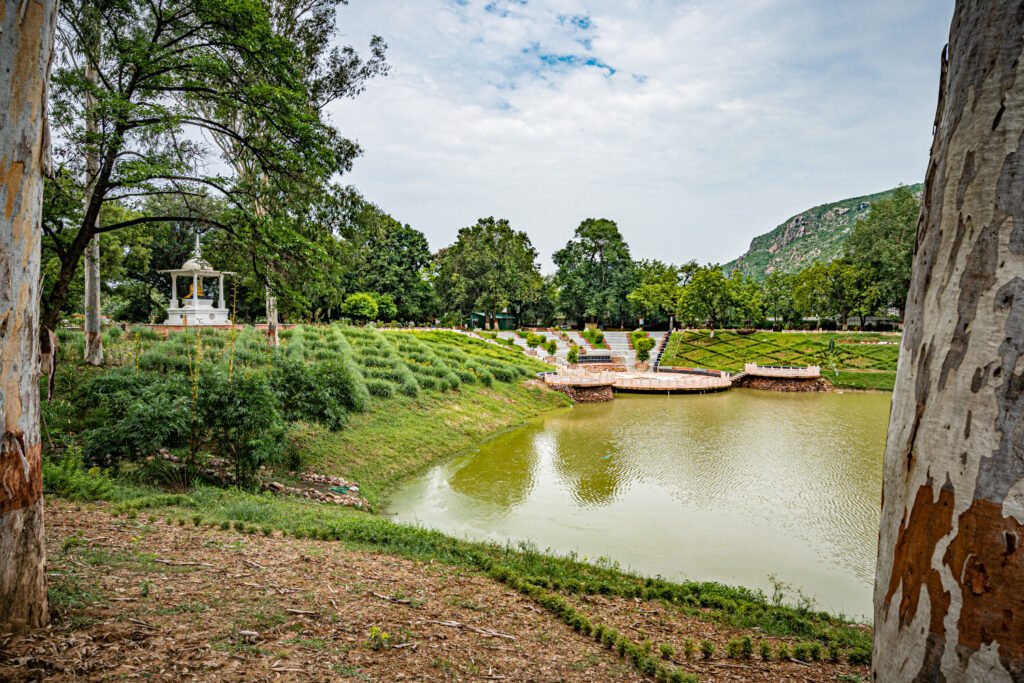
Venuvan serves as a holy shrine named after its bamboo forest in Rajgir which stands as a historical municipal area of Bihar. In Buddhist history the peaceful garden maintains historical significance because it received its first monastic inheritance from King Bimbisara when he ruled the ancient Magadha kingdom. The peaceful retreat located in nature presents incredible value for visitors interested in Buddha’s teachings and seeking both spiritual tranquility and Buddha’s life-related experiences and wisdom.
History
Historical Buddhist records indicate that the first monastery received from King Bimbisara to Lord Buddha happened after his enlightenment. King Bimbisara established Venuvan through his desire to provide an oasis of peace for the Buddha to stay while he meditated as well as to conduct his teachings. Colonized by bamboo trees which gave it the perfect secluded environment for both meditation and spiritual contemplation.
Buddha’s Stay at Venuvan:
When King Bimbisara visited the Saraswati River for his bath he discovered Rajgir city gates were shut because of the tightened security measures. The King spent his night at Venuvan alongside Buddha because city gates remained closed to him. Bimbisara grew even more devout toward the Buddha while the Bamboo Grove gained deeper religious importance because of this event.
Present-Day Venuvan
Venuvan stands today as a restored site that keeps the same peaceful atmosphere as the vanished original bamboo forest. Multiple attractions at the site welcome modern-day pilgrims as well as visitors from the local community and tourists seeking exploration.
Best Time to Visit
The optimal period to explore Venuvan unfolds throughout the winter seasons from October until March since the climate remains agreeable for enjoying outdoor activities. Visitors must plan their visit in advance since Buddhist festivals such as Buddha Purnima and Rajgir Mahotsav create extensive influxes of both pilgrims and tourists at specific times.
6. Brahmakund
In the town center of Rajgir in Bihar stands Brahmakund which serves as a major revered hot spring which welcomes pilgrims among other visitors from all parts of India. Brahmakund thermal waters possess two sacred functions since they simultaneously heal physical ailments and cleanse the spirit while granting spiritual purification.
Brahmakund stands as a vital religious location which Buddhist and Jain followers and Hindus simultaneously venerate and they have been visiting it continuously throughout centuries. Brahmakund stands as a vital attraction in Rajgir because its combination of therapeutic hot springs with peaceful surroundings and historical legends found there attracts all visitors.
History
Brahmakund belongs to a collection of 11 natural thermal springs situated in the town of Rajgir where every hot spring has its sacred place of worship. The Brahmakund hot spring originated from Lord Brahma according to Hindu mythology and numerous historical legends and religious manuscripts mention it.
Lord Brahma blessed these hot springs after finishing his sacred fire ritual through which he transformed the waters into divine healing elements capable of treating diseases. Tens of thousands visit the hot spring annually to bathe ritually which purifies them morally and runs away their health problems and delivers religious benefits.
The holy water at Brahmakund received its divine power through energetic blessings from several ancient sages as well as deities and ancient texts confirm Lord Buddha and Lord Mahavira visited the hot springs of Rajgir when they were alive.
Visitors to Brahmakund can access the hot spring through a broad staircase of stone that leads them to bathing spots for religious purposes. Specific accommodations around the kund (tank) include individual private areas for both men and women that provide comfortable access for devotees of either sex.
People selling ritualistic items in the kund area exhibit a constant business around the hot spring where devotees perform their religious rituals with offerings and flowers and incense sticks. The sacred environment deepens through hymn chanting combined with bell ringing and the scent of incense filling the premises.
Best Time to Visit Brahmakund
Travelers seeking a perfect Brahmakund experience should choose the winter season between October and March because the climate is ideal for hot spring relaxation. The spiritual experience becomes more powerful by attending religious festivals at Brahmakund but heavy crowds are common at these times.
7. Cyclopean Wall
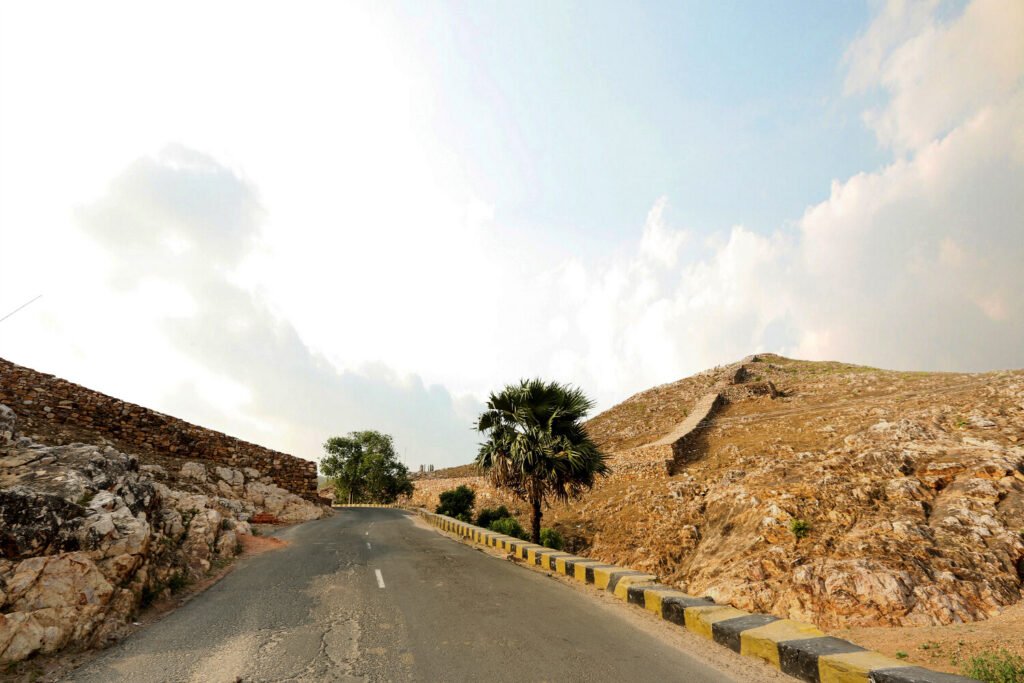
The Cyclopean Wall at Rajgir operated as a defensive barrier which protected Magadha’s capital from early times while its historical value demonstrates great appeal to scholars of history and archaeologists. Humans constructed this wall during the 6th century BCE to protect Rajgir the ancient city while exhibiting advanced architectural and engineering capabilities of that early Indian era.
History
The Cyclopean Wall received its first development from King Bimbisara who ruled Magadha during its peak power until his son Ajatshatru reinforced it at the time when Buddhism emerged. The ancient political capital of Rajgir found protection against invaders because of its defensive wall.
According to Pali sources Rajgir attained its grand fortification status through thirty-two massive entrance gates and sixty-four smaller gates connecting the fortified city center. The defensive wall extended across every surrounding hill of the city starting from Ratnagiri Hill where it joined naturally with rock formations.
The Cyclopean Wall stands out because of its ancient stone building technique. A construction technique used huge natural stones as they were individually arranged by skilled crafters who omitted mortar application. The construction technique used here is named “Cyclopean Masonry” after the term developed from studies on walls from ancient Greek civilization that supposedly giants named Cyclopes created.
The 14-feet-wide wall received additional defensive strength from regularly placed bastions. Some portions of the wall endure until today as they stretch across the Ratnagiri base while climbing its hillside.
The Rajgir Cyclopean Wall stands out because of its characteristics that align with Greek Cyclopean walls in Mycenae and Tiryns buildings. A defining standard of Indian Cyclopean masonry matches Greek Cyclopean masonry since builders used enormous natural stones without mortar to create defensive masses that blended together seamlessly.
The historical similarities between ancient civilizations have enabled historians to find curious links while considering possible knowledge transfers regarding architecture.
Best Time to Visit
People should visit the Cyclopean Wall and other Rajgir attractions from October through March which is the best period because of favorable weather conditions for tourism.
Related articles : Top 5 Best Places Visiting in Mungeli for Nature, Heritage & Spirituality






Pingback: Top 5 Best Places Visiting in Narayanpur – Explore Chhattisgarh's Hidden Gem