
Now Reading: Ethiopia – Top 20 Tourist Places
-
01
Ethiopia – Top 20 Tourist Places
Ethiopia – Top 20 Tourist Places
1. Addis Ababa – The Political and Cultural Heart of Ethiopia
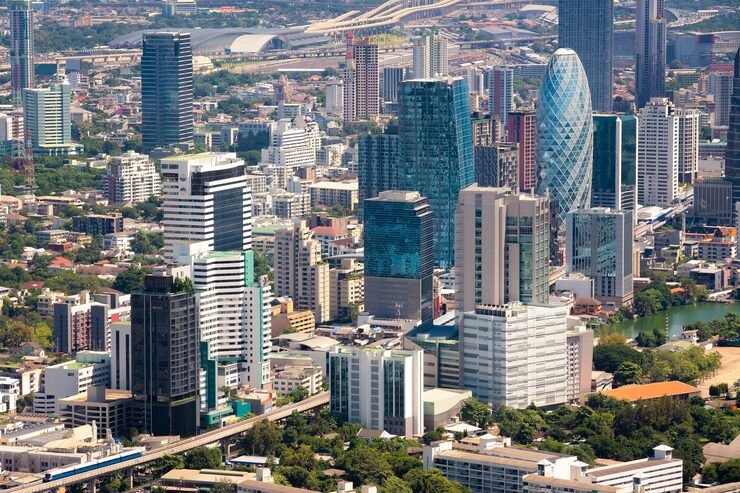
Addis Ababa, the vibrant capital of Ethiopia, is more than just a political center — it is the cultural, historical, and diplomatic heart of Africa. Founded in 1886 by Emperor Menelik II, the city sits at over 2,300 meters above sea level, making it one of the highest capitals in the world. Its name means “New Flower,” and true to its name, Addis Ababa is a dynamic blend of tradition and modernity.
As the headquarters of the African Union and numerous international organizations, Addis Ababa is often called the “Political Capital of Africa.” Yet beyond politics, the city offers a rich tapestry of history, art, cuisine, and everyday Ethiopian life.
Visitors can explore bustling markets such as Merkato, one of Africa’s largest open-air markets. Here, vendors sell everything from spices and coffee beans to handcrafted baskets and traditional clothing. The energy of Merkato gives travelers a raw and authentic glimpse into daily Ethiopian commerce.
The city is also known for its thriving coffee culture. Ethiopia is the birthplace of coffee, and traditional coffee ceremonies remain an important cultural ritual. In Addis, visitors can enjoy freshly roasted beans served in small cups while incense burns nearby — an experience deeply rooted in Ethiopian identity.
For panoramic views, Entoto Hills provide a scenic escape overlooking the city. Historically, this was the original settlement before Addis Ababa expanded below. Today, it offers fresh mountain air and historical churches.
Addis Ababa’s nightlife and cuisine scene are equally captivating. Traditional restaurants feature live music and eskista shoulder dances, while modern cafés and international dining establishments reflect the city’s global connections.
Addis Ababa is not merely a starting point for exploring Ethiopia — it is a destination in its own right, offering travelers an immersive introduction to one of Africa’s most fascinating nations.
2. National Museum of Ethiopia – Home of “Lucy”
The National Museum of Ethiopia in Addis Ababa is one of the most important museums in Africa. It houses archaeological treasures that have reshaped our understanding of human history.
The museum’s most famous exhibit is “Lucy” (locally called Dinkinesh), a 3.2-million-year-old Australopithecus afarensis fossil discovered in 1974 in the Afar region. Lucy is one of the oldest and most complete early human skeletons ever found, providing crucial evidence about human evolution.
Beyond Lucy, the museum displays ancient artifacts, royal regalia, traditional crafts, and contemporary Ethiopian art. The archaeological section traces Ethiopia’s role as one of humanity’s earliest homelands.
The ethnographic exhibits highlight Ethiopia’s diverse cultural groups, showcasing traditional clothing, tools, musical instruments, and ceremonial items. Ethiopia is home to more than 80 ethnic groups, and the museum provides insight into this incredible diversity.
The art gallery features works from modern Ethiopian artists, blending traditional themes with contemporary expression.
For history enthusiasts, anthropologists, and curious travelers, the National Museum offers a profound journey through time — from early human ancestors to modern Ethiopia.
3. Lalibela – The Sacred Rock-Hewn City
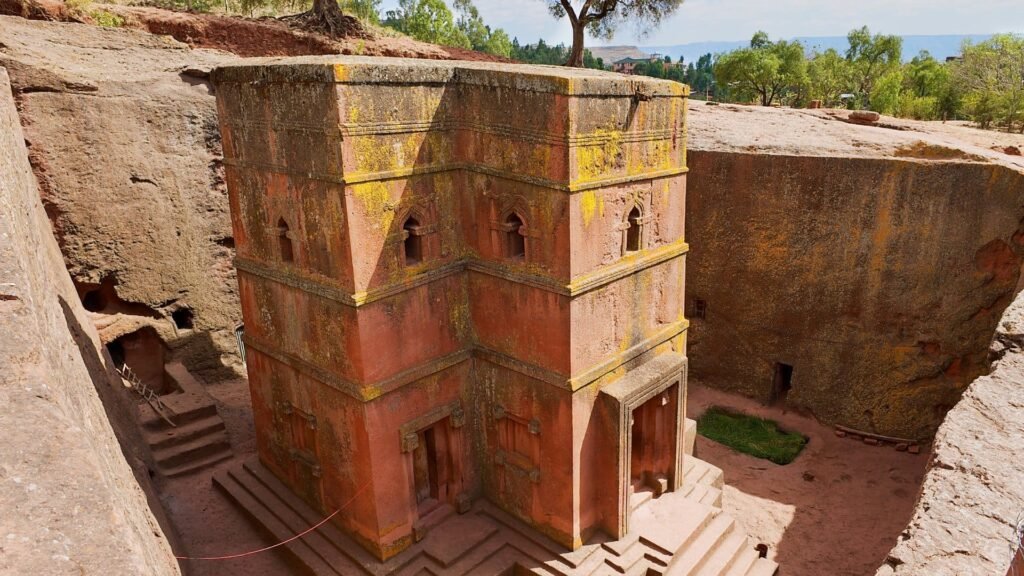
Lalibela is one of Ethiopia’s most extraordinary destinations and a UNESCO World Heritage Site. Located in the highlands of northern Ethiopia, this sacred town is famous for its monolithic rock-hewn churches carved directly into solid volcanic rock during the 12th and 13th centuries.
Commissioned by King Lalibela of the Zagwe Dynasty, the churches were designed to create a “New Jerusalem” for Ethiopian Christians who could not travel to the Holy Land.
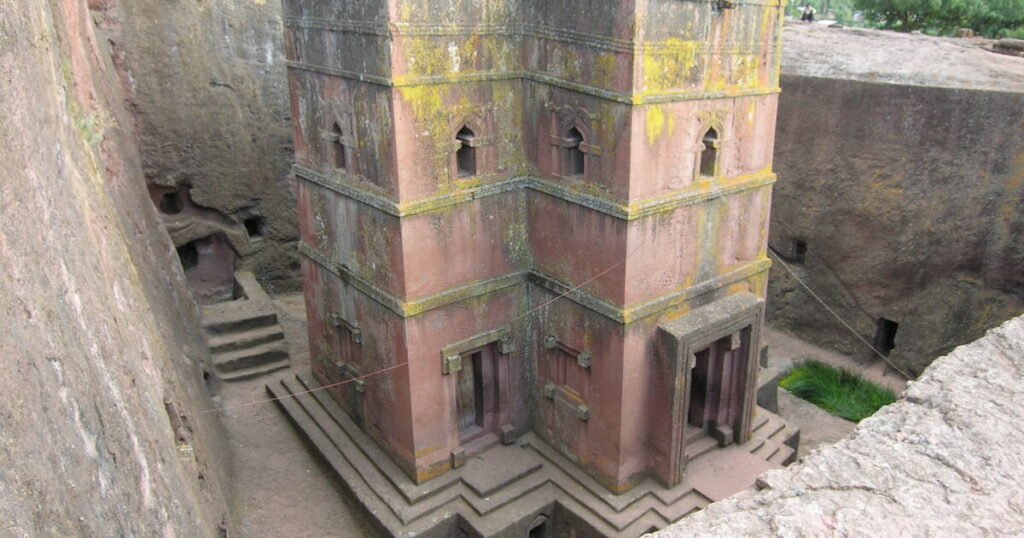
Unlike traditional buildings, Lalibela’s churches were carved downward into the ground. Builders removed massive amounts of rock to create freestanding structures connected by tunnels and trenches.
Today, Lalibela remains an active pilgrimage site. During major religious festivals such as Genna (Ethiopian Christmas), thousands of white-robed worshippers gather in candlelit ceremonies.
The spiritual atmosphere, combined with dramatic mountain scenery, makes Lalibela one of Africa’s most powerful religious destinations.
4. Rock-Hewn Churches of Lalibela – Medieval Engineering Marvel
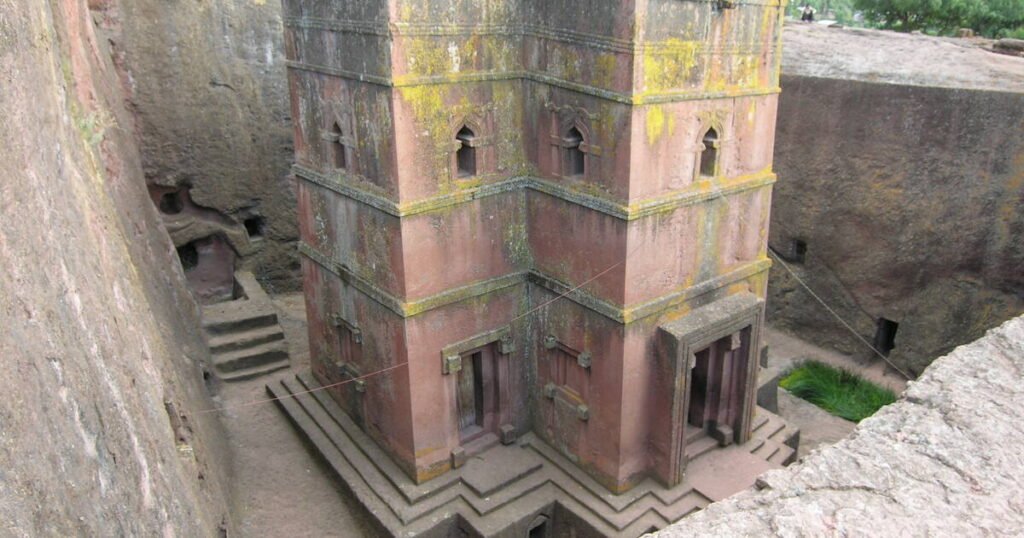
The 11 Rock-Hewn Churches of Lalibela are masterpieces of medieval engineering and faith. Each church is carved from a single block of stone, including doors, windows, columns, and roofs.
The most iconic is Bete Giyorgis (Church of St. George), shaped like a perfect cross when viewed from above. Its symmetry and precision continue to amaze architects and historians.
The churches are divided into two main clusters, connected by narrow passageways and underground tunnels. Some interiors contain ancient frescoes, carved arches, and sacred artifacts.
Despite being over 800 years old, the churches remain central to Ethiopian Orthodox Christian worship.
The Rock-Hewn Churches are not just historical monuments — they are living spiritual spaces that continue to inspire awe and devotion.
5. Axum (Aksum) – Cradle of an Ancient Civilization
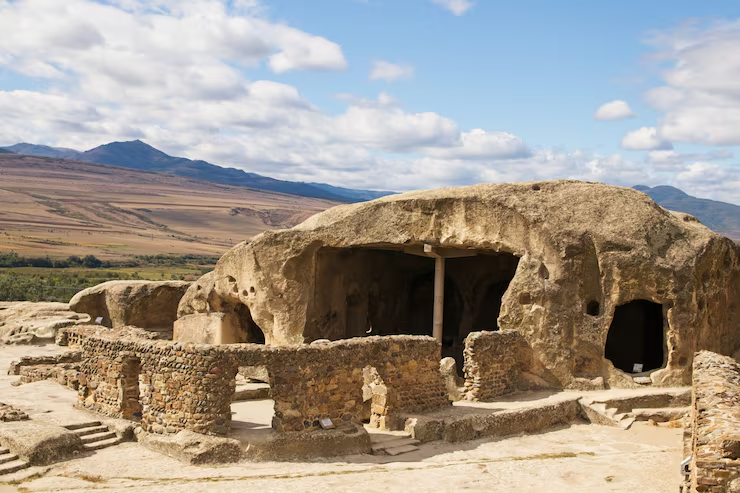
Axum, located in northern Ethiopia, was once the center of the powerful Aksumite Empire, one of the great civilizations of the ancient world.
The city is famous for its towering granite obelisks (stelae), some reaching over 20 meters tall. These intricately carved monuments marked royal tombs and symbolized the empire’s strength.
Axum is also deeply significant in Ethiopian tradition. It is believed to house the Ark of the Covenant in the Church of St. Mary of Zion — one of Christianity’s most sacred legends.
Archaeological ruins, ancient inscriptions, and royal tombs reflect Axum’s importance as a trading hub connecting Africa, Arabia, and the Mediterranean.
Axum represents Ethiopia’s proud and ancient heritage — a civilization that flourished long before many European empires.
6. Simien Mountains National Park – Ethiopia’s Roof of Africa
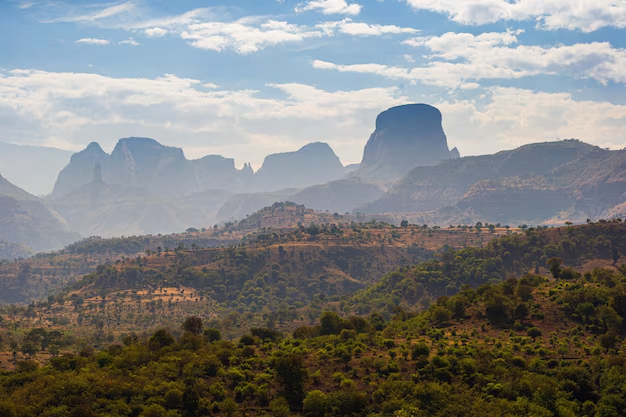
Simien Mountains National Park is one of Africa’s most dramatic and breathtaking landscapes. Located in northern Ethiopia, this UNESCO World Heritage Site is often called the “Roof of Africa” because of its towering peaks and vast high-altitude plateaus.
The park is home to Ras Dashen, Ethiopia’s highest mountain at 4,550 meters above sea level. Jagged cliffs plunge thousands of meters into deep valleys, creating scenery that rivals the Grand Canyon.
Simien is famous for its rare wildlife. The endangered Ethiopian wolf, the world’s rarest canid, roams these highlands. Visitors can also see Gelada baboons — unique primates with red chest patches — grazing peacefully in large groups. Walia ibex, found nowhere else on Earth, cling to steep cliffs with remarkable agility.
Hiking is the main attraction. Multi-day trekking routes take visitors through Afro-alpine landscapes dotted with giant lobelia plants. Campsites along the way provide unforgettable sunrise views over mist-filled valleys.
The combination of dramatic geology, endemic wildlife, and panoramic vistas makes Simien Mountains National Park one of Ethiopia’s most unforgettable natural wonders.
7. Gondar – The Camelot of Africa
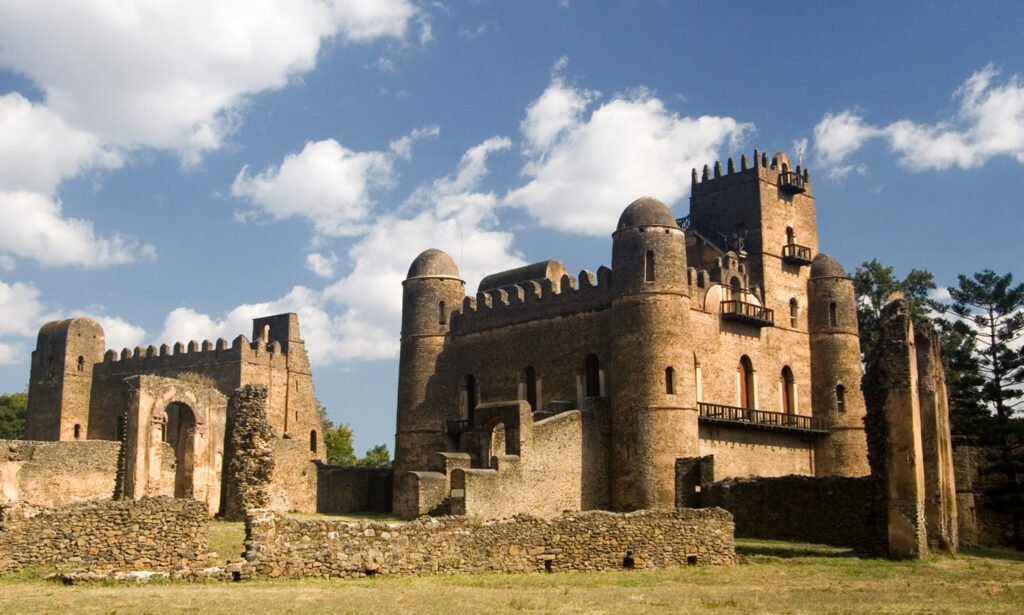
Gondar, often referred to as the “Camelot of Africa,” was once the imperial capital of Ethiopia in the 17th and 18th centuries. Located north of Lake Tana, the city is famous for its medieval castles and royal heritage.
Founded by Emperor Fasilides in 1636, Gondar became a center of art, architecture, and religious scholarship. Unlike most African cities of its time, Gondar developed a unique architectural style influenced by Ethiopian, Arab, and Portuguese traditions.
Walking through Gondar feels like stepping into a medieval kingdom. Stone castles with towers and battlements rise dramatically against the skyline.
The city is also known for Timkat (Epiphany), Ethiopia’s most important religious festival. During Timkat, priests in colorful robes carry sacred tabots in vibrant processions.
Gondar beautifully blends royal history, religious devotion, and cultural pride — making it one of Ethiopia’s most fascinating historical cities.
8. Fasil Ghebbi (Royal Enclosure) – Ethiopia’s Castle Complex
Fasil Ghebbi, a UNESCO World Heritage Site, is the heart of Gondar’s historical importance. This fortified royal enclosure contains a series of castles built by emperors beginning in the 17th century.
The complex includes Fasilides’ Castle, Iyasu’s Palace, Dawit’s Hall, and several other royal buildings. High stone walls surround the area, creating a medieval fortress atmosphere rarely seen in Africa.
The architecture is unique — blending Ethiopian design with European influences brought by Jesuit missionaries. Tall towers, arched windows, and grand staircases reflect a period of imperial strength and cultural exchange.
Nearby, Fasilides’ Bath is an important ceremonial site still used during Timkat celebrations.
Fasil Ghebbi stands as one of sub-Saharan Africa’s most impressive architectural achievements and a powerful symbol of Ethiopia’s imperial legacy.
9. Lake Tana – Source of the Blue Nile
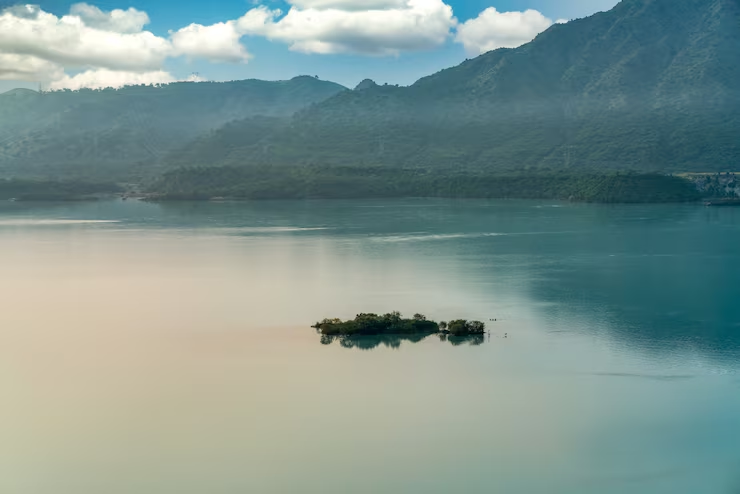
Lake Tana is Ethiopia’s largest lake and the primary source of the Blue Nile River. Located near Bahir Dar, the lake is a peaceful and scenic destination rich in both natural beauty and spiritual history.
The lake contains more than 30 islands, many home to centuries-old monasteries. These monasteries preserve priceless religious manuscripts, murals, and sacred treasures.
Boat trips across Lake Tana allow visitors to explore island churches such as Ura Kidane Mehret and Azwa Maryam. The interiors are adorned with colorful biblical paintings that showcase Ethiopian Orthodox art.
Birdlife around the lake is abundant, making it a favorite for birdwatchers. Fishermen in traditional papyrus boats add to the timeless atmosphere.
Lake Tana offers a tranquil contrast to Ethiopia’s rugged mountains and deserts — a place of calm waters, spirituality, and scenic beauty.
10. Blue Nile Falls (Tis Issat) – The Smoking Water
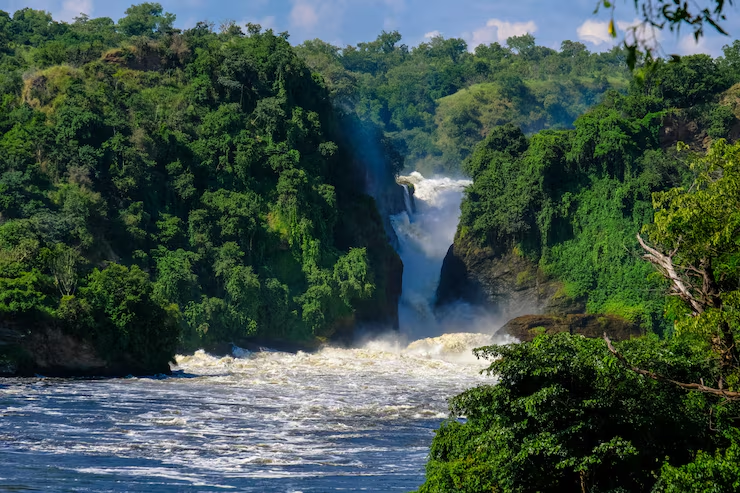
The Blue Nile Falls, known locally as Tis Issat (“Smoking Water”), is one of Ethiopia’s most spectacular natural attractions. Located near Bahir Dar, the waterfall forms as the Blue Nile plunges over a wide cliff.
During the rainy season, the falls are particularly powerful, creating mist clouds that rise dramatically into the air — giving the site its name.
Visitors can hike along trails that provide panoramic viewpoints. A small stone bridge built in the 17th century adds historical charm to the area.
The thunderous sound of water crashing below, combined with lush green surroundings, makes Blue Nile Falls a photographer’s dream.
As the beginning of the Blue Nile’s long journey toward Sudan and Egypt, the falls hold geographical importance in addition to natural beauty.
Blue Nile Falls represents Ethiopia’s powerful landscapes — raw, majestic, and unforgettable.
11. Danakil Depression – One of the Hottest Places on Earth
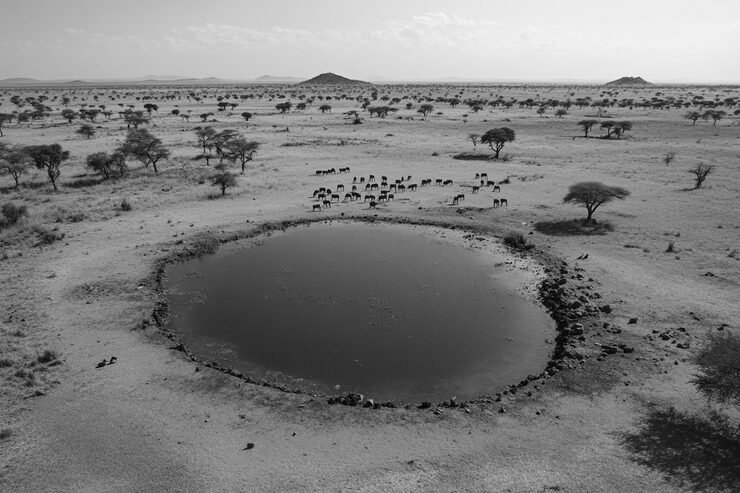
The Danakil Depression is one of the most extreme and otherworldly landscapes on the planet. Located in northeastern Ethiopia near the Eritrean border, this vast geological wonder sits more than 100 meters below sea level and is considered one of the hottest inhabited places on Earth.
Temperatures regularly exceed 45°C (113°F), and the terrain looks like something from another planet. The region lies within the Afar Triangle, where three tectonic plates meet, creating dramatic geological activity. Bubbling lava lakes, sulfur springs, salt flats, and vividly colored mineral deposits dominate the landscape.
One of the most iconic areas within the Danakil Depression is Dallol. Here, neon-yellow sulfur formations, bright green acid pools, and orange salt structures create a surreal, almost alien environment. The vibrant colors are the result of mineral-rich hot springs reacting with volcanic gases.
The depression is also home to vast salt flats where Afar communities continue centuries-old traditions of salt mining. Workers cut blocks of salt by hand and transport them by camel caravans across the desert — a powerful reminder of Ethiopia’s enduring cultural heritage.
Despite its harsh conditions, the Danakil Depression attracts adventurous travelers and geologists from around the world. Multi-day guided tours typically include camping under the stars, visiting volcanic sites, and witnessing dramatic sunrises over the salt plains.
The Danakil Depression is not just a destination — it is an experience of Earth’s raw geological power, offering one of the most unforgettable landscapes in Africa.
12. Erta Ale Volcano – Ethiopia’s Fiery Wonder
Erta Ale, located within the Danakil Depression, is one of the few volcanoes in the world with a persistent lava lake. Its name means “Smoking Mountain” in the Afar language, and it has been continuously active for decades.
Standing at about 613 meters above sea level, Erta Ale may not be tall, but it is one of Ethiopia’s most dramatic natural attractions. The highlight is hiking to the summit at night to witness the glowing lava lake bubbling inside the crater.
The trek across hardened lava fields and desert terrain is challenging but rewarding. As darkness falls, the red glow from the crater becomes visible from a distance, creating an almost mystical atmosphere.
Looking into the crater, visitors can see molten lava churning and cracking — a rare opportunity to observe Earth’s inner forces up close. Few places on Earth allow such direct access to an active lava lake.
Because of the remote and extreme environment, visits are organized through guided expeditions, often combined with tours of the Danakil Depression.
Erta Ale offers a once-in-a-lifetime adventure for thrill-seekers and nature lovers who want to witness one of the planet’s most powerful natural phenomena.
13. Harar – The Walled City of Saints
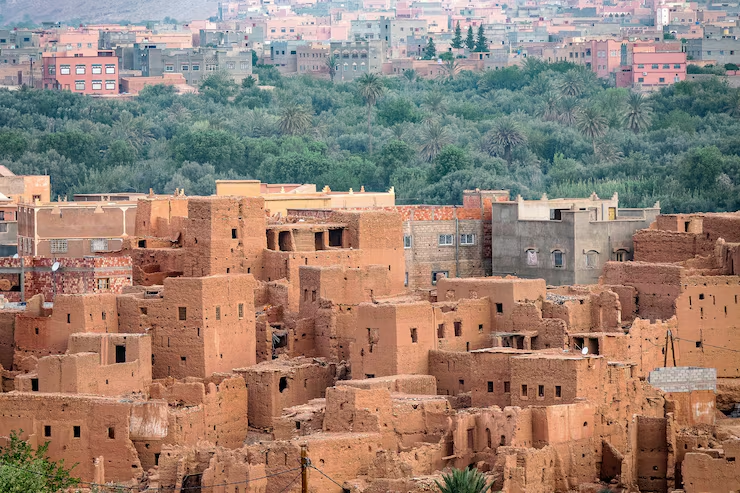
Harar, located in eastern Ethiopia, is one of Islam’s holiest cities and a UNESCO World Heritage Site. Often called the “City of Saints,” Harar is known for its religious significance, colorful markets, and unique architectural heritage.
The old town, known as Harar Jugol, is surrounded by ancient defensive walls built in the 16th century. Within these walls lies a maze of narrow alleyways, traditional Harari houses, and over 80 mosques.
Harar has long been a center of Islamic scholarship and trade, connecting Africa with Arabia and the Middle East. Its markets remain lively hubs where spices, textiles, and traditional baskets are sold.
One of Harar’s most famous traditions is the nightly hyena feeding ritual. For generations, local “hyena men” have hand-fed wild hyenas outside the city walls — a fascinating cultural practice rooted in folklore and coexistence with wildlife.
The colorful Harari homes feature interior wooden platforms used for seating and social gatherings, reflecting a distinctive cultural identity.
Harar stands apart from the rest of Ethiopia in atmosphere and heritage, offering visitors a unique blend of Islamic culture, architecture, and living traditions.
14. Harar Jugol – A Living Cultural Treasure
Harar Jugol is the historic fortified center of Harar and one of Africa’s best-preserved Islamic cities. Recognized as a UNESCO World Heritage Site, Jugol represents centuries of cultural and religious history.
The city walls stretch about 4 kilometers and contain five historic gates. Inside, the streets are narrow and winding, designed for defense and shade from the sun.
Harar Jugol contains more than 80 mosques, including some dating back to the 10th century, and numerous shrines dedicated to saints. The architecture reflects strong influences from Arab and Islamic design blended with local Ethiopian elements.
Traditional Harari houses are particularly distinctive. Their interiors are arranged around raised platforms and decorated with colorful baskets hung on walls. Each house tells a story of community life and hospitality.
The old town is still fully inhabited, making it a living heritage site rather than a preserved museum. Daily life continues much as it has for centuries.
Walking through Harar Jugol feels like stepping back in time, offering travelers an immersive journey into Ethiopia’s Islamic heritage.
15. Bale Mountains National Park – Land of the Ethiopian Wolf
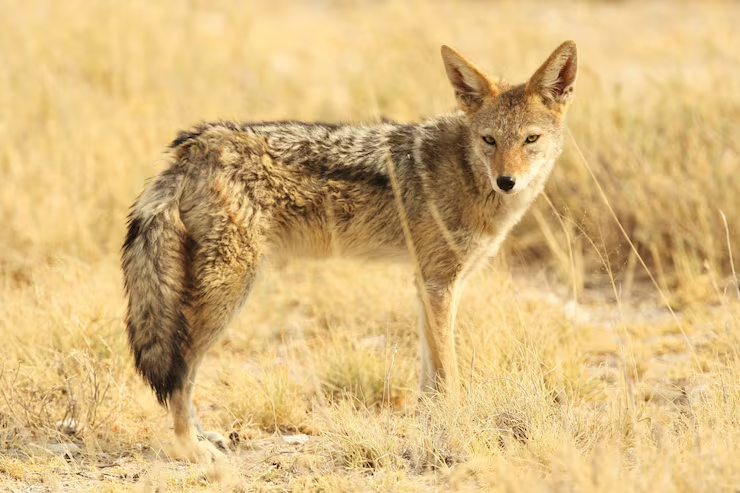
Bale Mountains National Park, located in southeastern Ethiopia, is one of the country’s most important wildlife and ecological regions. The park covers diverse ecosystems, from lush forests to Afro-alpine plateaus.
It is best known as the primary habitat of the endangered Ethiopian wolf — the rarest canid species in the world. These slender, fox-like predators roam the Sanetti Plateau in search of rodents.
The park is also home to mountain nyala, Menelik’s bushbuck, warthogs, and numerous bird species. Birdwatchers can spot endemic species such as the blue-winged goose.
The Bale Mountains feature dramatic landscapes, including volcanic peaks, glacial valleys, and dense Harenna Forest — one of the largest remaining cloud forests in Ethiopia.
Outdoor enthusiasts can enjoy hiking, horseback riding, wildlife photography, and scenic drives across high-altitude terrain.
Bale Mountains National Park offers a quieter, less crowded alternative to the Simien Mountains while delivering equally stunning scenery and rare wildlife encounters.
16. Omo Valley – A Cultural Mosaic of Ancient Traditions
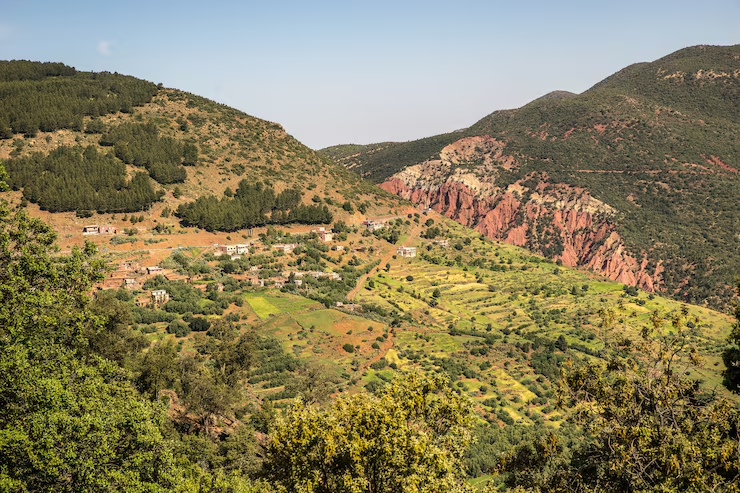
The Omo Valley in southern Ethiopia is one of Africa’s most culturally diverse and fascinating regions. Recognized as a UNESCO World Heritage Site, this remote valley is home to numerous indigenous tribes who have preserved their traditional lifestyles for centuries.
The Omo River flows through dramatic landscapes of savannahs, hills, and fertile plains. Along its banks live communities such as the Hamar, Mursi, Karo, Dassanech, and Arbore tribes — each with distinct languages, customs, clothing, and rituals.
One of the most internationally recognized groups is the Mursi tribe, known for the lip plates worn by women as a symbol of beauty and identity. The Hamar are famous for their bull-jumping ceremony, a rite of passage marking a young man’s transition into adulthood. The Karo are admired for their intricate body painting using chalk and natural pigments.
Unlike many cultural destinations that have become commercialized, much of the Omo Valley remains authentic and traditional. Villages are built from natural materials, and daily life revolves around cattle herding, farming, and community rituals.
Traveling in the Omo Valley requires guided tours due to the remote terrain and cultural sensitivity. Visitors are encouraged to respect local customs, ask permission before photographing people, and engage responsibly with communities.
Beyond cultural exploration, the region also offers striking natural beauty — from riverbanks to expansive plains where wildlife such as crocodiles and hippos can be seen.
The Omo Valley is not just a tourist attraction; it is a living museum of human cultural diversity. For travelers seeking deep cultural immersion and meaningful experiences, it is one of Ethiopia’s most extraordinary destinations.
17. Awash National Park – Wildlife and Waterfalls
Awash National Park, located about 200 kilometers east of Addis Ababa, is one of Ethiopia’s most accessible wildlife reserves. Established in 1966, the park covers savannah plains, acacia woodlands, volcanic landscapes, and riverine forests.
The Awash River runs through the park, creating lush vegetation and supporting a variety of wildlife. The park’s main highlight is the spectacular Awash Falls, where the river cascades into a dramatic gorge.
Visitors can spot animals such as oryx, kudu, gazelles, warthogs, baboons, and colobus monkeys. Crocodiles and hippos are often seen along the riverbanks. Birdwatchers will find the park especially rewarding, with over 400 recorded bird species.
Mount Fentale, a dormant volcano within the park, offers panoramic views of the surrounding plains. Hiking and scenic drives are popular activities, allowing travelers to explore different ecosystems in a single day.
The park’s proximity to Addis Ababa makes it an excellent weekend getaway. Accommodation ranges from basic lodges to more comfortable safari camps.
Awash National Park combines wildlife viewing, scenic landscapes, and geological interest, making it a must-visit for nature lovers exploring Ethiopia.
18. Debre Libanos Monastery – Spiritual Serenity Above a Gorge
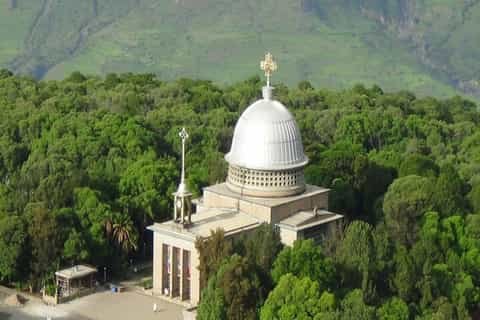
Debre Libanos Monastery is one of Ethiopia’s most important religious sites. Located about 110 kilometers north of Addis Ababa, the monastery sits dramatically above the Jemma River Gorge.
Founded in the 13th century by Saint Tekle Haymanot, Debre Libanos remains a major pilgrimage site for Ethiopian Orthodox Christians. The current church, built in the 20th century, features beautiful stained glass windows depicting biblical scenes.
The surrounding landscape is breathtaking. The Jemma River Gorge stretches deep below the monastery, offering panoramic views and excellent birdwatching opportunities. The rare gelada baboons, often called “bleeding-heart monkeys,” can sometimes be seen nearby.
A short hike leads to a cave where Saint Tekle Haymanot is said to have prayed for years. Pilgrims and visitors alike come to experience the peaceful spiritual atmosphere.
Debre Libanos offers a powerful combination of natural beauty and religious significance. It is an ideal destination for those interested in Ethiopian spirituality, history, and scenic landscapes.
19. Sof Omar Caves – Ethiopia’s Underground Wonder
Sof Omar Caves are among the longest cave systems in Africa. Located in southeastern Ethiopia, these limestone caves were formed by the Weyib River carving its way through rock over millions of years.
The cave system stretches approximately 15 kilometers, featuring massive chambers, towering pillars, and intricate rock formations. The Weyib River flows directly through the caves, creating dramatic underground scenery.
Sof Omar is also a sacred site for local Muslim communities. For centuries, pilgrims have visited the caves for prayer and spiritual reflection.
Exploring the caves involves walking along natural pathways and crossing small bridges over the river. The atmosphere inside is cool and mysterious, offering relief from Ethiopia’s heat.
Because of its geological significance and cultural importance, Sof Omar is one of Ethiopia’s most unique and underrated attractions.
20. Nechisar National Park – Between Two Lakes
Nechisar National Park is located in southern Ethiopia between Lake Abaya and Lake Chamo. The park’s name means “white grass,” referring to the pale savannah that covers much of the landscape.
The park is known for its diverse ecosystems, including open grasslands, acacia forests, lakeshores, and the scenic “Bridge of God” land strip separating the two lakes.
Wildlife in Nechisar includes zebras, gazelles, crocodiles, hippos, and various bird species. Lake Chamo is especially famous for its large Nile crocodiles.
Boat trips on Lake Chamo provide opportunities to see wildlife up close, while scenic drives through the savannah reveal sweeping views of the Rift Valley.
Nechisar National Park offers a relaxed safari experience compared to busier African reserves. Its mix of lakes, grasslands, and wildlife makes it a peaceful yet rewarding destination.