
Now Reading: Río Negro, Argentina: Lakes, Mountains & Coast
-
01
Río Negro, Argentina: Lakes, Mountains & Coast
Río Negro, Argentina: Lakes, Mountains & Coast
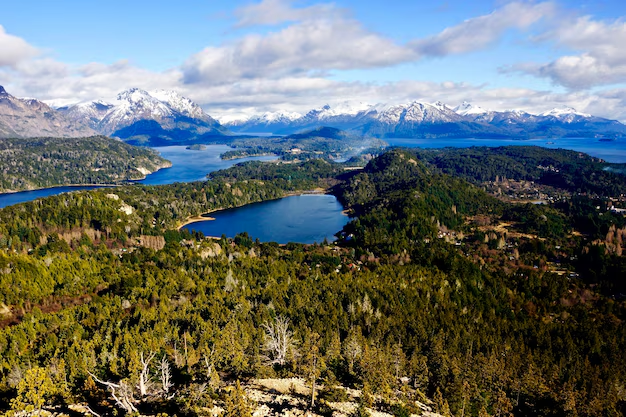
Stretching from the snowy Andes Mountains to the Atlantic Ocean, Río Negro Province is one of Argentina’s most geographically diverse and visually stunning regions. Known for alpine lakes, world-class ski resorts, bohemian mountain towns, and unexpectedly warm beaches, Río Negro offers an extraordinary variety of experiences within a single province.
From the iconic city of San Carlos de Bariloche and the wild beauty of Nahuel Huapi National Park to the artistic spirit of El Bolsón and the sun-soaked shores of Las Grutas, Río Negro blends Patagonian adventure with relaxation, culture, and natural wonder.
San Carlos de Bariloche – Patagonia’s Alpine Capital

Bariloche is the most famous destination in Río Negro and one of Argentina’s top tourist cities. Set along the shores of Lake Nahuel Huapi and surrounded by snow-capped peaks, the city is often compared to a Swiss alpine resort.
Bariloche is known worldwide for its chocolate shops, alpine architecture, and outdoor recreation. In winter, the city becomes a skiing and snowboarding hub, while summer offers hiking, kayaking, mountain biking, and lake cruises.
The city also serves as a gateway to the Lake District, with scenic drives, panoramic viewpoints, and access to some of Patagonia’s most beautiful landscapes. Bariloche’s vibrant nightlife, craft breweries, and culinary scene make it appealing to all types of travelers.
Nahuel Huapi National Park – Patagonia’s Outdoor Playground
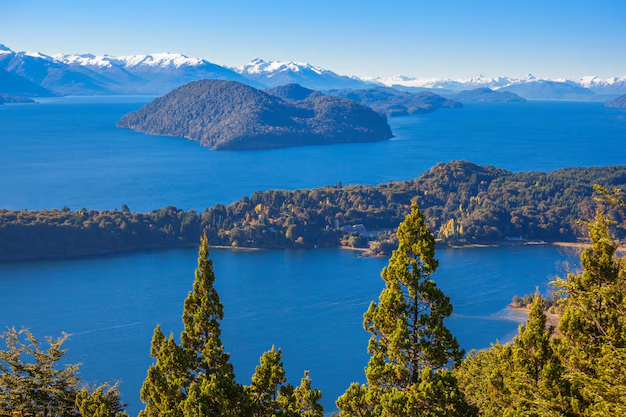
One of Argentina’s oldest national parks, Nahuel Huapi National Park spans parts of Río Negro and Neuquén provinces. It protects vast areas of lakes, forests, rivers, and mountains.
The park offers endless outdoor activities, including trekking, camping, fishing, sailing, and wildlife observation. Trails lead to hidden waterfalls, mountain refuges, and breathtaking viewpoints overlooking turquoise lakes.
In winter, snow transforms the park into a winter wonderland, while autumn brings colorful forests. Nahuel Huapi National Park is essential for anyone wanting to experience Patagonia’s raw natural beauty.
Cerro Catedral – South America’s Premier Ski Resort
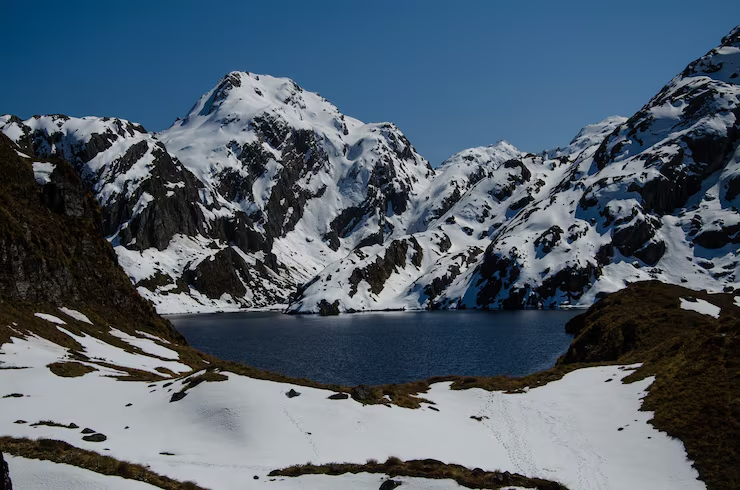
Located just outside Bariloche, Cerro Catedral is South America’s largest and most developed ski resort. With extensive ski runs, modern lifts, and panoramic views of the Andes, it attracts winter sports enthusiasts from around the world.
The mountain offers activities year-round. In summer, it becomes a hub for hiking, mountain biking, and scenic gondola rides. Restaurants and mountain huts provide spectacular views over Lake Nahuel Huapi.
Cerro Catedral is a cornerstone of Río Negro’s tourism and a must-visit for adventure seekers.
El Bolsón – Bohemian Spirit and Natural Harmony
Nestled in a fertile valley near the Andes, El Bolsón is known for its hippie culture, artisanal markets, and eco-friendly lifestyle. The town attracts artists, musicians, and travelers seeking simplicity and nature.
El Bolsón’s famous craft market features handmade jewelry, clothing, organic foods, and local products. The surrounding area offers hiking trails, waterfalls, and access to nearby mountains.
With its relaxed pace, natural beauty, and strong sense of community, El Bolsón represents Patagonia’s alternative and creative soul.
Las Grutas – Patagonia’s Warm-Water Beach Surprise
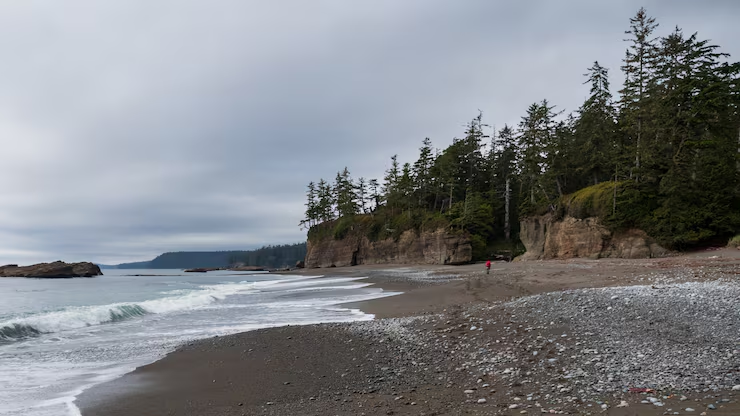
On the Atlantic coast lies Las Grutas, Río Negro’s most unexpected attraction. Unlike the cold waters typical of Patagonia, Las Grutas is famous for having some of the warmest ocean waters in Argentina, thanks to its unique geography.
The resort town offers sandy beaches, sea caves, cliffs, and calm waters ideal for swimming. During summer, Las Grutas becomes a lively destination with restaurants, nightlife, and family-friendly activities.
Its combination of beach tourism and Patagonian scenery makes Las Grutas a unique coastal getaway.
Why Río Negro Is a Must-Visit Destination
Río Negro stands out for its remarkable diversity. In one province, travelers can experience:
- Alpine lakes and mountain resorts
- National parks and outdoor adventures
- Bohemian culture and artisan traditions
- World-class skiing
- Warm Atlantic beaches
From the iconic landscapes of Bariloche and Nahuel Huapi National Park, the adventurous slopes of Cerro Catedral, the artistic energy of El Bolsón, to the sunny shores of Las Grutas, Río Negro showcases Patagonia in all its variety.
Whether you seek adventure, relaxation, culture, or nature, Río Negro delivers unforgettable experiences in every season.