
Now Reading: Santa Fe, Argentina: Rivers, Culture & History
-
01
Santa Fe, Argentina: Rivers, Culture & History
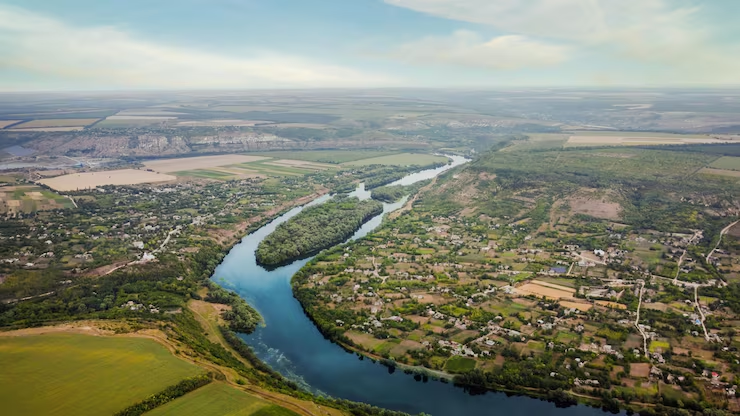
Santa Fe, Argentina: Rivers, Culture & History
Located in the heart of Argentina’s Littoral Region, Santa Fe Province is a land shaped by rivers, colonial history, vibrant cities, and rich natural ecosystems. Unlike the dramatic mountains of Patagonia or the arid landscapes of the northwest, Santa Fe offers a different but equally fascinating face of Argentina—one defined by flowing waterways, fertile plains, cultural heritage, and urban creativity.
From the energetic riverfront city of Rosario, birthplace of football legend Lionel Messi, to the historic streets of Santa Fe City, from wetland ecosystems of the Paraná Delta to ancient ruins and flamingo-filled lagoons, Santa Fe Province is a destination where nature and culture exist in perfect balance.
This province plays a vital role in Argentina’s economy, history, and identity, yet remains underrated by international travelers—making it an ideal destination for those seeking authentic experiences beyond the typical tourist routes.
Rosario – Dynamic River City and Birthplace of Messi
Rosario is the largest city in Santa Fe Province and one of Argentina’s most important urban centers. Located on the banks of the Paraná River, Rosario is known for its vibrant culture, modern skyline, riverside parks, and deep sporting heritage. Most famously, it is the birthplace of Lionel Messi, a fact proudly celebrated throughout the city.
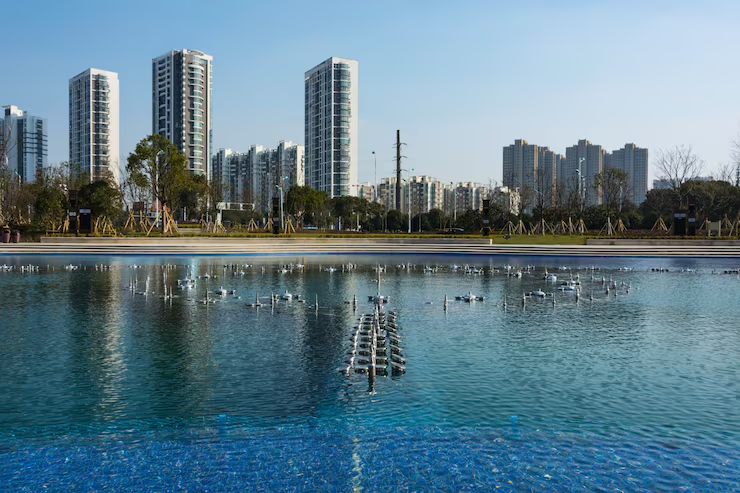
The heart of Rosario’s identity lies along its riverfront. The Parque Nacional a la Bandera and the iconic National Flag Monument dominate the waterfront, commemorating the creation of Argentina’s national flag. From the monument’s tower, visitors enjoy sweeping views of the Paraná River and surrounding islands.
Rosario is also a cultural powerhouse. The city boasts theaters, art galleries, live music venues, and a thriving food scene. Local cuisine highlights fresh river fish, grilled meats, and modern Argentine gastronomy. At night, Rosario comes alive with cafés, bars, and riverside promenades filled with locals.
With its blend of history, creativity, sports culture, and river landscapes, Rosario represents the modern, energetic spirit of Santa Fe Province.
Santa Fe City – Colonial Roots and Political Heritage
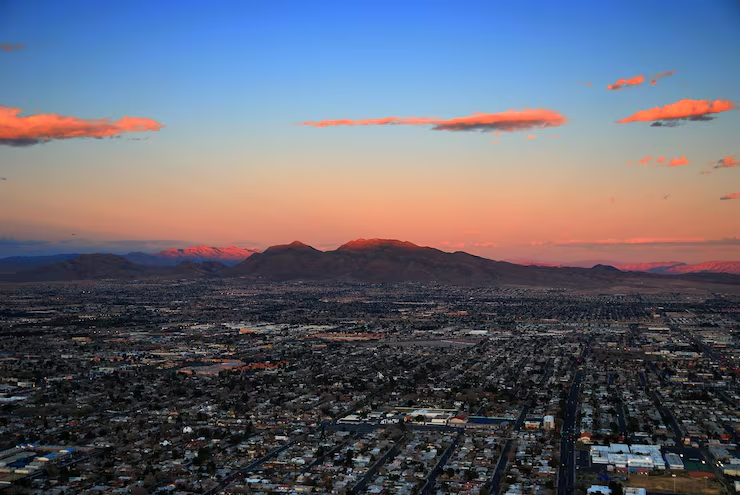
Santa Fe City, the provincial capital, is one of the oldest cities in Argentina, founded in the 16th century. Its historic significance is immense—it is the city where Argentina’s national constitution was drafted and signed, making it a cornerstone of the country’s political history.
The city’s colonial past is visible in its architecture, churches, and historic buildings. The Metropolitan Cathedral, with its elegant façade and religious importance, stands as one of Santa Fe City’s most recognizable landmarks. Nearby, museums and cultural centers preserve artifacts and documents that tell the story of early colonial life.
Santa Fe City sits at the meeting point of rivers, creating a landscape shaped by water. Riverbanks, lagoons, and bridges form scenic surroundings, while the city itself maintains a slower, more traditional rhythm compared to Rosario.
Cultural festivals, folklore music, and regional cuisine reflect the province’s identity. Santa Fe City offers visitors a deeper understanding of Argentina’s origins, blending history, politics, and everyday life in a setting that feels authentic and welcoming.
Paraná Delta – Wetlands, Islands, and River Life

The Paraná Delta is one of South America’s largest and most important wetland systems, and a significant portion of it lies within Santa Fe Province. This vast network of rivers, channels, islands, and marshlands supports an incredible diversity of wildlife and traditional river communities.
Exploring the Paraná Delta offers a completely different experience from urban Argentina. Boat tours navigate narrow waterways lined with reeds, trees, and floating vegetation. Fishermen, island dwellers, and small wooden houses give insight into a lifestyle deeply connected to the river.
The delta is a paradise for birdwatching, fishing, and nature photography. Capybaras, caimans, herons, and countless bird species thrive in this ecosystem. The calm atmosphere and constant presence of water create a sense of tranquility rarely found in cities.
For eco-tourism enthusiasts, the Paraná Delta showcases the ecological richness of Santa Fe Province and highlights the importance of wetland conservation in Argentina.
Cayastá Ruins – Birthplace of Colonial Santa Fe

The Cayastá Ruins mark the location of Santa Fe la Vieja, the original settlement founded in 1573 before the city was relocated. Today, the archaeological site offers visitors a rare look into Argentina’s early colonial history.
Walking through Cayastá, visitors can explore the remains of streets, houses, churches, and public buildings that once formed a thriving colonial town. Informational signs and guided tours explain how floods, indigenous conflicts, and environmental challenges led to the settlement’s abandonment.
The surrounding landscape of rivers and wetlands provides context for understanding early colonial life and its struggles. The site is both educational and atmospheric, allowing visitors to imagine the beginnings of European settlement in the region.
Cayastá Ruins are a powerful reminder of Santa Fe Province’s foundational role in Argentine history and the resilience of early communities.
Melincué Lagoon – Flamingos and Natural Serenity
Located in southern Santa Fe Province, Melincué Lagoon is a stunning natural attraction known for its seasonal populations of flamingos and other migratory birds. This shallow lagoon is part of an important wetland system that changes throughout the year depending on rainfall and water levels.
During certain seasons, thousands of flamingos gather in the lagoon, creating breathtaking scenes of pink reflections against the water. Birdwatchers and photographers are drawn to the area for its biodiversity and peaceful atmosphere.
Beyond wildlife observation, Melincué Lagoon offers opportunities for relaxation, nature walks, and quiet reflection. The surrounding landscape of flat plains and open skies enhances the sense of space and calm.
The lagoon also holds ecological importance, supporting regional biodiversity and highlighting the environmental diversity of Santa Fe Province beyond its rivers and cities.
Why Santa Fe Province Is Worth Exploring
Santa Fe Province offers a rich and balanced travel experience, combining urban energy, deep history, and natural beauty. What makes the province special is its diversity:
- Rosario’s modern culture and riverfront life
- Santa Fe City’s colonial and political heritage
- The Paraná Delta’s wetlands and wildlife
- Cayastá’s archaeological significance
- Melincué Lagoon’s serene natural beauty
Santa Fe is not defined by extremes but by harmony—between water and land, past and present, city and nature. It is a province where travelers can explore Argentina’s roots, experience vibrant contemporary life, and connect with some of the country’s most important ecosystems.
For those seeking an authentic, meaningful journey through Argentina’s heartland, Santa Fe Province is an essential destination that rewards curiosity and appreciation for culture, history, and nature.