
Now Reading: Santiago del Estero, Argentina: Hot Springs & Heritage
-
01
Santiago del Estero, Argentina: Hot Springs & Heritage
Santiago del Estero, Argentina: Hot Springs & Heritage
Often called “La Madre de Ciudades” (The Mother of Cities), Santiago del Estero Province holds a unique and deeply rooted place in Argentina’s history. As the country’s oldest province and home to its first permanent city, Santiago del Estero preserves centuries of tradition, folklore, and cultural identity. While it may not be as internationally famous as Buenos Aires or Patagonia, this province offers something rare: authenticity.
Located in northern Argentina, Santiago del Estero is a land of thermal waters, colonial history, religious devotion, and rural landscapes shaped by the Monte forests. It is also the heartland of Argentine folklore music and traditional customs that remain alive today.
From the world-famous hot springs of Termas de Río Hondo to the historic streets of Santiago City, from peaceful lakes and dams to sacred pilgrimage sites and untamed forests, Santiago del Estero invites travelers to slow down and connect with Argentina’s deepest roots.
Termas de Río Hondo – Argentina’s Thermal Capital
Termas de Río Hondo is the most famous destination in Santiago del Estero Province and one of the most important spa towns in South America. Renowned for its natural hot springs, the city attracts visitors year-round seeking relaxation, wellness, and therapeutic treatments.
The thermal waters here emerge from underground at high temperatures and are rich in minerals believed to help with joint pain, muscle relaxation, stress relief, and skin conditions. As a result, Termas de Río Hondo has developed into a modern spa destination, offering luxury thermal hotels, wellness centers, and public bathhouses.
Beyond relaxation, the city offers cultural attractions such as the Termas de Río Hondo Museum, which showcases regional history, indigenous cultures, and local art. Nearby, the Autódromo Internacional de Termas hosts international motorsport events, adding a surprising adrenaline element to this tranquil destination.
Tree-lined streets, parks, and lakeside promenades create a peaceful atmosphere, while local restaurants serve traditional northern Argentine cuisine. Termas de Río Hondo perfectly blends health tourism, culture, and leisure, making it a cornerstone of Santiago del Estero’s tourism identity.
Santiago City – The Oldest City in Argentina

Founded in 1553, Santiago del Estero City is the oldest continuously inhabited city in Argentina. This historical distinction gives the capital a unique character, shaped by colonial architecture, religious heritage, and living traditions that date back centuries.
Walking through Santiago City feels like stepping into Argentina’s early history. Landmarks such as the Cathedral Basilica of Santiago del Estero, one of the oldest churches in the country, reflect the city’s spiritual and architectural legacy. Nearby plazas, museums, and government buildings preserve colonial design elements alongside modern life.
The city is also the birthplace of Argentine folklore. Traditional music styles like chacarera and zamba are not museum pieces here—they are part of everyday life. Cultural festivals, peñas (folk gatherings), and live performances keep music and dance alive throughout the year.
Santiago City offers a calm, welcoming atmosphere, where history is not staged for tourists but lived naturally by its residents. It is an essential stop for travelers who want to understand Argentina beyond its big cities.
Dique Frontal – Water, Recreation, and Scenic Views
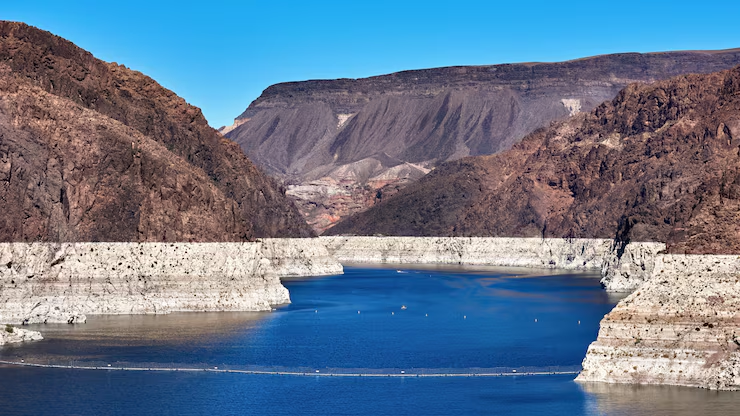
The Dique Frontal reservoir, located near Termas de Río Hondo, adds a refreshing contrast to the province’s dry landscapes. Created by damming the Dulce River, the lake plays a crucial role in water regulation while also serving as a recreational hub.
The reservoir is popular for water sports, including kayaking, jet skiing, sailing, and fishing. Calm waters and wide open spaces make it ideal for family activities and relaxed outdoor experiences. The lakeside area also features picnic spots, viewpoints, and walking paths.
Sunsets over Dique Frontal are particularly striking, with golden reflections across the water and silhouettes of distant hills. The reservoir attracts both tourists and locals seeking a peaceful escape from the heat and urban routines.
Dique Frontal demonstrates how Santiago del Estero integrates natural resources into leisure and sustainability, offering a refreshing environment that complements the province’s thermal and cultural attractions.
Copacabana Sanctuary – Faith and Pilgrimage
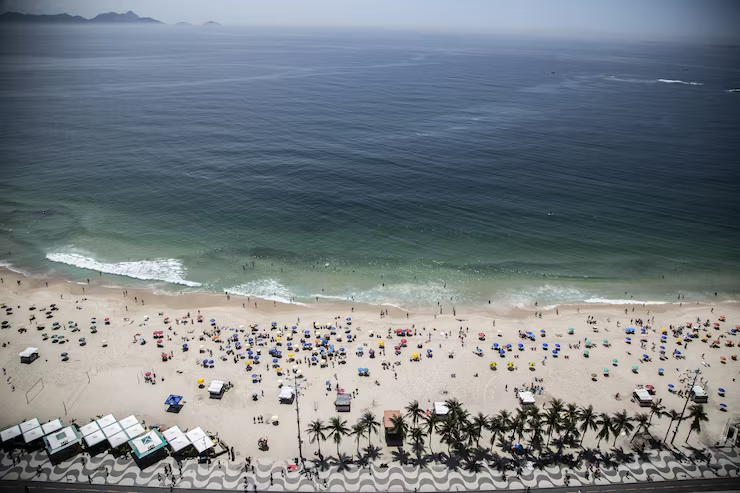
The Sanctuary of Our Lady of Copacabana of Sumampa is one of Argentina’s most important religious sites and a major pilgrimage destination. Nestled in a rural setting, the sanctuary represents centuries of devotion and spiritual tradition.
Every year, thousands of pilgrims travel from across Argentina to honor the Virgin of Copacabana, especially during major religious festivals. The sanctuary’s simple yet powerful architecture reflects humility, faith, and endurance.
The journey to Copacabana is as meaningful as the destination itself. Pilgrims often walk long distances, passing through rural landscapes and small communities, reinforcing a deep sense of collective belief and tradition.
For visitors, the sanctuary offers insight into the spiritual life of northern Argentina. Even for non-religious travelers, the site provides a moving cultural experience rooted in history, devotion, and community identity.
Monte Forests – Rural Landscapes and Traditional Life
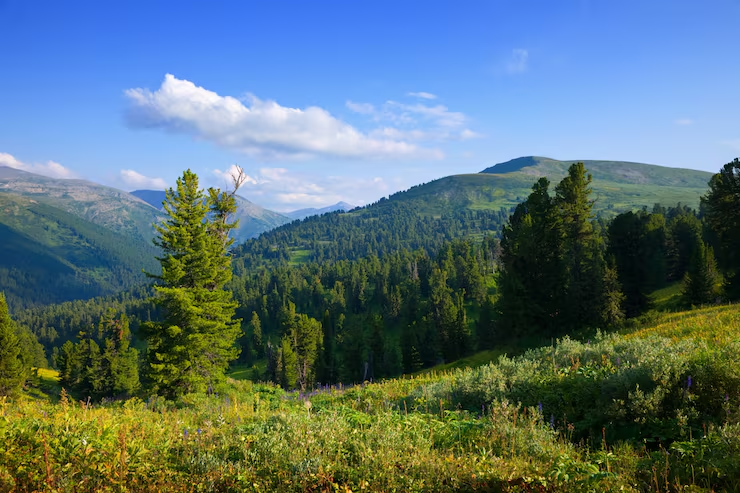
Much of Santiago del Estero Province is covered by Monte forests, a dry woodland ecosystem unique to northern Argentina. These landscapes define the province’s rural character and support traditional livelihoods such as cattle ranching, small-scale farming, and artisanal crafts.
The Monte forests are home to native plant species like quebracho trees and wildlife adapted to hot, semi-arid conditions. While less dramatic than rainforests or mountains, these forests possess a quiet beauty that reflects resilience and balance with nature.
Rural communities scattered throughout the Monte region preserve traditional customs, folklore, and gastronomy. Visitors can experience authentic Argentine countryside life, far removed from mass tourism.
Exploring the Monte forests offers a deeper understanding of Santiago del Estero’s identity—one rooted in land, tradition, and adaptation to challenging environments.
Why Visit Santiago del Estero Province?
Santiago del Estero is not a province of flashy attractions—it is a province of meaning, history, and authenticity. What makes it special is its ability to offer experiences that feel real and deeply connected to Argentina’s origins.
Key reasons to visit include:
- World-class thermal tourism in Termas de Río Hondo
- Argentina’s oldest city and living colonial history
- Relaxing water recreation at Dique Frontal
- Powerful religious and cultural heritage at Copacabana
- Traditional rural life within the Monte forests
This province invites travelers to slow down, listen to folklore music under starry skies, soak in healing waters, and walk through places where Argentine history truly began.
For those seeking an authentic, soulful journey into Argentina’s past and present, Santiago del Estero Province offers an unforgettable experience that goes far beyond typical tourist routes.