
Now Reading: Top 20 Places to Visit in Albania
-
01
Top 20 Places to Visit in Albania
Top 20 Places to Visit in Albania
Tirana – The Colorful Capital of Albania
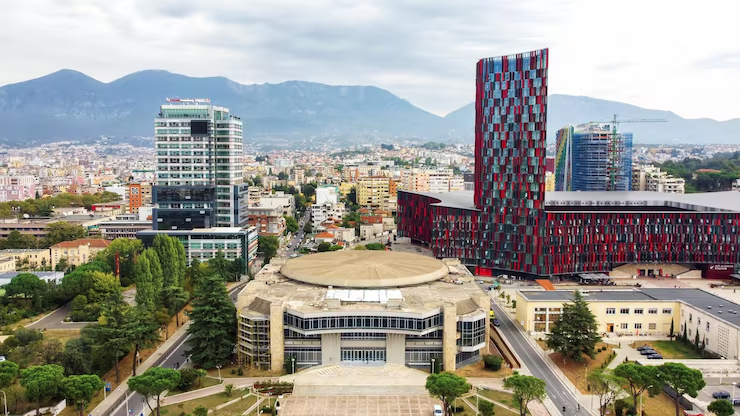
Tirana, the capital and largest city of Albania, is the cultural, political, and economic heart of the country. Once a quiet communist-era city, Tirana has transformed into a lively and colorful destination filled with energy and creativity. The city center revolves around Skanderbeg Square, a vast open plaza surrounded by important landmarks such as the National History Museum, Et’hem Bey Mosque, and the Opera House.
One of Tirana’s most striking features is its brightly painted buildings, introduced as a symbol of renewal after the fall of communism. The city is also known for its café culture, with locals spending hours socializing over coffee. Museums like Bunk’Art and the House of Leaves offer deep insights into Albania’s recent history.
With its blend of Ottoman, Italian, and modern architecture, vibrant nightlife, and friendly atmosphere, Tirana serves as the perfect starting point for exploring Albania.
2. Berat – The City of a Thousand Windows
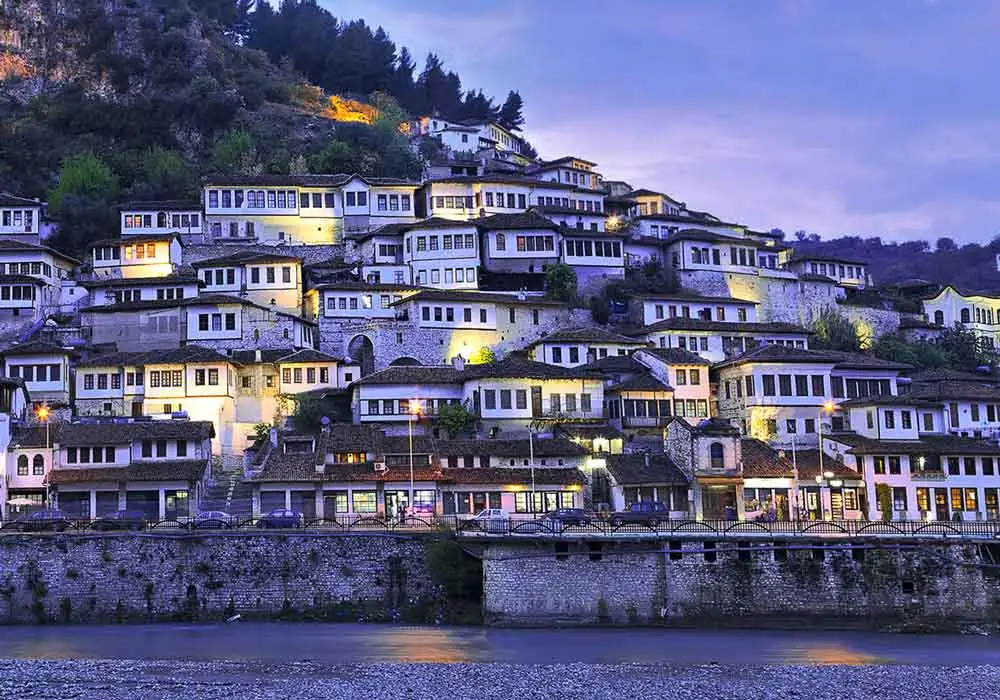
Berat is one of Albania’s most beautiful and historic cities, proudly listed as a UNESCO World Heritage Site. Known as the “City of a Thousand Windows,” Berat is famous for its white Ottoman-style houses stacked along the hillsides above the Osum River. These windows create a unique and picturesque skyline.
The city’s history dates back over 2,400 years, and its well-preserved architecture reflects centuries of cultural coexistence. Berat Castle, still inhabited today, sits atop a hill and offers panoramic views of the city. Inside the castle walls, visitors can explore ancient churches, mosques, and museums.
Berat’s old quarters, Mangalem and Gorica, are perfect for walking and photography. The city also showcases Albania’s tradition of religious harmony, with mosques and churches standing close together. Berat is a living museum that beautifully preserves Albania’s heritage.
3. Gjirokastër – The Stone City
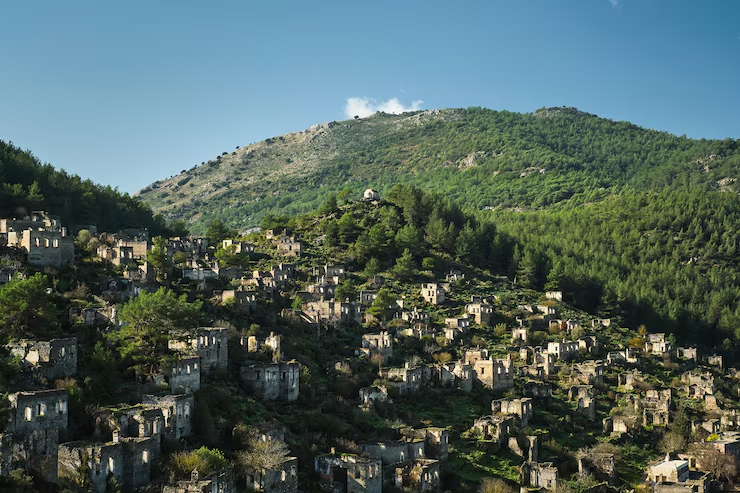
Gjirokastër is another UNESCO World Heritage city, known for its distinctive stone architecture and rich history. Often called the “Stone City,” Gjirokastër is characterized by slate-roofed houses, cobblestone streets, and a dramatic mountainside setting.
Dominating the city is Gjirokastër Castle, one of the largest fortresses in the Balkans. The castle offers stunning views and houses museums that reflect Albania’s military and cultural history. The old town is filled with traditional houses, many of which have been converted into guesthouses and museums.
Gjirokastër also holds cultural importance as the birthplace of notable historical figures. Its authentic atmosphere, preserved architecture, and deep-rooted traditions make it a must-visit destination for history lovers.
4. Sarandë – Albania’s Coastal Playground

Sarandë is one of Albania’s most popular seaside towns, located along the Ionian Sea. Known for its sunny climate, crystal-clear waters, and lively nightlife, Sarandë attracts both international tourists and locals during summer.
The town offers beautiful beaches, waterfront promenades, and a wide range of hotels and restaurants. Sarandë is also a gateway to nearby attractions such as Ksamil and the ancient city of Butrint. In the evenings, the city comes alive with music, cafés, and seaside dining.
With its relaxed coastal vibe and modern amenities, Sarandë is ideal for travelers looking to enjoy Albania’s beach life.
5. Ksamil – Paradise of Turquoise Waters
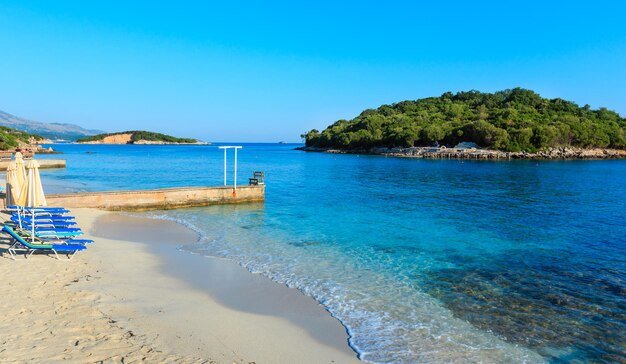
Ksamil is often considered the most beautiful beach destination in Albania. Located near Sarandë, this small village is famous for its turquoise waters, white sand beaches, and small islands just offshore.
The calm, shallow sea makes Ksamil perfect for swimming and relaxing. Visitors can rent boats or paddle to nearby islands, adding to the experience. Despite its popularity, Ksamil still retains a peaceful charm, especially during early mornings and evenings.
Ksamil is a dream destination for beach lovers and photographers.
6. Butrint National Park – Ancient Civilization Preserved
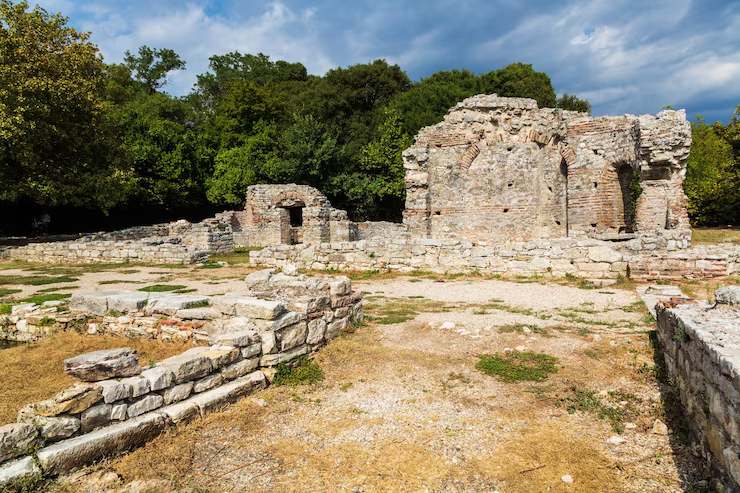
Butrint National Park is one of Albania’s most important archaeological and natural sites. Listed as a UNESCO World Heritage Site, Butrint contains ruins from Greek, Roman, Byzantine, and Venetian periods.
Walking through the park feels like stepping back in time, with theaters, temples, city walls, and baths surrounded by lush greenery and wetlands. The combination of history and nature makes Butrint truly unique.
It is one of Albania’s most educational and visually impressive destinations.
7. Durrës – Ancient City by the Sea
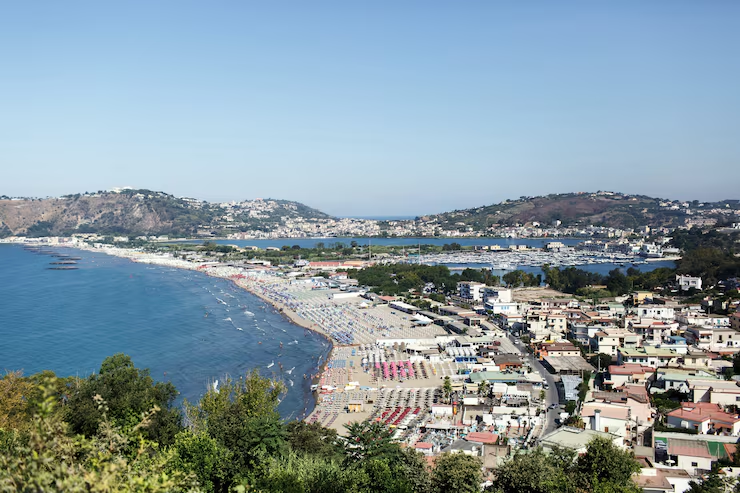
Durrës is one of Albania’s oldest cities and its main port. Founded by the ancient Greeks, the city is rich in history and coastal charm. The Roman Amphitheater of Durrës is the largest in the Balkans and a major highlight.
In addition to historical sites, Durrës offers long sandy beaches, making it a popular summer destination. The city combines ancient ruins with modern seaside life.
8. Vlora – Where Two Seas Meet
Vlora is one of Albania’s most historically and geographically significant cities. It holds a special place in the nation’s heart as the city where Albania declared its independence in 1912. Beyond its historical importance, Vlora is uniquely positioned at the point where the Adriatic Sea meets the Ionian Sea, creating a stunning coastal landscape unlike anywhere else in the country.
The city offers a relaxed Mediterranean atmosphere with beautiful beaches stretching along its coastline. Visitors can enjoy sandy shores near the city or explore rocky and crystal-clear beaches further south. Vlora’s promenade is lined with cafés and restaurants, making it a pleasant place to walk, dine, and watch the sunset.
Cultural attractions include the Independence Museum, historic monuments, and local mosques and churches that reflect Albania’s diverse heritage. Vlora also acts as the northern gateway to the famous Albanian Riviera, making it an ideal base for coastal exploration. Combining history, beaches, and natural beauty, Vlora is a destination that captures both Albania’s past and its coastal charm.
9. Albanian Riviera – Untouched Coastal Beauty
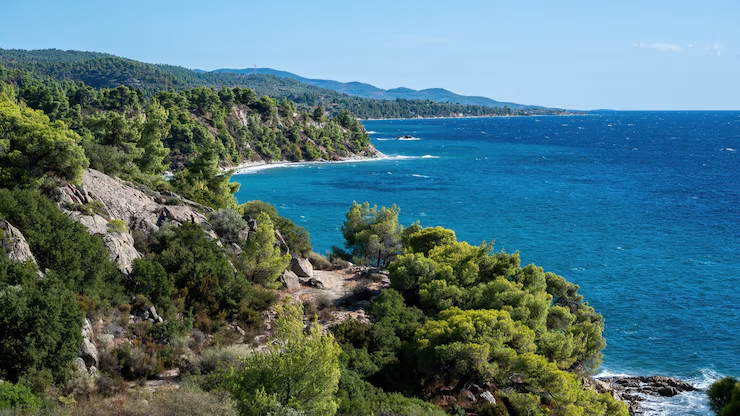
The Albanian Riviera is one of Europe’s most breathtaking yet relatively undiscovered coastlines. Stretching along the Ionian Sea, this region is famous for its dramatic cliffs, turquoise waters, and pristine beaches. Unlike more commercialized Mediterranean destinations, the Albanian Riviera retains a sense of authenticity and natural beauty.
Picturesque villages such as Dhërmi, Himarë, and Jale offer charming coastal life, with white stone houses overlooking the sea. Beaches here range from lively beach clubs to secluded coves accessible only by foot or boat. The contrast between high mountain peaks and deep blue waters creates unforgettable scenery.
Beyond relaxation, the Riviera offers adventure through swimming, snorkeling, hiking, and scenic drives. Local cuisine features fresh seafood, olive oil, and traditional dishes that reflect coastal traditions. The Albanian Riviera is perfect for travelers seeking both relaxation and exploration in a stunning natural setting.
10. Shkodra – Cultural Capital of the North

Shkodra is one of Albania’s oldest cities and a major cultural center of the country’s north. With a history spanning over two millennia, Shkodra has long been a hub for art, music, literature, and education. The city’s cultural influence is evident in its museums, galleries, and vibrant local traditions.
One of Shkodra’s most iconic landmarks is Rozafa Castle, which sits on a hill overlooking the city and offers panoramic views of rivers, mountains, and Lake Shkodra. The castle is surrounded by legends deeply rooted in Albanian folklore. The city center features charming streets, cafés, and historic buildings with Italian and Ottoman influences.
Shkodra also serves as a gateway to northern Albania’s natural attractions, including the Albanian Alps and Lake Shkodra. Its blend of history, culture, and access to nature makes Shkodra a must-visit destination.
11. Lake Shkodra – Nature and Tranquility
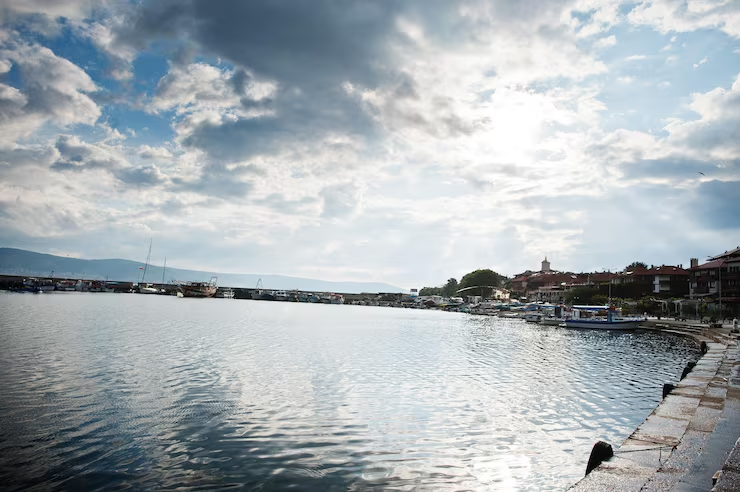
Lake Shkodra is the largest lake in the Balkans and one of Albania’s most peaceful natural attractions. Shared between Albania and Montenegro, the lake is surrounded by wetlands, hills, and traditional fishing villages. Its calm waters and scenic beauty make it a haven for nature lovers.
The lake is home to diverse wildlife, including rare birds, making it a popular spot for birdwatching and photography. Visitors can enjoy boat rides, cycling along the shore, or simply relaxing by the water. Sunsets over Lake Shkodra are particularly stunning, painting the sky with warm colors.
Local communities around the lake maintain traditional lifestyles, adding cultural depth to the experience. Lake Shkodra offers a perfect escape from busy city life and showcases Albania’s natural serenity.
12. Theth National Park – Alpine Beauty
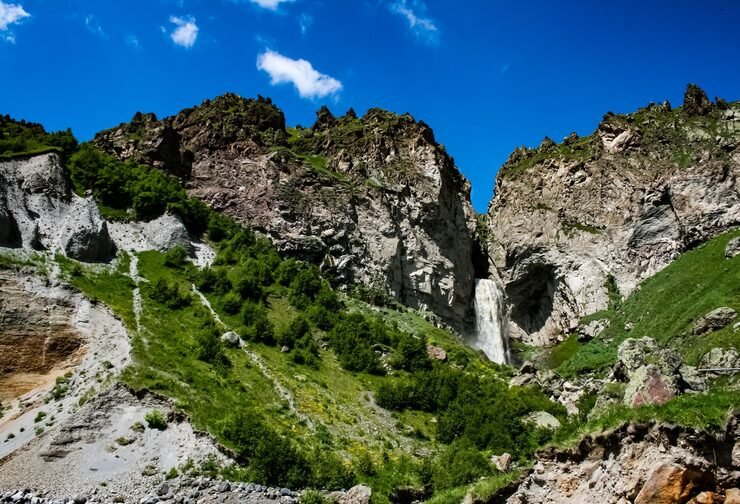
Theth National Park is a remote and spectacular alpine region located in the Albanian Alps. Surrounded by towering peaks, dense forests, and clear rivers, Theth feels like a step back in time. Traditional stone houses and small guesthouses reflect centuries-old mountain lifestyles.
The park is famous for its natural attractions, including the Blue Eye of Theth, Grunas Waterfall, and scenic hiking trails. One of the highlights is the peaceful village of Theth itself, where visitors experience warm hospitality and local traditions.
Theth is a paradise for hikers and adventure seekers, offering some of the most dramatic landscapes in Albania. Its isolation and untouched beauty make it one of the country’s most rewarding destinations for nature tourism.
13. Valbona Valley National Park – Mountain Paradise
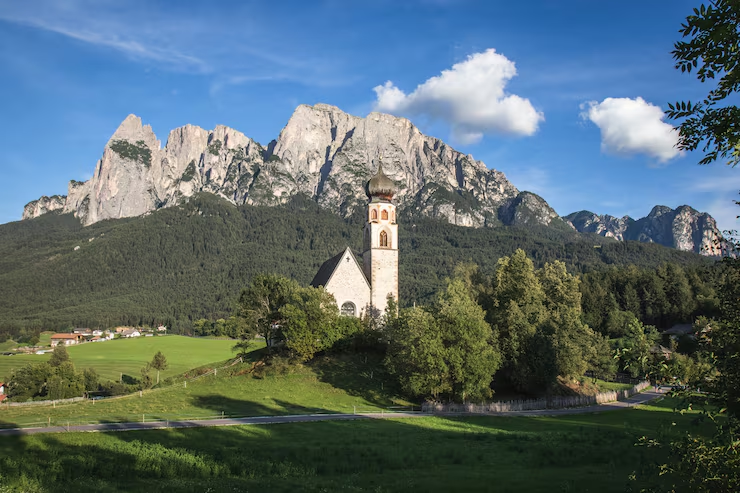
Valbona Valley National Park is one of Albania’s most stunning natural treasures. Located in the heart of the Albanian Alps, the valley is surrounded by dramatic mountain peaks, lush forests, and crystal-clear rivers. The Valbona River flows through the valley, adding to its serene beauty.
The park is a popular destination for trekking, especially the famous Valbona-to-Theth hike, which is considered one of the best hiking routes in the Balkans. The area offers fresh mountain air, peaceful villages, and breathtaking scenery at every turn.
Valbona Valley is ideal for eco-tourism and travelers seeking solitude and nature. It represents the wild and untouched spirit of northern Albania.
14. Blue Eye (Syri i Kaltër) – Natural Wonder

The Blue Eye, or Syri i Kaltër, is one of Albania’s most mesmerizing natural attractions. This freshwater spring is famous for its incredibly clear water and deep blue color, which resembles a human eye. The spring’s depth remains largely unexplored, adding an element of mystery.
Surrounded by lush greenery, the Blue Eye creates a peaceful and refreshing environment. Visitors are captivated by the contrast between dark blue depths and light turquoise edges. It is especially popular with photographers and nature lovers.
The Blue Eye showcases Albania’s rich natural beauty and is a must-visit for anyone exploring the southern region of the country.
15. Krujë – City of the National Hero
Krujë is one of Albania’s most historically important towns and is closely associated with Skanderbeg, the country’s national hero. The town played a key role in Albania’s resistance against the Ottoman Empire during the 15th century.
Krujë Castle stands proudly above the town and houses the Skanderbeg Museum, which tells the story of Albania’s struggle for independence. The old bazaar below the castle is one of the best-preserved in the country, offering traditional crafts, souvenirs, and local products.
With its strong historical identity and charming atmosphere, Krujë is a symbol of Albanian pride and heritage.
16. Apollonia Archaeological Park – Ancient Greek City
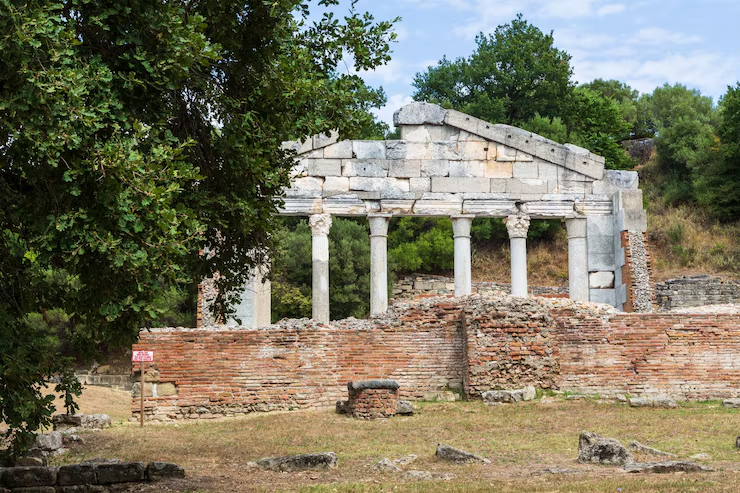
Apollonia Archaeological Park is one of Albania’s most important ancient sites. Founded by Greek settlers in the 6th century BCE, Apollonia later became a significant Roman city. Today, its ruins lie peacefully among rolling hills and olive groves.
Visitors can explore ancient temples, a theater, city walls, and a monastery within the park. The site offers insight into classical civilization and Albania’s ancient past.
Apollonia combines history, archaeology, and natural beauty, making it a fascinating destination for history enthusiasts.
17. Korçë – City of Culture and Traditions

Korçë is a charming city in southeastern Albania known for its strong cultural identity. Often called the “City of Serenades,” Korçë is famous for music, art, and traditional festivals.
The city features museums, historic architecture, and lively cafés. Korçë is also known for its cuisine, offering some of the best traditional dishes in Albania.
With its elegant atmosphere and artistic spirit, Korçë stands out as one of Albania’s cultural gems.
18. Pogradec – Peaceful Lakeside Town
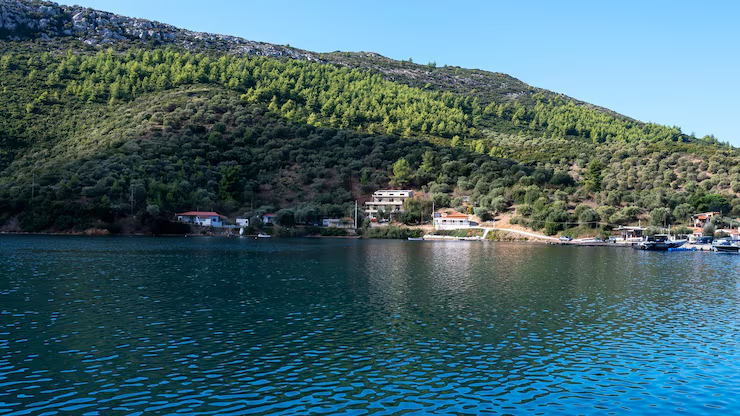
Pogradec is a calm and scenic town located on the shores of Lake Ohrid. Known for its relaxed pace of life, the town is ideal for travelers seeking peace and natural beauty.
Tree-lined parks, walking paths, and beautiful lake views define Pogradec’s charm. The town has literary importance and a strong connection to Albanian poetry and art.
Pogradec is perfect for quiet holidays, romantic walks, and enjoying nature.
19. Llogara Pass – Breathtaking Views
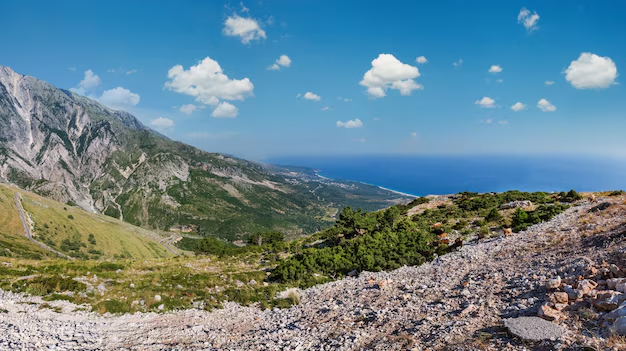
Llogara Pass is one of Albania’s most scenic mountain passes. Rising high above the Ionian Sea, it offers breathtaking views where mountains dramatically drop into the sea below.
The drive through Llogara Pass is an unforgettable experience, popular with photographers and nature lovers. The area is also home to wildlife and pine forests.
Llogara Pass marks the transition between inland mountains and the Albanian Riviera.
20. Përmet – Land of Rivers and Hot Springs

Përmet is a peaceful town surrounded by mountains and known for its natural beauty. Located near the Vjosa River, Përmet is famous for hot springs, clear waters, and outdoor activities.
The town is ideal for eco-tourism, rafting, hiking, and relaxation. Local cuisine and hospitality add warmth to the experience.
Përmet offers a perfect blend of nature, wellness, and traditional Albanian life.