
Now Reading: Top 20 Tourist Places in Baden, Germany
-
01
Top 20 Tourist Places in Baden, Germany

Top 20 Tourist Places in Baden, Germany
1. Baden-Baden – Luxury Spa Town
Baden-Baden is one of Germany’s most famous spa towns, nestled at the edge of the Black Forest. Known for its thermal baths, luxury hotels, and world-class casinos, it has been a retreat for Europe’s elite since Roman times. The town’s mineral-rich hot springs are the centerpiece of its wellness culture, attracting visitors seeking relaxation, therapeutic treatments, and rejuvenation.
Beyond its spas, Baden-Baden offers elegant streets lined with Belle Époque architecture, high-end boutiques, and fine dining. The Kurhaus, a historic casino and event venue, embodies the town’s blend of leisure and culture. Nature enthusiasts can explore the Lichtentaler Allee park, which follows the River Oos and showcases botanical gardens, sculptures, and walking paths. Cultural institutions, such as the Festspielhaus opera house, host concerts, performances, and festivals year-round.
Whether soaking in a thermal bath, strolling through manicured gardens, or enjoying classical music, Baden-Baden offers a refined travel experience. Its combination of natural wellness, historic charm, and luxurious ambiance makes it a must-visit destination in Baden.
2. Black Forest (Schwarzwald) – Nature’s Wonderland

The Black Forest, or Schwarzwald, is one of Germany’s most iconic regions, famous for dense pine forests, rolling hills, and picturesque villages. Known worldwide for cuckoo clocks and traditional German folklore, the Black Forest combines natural beauty with cultural heritage.
Hiking and biking trails crisscross the region, offering panoramic views, waterfalls, and scenic valleys. Villages such as Triberg and Gengenbach provide fairytale charm with half-timbered houses, cobblestone streets, and traditional craftsmanship. Culinary delights, including the renowned Black Forest cake and smoked ham, give visitors a taste of local culture.
The forest is also dotted with lakes, rivers, and historic sites, making it ideal for nature lovers and cultural explorers alike. Travelers can enjoy wellness resorts, forest walks, and photography excursions in an environment steeped in history and legend. The Black Forest embodies Germany’s natural and cultural treasures, providing both adventure and relaxation.
3. Freiburg im Breisgau – Sunlit University City
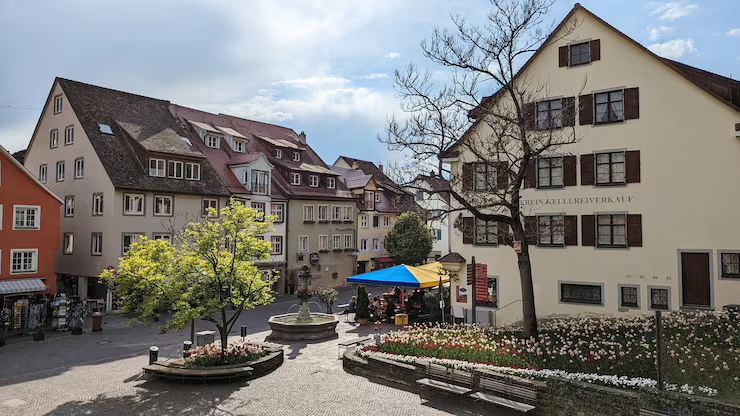
Freiburg im Breisgau is a charming city in southwestern Baden, famous for its medieval old town, Gothic cathedral, and sunny climate. Known as Germany’s “sunniest city,” Freiburg blends academic energy with historical charm. Its cobbled streets, colorful squares, and timber-framed buildings create a welcoming atmosphere for visitors.
The Freiburg Minster, a stunning Gothic cathedral with a towering spire, dominates the skyline. Surrounding streets offer cafés, artisan shops, and traditional markets. The city’s university adds a youthful vibe, while cultural events, festivals, and local theaters enrich the experience. Freiburg is also a gateway to the Black Forest, making it ideal for day trips, hiking, and scenic drives.
With sustainable transport, pedestrian-friendly streets, and a focus on eco-tourism, Freiburg attracts travelers seeking history, culture, and outdoor adventure. It’s a vibrant, sun-soaked destination that balances modern liveliness with centuries-old charm.
4. Heidelberg – Romantic City on the Neckar
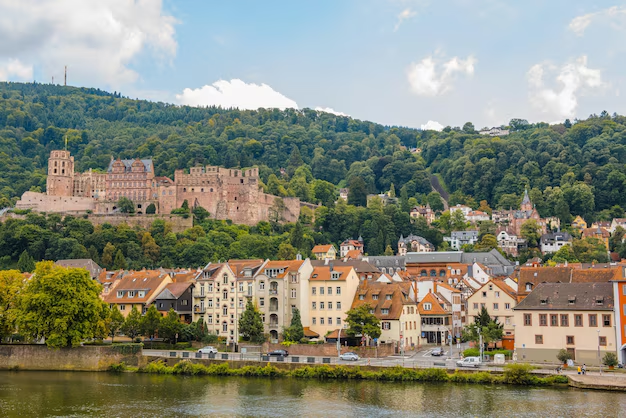
Heidelberg is one of Germany’s most romantic cities, famous for its picturesque old town and stunning castle overlooking the Neckar River. With cobbled streets, baroque architecture, and lively student life, Heidelberg offers a perfect mix of history and culture.
The city’s medieval Old Bridge, charming squares, and historic churches provide an enchanting walking experience. Heidelberg Castle, partially restored, offers panoramic views and a glimpse into Renaissance grandeur. Visitors can explore museums, enjoy riverside cafés, and participate in seasonal festivals that celebrate the city’s rich heritage.
Heidelberg’s blend of romantic scenery, history, and vibrant social life makes it an ideal destination for couples, families, and cultural tourists alike.
5. Heidelberg Castle – Renaissance Majesty

Perched above the Neckar River, Heidelberg Castle is a symbol of German Renaissance architecture and history. The castle ruins, partly reconstructed, showcase stunning façades, courtyards, and historic wine cellars. Visitors can admire panoramic views of the city and river below, while exploring the intricate stonework, terraces, and gardens.
A highlight is the castle’s massive wine barrel, once used for storing thousands of liters of wine. The site also hosts cultural events, guided tours, and light shows, blending heritage with entertainment. Heidelberg Castle embodies both architectural brilliance and romantic charm, making it a must-visit landmark in Baden.
6. Karlsruhe – Planned Capital and Cultural Hub
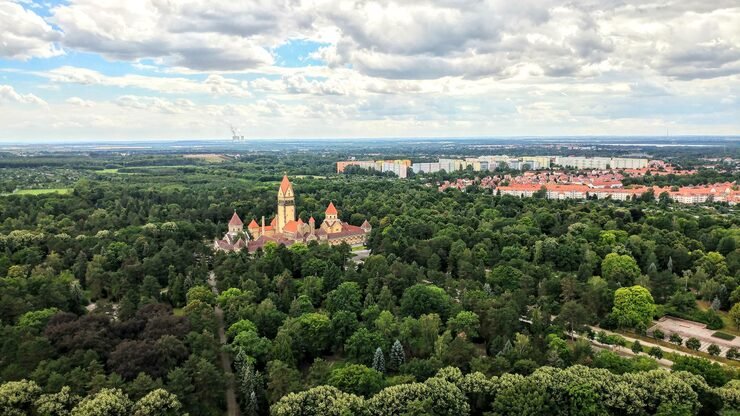
Karlsruhe is a unique city in Baden, designed in a radial layout centered around the Karlsruhe Palace. Known for its cultural institutions, museums, and green spaces, the city combines modernity with historical significance.
The Karlsruhe Palace, housing the Baden State Museum, dominates the cityscape and is surrounded by gardens and walking paths. The city is also home to theaters, art galleries, and contemporary architecture. Karlsruhe’s open squares, cultural festivals, and vibrant cafés provide a lively urban experience. Visitors can enjoy history, art, and modern city life in a compact, well-planned destination.
7. Karlsruhe Palace – Historical Residence

The Karlsruhe Palace, constructed in the 18th century, was the residence of the Margraves of Baden. Its Baroque architecture and central tower define the city’s radial design. The palace now hosts the Baden State Museum, showcasing art, archaeology, and regional history.
Visitors can explore the palace grounds, gardens, and exhibitions. Seasonal events, concerts, and festivals bring the historic site to life. Karlsruhe Palace reflects the city’s political and cultural history, making it a cornerstone of Baden’s heritage.
8. Lake Constance (Bodensee) – Alpine Waterscape

Lake Constance, or Bodensee, borders Germany, Austria, and Switzerland, offering stunning alpine scenery and recreational opportunities. The lake is perfect for sailing, swimming, cycling along its shores, and lakeside picnics.
Historic towns such as Meersburg and Lindau feature medieval architecture, while vineyards and orchards surround the area. The lake’s clean waters, gentle beaches, and panoramic views attract families, nature lovers, and outdoor enthusiasts. Lake Constance combines natural beauty with cultural richness.
9. Konstanz – Historic Lake City
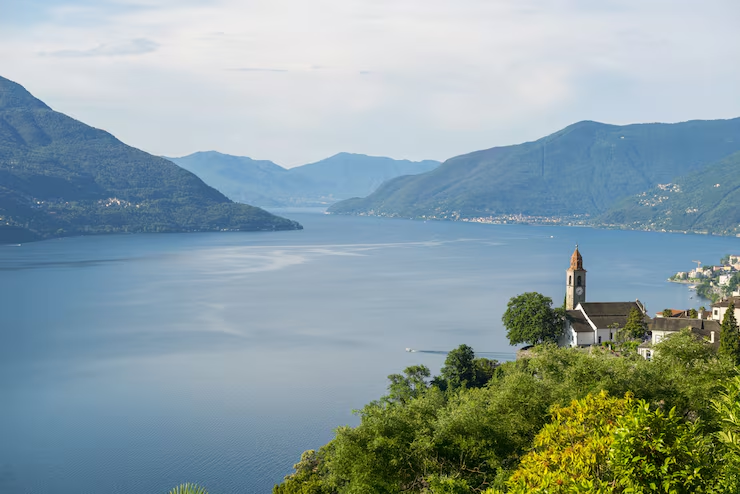
Konstanz, located on the western shore of Lake Constance (Bodensee), is a city where history and lakeside charm blend seamlessly. With roots dating back to Roman times, it boasts a well-preserved medieval old town filled with cobblestone streets, colorful buildings, and historic squares. The city’s architectural heritage includes Gothic churches, Renaissance facades, and the impressive Konstanz Cathedral, whose tower offers panoramic views of the city and the sparkling lake.
Konstanz’s harbor is a hub of activity, where tourists can embark on boat tours across Lake Constance to visit nearby towns in Germany, Austria, and Switzerland. The lakeside promenade is perfect for leisurely walks, cycling, and enjoying sunsets over the Alps. Local markets, such as the historic flea market and seasonal Christmas market, give visitors a taste of traditional culture and culinary delights.
In addition to its history and natural beauty, Konstanz offers a vibrant cultural scene with theaters, art galleries, and museums, including the Rosgartenmuseum, which highlights regional history. Cafés, restaurants, and beer gardens along the waterfront make it an ideal spot to relax after sightseeing. Whether exploring its medieval streets, cruising the lake, or savoring local cuisine, Konstanz provides a captivating mix of history, leisure, and scenic beauty for travelers of all ages.
10. Triberg Waterfalls – Cascading Black Forest Beauty

Triberg Waterfalls, located in the heart of Germany’s Black Forest, are among the highest waterfalls in the country, dropping over 160 meters in several cascades. Surrounded by dense forests, the waterfalls are a spectacular natural attraction that draws hikers, photographers, and nature enthusiasts alike. Wooden walkways and well-maintained trails allow visitors to explore different vantage points, offering both serene close-ups of the cascading water and panoramic views of the surrounding valleys.
The town of Triberg itself complements the natural wonder with rich cultural offerings. Known as the birthplace of the Black Forest cuckoo clock, it features workshops, museums, and shops where visitors can see traditional craftsmanship in action. Triberg also celebrates its regional cuisine, including Black Forest ham and cake, giving travelers a full sensory experience.
During winter, the waterfalls take on a magical character as icy formations glisten in the sunlight, while in spring and summer, the surrounding forest blooms with vibrant flora. The combination of natural beauty, outdoor adventure, and cultural immersion makes Triberg Waterfalls a must-visit destination in Baden, providing both tranquility and excitement for families, solo travelers, and nature lovers alike.
11. Gengenbach – Fairytale Medieval Town
Gengenbach is a picturesque town tucked into the Black Forest region, known for its charming half-timbered houses, narrow cobblestone streets, and medieval charm. The town exudes a storybook atmosphere, with colorful façades lining the old market square and historic towers rising above the skyline. Visitors often describe Gengenbach as a living postcard of traditional German architecture.
The town is particularly famous for its Christmas celebrations, transforming the central square into one of Germany’s largest Advent calendars. Each building in the square represents a day in December, making it a magical experience for families and travelers during the holiday season. Beyond the festive charm, Gengenbach offers quaint cafés, artisan shops, and local markets that showcase Black Forest crafts, including cuckoo clocks and handmade woodwork.
Cultural events and museums, such as the Gengenbach Abbey Museum, provide insight into the town’s rich history, which dates back over a thousand years. Hiking and cycling trails around the surrounding countryside invite exploration of lush forests, vineyards, and rolling hills. Gengenbach perfectly balances a relaxed small-town atmosphere with rich cultural heritage, making it a must-visit destination for those seeking a fairytale-like German experience.
12. Offenburg – Gateway to the Black Forest Wine Region

Offenburg is a vibrant town at the edge of Germany’s Black Forest, serving as an ideal base for exploring the region’s scenic landscapes and renowned wine routes. Known for its welcoming atmosphere, Offenburg offers visitors a mix of historic architecture, cultural experiences, and modern amenities. The town center features traditional timber-framed houses, charming squares, and elegant 18th-century buildings, reflecting its long history as a trade and administrative hub.
Offenburg is famous for its proximity to the Ortenau wine region, one of Germany’s premier wine-producing areas. Visitors can enjoy guided vineyard tours, wine tastings, and culinary experiences that highlight local specialties such as Riesling and Spätburgunder wines. The town also hosts annual wine festivals, bringing together locals and tourists in lively celebrations of regional culture.
Beyond wine, Offenburg is a gateway to the Black Forest’s natural beauty, including hiking trails, cycling paths, and nearby spas. Museums, theaters, and cultural events add depth to a visit, offering insight into the region’s traditions and art. With a combination of historical charm, gastronomic delights, and outdoor adventure, Offenburg provides a well-rounded experience for travelers seeking to explore Baden’s rich heritage and scenic landscapes.
13. Rastatt Palace – Baroque Splendor
Rastatt Palace, located in the town of Rastatt in Baden, is a magnificent Baroque residence built by the Margraves of Baden-Baden in the early 18th century. Often referred to as the “Versailles of the Upper Rhine,” the palace impresses visitors with its symmetrical design, ornate façades, and meticulously landscaped gardens. The palace is a shining example of Baroque architecture and the opulence of German nobility during that era.
The interiors of Rastatt Palace feature grand halls, elaborate stuccoes, and richly decorated chambers that reflect the aristocratic lifestyle. Visitors can explore the ceremonial rooms, apartments, and galleries, each offering insight into historical art, furniture, and decoration. The palace’s gardens, with geometrically arranged parterres, fountains, and sculptures, provide a serene setting for strolls and photography.
Rastatt Palace also serves as a cultural venue, hosting concerts, exhibitions, and guided tours that bring history to life. Its strategic location along the Rhine made it an important political and military site in the region. Today, the palace combines historical education with aesthetic pleasure, allowing visitors to step back in time and experience the grandeur of the Baden nobility. Rastatt Palace is a must-see for lovers of architecture, history, and elegant gardens.
14. Pforzheim – The Gold City
Pforzheim, often called the “Gold City,” is famous for its long-standing jewelry and watchmaking tradition, earning a reputation as one of Germany’s leading centers for craftsmanship. Located at the northern edge of the Black Forest, Pforzheim blends industrial heritage with cultural attractions and scenic surroundings. The city’s jewelry industry has been a cornerstone for centuries, and visitors can tour workshops, museums, and boutiques showcasing intricate gold, silver, and gemstone creations.
The Jewelry Museum (Schmuckmuseum) in Pforzheim offers an extensive collection of historical and contemporary pieces, highlighting the city’s role in European luxury craftsmanship. Beyond its artisanal fame, Pforzheim also features elegant parks, churches, and historic districts that reflect its pre-war and post-war development. The Enz River adds a scenic touch to walks and outdoor exploration.
Pforzheim is also a gateway to the Black Forest, with hiking and cycling opportunities just a short drive away. Culinary experiences, including traditional Baden cuisine and local wines, complement the city’s industrial and cultural heritage. For travelers interested in craftsmanship, history, and nature, Pforzheim presents a fascinating blend of tradition, artistry, and regional charm.
15. Breisach am Rhein – Historic Rhine Town
Breisach am Rhein is a picturesque town perched on the Rhine River, boasting a rich history that spans centuries. Its hilltop cathedral, St. Stephan’s, dominates the skyline and offers panoramic views of the surrounding vineyards, the Rhine plain, and the Black Forest. The town’s medieval streets are lined with traditional half-timbered houses, quaint cafés, and artisan shops, giving visitors a sense of stepping back in time.
Breisach has historically been a strategic location due to its position on the Rhine, serving as a crossing and trading point between regions. Today, it blends its historical significance with leisure and cultural tourism. The Rhine promenade provides scenic walks, cycling opportunities, and spots for birdwatching. Local wineries offer tastings of Baden wines, adding a gastronomic highlight to a visit.
Throughout the year, Breisach hosts festivals, markets, and events celebrating local culture and traditions. Art galleries, museums, and historic landmarks provide a deeper understanding of the town’s heritage. Whether you’re interested in medieval architecture, river landscapes, or regional cuisine, Breisach am Rhein delivers a charming and immersive experience in the heart of Baden.
16. Titisee – Lake Resort in the Black Forest

Titisee is one of the most popular resort destinations in Germany’s Black Forest, named after the glacial lake at its center. Surrounded by dense forests and rolling hills, the town and its lake provide a perfect blend of nature, relaxation, and recreation. Visitors can stroll along the lakeside promenade, enjoy boat rides, or explore hiking and cycling trails winding through the scenic Black Forest.
The town of Titisee itself is full of charming shops, cafés, and traditional Black Forest crafts. Visitors can purchase cuckoo clocks, wood carvings, and local delicacies. In winter, Titisee transforms into a cozy snowy retreat, offering skiing and winter sports in nearby areas. During summer, the lake becomes a hub for swimming, paddleboarding, and picnicking.
Titisee also serves as a gateway to exploring the wider Black Forest region. The surrounding countryside is dotted with traditional villages, scenic viewpoints, and natural wonders like waterfalls and valleys. Titisee is ideal for travelers seeking a combination of outdoor adventure, local culture, and relaxation amid one of Germany’s most famous natural landscapes.
17. Schauinsland Mountain – Scenic Heights Near Freiburg
Schauinsland Mountain rises near Freiburg im Breisgau, offering breathtaking views over the Black Forest and the Rhine Valley. Its peak, at over 1,200 meters, is accessible by cable car, making it a convenient destination for families and hikers alike. The mountain is renowned for panoramic vistas, fresh alpine air, and outdoor recreational activities.
Hiking trails of varying difficulty lead visitors through lush forests, past streams, and across meadows rich with wildflowers. In winter, Schauinsland becomes a destination for skiing and snowshoeing. The summit features lookout points, cafés, and picnic areas, allowing visitors to relax while enjoying the sweeping scenery.
The mountain also has historical significance, with remnants of old mining operations and panoramic signage detailing regional geology and ecology. Photographers and nature enthusiasts will find countless opportunities for stunning landscape shots, particularly during sunrise and sunset. Schauinsland combines adventure, nature, and accessibility, making it a highlight for anyone exploring Baden’s Black Forest region.
18. Villingen-Schwenningen – Twin Historic Towns
Villingen-Schwenningen is a unique city formed by the union of two historic towns, each with its own identity. Villingen is known for its well-preserved medieval old town, featuring timber-framed houses, town walls, and historic churches. Schwenningen, historically a center of clockmaking and industry, contributes a modern and industrious dimension to the city.
The area is famous for its precision engineering and clockmaking heritage, celebrated in local museums and workshops. Visitors can explore cultural landmarks, theaters, and seasonal festivals that highlight both traditional and contemporary Baden culture. The surrounding countryside offers hiking, cycling, and nature walks, particularly through the Black Forest’s scenic landscapes.
Villingen-Schwenningen also serves as a hub for culinary tourism, with regional cuisine, wine, and beer traditions showcased in local restaurants. The twin-town structure provides a blend of medieval charm and modern culture, making it a diverse destination for history enthusiasts, outdoor adventurers, and cultural travelers.
19. Lörrach – Crossroads of Cultures
Lörrach is a charming town near the borders of Switzerland and France, known for its vibrant cultural life and picturesque landscapes. The town’s historic center features quaint streets, half-timbered buildings, and lively squares with cafés and local shops. Its location at the tri-border area makes Lörrach a cultural crossroads, blending German, Swiss, and French influences.
Lörrach offers cultural attractions including museums, theaters, and galleries, highlighting the region’s art, history, and traditions. Outdoor enthusiasts can enjoy the surrounding Black Forest landscapes, with hiking trails, parks, and scenic viewpoints. The town is also known for hosting annual festivals, markets, and concerts that attract visitors from across the region.
Culinary experiences in Lörrach emphasize local Baden wines, Black Forest specialties, and cross-border flavors, providing a unique gastronomic journey. Whether exploring history, enjoying nature, or tasting regional cuisine, Lörrach offers a welcoming and culturally rich experience in the heart of Baden.
20. Europa-Park (Rust) – Germany’s Largest Amusement Park
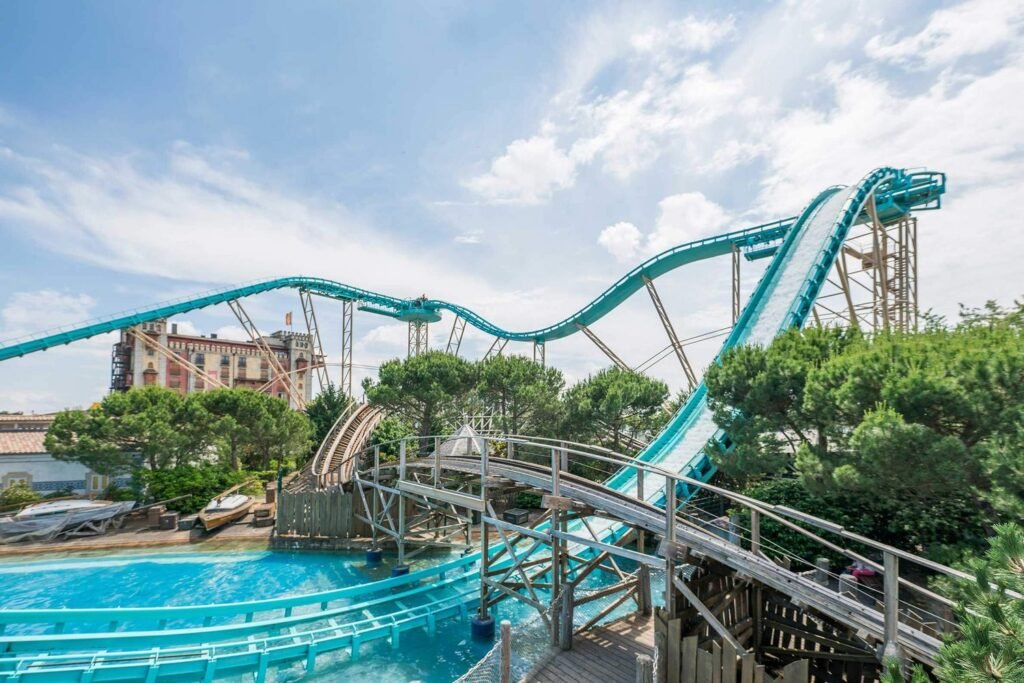
Europa-Park in Rust is Germany’s largest and most popular amusement park, drawing millions of visitors each year. The park features themed areas representing different European countries, with immersive rides, shows, and attractions for all ages. From thrilling roller coasters to gentle rides for children, Europa-Park offers entertainment for the whole family.
The park also hosts seasonal events, including Halloween and Christmas celebrations, adding extra magic to the visitor experience. Live shows, parades, and character encounters further enhance the fun and interactive environment. Dining options range from themed restaurants to quick-service eateries, offering a taste of European cuisine.
Europa-Park is more than just rides; it is a destination that blends creativity, technology, and hospitality. Visitors can explore beautifully designed landscapes, miniature villages, and gardens, making it enjoyable even between attractions. With hotels and resorts nearby, guests can extend their visit and experience the full range of park activities. Europa-Park stands as a top tourist destination in Baden, combining excitement, culture, and family-friendly entertainment.