
Now Reading: Top 20 Tourist Places in Bahrain
-
01
Top 20 Tourist Places in Bahrain
Top 20 Tourist Places in Bahrain
1. Manama – Vibrant Capital City

Manama, the capital of Bahrain, is a city where modernity meets tradition. Skyscrapers and luxury hotels dominate its skyline, reflecting Bahrain’s position as a financial hub in the Gulf. Yet, beneath this modern veneer lies a rich cultural heritage. Visitors can explore bustling souks such as Manama Souq, where spices, textiles, and traditional goods offer a sensory experience.
The city is home to cultural centers, art galleries, and historical sites that tell the story of Bahrain’s long history as a trading hub. The streets are filled with cafés, international restaurants, and lively nightlife, providing something for every visitor. Landmarks such as the Bahrain World Trade Center and Bahrain Financial Harbour highlight the city’s modern architectural achievements.
Manama also offers waterfront attractions along the Corniche, perfect for evening strolls and photography. The city’s blend of heritage and cosmopolitan living makes it a dynamic destination for both leisure and business travelers. Manama represents the heart of Bahrain, combining commerce, culture, and modern attractions in one vibrant urban center.
2. Bahrain National Museum – Journey Through History
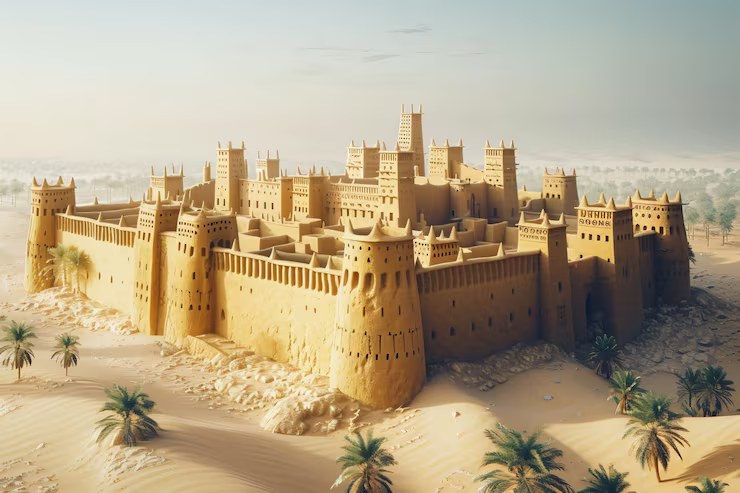
The Bahrain National Museum, located in Manama, is the largest museum in the country and a must-visit for history enthusiasts. It showcases Bahrain’s rich cultural heritage, archaeological discoveries, and the evolution of its society from ancient times to the present.
Visitors can explore exhibits on the Dilmun civilization, ancient trade routes, traditional crafts, and Islamic art. The museum’s architecture itself is modern yet reflective of Bahraini heritage, featuring open-air courtyards and galleries that allow for a seamless flow between exhibits. Interactive displays, multimedia installations, and detailed reconstructions of historic sites make the museum engaging for all ages.
A walk through the museum offers insight into Bahrain’s unique position in the Gulf, from its ancient pearl trade to contemporary development. For anyone interested in understanding the country’s identity, the Bahrain National Museum provides a comprehensive and immersive experience, connecting past and present in an educational and visually appealing way.
3. Bahrain Fort (Qal’at al-Bahrain) – UNESCO Heritage
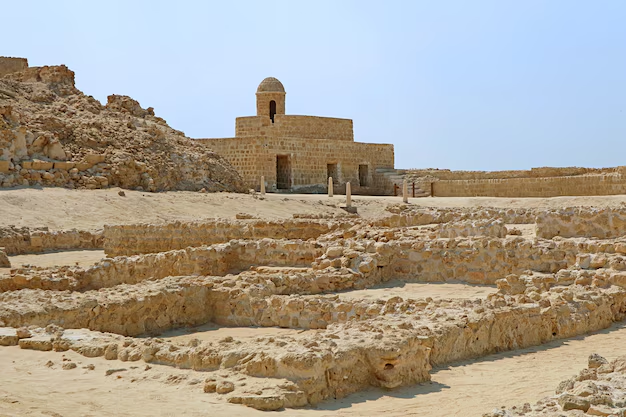
Bahrain Fort, also known as Qal’at al-Bahrain, is a UNESCO World Heritage site and one of the island’s most significant archaeological landmarks. Situated on the northern coast, the fort has a history that spans over 4,000 years, from the Dilmun civilization to Islamic periods.
Visitors can explore the ruins of ancient walls, watchtowers, and residential structures that reveal the strategic importance of the site. The fort’s elevated position provides panoramic views of the surrounding area and the Gulf, perfect for photography. On-site museums display artifacts unearthed during excavations, including pottery, tools, and inscriptions that shed light on Bahrain’s historical significance in regional trade.
Walking through Bahrain Fort is like stepping back in time. Its layers of history, coupled with scenic views, make it an essential destination for history enthusiasts and travelers interested in Bahrain’s past. Guided tours enhance the experience, explaining the fort’s role in ancient trade and defense.
4. Al-Fateh Grand Mosque – Spiritual and Architectural Marvel
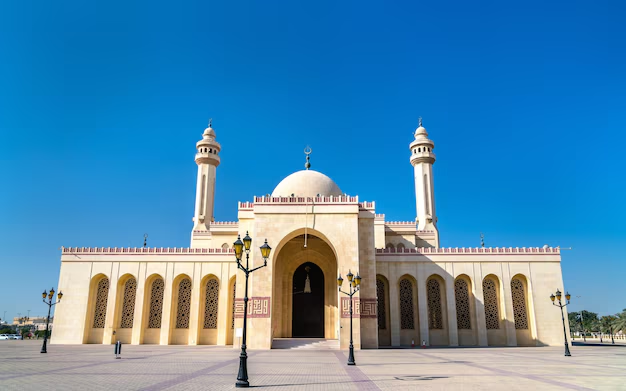
Al-Fateh Grand Mosque in Manama is one of the largest mosques in the world and a striking example of modern Islamic architecture. It can accommodate over 7,000 worshippers and welcomes visitors of all faiths for guided tours.
The mosque features a massive fiberglass dome, intricate marble floors, and beautifully detailed chandeliers. Islamic art and calligraphy adorn the interior, providing a serene atmosphere. Visitors can explore the mosque’s library, which houses thousands of Islamic texts and scholarly works.
Al-Fateh Grand Mosque is not just a place of worship but also a center for learning and cultural exchange. Its open-door policy allows tourists to experience Islamic traditions, architecture, and the spiritual ambiance of Bahrain. Evening visits, especially during sunset, offer a peaceful and picturesque experience of this iconic landmark.
5. Bab Al Bahrain – Gateway to History

Bab Al Bahrain is a historic building located at the entrance of Manama Souq. Constructed in the early 20th century, it originally marked the entrance to the city and served as a customs house. Today, it is a popular tourist landmark and a symbol of Bahrain’s heritage.
The building features traditional Islamic architectural elements, including arches and ornamental motifs. Visitors often start their Manama Souq explorations here, where they can experience a lively market atmosphere with spices, textiles, jewelry, and souvenirs. Bab Al Bahrain is also illuminated at night, offering beautiful photographic opportunities.
Beyond its architectural beauty, Bab Al Bahrain provides insight into Bahrain’s trading history and urban development. It serves as a cultural and commercial hub, bridging the past with the present. Walking through the arches and surrounding souk streets gives a glimpse of the country’s dynamic heritage and bustling everyday life.
6. Tree of Life – Nature’s Desert Miracle
The Tree of Life is a remarkable natural landmark located in the desert of Bahrain. Estimated to be over 400 years old, this solitary tree stands resiliently amid arid surroundings, without any apparent water source, inspiring awe among visitors.
The tree’s survival in harsh desert conditions has made it a symbol of endurance and mystery. Its broad canopy offers shade, and the surrounding area is perfect for picnics and photography. Legends and local stories add to the mystical charm of the Tree of Life, making it an essential stop for travelers exploring Bahrain’s natural wonders.
Despite its isolation, the Tree of Life is easily accessible and often included in guided desert tours. Visiting it provides a contrast to Bahrain’s urban attractions, highlighting the country’s unique desert landscapes and natural heritage.
7. Bahrain International Circuit – F1 Racing Thrill
The Bahrain International Circuit in Sakhir is the home of the Bahrain Grand Prix and a world-renowned motorsport venue. Its state-of-the-art facilities and desert surroundings make it an exciting destination for racing enthusiasts.
Visitors can witness Formula 1 events, track days, and motorsport festivals. The circuit offers guided tours, allowing fans to explore the paddock, grandstands, and pit lanes. Beyond racing, the venue hosts concerts, exhibitions, and community events, making it a versatile attraction.
For adrenaline seekers, the Bahrain International Circuit provides opportunities for driving experiences in high-performance cars. Its blend of technology, speed, and entertainment makes it a must-visit for sports lovers and those curious about global motorsport culture.
8. Amwaj Islands – Modern Coastal Retreat
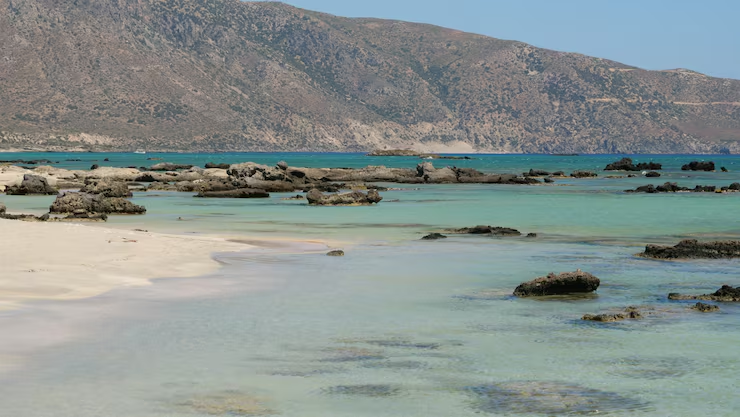
Amwaj Islands is an artificial island development in the northeast of Bahrain, featuring luxury resorts, marinas, and residential areas. The islands are connected by bridges and waterways, creating a vibrant coastal community.
Visitors can enjoy pristine beaches, water sports, yachting, and fine dining. The islands also host cafes, shopping areas, and nightlife options, providing a cosmopolitan atmosphere. Amwaj Islands are perfect for family vacations, romantic getaways, and outdoor adventures.
The development combines modern infrastructure with scenic views of the Gulf, making it one of Bahrain’s most appealing waterfront destinations. Its mix of leisure, recreation, and luxury ensures a memorable stay for tourists seeking both relaxation and activity.
9. Muharraq – Historical City and Culture
Muharraq is Bahrain’s former capital and a city steeped in tradition. Known for its preserved architecture, historic houses, and cultural heritage, Muharraq offers a glimpse into Bahraini life before modernization.
Key attractions include the Shaikh Isa Bin Ali House, old souks, and traditional Bahraini houses with wind towers. Muharraq also hosts cultural festivals and traditional music performances, reflecting the city’s rich artistic heritage. Visitors can explore narrow streets, enjoy local cuisine, and learn about pearl diving history.
Muharraq’s proximity to Bahrain International Airport makes it easily accessible for tourists. Its calm streets and historical ambiance provide a peaceful contrast to the bustling capital, offering insight into the country’s past.
10. Pearling Path – UNESCO Pearl Heritage
The Pearling Path is a UNESCO World Heritage site tracing the history of Bahrain’s pearl industry, which once made the nation globally renowned. The path links historic sites in Muharraq, including merchant houses, oyster beds, and marketplaces.
Visitors can walk the route to learn about traditional pearl diving techniques, trade practices, and Bahrain’s maritime history. Guided tours provide detailed explanations of the economic and cultural significance of pearling. The path showcases restored buildings and museums that preserve the legacy of this once-thriving industry.
Walking the Pearling Path is a cultural journey connecting visitors to Bahrain’s identity, traditions, and economic history. It illustrates the country’s transformation from a pearl-dependent economy to a modern financial and cultural hub.
11. Al Dar Islands – Island Paradise Escape
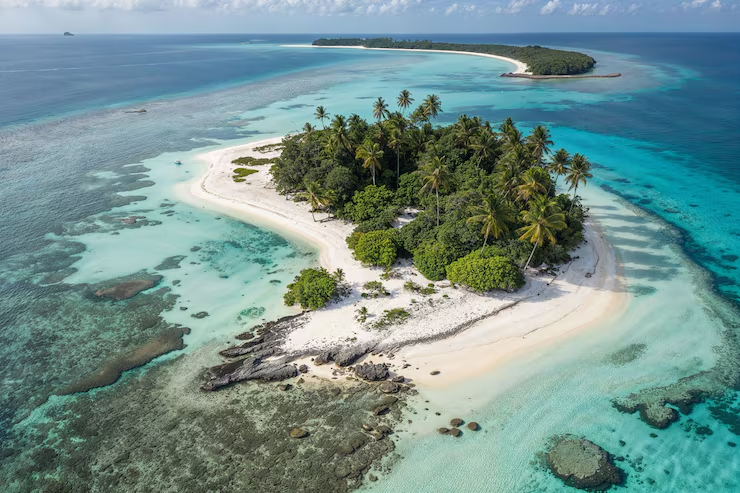
Al Dar Islands are a group of small, idyllic islands located off the coast of Bahrain. Known for their soft sandy beaches, crystal-clear waters, and relaxed atmosphere, they offer the perfect getaway for tourists seeking sun, sea, and serenity.
Visitors can enjoy snorkeling, kayaking, and jet skiing, exploring the vibrant marine life of the Arabian Gulf. The islands are accessible via short boat trips from the mainland, making day trips convenient for families, couples, or adventure seekers. Many resorts provide picnic facilities, beach loungers, and water sports equipment, ensuring a comfortable and fun-filled day.
Al Dar Islands are also known for their picturesque sunsets, which create stunning photo opportunities. The islands balance natural beauty with leisure activities, offering both relaxation and adventure. Whether you’re swimming in turquoise waters, exploring small coves, or enjoying a beach barbecue, Al Dar Islands represent the tranquil side of Bahrain away from city life.
12. Bahrain World Trade Center – Modern Architectural Icon
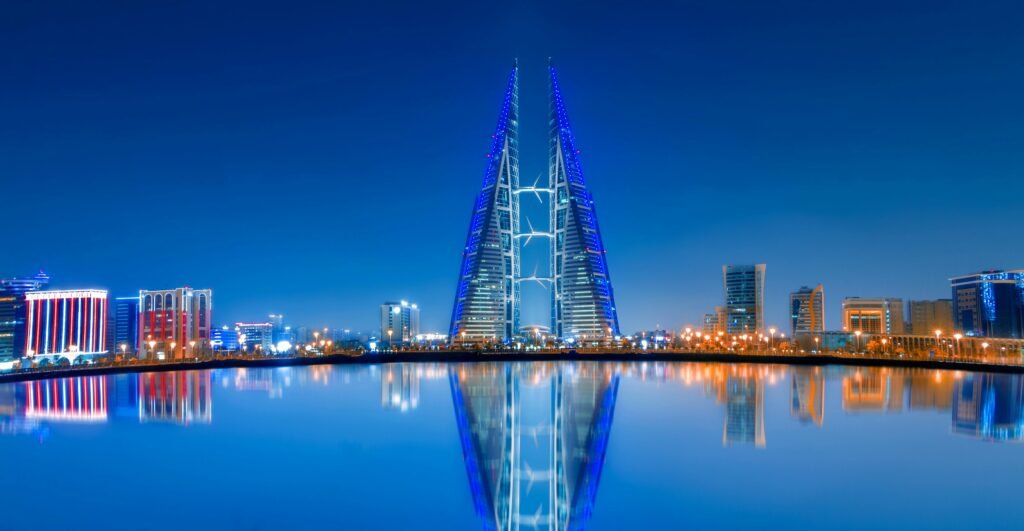
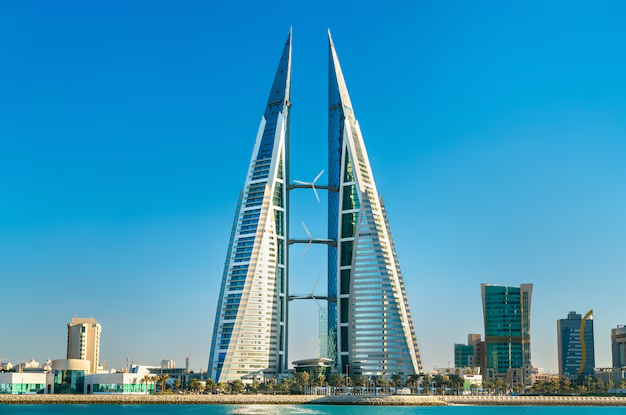
The Bahrain World Trade Center (BWTC) is an iconic twin-tower skyscraper in Manama, representing modern Bahrain on the global architectural stage. Completed in 2008, it is notable for its integration of wind turbines between the two towers, making it a landmark in sustainable design.
Visitors can admire the sleek glass façade, panoramic city views, and innovative engineering. The towers house offices, commercial spaces, and conference facilities, attracting international business travelers. While public access is limited, the surrounding area offers a pleasant promenade for photography and city exploration.
The BWTC symbolizes Bahrain’s modernization and economic growth, blending innovation with aesthetic appeal. It is often included in architectural tours of Manama, alongside other contemporary structures. Its futuristic design contrasts with the country’s traditional sites, showcasing Bahrain’s dual identity as a historic yet forward-looking nation.
13. Riffa Fort – Historical Panorama
Riffa Fort, located in the city of Riffa, is one of Bahrain’s most significant historical landmarks. Dating back to the 19th century, it was built by Sheikh Salman bin Ahmed Al Fateh to protect the region and display the power of the ruling family.
The fort features traditional Bahraini architecture with thick walls, towers, and courtyards. From the elevated position, visitors can enjoy panoramic views of Riffa city, surrounding desert landscapes, and date palm groves. The site provides insight into Bahrain’s political and military history, illustrating the strategic importance of the fort during earlier times.
Walking through Riffa Fort, tourists can explore chambers, lookout points, and gardens that have been restored to reflect their historic appearance. The fort is often combined with visits to nearby cultural sites, offering a comprehensive understanding of Bahrain’s heritage. Its blend of architecture, history, and scenic beauty makes it a must-visit destination for history enthusiasts.
14. Bahrain City Centre – Shopping and Entertainment Hub
Bahrain City Centre, located in Manama, is the largest shopping mall in the country, combining retail, dining, and entertainment under one roof. With hundreds of international brands, department stores, and boutique outlets, it is a premier destination for shopaholics.
Beyond shopping, the mall offers cinemas, bowling alleys, and family-friendly attractions. Its restaurants serve diverse cuisines, from local Bahraini dishes to international favorites. Seasonal events, exhibitions, and live performances add a lively atmosphere to the shopping experience.
The mall is designed with spacious walkways, modern architecture, and comfortable lounges, making it ideal for a full day of leisure. Bahrain City Centre represents modern urban life in Bahrain, blending shopping, culture, and entertainment. It is particularly appealing for visitors seeking a mix of convenience and luxury in a single location.
15. Jebel al Dukhan – Bahrain’s Highest Peak
Jebel al Dukhan, meaning “Mountain of Smoke,” is Bahrain’s highest natural point, rising to 134 meters above sea level. Despite its modest height, it offers scenic vistas of the surrounding desert and the island’s landscape, attracting hikers and photography enthusiasts.
The area is named for the mist that sometimes forms around the hill, giving it a mysterious appearance. Visitors can explore rocky paths, climb to the summit, and enjoy panoramic views of the Gulf and desert terrain. Local flora and fauna provide insight into Bahrain’s natural environment.
Jebel al Dukhan is an ideal destination for nature lovers looking for outdoor adventure or a quiet retreat from urban life. Its accessibility from Manama makes it a convenient day trip, and the sunset views are particularly stunning. The site combines natural beauty, tranquility, and a sense of isolation unique to Bahrain’s geography.
16. Al Areen Wildlife Park – Nature and Conservation

Al Areen Wildlife Park, located in southern Bahrain, is a protected area dedicated to the conservation of Arabian wildlife. The park is home to native species such as Arabian oryx, gazelles, flamingos, and desert foxes, making it a popular destination for families, nature lovers, and educational tours.
Visitors can explore walking trails, safari tours, and observation points. The park also provides educational programs about wildlife conservation, environmental awareness, and sustainable practices. Al Areen is landscaped with desert flora, gardens, and ponds, creating a pleasant environment for leisure walks and photography.
The park is a rare glimpse into Bahrain’s natural heritage, allowing tourists to see animals that are otherwise difficult to observe in the wild. Al Areen Wildlife Park combines recreation, education, and conservation, making it an important ecological and cultural destination in the country.
17. Adliya – Artistic and Trendy District
Adliya is one of Bahrain’s most vibrant neighborhoods, known for its artistic, culinary, and nightlife scene. The district is filled with cafés, art galleries, boutique shops, and restaurants offering international and local cuisines.
Strolling through Adliya, visitors can admire street art, contemporary architecture, and cultural installations. The area comes alive in the evenings with music, food festivals, and social gatherings, making it a hub for young locals and tourists alike.
Adliya represents the creative side of Bahrain, blending modern lifestyle with cultural expression. Whether visiting for a relaxed brunch, an art exhibition, or nightlife entertainment, the district offers a unique urban experience that contrasts with the historical and natural attractions of the island.
18. Hawar Islands – Nature Reserves and Wildlife

The Hawar Islands, located near the coast of Qatar but under Bahraini sovereignty, are an important ecological site. They are home to rare wildlife, including Socotra cormorants, flamingos, and migratory birds.
Visitors can explore the islands through guided eco-tours, birdwatching trips, and photography excursions. The islands’ beaches, lagoons, and mangroves provide tranquil settings for nature exploration. Access is limited to preserve the delicate ecosystem, making visits exclusive and controlled.
The Hawar Islands highlight Bahrain’s commitment to environmental preservation and offer a peaceful retreat for wildlife enthusiasts. Experiencing these islands provides insight into the country’s ecological diversity and natural heritage.
19. Bahrain Bay – Modern Waterfront District
Bahrain Bay is a contemporary waterfront development in Manama, featuring luxury hotels, residential towers, and commercial spaces. The area is known for its scenic promenades, landscaped parks, and modern architecture.
Visitors can enjoy waterfront dining, walking trails, and boat rides along the artificial canals. The district often hosts cultural events, exhibitions, and seasonal festivities, making it a lively hub for locals and tourists. Bahrain Bay’s modern skyline reflects Bahrain’s rapid urban development while providing a picturesque setting by the sea.
The area is ideal for photography, evening strolls, and experiencing Bahrain’s contemporary lifestyle. It contrasts with traditional districts like Muharraq, offering a glimpse of the country’s modern vision and cosmopolitan appeal.
20. Al Jasra Handicraft Centre – Traditional Arts and Crafts
Al Jasra Handicraft Centre preserves and showcases Bahrain’s traditional crafts, including pottery, weaving, basketry, and textiles. The centre provides workshops, live demonstrations, and shops where visitors can purchase authentic handmade items.
The village itself retains a charming, historic atmosphere, allowing tourists to experience the artisanal side of Bahraini culture. Skilled artisans often demonstrate traditional techniques passed down through generations, providing insight into the country’s cultural heritage.
Al Jasra is ideal for visitors interested in authentic cultural experiences, souvenirs, and learning about Bahrain’s craft traditions. It bridges history, culture, and creativity, ensuring tourists leave with both knowledge and unique keepsakes.