
Now Reading: Top 20 Tourist Places in Bahrain
-
01
Top 20 Tourist Places in Bahrain
Top 20 Tourist Places in Bahrain
1. Manama – The Dynamic Capital of Bahrain
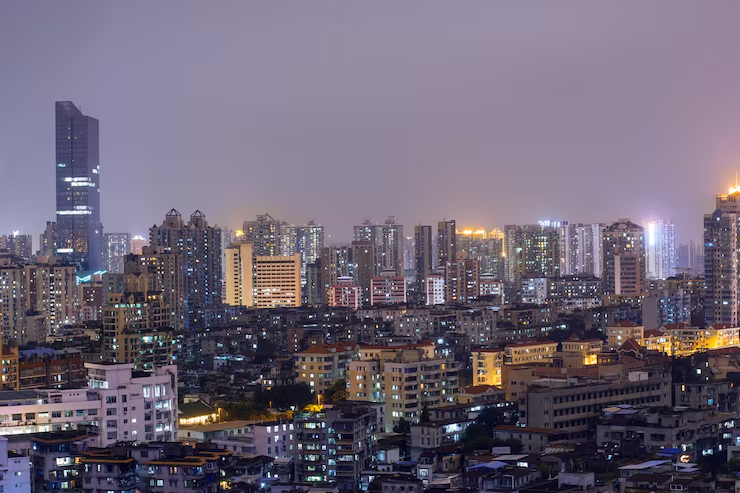
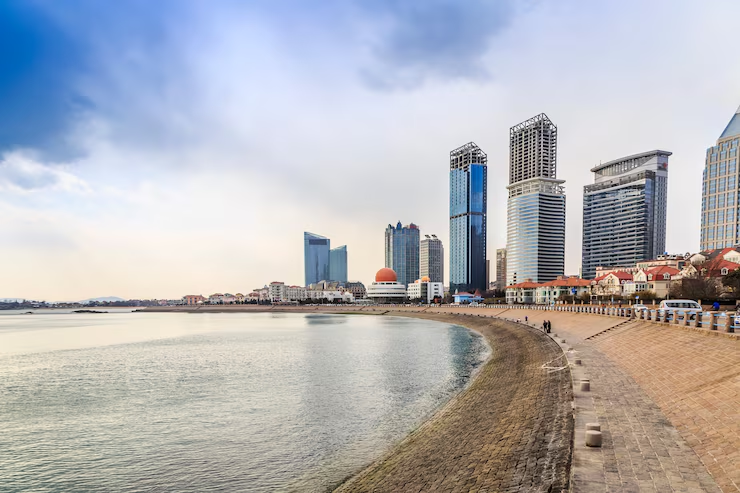
Manama, the capital city of Bahrain, is a vibrant blend of modern development and deep-rooted tradition. As the political, economic, and cultural heart of the country, Manama showcases Bahrain’s rapid growth while preserving its historical identity. The city’s skyline is dotted with striking skyscrapers, luxury hotels, and contemporary shopping centers, reflecting its role as a major financial hub in the Gulf region.
At the same time, Manama retains a strong connection to its past through traditional souks, historic neighborhoods, and cultural landmarks. Manama Souq is a must-visit destination where visitors can explore narrow alleys filled with spices, textiles, gold jewelry, perfumes, and traditional Bahraini crafts. The atmosphere is lively and authentic, offering a glimpse into everyday local life.
Manama is also known for its diverse culinary scene, ranging from traditional Bahraini dishes to international fine dining. The city’s nightlife is among the most active in the region, with rooftop lounges, cafés, and entertainment venues attracting both locals and tourists. Cultural institutions, art galleries, and museums further enrich the city’s appeal.
With its waterfront promenades, modern infrastructure, and welcoming atmosphere, Manama serves as the perfect introduction to Bahrain—balancing tradition, innovation, and cosmopolitan energy in one dynamic capital city.
2. Bahrain National Museum – Gateway to the Nation’s History
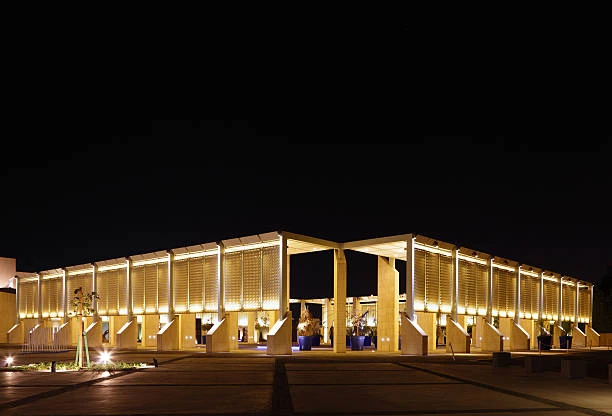
The Bahrain National Museum is the country’s most important cultural institution and a must-visit attraction for anyone interested in understanding Bahrain’s rich heritage. Located along the Manama waterfront, the museum offers a comprehensive journey through thousands of years of history, from ancient civilizations to modern Bahraini life.
One of the museum’s highlights is its extensive collection related to the Dilmun civilization, one of the oldest known trading cultures in the region. Archaeological artifacts, burial mounds, seals, and pottery provide fascinating insight into Bahrain’s role as a key commercial center in ancient times. The museum also showcases traditional Bahraini lifestyles, including fishing, pearl diving, agriculture, and craftsmanship.
Life-size dioramas, interactive displays, and well-curated galleries make the museum engaging for visitors of all ages. Sections dedicated to Islamic art, manuscripts, and calligraphy highlight Bahrain’s cultural and religious evolution. Temporary exhibitions and cultural events further enrich the museum experience.
Surrounded by scenic lagoons and outdoor sculptures, the museum’s setting is as appealing as its interiors. The Bahrain National Museum is not just a place to observe history—it is a space that brings Bahrain’s identity, traditions, and stories to life in an accessible and educational way.
3. Qal’at al-Bahrain – Fortress of Ancient Civilizations
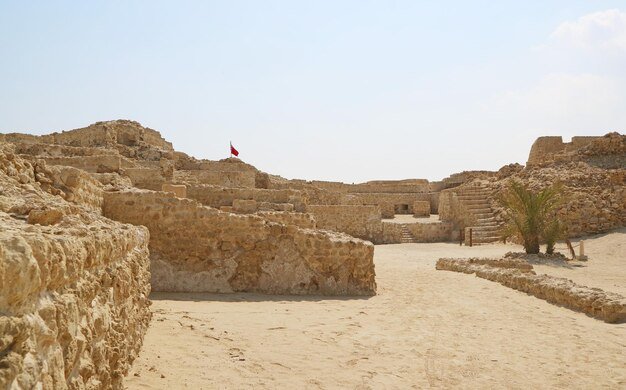
Qal’at al-Bahrain, also known as Bahrain Fort, is one of the most significant archaeological sites in the Gulf and a UNESCO World Heritage Site. Located on the northern coast of the island, this ancient fortress stands atop layers of human settlement dating back over 4,000 years, making it a symbol of Bahrain’s deep historical roots.
The site was once the capital of the Dilmun civilization, a powerful trading center mentioned in ancient Mesopotamian texts. Excavations have revealed residential areas, temples, defensive walls, and artifacts that reflect continuous occupation through various periods, including Portuguese and Islamic eras. The fort itself, built in the 16th century, offers commanding views of the surrounding landscape and sea.
Visitors can explore the ruins through well-marked pathways, learning about the site’s different historical phases. An on-site museum provides context with artifacts, maps, and multimedia displays that explain the significance of the discoveries. The fort is especially atmospheric at sunset, when the stone walls glow under golden light.
Qal’at al-Bahrain is not only an archaeological treasure but also a powerful reminder of Bahrain’s role in regional trade, defense, and cultural exchange across millennia.
4. Al-Fateh Grand Mosque – Symbol of Faith and Openness
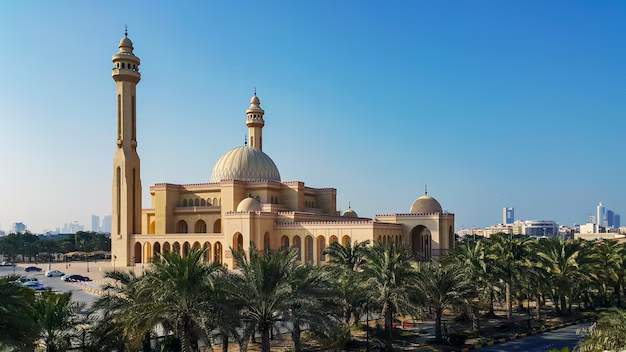
Al-Fateh Grand Mosque is one of the largest mosques in the world and one of Bahrain’s most impressive religious landmarks. Located in Manama, the mosque can accommodate over 7,000 worshippers and stands as a symbol of Islamic heritage, architectural beauty, and cultural openness.
Constructed using materials from around the world, the mosque features a massive fiberglass dome, elegant marble floors, and intricate calligraphy adorning its walls. The interior is both grand and serene, designed to inspire reflection and spiritual connection. The mosque’s library houses a vast collection of Islamic texts, making it an important center for learning.
What sets Al-Fateh Grand Mosque apart is its openness to visitors of all faiths. Guided tours are available, offering insightful explanations about Islamic beliefs, prayer practices, and Bahraini religious traditions. These tours encourage cultural understanding and dialogue, making the mosque an educational experience as well as a spiritual one.
Whether admired for its architecture or visited for cultural learning, Al-Fateh Grand Mosque represents Bahrain’s welcoming nature and respect for religious diversity, standing proudly as one of the country’s most meaningful landmarks.
5. Bab Al Bahrain – Gateway to Tradition
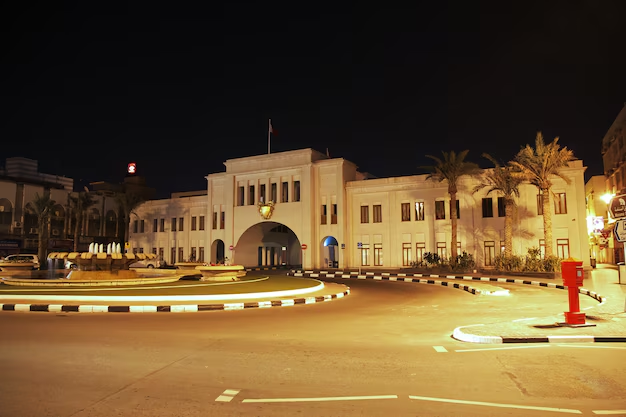
Bab Al Bahrain is a historic building that marks the entrance to Manama Souq and serves as one of Bahrain’s most recognizable landmarks. Built in the 1940s, it originally functioned as a government administrative center before becoming a symbolic gateway between modern Manama and its traditional markets.
The building’s architecture reflects Islamic design elements, with graceful arches and decorative details. Passing through Bab Al Bahrain feels like stepping back in time, as the modern cityscape gives way to bustling souks filled with merchants, aromas of spices, and the sound of daily trade.
Inside the surrounding markets, visitors can shop for traditional garments, handcrafted goods, incense, gold jewelry, and local sweets. Street food vendors and small cafés offer authentic Bahraini flavors, making the area a sensory experience. The square in front of Bab Al Bahrain often hosts cultural events, festivals, and public gatherings.
Bab Al Bahrain is more than an entrance—it is a cultural crossroads where history, commerce, and community meet. It captures the essence of Bahrain’s trading heritage and remains a vital part of the nation’s cultural identity.
6. Tree of Life – Mystery in the Desert

The Tree of Life is one of Bahrain’s most intriguing natural landmarks and a symbol of mystery and resilience. Standing alone in the middle of the desert, this mesquite tree is over 400 years old, yet it thrives in an environment with no visible water source. Its survival has fascinated scientists, locals, and travelers for generations.
Located about 40 kilometers south of Manama, the Tree of Life rises from the barren sands, offering a striking contrast to its surroundings. Theories about its survival range from deep underground water roots to ancient aquifers, while local folklore suggests it marks the location of the biblical Garden of Eden. Regardless of explanation, the tree has become a powerful cultural and symbolic landmark.
Visitors often come during sunset, when the golden desert light creates a dramatic atmosphere around the tree. The quiet isolation of the area adds to its mystique, making it a reflective and peaceful stop. Though simple in appearance, the Tree of Life represents endurance, faith, and nature’s ability to survive against the odds.
It is one of Bahrain’s most photographed attractions and a must-visit site for travelers interested in natural wonders, legends, and unique desert landscapes.
7. Bahrain International Circuit – Home of Speed

The Bahrain International Circuit (BIC) is a world-class motorsports venue and a proud symbol of the country’s modern identity. Located in Sakhir, this iconic circuit is best known for hosting the Formula 1 Bahrain Grand Prix, one of the most exciting events on the global racing calendar.
Opened in 2004, the circuit was the first Formula 1 track in the Middle East and played a key role in bringing international motorsports to the region. Designed to the highest safety and technical standards, the track features multiple configurations, making it suitable for various racing events, including endurance races, drag racing, and driving experiences.
Beyond professional motorsports, the Bahrain International Circuit offers visitors the chance to participate in driving experiences, karting sessions, and guided tours. These activities allow fans to get behind the scenes and even drive on the same track used by world-class drivers.
The circuit also hosts concerts, festivals, and community events, making it a versatile entertainment destination. Whether you are a motorsport enthusiast or a curious traveler, the Bahrain International Circuit delivers excitement, innovation, and adrenaline, showcasing Bahrain’s ability to combine tradition with cutting-edge global sports culture.
8. Muharraq – Heart of Bahraini Heritage
Muharraq is one of Bahrain’s oldest cities and a cultural treasure that preserves the country’s traditional identity. Once the capital of Bahrain, Muharraq is known for its historic houses, narrow streets, and strong connection to the nation’s pearling and maritime past.
Walking through Muharraq feels like stepping into history. Restored heritage homes such as Sheikh Isa bin Ali House and other traditional residences showcase classic Bahraini architecture, with wind towers, courtyards, and coral stone walls. These buildings reflect how people adapted to the climate long before modern technology.
Muharraq is also central to Bahrain’s pearling heritage, recognized globally through UNESCO listings. The city hosts cultural centers, museums, and performance spaces that celebrate traditional music, crafts, and storytelling. Despite modernization, Muharraq has retained its authentic charm and community spirit.
The city’s proximity to the airport and Manama makes it easily accessible, yet it offers a completely different atmosphere—one focused on heritage, identity, and history. Muharraq is essential for understanding Bahrain beyond its skyscrapers and shopping malls.
9. Pearling Path – Legacy of the Sea
The Pearling Path is a UNESCO World Heritage Site that tells the story of Bahrain’s pearl-diving history, once the backbone of the nation’s economy. Stretching through Muharraq, this historic route connects traditional houses, warehouses, mosques, and the shoreline, illustrating the full pearling industry process.
Before oil was discovered, Bahrain was known worldwide for producing some of the finest natural pearls. The Pearling Path preserves this legacy through restored merchant homes, diver residences, and trading sites. Each location reveals a different aspect of life connected to the sea—from pearl merchants to divers who risked their lives for this valuable treasure.
Walking the Pearling Path is both educational and emotional. Informational plaques, museums, and cultural spaces help visitors understand the hardships, skills, and traditions associated with pearl diving. The route ends at the coastline, symbolizing the sea’s vital role in shaping Bahrain’s identity.
This UNESCO-listed attraction is not just about history—it is about pride, survival, and cultural heritage. The Pearling Path offers one of the most meaningful cultural experiences in Bahrain.
10. Amwaj Islands – Luxury Coastal Living
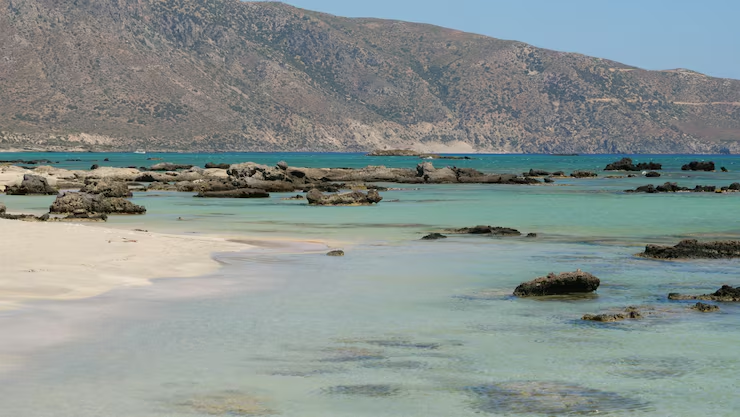
Amwaj Islands represent modern Bahrain at its finest, offering a luxurious seaside lifestyle built on artificial islands off the coast of Muharraq. Known for upscale residences, resorts, beaches, and waterfront dining, Amwaj Islands are a popular destination for relaxation and leisure.
The area features crystal-clear waters, private beaches, marinas, and promenades lined with cafés and restaurants. Visitors can enjoy water sports such as jet skiing, kayaking, paddleboarding, and boat tours. The calm environment makes it ideal for families, couples, and travelers seeking comfort by the sea.
Amwaj Islands also host luxury hotels and serviced apartments, making it a convenient stay option close to the airport. In the evenings, the area comes alive with dining and nightlife, offering beautiful sea views and a relaxed atmosphere.
Blending urban planning with coastal beauty, Amwaj Islands showcase Bahrain’s modern development while maintaining a resort-like feel. It is the perfect place to unwind and enjoy Bahrain’s contemporary side.
11. Al Dar Islands – Island Escape and Marine Fun

Al Dar Islands are one of Bahrain’s most popular private island getaways, offering a perfect mix of relaxation and adventure. Located a short boat ride from the mainland, these islands are known for their crystal-clear waters, sandy beaches, and vibrant marine life.
The islands are especially popular for snorkeling and swimming, as the shallow waters provide excellent visibility and calm conditions. Visitors can also enjoy jet skiing, kayaking, banana boat rides, and other water sports. Beach huts, barbecue areas, and shaded seating make it ideal for day trips with friends or family.
Al Dar Islands are designed for leisure rather than luxury, giving them a laid-back and friendly atmosphere. Seafood restaurants serve fresh local dishes, enhancing the island experience. The surrounding waters are rich in marine biodiversity, making the islands attractive to eco-tourists and marine enthusiasts.
With easy access from Manama and affordable boat transfers, Al Dar Islands are perfect for those looking to escape city life without traveling far. They showcase Bahrain’s island culture and love for the sea in a relaxed and enjoyable way.
12. Bahrain World Trade Center – Icon of Modern Bahrain
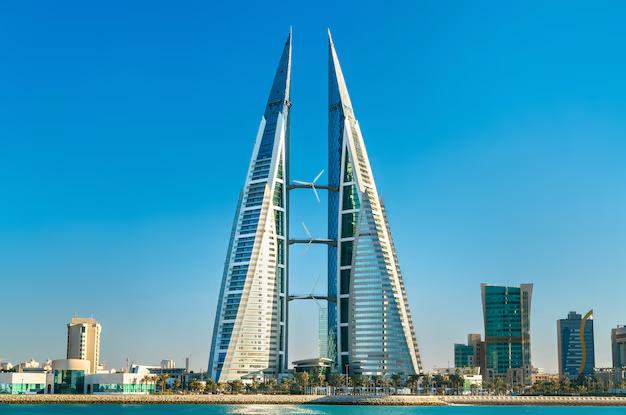
The Bahrain World Trade Center (BWTC) is one of the country’s most recognizable modern landmarks. Located along the Manama waterfront, these iconic twin towers symbolize Bahrain’s economic growth and architectural innovation.
Completed in 2008, the towers are globally famous for integrating wind turbines between them, making the building one of the first skyscrapers in the world to use renewable wind energy. This design reflects Bahrain’s commitment to sustainability while maintaining a futuristic aesthetic.
The World Trade Center houses offices, luxury dining, and is directly connected to Bahrain City Centre Mall, making it a central hub for business and leisure. At night, the illuminated towers dominate the skyline, creating a stunning visual along Bahrain Bay.
For visitors, the Bahrain World Trade Center represents the contrast between Bahrain’s ancient history and its modern ambitions. It is not just an office complex but a symbol of innovation, progress, and forward-thinking urban development in the Gulf region.
13. Riffa Fort – Guardian of the Past
Riffa Fort, also known as Sheikh Salman bin Ahmed Fort, is one of Bahrain’s most important historical landmarks. Built in the 19th century, the fort once served as a residence for the ruling family and a defensive stronghold overlooking Riffa.
Positioned on a hilltop, the fort offers panoramic views of the surrounding landscape, including palm groves and desert plains. The structure reflects traditional Bahraini architecture, featuring thick stone walls, courtyards, and watchtowers.
Inside, visitors can explore restored rooms, historical displays, and informative exhibits that highlight Bahrain’s political and social history. The fort provides valuable insight into the island’s governance before modernization and oil discovery.
Riffa Fort is especially beautiful at sunset, when the golden light enhances its stone textures and scenic views. It is an ideal destination for history lovers seeking to understand Bahrain’s leadership heritage and architectural traditions.
14. Bahrain City Centre Mall – Shopping and Entertainment Hub
Bahrain City Centre Mall is the largest and most popular shopping destination in the country. Located in Manama, it combines retail, entertainment, dining, and leisure under one massive roof.
The mall features hundreds of international and regional brands, ranging from luxury fashion to affordable retail. Beyond shopping, visitors can enjoy cinemas, an indoor water park, family entertainment centers, and themed attractions suitable for all ages.
Dining options are equally impressive, with global cuisines, cafés, and waterfront restaurants offering views of Bahrain Bay. The mall’s modern design and spacious layout make it comfortable and visitor-friendly.
Bahrain City Centre Mall is more than just a shopping venue—it is a social hub where locals and tourists gather. Its direct connection to major hotels and landmarks makes it a convenient and enjoyable stop for travelers seeking modern entertainment in Bahrain.
15. Jebel Al Dukhan – Bahrain’s Highest Point
Jebel Al Dukhan, meaning “Mountain of Smoke,” is the highest natural point in Bahrain, rising modestly yet prominently above the surrounding desert. Located near the center of the island, it offers a unique perspective on Bahrain’s flat landscape.
Historically, the area has been associated with early oil discoveries, making it an important site in Bahrain’s economic development. From the summit, visitors can enjoy wide desert views, especially striking during sunrise and sunset.
Though not a mountain by global standards, Jebel Al Dukhan holds symbolic significance. It represents Bahrain’s natural geography and early industrial history. The surrounding area is quiet and peaceful, ideal for photography and reflection.
A visit to Jebel Al Dukhan complements Bahrain’s coastal attractions by showcasing its desert character, offering travelers a deeper appreciation of the island’s natural diversity.
16. Al Areen Wildlife Park – A Sanctuary for Arabian Wildlife
Al Areen Wildlife Park is Bahrain’s premier nature reserve, dedicated to the conservation of native and endangered species from the Arabian Peninsula. Located near Zallaq, the park spans a vast protected area that offers visitors a rare glimpse into desert wildlife and ecosystems.
The park is home to animals such as Arabian oryx, gazelles, ostriches, and various bird species. Divided into two sections—one for public visits and another for conservation and breeding—Al Areen focuses on education, research, and preservation. Guided tours allow visitors to learn about animal habitats and conservation efforts.
Landscaped gardens, walking paths, and shaded rest areas make the park family-friendly and relaxing. It is an excellent destination for nature lovers seeking a break from urban life. Al Areen Wildlife Park highlights Bahrain’s commitment to environmental sustainability and wildlife protection.
17. Adliya District – Bahrain’s Cultural and Creative Heart
Adliya is one of Bahrain’s most vibrant and artistic neighborhoods, known for its cultural diversity and lively social scene. The district blends traditional architecture with modern creativity, making it a favorite among locals and visitors alike.
Adliya is famous for its art galleries, independent cafés, international restaurants, and nightlife venues. The Block 338 area is particularly popular, offering dining experiences from Middle Eastern cuisine to global fusion menus.
Cultural institutions such as art centers and creative studios contribute to the district’s artistic identity. Regular exhibitions, live music events, and cultural festivals make Adliya an ever-evolving space.
Adliya represents Bahrain’s youthful spirit and openness, offering an authentic urban experience where culture, art, and cuisine come together in a dynamic setting.
18. Hawar Islands – Untouched Nature and Eco-Tourism
The Hawar Islands are a group of remote islands located south of Bahrain, recognized for their ecological significance and natural beauty. These islands are a protected nature reserve and home to rare wildlife, including flamingos, Socotra cormorants, and endangered species.
Accessible by boat or limited flights, Hawar Islands offer a peaceful escape from city life. Visitors can enjoy birdwatching, kayaking, fishing, and beach walks along untouched shores. The surrounding waters are rich in marine life, ideal for snorkeling.
The islands promote eco-tourism, ensuring minimal environmental impact while allowing visitors to experience Bahrain’s natural heritage. Hawar Islands are perfect for travelers seeking tranquility, wildlife encounters, and sustainable tourism experiences.
19. Bahrain Bay – Modern Waterfront Elegance
Bahrain Bay is a contemporary waterfront development that reflects Bahrain’s modern urban vision. Located near Manama’s financial district, the bay features luxury hotels, residential towers, and scenic promenades.
Visitors can enjoy waterfront dining, leisurely walks, and stunning views of Bahrain’s skyline. The area is especially attractive in the evening, when city lights reflect on the calm waters.
Bahrain Bay connects seamlessly with key landmarks such as the Bahrain World Trade Center and City Centre Mall. It represents the fusion of modern architecture, lifestyle, and coastal beauty, making it a must-visit for urban explorers.
20. Al Jasra Handicraft Centre – Preserving Traditional Arts
Al Jasra Handicraft Centre is a cultural treasure that preserves Bahrain’s traditional crafts and artisan skills. Located in the village of Al Jasra, the center showcases pottery, weaving, woodwork, and basket-making.
Visitors can observe artisans at work, learning about age-old techniques passed down through generations. The center also offers workshops and souvenir shops featuring handmade crafts.
Al Jasra Handicraft Centre provides insight into Bahrain’s cultural roots and rural heritage. It is an ideal destination for travelers seeking authentic experiences and meaningful cultural connections.