
Now Reading: Top 20 Tourist Places in Bavaria
-
01
Top 20 Tourist Places in Bavaria
Top 20 Tourist Places in Bavaria
1. Munich (München) – Heart of Bavarian Culture
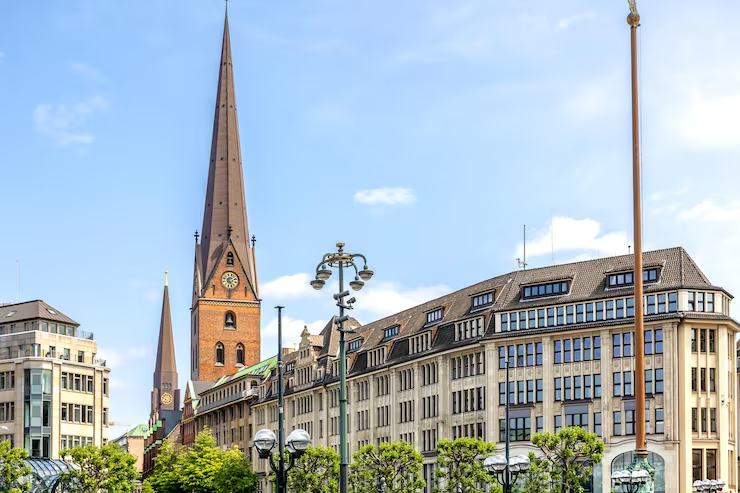
Munich, the capital of Bavaria, is a city where royal history, world-famous beer culture, and modern innovation blend seamlessly. As one of Germany’s most vibrant cities, Munich offers a unique balance between tradition and cosmopolitan life.
The city is globally celebrated for Oktoberfest, the world’s largest beer festival, attracting millions of visitors each year. Historic beer halls such as Hofbräuhaus and Augustiner Bräustuben preserve centuries-old brewing traditions and provide an authentic Bavarian dining experience. Beyond beer, Munich boasts a rich cultural scene with renowned museums like the Alte Pinakothek, Neue Pinakothek, and the futuristic BMW Museum.
Architectural landmarks define the cityscape, including Marienplatz, home to the famous Glockenspiel, and the grand Nymphenburg Palace, once the summer residence of Bavarian royalty. The English Garden, one of the world’s largest urban parks, offers green space, river surfing, and traditional beer gardens.
Munich is also a gateway to the Alps, making it an excellent base for day trips. Its efficient public transport, lively neighborhoods, and strong cultural identity make Munich not just a city to visit—but one to experience deeply. Whether for history, festivals, art, or cuisine, Munich represents the very soul of Bavaria.
2. Neuschwanstein Castle – The Fairytale Dream
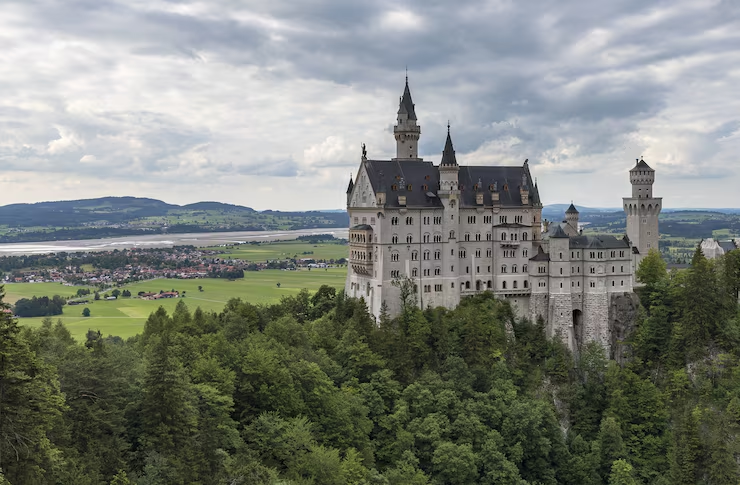
Neuschwanstein Castle is Germany’s most iconic landmark and one of the most photographed castles in the world. Nestled in the Bavarian Alps near Füssen, this 19th-century masterpiece looks like it emerged directly from a fairytale.
Commissioned by King Ludwig II of Bavaria, the castle was inspired by medieval legends and the operas of Richard Wagner. Its white limestone towers, dramatic hilltop location, and romantic design later inspired Disney’s Cinderella Castle, cementing its global fame.
Inside, Neuschwanstein is equally enchanting. Lavish halls are decorated with murals depicting German myths, while rooms like the Singer’s Hall and Throne Room showcase extraordinary craftsmanship and symbolism. Despite its medieval appearance, the castle featured advanced technology for its time, including running water and central heating.
Surrounding the castle are breathtaking alpine landscapes—lakes, forests, and mountain trails—making the journey just as magical as the destination. Nearby viewpoints such as Marienbrücke (Mary’s Bridge) offer unforgettable panoramic views.
Neuschwanstein is more than a castle; it is a symbol of imagination, romance, and Bavaria’s royal past. Visiting it is a once-in-a-lifetime experience that captures the essence of European fairytale architecture.
3. Nuremberg (Nürnberg) – Imperial History Preserved
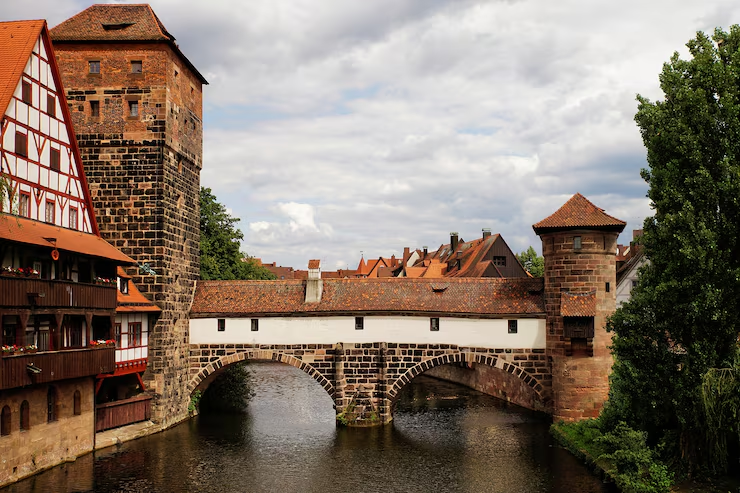
Nuremberg is a city steeped in medieval grandeur and historical significance. Once the seat of the Holy Roman Emperors, it remains one of Bavaria’s most culturally important destinations.
The city’s skyline is dominated by the Imperial Castle (Kaiserburg), a massive fortress overlooking the old town. Walking through Nuremberg’s preserved medieval walls, towers, and half-timbered houses feels like stepping back in time. The Hauptmarkt square hosts one of Germany’s most famous Christmas markets, the Christkindlesmarkt.
Nuremberg also holds a profound place in modern history. Sites related to the Nuremberg Trials provide insight into post-World War II justice and reconciliation. Museums and memorials present history thoughtfully and responsibly.
Culinary traditions thrive here, especially the famous Nuremberg sausages and gingerbread (Lebkuchen). Combined with museums, churches, and lively cafés, Nuremberg offers depth, reflection, and charm in equal measure.
4. Rothenburg ob der Tauber – Medieval Perfection
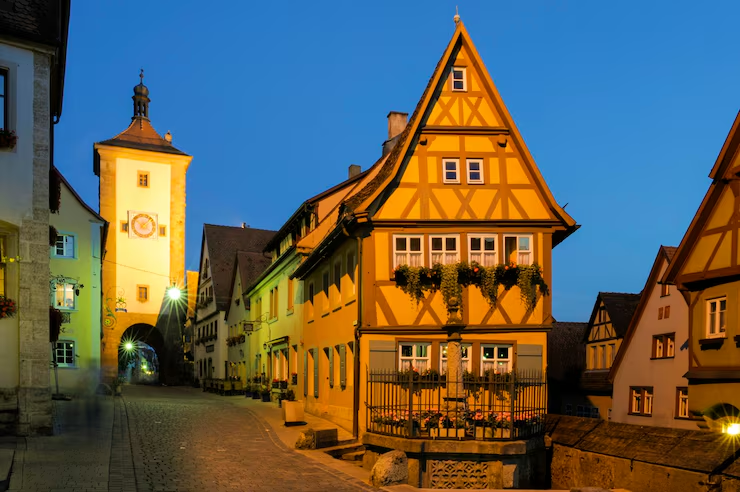
Rothenburg ob der Tauber is widely considered Germany’s best-preserved medieval town. Located along the Romantic Road, it appears frozen in time with its intact walls, towers, and cobblestone streets.
The town’s half-timbered houses, flower-filled windows, and winding alleys create a storybook atmosphere. Walking along the city walls offers scenic views of rooftops and the Tauber Valley below. Landmarks such as Plönlein, Market Square, and St. Jakob’s Church are instantly recognizable.
Rothenburg is famous year-round for its Christmas traditions, particularly the Käthe Wohlfahrt Christmas Village. Even in summer, festive decorations fill shop windows. Museums like the Medieval Crime Museum offer fascinating insights into historic justice systems.
As evening falls, guided night watchman tours bring the town’s history to life through storytelling and legend. Rothenburg is not just a destination—it is an immersive medieval experience unlike any other in Europe.
5. Zugspitze – Germany’s Highest Peak
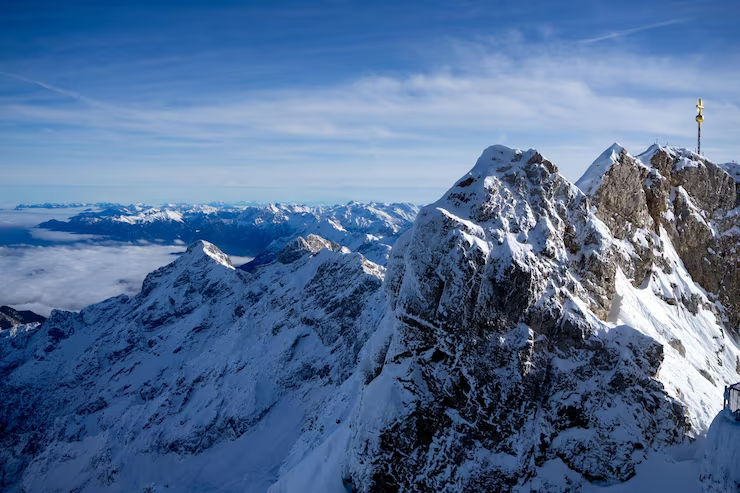
The Zugspitze, standing at 2,962 meters, is Germany’s highest mountain and a crown jewel of Bavarian nature. Located on the Austrian border, it offers spectacular alpine scenery year-round.
Visitors can reach the summit via modern cable cars or cogwheel trains, making the experience accessible to all. At the top, panoramic platforms provide views of four countries on clear days—Germany, Austria, Switzerland, and Italy.
In winter, Zugspitze transforms into a premier ski destination with glacier skiing. In summer, it becomes a paradise for hikers, climbers, and nature lovers. Snow remains on the summit even during warmer months, offering a rare alpine experience.
Restaurants, museums, and viewing terraces make the summit visit comfortable and memorable. The Zugspitze represents Bavaria’s wild beauty and adventurous spirit, offering one of the most dramatic natural experiences in Germany.
6. Berchtesgaden National Park – Bavaria’s Alpine Wilderness
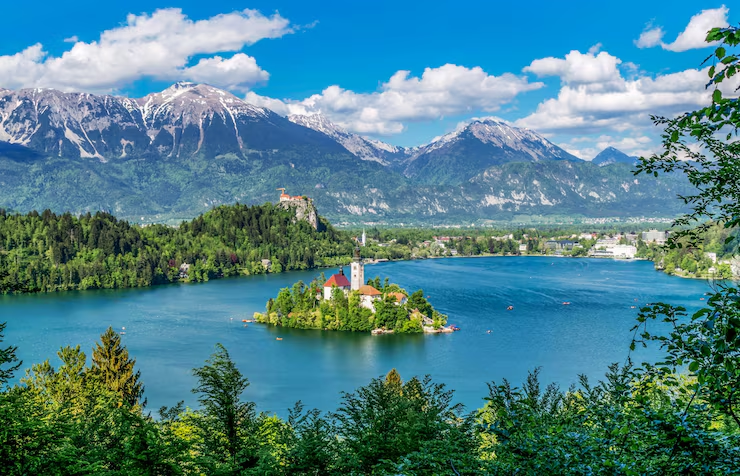
Berchtesgaden National Park is one of Germany’s most pristine and spectacular natural landscapes, located in southeastern Bavaria near the Austrian border. As Germany’s only alpine national park, it protects towering mountains, deep valleys, crystal-clear lakes, and rich biodiversity.
The park is dominated by dramatic peaks such as Watzmann, Germany’s second-highest mountain, which is deeply embedded in Bavarian folklore. Hiking trails range from gentle lakeside walks to challenging alpine climbs, making the park suitable for both casual nature lovers and experienced mountaineers.
Wildlife thrives in Berchtesgaden, including red deer, marmots, golden eagles, and rare alpine plants. Educational visitor centers help travelers understand the delicate alpine ecosystem and the importance of conservation. In winter, the park becomes a snow-covered wonderland ideal for snowshoeing and cross-country skiing.
Beyond nature, the surrounding region offers cultural and historical attractions, including traditional alpine villages and historic sites. Berchtesgaden National Park is a sanctuary of peace and raw beauty, ideal for travelers seeking untouched landscapes and fresh mountain air.
7. Königssee – Bavaria’s Emerald Lake
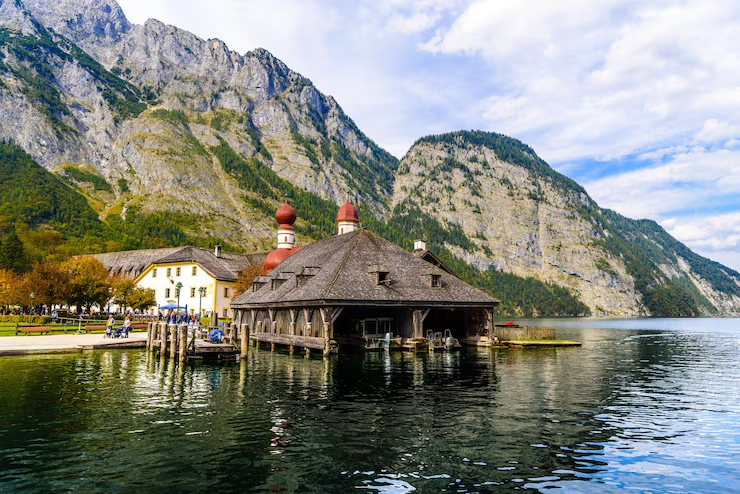
Königssee is one of the most breathtaking lakes in Europe, famous for its emerald-green water and dramatic mountain backdrop. Nestled within Berchtesgaden National Park, the lake is narrow, deep, and fjord-like, creating an atmosphere of absolute serenity.
Electric-powered boats glide silently across the lake to preserve its purity. During the journey, boat captains demonstrate the lake’s natural echo by playing a trumpet toward the rock walls—an unforgettable experience. Stops include St. Bartholomew’s Church, with its iconic red onion domes, and Salet, a gateway to hiking trails.
The lake’s surrounding cliffs rise nearly vertically from the water, reflecting beautifully in its glassy surface. Hiking paths around Königssee offer panoramic views, while nearby trails lead to the Obersee, an even more secluded alpine lake.
Königssee is not just a scenic spot but a place of deep tranquility. Strict environmental regulations keep the water exceptionally clean, allowing visibility down to remarkable depths. This untouched beauty makes Königssee one of Bavaria’s most treasured natural wonders.
8. Garmisch-Partenkirchen – Alpine Adventure Hub
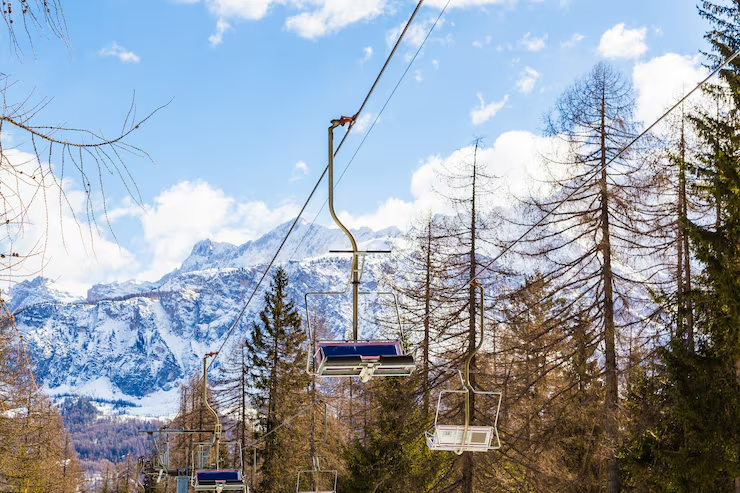
Garmisch-Partenkirchen is Bavaria’s premier mountain resort town, located at the foot of the Zugspitze. Known for its outdoor adventure opportunities, it attracts visitors year-round.
In winter, the town becomes a world-class ski destination with slopes suitable for all skill levels. In summer, hiking, paragliding, mountain biking, and rock climbing dominate the landscape. One of the region’s highlights is the Partnach Gorge, where turquoise waters carve through towering rock walls.
The town itself reflects traditional Bavarian alpine charm, with painted houses and flower-filled balconies. Cultural events, local markets, and alpine cuisine provide an authentic mountain-town experience.
Whether seeking adrenaline-filled sports or peaceful mountain walks, Garmisch-Partenkirchen offers a perfect blend of adventure and relaxation.
9. Regensburg – Medieval Jewel on the Danube
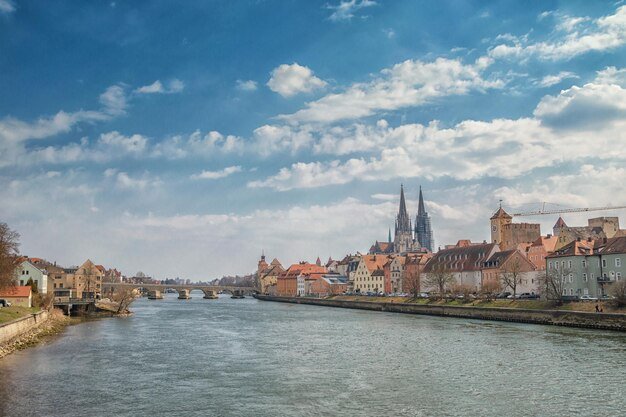
Regensburg is one of Germany’s best-preserved medieval cities and a UNESCO World Heritage Site. Located on the Danube River, it once served as an important Roman and imperial trading center.
The old town features narrow streets, Gothic churches, and historic patrician houses. The Stone Bridge (Steinerne Brücke), built in the 12th century, remains an engineering marvel. Regensburg Cathedral showcases stunning Gothic architecture and sacred music traditions.
The city’s lively atmosphere comes from its student population, riverside cafés, and cultural festivals. Regensburg combines historical depth with youthful energy, making it a favorite among culture-focused travelers.
10. Bamberg – Franconian Charm and Smoked Beer
Bamberg is a UNESCO World Heritage city known for its beautifully preserved medieval townscape and unique beer culture. Spread across seven hills, it is often called the “Franconian Rome.”
Its most iconic landmark is the Bamberg Cathedral, surrounded by historic residences. The Old Town Hall, dramatically built on a bridge over the Regnitz River, is one of Bavaria’s most photographed sights.
Bamberg is world-famous for its smoked beer (Rauchbier), brewed using centuries-old methods. Combined with traditional Franconian cuisine, this culinary heritage adds to the city’s appeal.
With romantic canals, historic breweries, and architectural treasures, Bamberg offers an unforgettable blend of history, culture, and flavor.
11. Würzburg – Baroque Beauty of Franconia
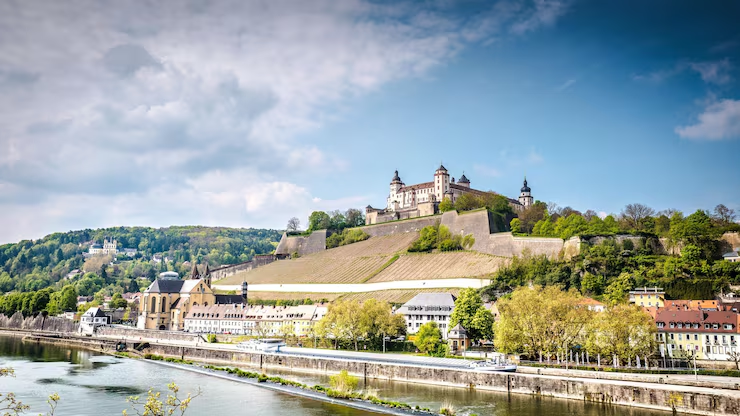
Würzburg is a historic city located along the banks of the Main River in northern Bavaria and is widely regarded as the cultural heart of the Franconia region. The city is best known for its elegant Baroque architecture, world-class wine culture, and scenic river landscapes.
Dominating the skyline is the magnificent Würzburg Residence, one of Europe’s finest Baroque palaces and a UNESCO World Heritage Site. The city also boasts landmarks such as the Marienberg Fortress, offering panoramic views over the river and vineyards, and the Old Main Bridge, lined with statues of saints and lively wine stands.
Würzburg is surrounded by rolling vineyards, producing some of Germany’s finest white wines, particularly Silvaner. Wine taverns, festivals, and riverfront cafés create a vibrant yet relaxed atmosphere. With its rich artistic heritage, historic charm, and wine culture, Würzburg is a must-visit destination in Bavaria.
12. Würzburg Residence – Masterpiece of Baroque Architecture
The Würzburg Residence is one of the most impressive palaces in Europe and a crowning achievement of German Baroque architecture. Built in the 18th century, it was the residence of the Prince-Bishops of Würzburg and reflects immense wealth, artistic excellence, and political power.
The palace is most famous for its grand staircase, crowned by the world’s largest ceiling fresco painted by Giovanni Battista Tiepolo. The fresco depicts the four continents and is considered a masterpiece of European art. Lavish state rooms, ornate stucco work, and gilded decorations showcase the height of Baroque luxury.
Behind the palace lies the Court Garden (Hofgarten), designed in the French style with symmetrical paths, fountains, and manicured hedges. Despite suffering damage during World War II, the residence was meticulously restored and today stands as a symbol of resilience and artistic heritage.
13. Passau – The City of Three Rivers
Passau is a picturesque Bavarian city uniquely situated at the confluence of three rivers: the Danube, Inn, and Ilz. Often referred to as the “Venice of Bavaria,” Passau features colorful riverside buildings and charming streets.
The city’s most iconic landmark is St. Stephen’s Cathedral, home to one of the largest cathedral organs in the world. The Italian-influenced architecture reflects centuries of cultural exchange with neighboring Austria.
Passau is a popular stop for Danube river cruises and offers scenic walking paths, hilltop viewpoints, and a relaxed old-town atmosphere. Its river setting and musical heritage make it a truly romantic destination.
14. Augsburg – One of Germany’s Oldest Cities
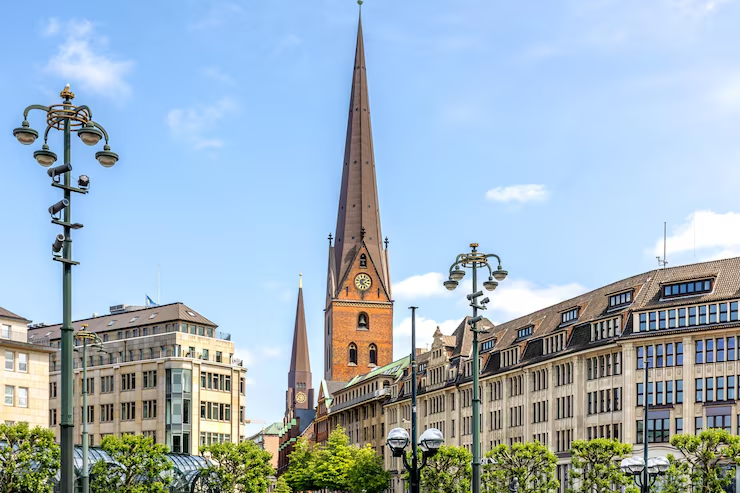
Founded by the Romans over 2,000 years ago, Augsburg is one of Germany’s oldest cities and a major center of history, art, and trade. It flourished during the Renaissance as the home of the wealthy Fugger banking family.
One of Augsburg’s most unique attractions is the Fuggerei, the world’s oldest social housing complex still in use today. The city also features impressive fountains, Renaissance buildings, and historic churches.
Augsburg blends ancient history with modern culture, offering museums, green spaces, and vibrant city life. It is an essential stop for travelers interested in European history and urban heritage.
15. Linderhof Palace – Royal Fantasy in the Alps
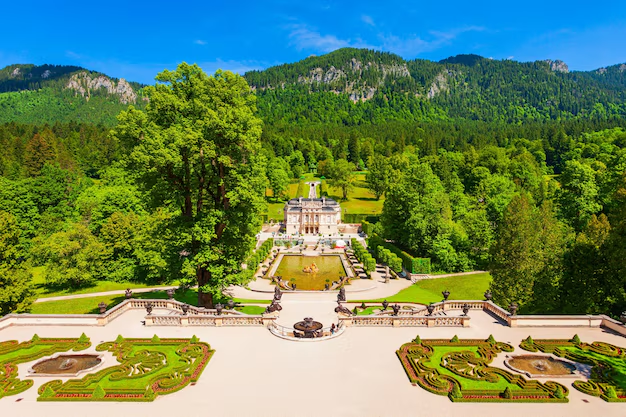
Linderhof Palace is the smallest but most artistic palace built by King Ludwig II of Bavaria. Nestled in a remote Alpine valley, it reflects the king’s fascination with French royal grandeur and theatrical design.
The palace interior is richly decorated with mirrors, gold leaf, and elaborate furnishings. Surrounding gardens feature fountains, terraces, and unique structures such as the Venus Grotto, an artificial cave inspired by Wagner’s operas.
Linderhof Palace feels like a hidden fairytale retreat, combining natural beauty with extravagant royal imagination. It remains one of Bavaria’s most enchanting royal residences.
16. Herrenchiemsee Palace – Bavaria’s Versailles
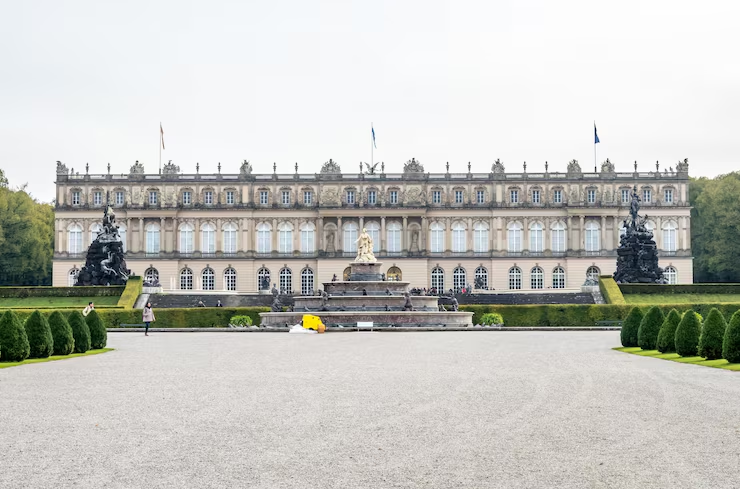
Herrenchiemsee Palace is one of the grandest and most ambitious architectural projects ever undertaken in Bavaria. Built by King Ludwig II on an island in Lake Chiemsee, the palace was inspired by the Palace of Versailles in France and reflects the king’s admiration for absolute monarchy and royal splendor.
The palace interior is extraordinarily lavish, featuring the Hall of Mirrors, which is even longer than its French counterpart. Crystal chandeliers, gold-leaf decorations, and intricate ceiling frescoes demonstrate Ludwig II’s desire to create the ultimate royal residence. Despite its magnificence, the palace was never fully completed due to the king’s mysterious death.
Visitors reach the palace by boat, adding to the sense of romance and isolation. Surrounded by landscaped gardens, fountains, and lake views, Herrenchiemsee feels like a dream suspended in time. It is not only an architectural marvel but also a powerful insight into the imagination of Bavaria’s “Fairy Tale King.”
17. Chiemsee – The Bavarian Sea
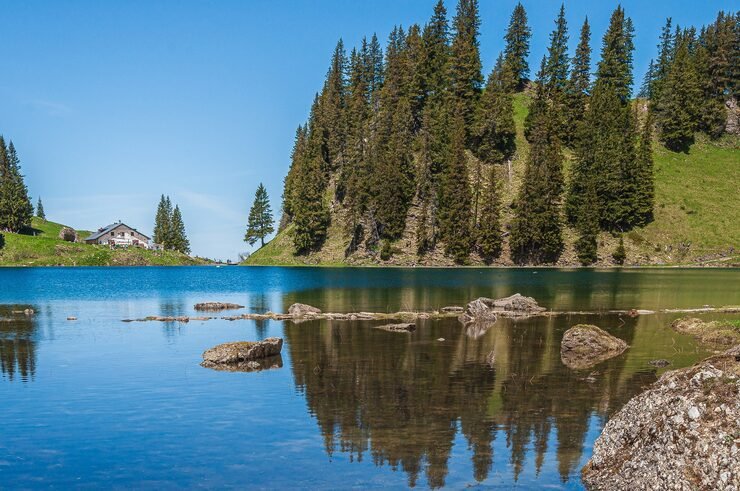
Often called the “Bavarian Sea,” Chiemsee is Bavaria’s largest lake and one of its most popular recreational destinations. Nestled between Munich and the Alps, the lake offers breathtaking views of snow-capped mountains, rolling hills, and crystal-clear waters.
Chiemsee is ideal for sailing, cycling, swimming, and boat cruises. The lake is home to three main islands: Herreninsel, Fraueninsel, and Krautinsel. Fraueninsel is especially charming, with its Benedictine convent, traditional houses, and local craft shops.
The peaceful atmosphere, fresh Alpine air, and scenic beauty make Chiemsee perfect for families, couples, and nature lovers. Whether enjoying a lakeside walk or watching the sunset over the Alps, Chiemsee offers pure relaxation.
18. Altes Schloss (Old Castle), Bayreuth – Wagner’s Legacy
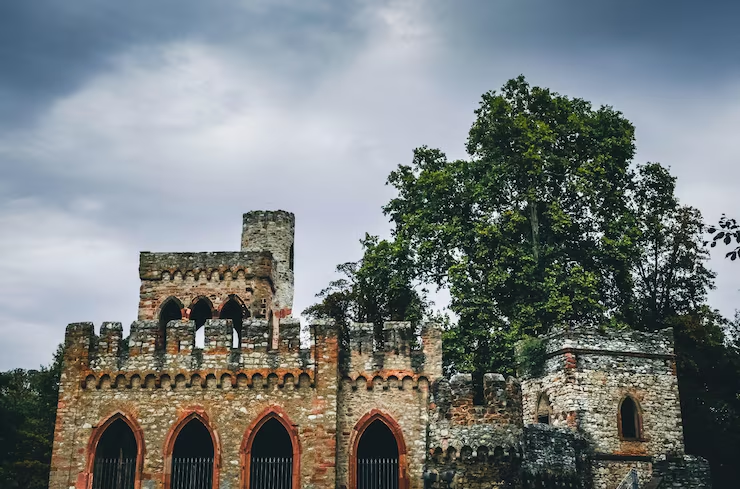
The Altes Schloss (Old Castle) in Bayreuth is deeply connected to the city’s cultural and musical heritage, particularly composer Richard Wagner. Bayreuth is world-famous for its annual Wagner Festival, attracting music lovers from across the globe.
The castle once served as a residence for Margraves of Brandenburg-Bayreuth and reflects Renaissance and Baroque influences. Today, it houses museums and exhibition spaces that explore the region’s aristocratic past and artistic traditions.
Surrounded by historic gardens and cultural landmarks, the Old Castle offers visitors a quieter, intellectual side of Bavaria, distinct from its Alpine landscapes.
19. Füssen – Gateway to Fairytale Castles
Füssen is a charming Alpine town located near the Austrian border and is best known as the gateway to Neuschwanstein Castle and Hohenschwangau Castle. With colorful buildings, cobblestone streets, and mountain scenery, Füssen feels like a storybook village.
The town has a rich musical heritage and a beautifully preserved old town. The nearby Alps offer hiking, cycling, and winter sports opportunities, making Füssen a year-round destination.
Füssen combines medieval charm, royal history, and natural beauty, making it one of Bavaria’s most romantic towns.
20. Mittenwald – Alpine Tradition & Painted Houses
Mittenwald is one of Bavaria’s most picturesque Alpine villages, famous for its traditional painted houses known as Lüftlmalerei. Located near the Karwendel Mountains, the village reflects centuries of Bavarian craftsmanship and culture.
The colorful frescoes depict religious scenes, folklore, and daily village life. Surrounded by mountains, Mittenwald offers excellent hiking, skiing, and nature photography opportunities.
Unlike larger tourist centers, Mittenwald retains an authentic, peaceful atmosphere. It is the perfect place to experience traditional Bavarian life, Alpine landscapes, and timeless beauty.