
Now Reading: Top 20 Tourist Places in Burundi
-
01
Top 20 Tourist Places in Burundi
Top 20 Tourist Places in Burundi
1. Bujumbura – Lakeside City of Culture and History
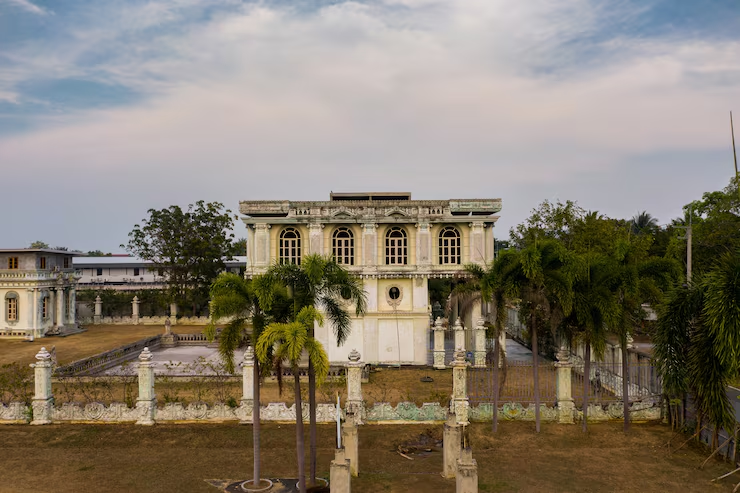
Bujumbura, the largest city and former capital of Burundi, sits beautifully along the northeastern shores of Lake Tanganyika, one of Africa’s Great Lakes. Serving for decades as the political, economic, and cultural heart of the country, Bujumbura remains Burundi’s most vibrant urban center despite the capital moving to Gitega.
The city blends colonial heritage with African traditions. Wide boulevards, historic buildings, bustling markets, and lakeside promenades give Bujumbura a relaxed yet lively atmosphere. The Central Market is a highlight, where visitors can experience daily Burundian life through colorful stalls selling fruits, fish, textiles, and handcrafted goods.
Bujumbura’s location on Lake Tanganyika adds immense charm. Locals gather along the shoreline in the evenings to enjoy sunsets, fresh fish meals, and music. The city is also a hub for cultural expression, with traditional drumming performances frequently held at cultural centers and festivals.
Nearby attractions such as Rusizi National Park, Livingstone–Stanley Monument, and Kigwena Forest make Bujumbura an excellent base for exploring western Burundi. With its lakeside beauty, friendly atmosphere, and cultural depth, Bujumbura offers travelers an authentic introduction to Burundi.
2. Lake Tanganyika – Africa’s Legendary Great Lake
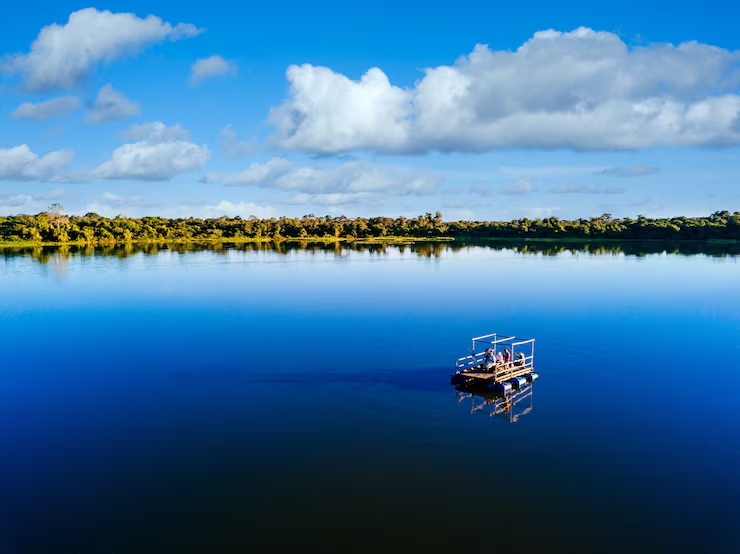
Lake Tanganyika is one of the most remarkable natural wonders in Africa and the world. It is the second-deepest lake on Earth and the longest freshwater lake globally, stretching across Burundi, Tanzania, Zambia, and the Democratic Republic of Congo.
For Burundi, Lake Tanganyika is both a lifeline and a symbol of national identity. Its crystal-clear waters support fishing communities, transportation routes, and recreational activities. Along the Burundian shore, visitors will find peaceful beaches, palm-lined resorts, and fishing villages that reflect a slower, lakeside way of life.
The lake is famous for its biodiversity, hosting hundreds of endemic fish species, making it a paradise for snorkeling, swimming, and freshwater diving. Sunsets over Lake Tanganyika are breathtaking, with golden reflections shimmering across calm waters and distant mountains.
Visitors can enjoy boat rides, lakeside dining, and cultural encounters with fishermen who use traditional wooden boats. Whether for relaxation, photography, or cultural exploration, Lake Tanganyika is one of Burundi’s most unforgettable destinations.
3. Rusizi National Park – Wildlife Near the City
Located just outside Bujumbura, Rusizi National Park is one of Burundi’s most accessible wildlife reserves. Situated along the Rusizi River delta, where it flows into Lake Tanganyika, the park offers a unique mix of wetlands, savannah, and riverine ecosystems.
Despite its relatively small size, Rusizi National Park is rich in wildlife. Visitors can spot hippos lounging in the river, crocodiles sunbathing on riverbanks, and a wide variety of bird species, including herons, kingfishers, and African fish eagles. The park is especially popular with birdwatchers.
Guided boat safaris along the Rusizi River provide close-up views of wildlife in their natural habitat. The contrast between wild landscapes and the nearby city skyline makes Rusizi a fascinating destination.
Rusizi National Park is ideal for travelers with limited time who still want to experience Burundi’s natural beauty and wildlife without venturing far from urban areas.
4. Livingstone–Stanley Monument – Historic Meeting Point
The Livingstone–Stanley Monument marks the historic meeting place of two legendary explorers: Dr. David Livingstone and Henry Morton Stanley, who met here in 1871 during Stanley’s famous search for Livingstone.
Located near Lake Tanganyika just south of Bujumbura, the monument stands as a reminder of Africa’s exploration era and its impact on the continent’s history. The site offers scenic views of the lake and surrounding landscapes, making it both historically and visually significant.
Visitors can learn about the explorers’ journeys, colonial-era expeditions, and the role Burundi played in African exploration narratives. The monument is often included in cultural and historical tours of the region.
For history enthusiasts, the Livingstone–Stanley Monument provides meaningful insight into Burundi’s place in global history.
5. Gitega – Cultural and Political Heart of Burundi
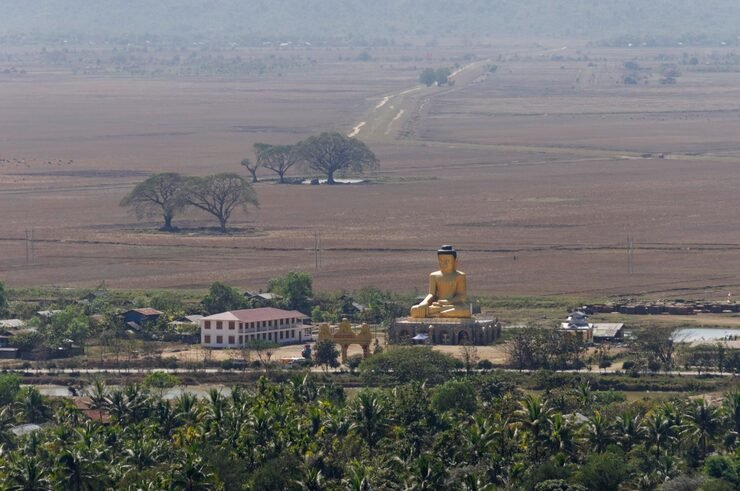
Gitega, now Burundi’s official capital, is located in the country’s central highlands. Long regarded as the cultural heart of Burundi, Gitega holds deep historical and spiritual significance.
The city is closely linked to Burundi’s monarchy and traditional institutions. Sacred royal drums, symbols of unity and authority, have been preserved here for generations. Gitega’s cooler climate, rolling hills, and central location make it a calm and welcoming city.
Gitega is home to the National Museum, traditional drumming centers, and important cultural landmarks. Unlike Bujumbura’s lakeside energy, Gitega offers a quieter, more traditional atmosphere that reflects Burundi’s roots.
For travelers interested in heritage, identity, and tradition, Gitega is an essential destination.
6. National Museum of Gitega – Preserving Burundi’s Identity
The National Museum of Gitega is the most important cultural institution in Burundi and the best place to understand the country’s deep-rooted traditions, history, and identity. Located in the capital city of Gitega, the museum plays a vital role in preserving and showcasing Burundi’s rich heritage.
One of the museum’s most treasured highlights is the collection of royal drums, which are sacred symbols of unity, power, and continuity in Burundian culture. These drums were historically used during royal ceremonies and national rituals and are still revered today. The rhythmic drumming tradition of Burundi has even been recognized by UNESCO as an Intangible Cultural Heritage.
Beyond drums, the museum exhibits traditional tools, weapons, musical instruments, royal regalia, and ethnographic artifacts that illustrate daily life across different regions of the country. Informative displays explain the role of clans, kingship, agriculture, and spirituality in Burundian society.
The museum’s peaceful gardens and traditional architecture enhance the visitor experience, offering a calm environment for learning and reflection. A visit here provides valuable insight into how Burundi’s past shapes its modern identity.
For travelers seeking a deeper cultural experience, the National Museum of Gitega is an essential stop and a powerful introduction to Burundi’s soul.
7. Karera Waterfalls – Southern Burundi’s Natural Gem
The Karera Waterfalls are among Burundi’s most spectacular natural attractions, located in the southern region near Rutana. These multi-tiered waterfalls cascade gracefully over rocky cliffs, creating a dramatic and refreshing landscape.
Fed by mountain streams, the falls flow strongest during the rainy season, when the water volume increases and the surrounding greenery becomes lush and vibrant. Several levels of the falls allow visitors to enjoy different viewpoints, each offering a unique perspective and photographic opportunity.
The natural pools formed at the base of the waterfalls are ideal for cooling off after a hike. The sound of rushing water combined with bird calls and forest surroundings creates a peaceful, immersive nature experience.
Karera Waterfalls are also culturally significant, often featured in local folklore and community traditions. The journey to the falls takes visitors through rural villages, offering glimpses of traditional Burundian life.
For nature lovers, photographers, and adventure seekers, Karera Waterfalls provide a refreshing escape and highlight Burundi’s scenic beauty beyond its lakes and savannahs.
8. Ruvubu National Park – Burundi’s Largest Wildlife Sanctuary
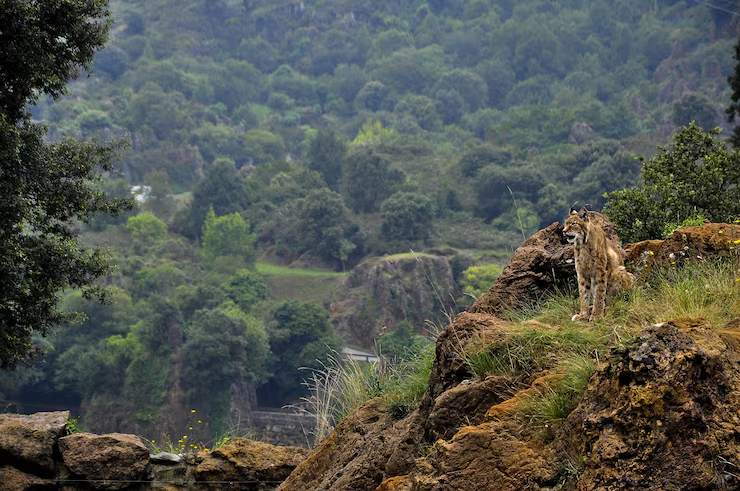
Ruvubu National Park is the largest protected area in Burundi and one of its most important conservation zones. Located in the eastern part of the country along the Ruvubu River, the park features vast savannahs, rolling hills, and riverine forests.
The park is home to a wide variety of wildlife, including buffaloes, antelopes, baboons, monkeys, and numerous bird species. While large predators are rare, the park’s biodiversity makes it a rewarding destination for wildlife enthusiasts and birdwatchers.
Ruvubu’s landscapes are stunning, especially along the riverbanks where animals gather to drink and graze. The park also plays a crucial role in protecting watersheds and supporting local ecosystems.
Due to its remote nature, Ruvubu National Park remains largely untouched by mass tourism, offering an authentic safari experience. Guided tours help visitors navigate the terrain while learning about conservation efforts.
For travelers seeking tranquility, wide-open spaces, and genuine wildlife encounters, Ruvubu National Park is a hidden treasure.
9. Source of the Nile (Burundi) – Birthplace of a Legendary River
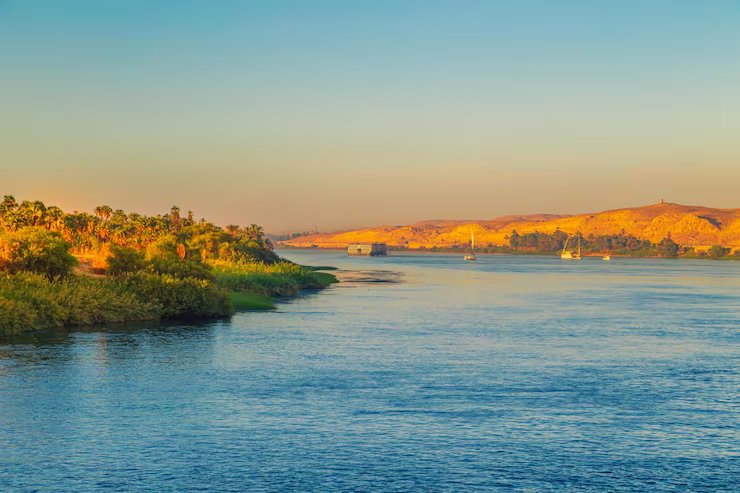
Few travelers realize that Burundi is home to the southernmost source of the Nile River, one of the world’s most famous waterways. Located near the town of Rutovu in southern Burundi, this site marks the beginning of the river’s long journey to the Mediterranean Sea.
A small monument commemorates the importance of the Nile’s origins, and the surrounding hills offer peaceful scenery and cultural charm. Local guides explain the geographical significance and historical debates surrounding the river’s true source.
The area around the Nile source is rural and serene, allowing visitors to connect with local communities and enjoy Burundi’s countryside landscapes. The experience is less commercialized than Nile source sites in other countries, making it feel authentic and intimate.
For geography enthusiasts, history lovers, and curious travelers, visiting the Source of the Nile in Burundi is a meaningful and memorable experience.
10. Kibira National Park – Rainforest of the Highlands
Kibira National Park is one of Burundi’s most ecologically important regions, covering a vast stretch of montane rainforest along the Congo-Nile Divide. The park plays a vital role in regulating climate and water systems across the country.
The dense forest is home to chimpanzees, colobus monkeys, forest antelopes, and hundreds of bird species. Misty trails wind through towering trees, offering excellent opportunities for hiking, birdwatching, and wildlife observation.
Kibira is also known for its scenic tea plantations along the park’s edges, where rolling green hills contrast beautifully with the dark rainforest canopy.
Due to its altitude and forest environment, the park has a cooler climate, making it ideal for eco-tourism and nature exploration. Guided treks help visitors safely explore the terrain while learning about conservation challenges.
Kibira National Park showcases a different side of Burundi—lush, wild, and mysterious—making it a must-visit for eco-tourists and adventure lovers.
11. Teza Tea Plantations – Rolling Green Hills and Scenic Views
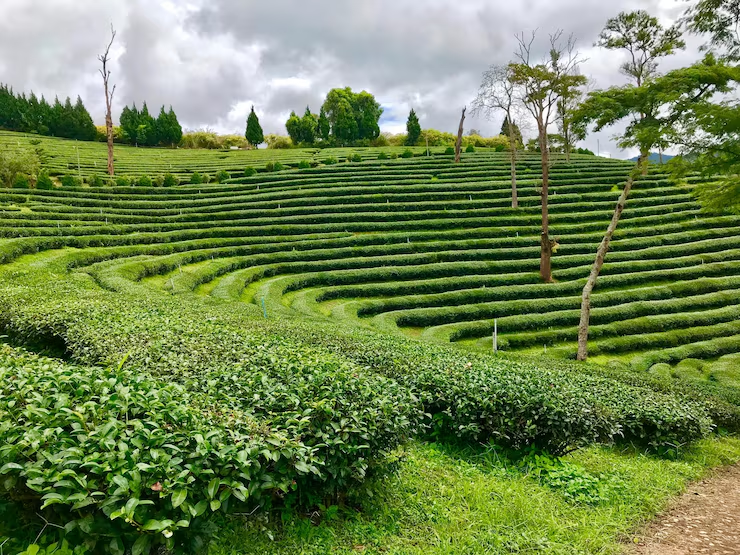
The Teza Tea Plantations are located in the highlands of Burundi and are among the country’s most picturesque agricultural landscapes. Stretching across rolling hills, these plantations are famous for producing some of the finest tea in East Africa.
Visiting Teza is not just about the scenic beauty; it’s an immersive cultural experience. Travelers can walk through neatly lined tea bushes, observe workers harvesting leaves by hand, and learn about the delicate process of tea production—from picking to drying and packaging. Local guides often explain the economic importance of tea in Burundi, which supports thousands of families and contributes to the national economy.
The plantations are set against a backdrop of misty hills and valleys, offering incredible panoramic views, particularly during sunrise when the morning fog drifts across the fields. Photography enthusiasts will find the endless green rows, intersected by narrow walking paths and small streams, a perfect subject for landscape shots.
Beyond the visual appeal, the Teza Tea Plantations offer visitors a chance to taste freshly brewed local tea. The flavors are rich, earthy, and aromatic—a true reflection of the region’s fertile soil and climate. Many plantations also have small visitor centers where tourists can purchase high-quality tea products as souvenirs.
For travelers seeking both natural beauty and cultural immersion, the Teza Tea Plantations are an ideal destination. They provide a tranquil retreat in the heart of Burundi’s highlands while showcasing the country’s agricultural heritage.
12. Kigwena Nature Reserve – Forested Refuge Near Lake Tanganyika
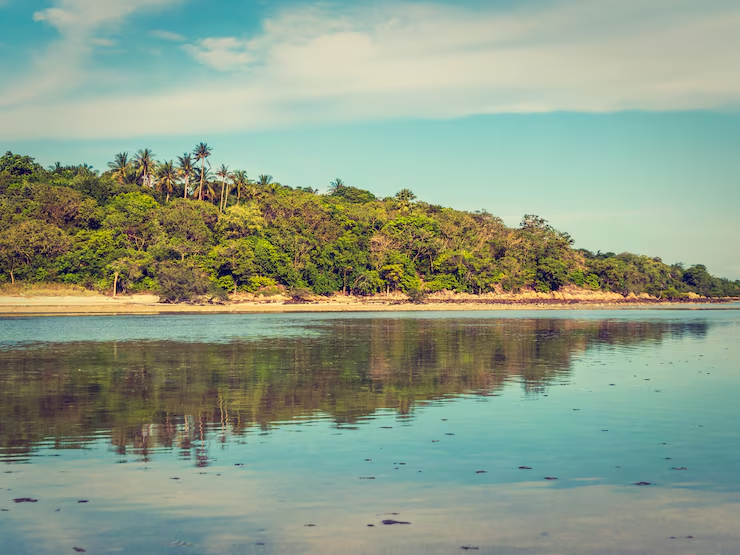
The Kigwena Nature Reserve is a serene forested area located near the shores of Lake Tanganyika, offering a unique blend of aquatic and terrestrial biodiversity. This relatively untouched reserve provides visitors with a peaceful escape from the bustling lakeside towns.
Kigwena is home to a variety of wildlife, including monkeys, small antelopes, and numerous bird species. Nature lovers and birdwatchers can spend hours exploring its walking trails while observing the colorful local fauna. The forested environment is also a perfect place for hiking and photography, with dense tree canopies, winding paths, and occasional viewpoints overlooking Lake Tanganyika.
The reserve is ecologically important, helping to maintain the balance of the surrounding wetlands and supporting species that are unique to the region. Conservation efforts within Kigwena aim to protect the forest and its inhabitants from deforestation and human encroachment.
Visitors often combine a trip to Kigwena with nearby attractions along Lake Tanganyika, including boat trips, fishing excursions, and visits to local villages. The reserve’s peaceful trails provide a quiet contrast to the lively lakeside activity, offering an immersive nature experience.
Kigwena Nature Reserve is ideal for eco-tourists, families, and anyone looking to explore Burundi’s natural beauty in a serene, protected environment.
13. Rumonge – Lakeside Town Life and Cultural Charm
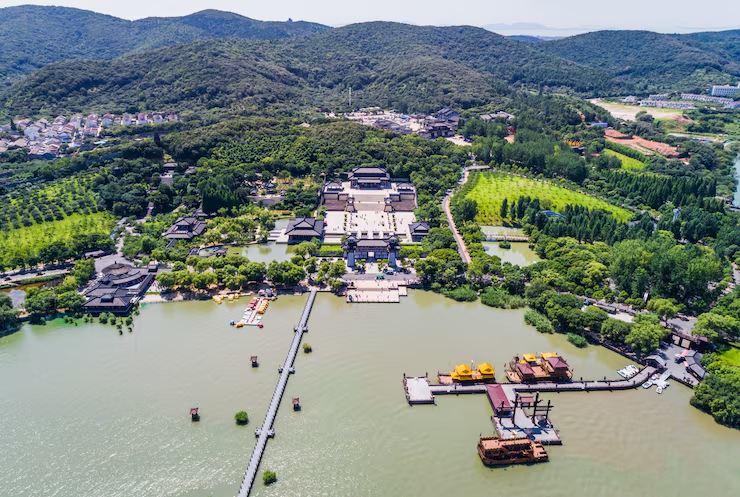
Rumonge is a vibrant lakeside town located on the northeastern shores of Lake Tanganyika. Known for its relaxed atmosphere, beautiful waterfront, and cultural richness, Rumonge is a destination where visitors can experience both nature and local life.
The town is surrounded by fertile farmland and lush hills, which provide striking views over the lake. Fishing is central to Rumonge’s economy, and visitors can often see fishermen returning with their catch at dawn. Lake Tanganyika’s calm waters are ideal for swimming, kayaking, and scenic boat rides, offering travelers a chance to explore secluded bays and islands.
Rumonge also boasts a strong sense of community, with markets, street vendors, and traditional crafts giving insight into everyday Burundian life. Local cuisine is dominated by fresh fish dishes, tropical fruits, and regional staples that delight visitors seeking authentic flavors.
The town’s location makes it a perfect base for excursions to nearby natural sites, such as the Kigwena Nature Reserve and other lakeside beaches. With its combination of natural beauty, culture, and hospitality, Rumonge is an excellent stop for travelers exploring southern Burundi.
14. Blue Bay Beach – Relaxation and Sunset Magic
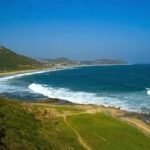
Blue Bay Beach is one of Burundi’s most popular and picturesque lakeside beaches, located along Lake Tanganyika near Rumonge. The beach is celebrated for its soft sands, clear blue waters, and serene atmosphere, making it a perfect destination for relaxation.
Visitors can swim safely in the lake’s calm waters or enjoy leisurely walks along the shoreline while watching the sun set over the horizon. Small local eateries and beachside stalls offer refreshments, including freshly grilled fish and tropical fruits, providing an authentic lakeside dining experience.
Blue Bay Beach is also ideal for water sports such as kayaking and paddleboarding, with equipment often available for rent. The surrounding landscape features gently sloping hills and lush greenery, creating a postcard-perfect setting for photography enthusiasts.
For travelers looking to unwind in a peaceful natural environment, Blue Bay Beach offers a mix of scenic beauty, leisure activities, and opportunities to engage with local communities.
15. Nyakazu Fault – Geological Marvel and Scenic Vistas
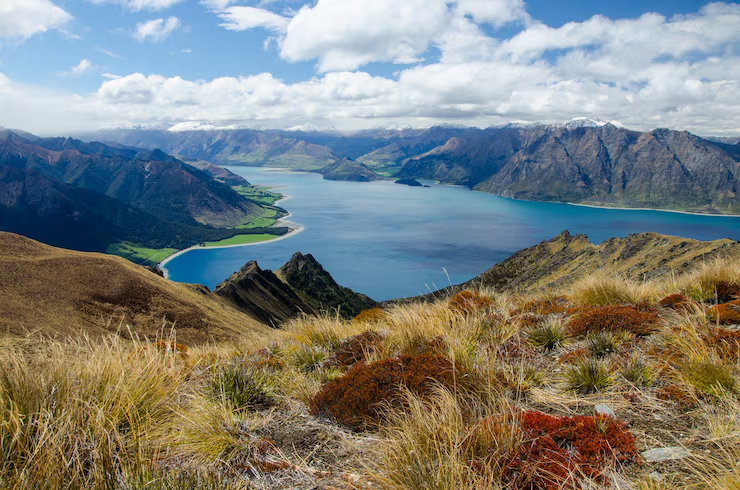
The Nyakazu Fault is a dramatic geological escarpment in southern Burundi, offering breathtaking views over rolling hills, valleys, and distant Lake Tanganyika. This natural formation is both a scientific wonder and a scenic destination, attracting geologists, photographers, and travelers alike.
The fault line is visible as a steep cliff stretching across the landscape, with walking paths and viewpoints allowing visitors to admire its scale and geological significance. The site also provides panoramic views over surrounding villages and farmland, giving travelers a sense of Burundi’s rural beauty and topography.
Local guides often share stories and legends associated with the fault, providing cultural and historical context to the natural wonder. The combination of geological intrigue, scenic vistas, and accessibility makes Nyakazu a unique destination for those seeking both adventure and natural beauty.
For those exploring southern Burundi, a visit to the Nyakazu Fault offers a memorable experience of awe-inspiring landscapes and geological heritage.
16. Mwaro – Rolling Hills and Rural Charm
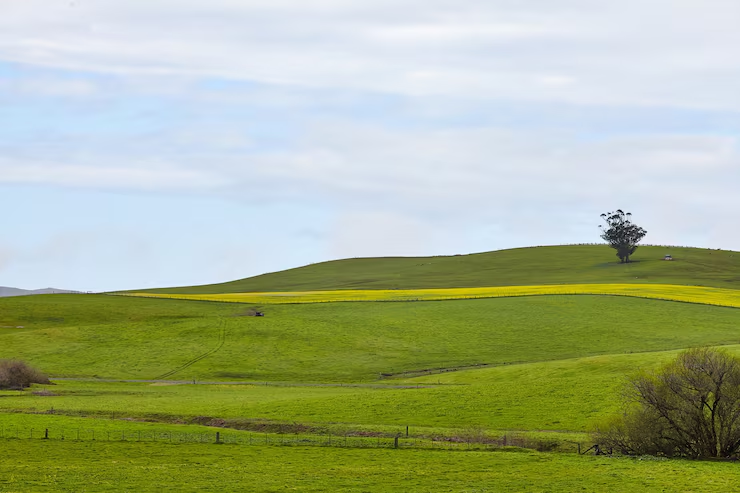
Mwaro is a central province of Burundi, known for its scenic rolling hills, verdant landscapes, and tranquil rural life. Unlike the bustling towns of Bujumbura or Gitega, Mwaro offers a serene escape into Burundi’s countryside, where travelers can experience traditional village life and picturesque farmlands.
The region is dotted with small villages where locals engage in subsistence farming, cultivating crops such as beans, maize, and bananas. Visiting Mwaro provides an authentic glimpse into Burundi’s agricultural heritage and community-driven lifestyle. Travelers can explore winding dirt roads flanked by terraced hills and interact with locals, learning about their customs, festivals, and daily routines.
For nature lovers, Mwaro’s landscape offers endless opportunities for hiking, photography, and birdwatching. The area’s quiet valleys, small streams, and lush hills create a peaceful environment that contrasts with the country’s urban centers. During the rainy season, the hills come alive with vibrant greenery, and streams swell, enhancing the scenic beauty.
Mwaro is ideal for travelers seeking an immersive cultural and natural experience. Its combination of scenic rural landscapes, traditional lifestyles, and calm atmosphere makes it a hidden gem in central Burundi.
17. Makamba – Gateway to Southern Nature
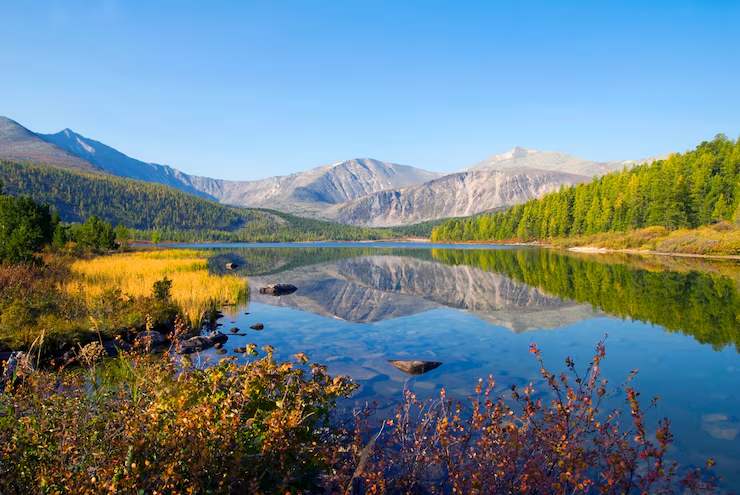
Makamba, located in southern Burundi near the Tanzanian border, is known for its natural beauty, fertile land, and proximity to several scenic attractions. This region combines rural charm with access to unique ecological and cultural sites, making it a perfect stop for travelers exploring the southern part of the country.
The area around Makamba is characterized by gentle hills, rivers, and farmlands that provide an authentic picture of Burundi’s rural life. Visitors can explore local markets, interact with communities, and enjoy traditional cuisine made from fresh, local ingredients.
Makamba also serves as a gateway to the source of the Nile in Burundi, offering travelers the opportunity to witness one of the most important geographical landmarks in Africa. The surrounding countryside provides excellent trekking, photography, and nature exploration opportunities.
For eco-tourists and cultural enthusiasts, Makamba presents a harmonious blend of natural landscapes and traditional Burundian life. Its strategic location near southern attractions makes it an essential stop on any comprehensive Burundi itinerary.
18. Rutana – Waterfalls and Natural Beauty
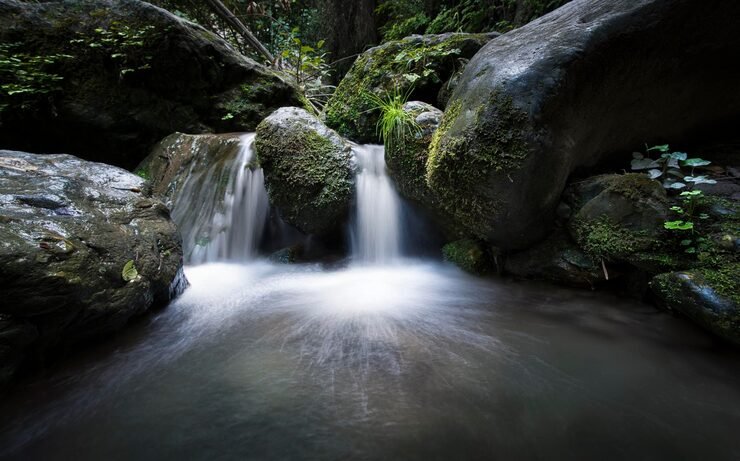
Rutana, a province in southeastern Burundi, is famous for its stunning waterfalls, lush hills, and dramatic landscapes. The region’s rugged terrain and natural beauty make it a destination for outdoor enthusiasts and nature photographers.
The highlight of Rutana is its multi-tiered waterfalls cascading down rocky cliffs. These falls are often surrounded by dense forests and green valleys, creating idyllic spots for hiking, picnicking, and birdwatching. Travelers can explore the trails leading to viewpoints, capturing panoramic vistas of the surrounding mountains and river valleys.
Rutana also provides an authentic glimpse into rural Burundian life. Small villages scattered across the hills showcase traditional architecture, local crafts, and community culture. Visiting Rutana combines both adventure and cultural immersion, allowing travelers to experience Burundi’s natural wonders and local lifestyle simultaneously.
19. Kirundo – Lakes, Birds, and Northern Charm
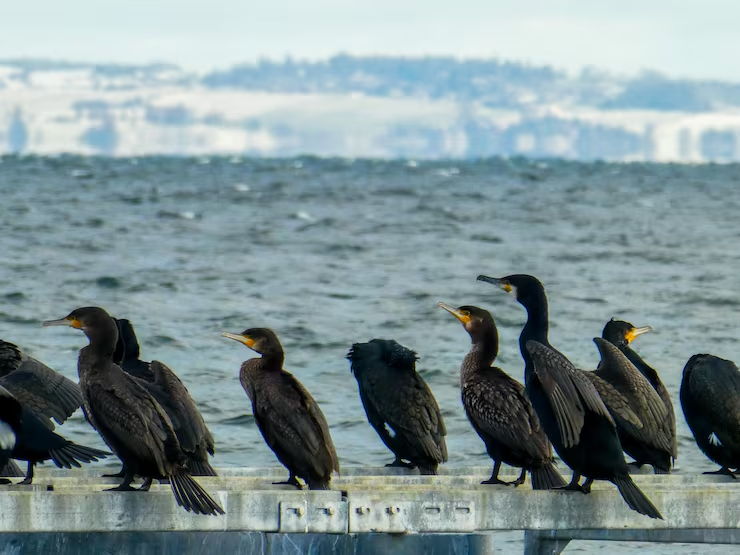
Kirundo, located in northern Burundi, is a province blessed with lakes, wetlands, and abundant wildlife. It is particularly renowned for birdwatching, attracting nature enthusiasts from across the region.
The province’s lakes, including Lake Rwihinda, serve as vital habitats for migratory birds, flamingos, and other waterfowl. Visitors can explore these wetlands, either on foot or by boat, to experience the region’s biodiversity. Kirundo’s scenic landscapes, dotted with rolling hills and agricultural fields, offer a tranquil setting for photography and outdoor exploration.
Local communities in Kirundo maintain traditional lifestyles, and markets in small towns provide an opportunity to engage with residents, taste local cuisine, and purchase handmade crafts. Kirundo’s combination of natural beauty and cultural experiences makes it a rewarding destination for eco-tourists.
20. Lake Rwihinda (Bird Lake) – Avian Paradise
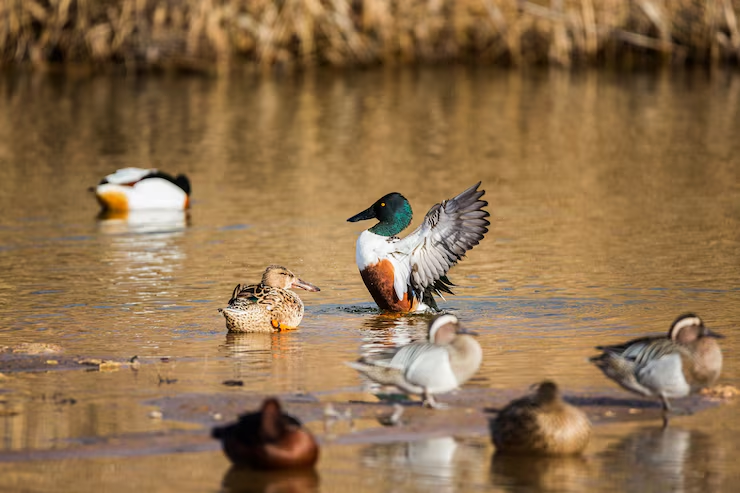
Lake Rwihinda, also known as Bird Lake, is one of Burundi’s most important wetlands, located in the Kirundo province. This serene lake is a haven for birdlife, attracting migratory species such as flamingos, pelicans, and cormorants, making it a paradise for ornithologists and nature lovers.
The lake is surrounded by lush vegetation and small hills, providing excellent opportunities for hiking, photography, and wildlife observation. Local guides offer boat tours on the lake, allowing visitors to experience the rich biodiversity up close. In addition to birds, Lake Rwihinda supports various fish species and other aquatic life, contributing to the local fishing economy.
The surrounding communities maintain traditional lifestyles, and visitors can learn about sustainable fishing practices, local customs, and the region’s ecological importance. Lake Rwihinda is not only a natural sanctuary but also a vital part of Burundi’s conservation efforts.
Whether you are an avid birdwatcher, nature enthusiast, or simply seeking tranquility, Lake Rwihinda offers a peaceful retreat immersed in nature’s splendor.