
Now Reading: Top 20 Tourist Places in Costa Rica
-
01
Top 20 Tourist Places in Costa Rica
Top 20 Tourist Places in Costa Rica
1. San José – The Cultural Heart of Costa Rica
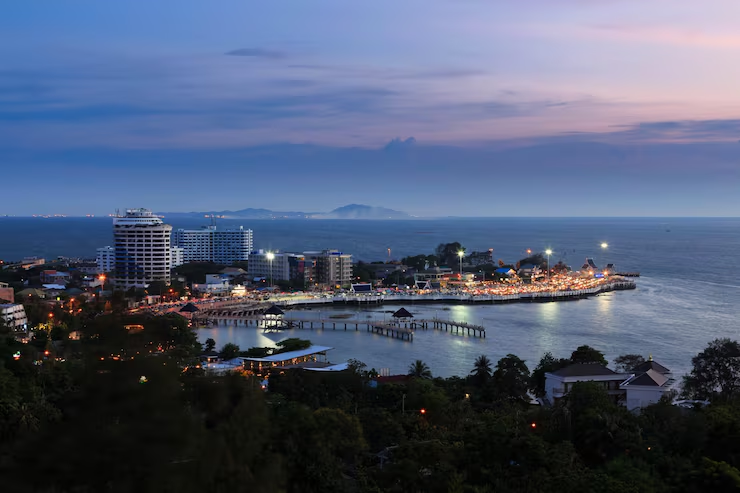
San José, the capital city of Costa Rica, serves as the cultural, political, and economic heart of the country. Nestled in the Central Valley and surrounded by lush green mountains, the city offers a fascinating mix of history, modern life, and traditional Costa Rican culture.
The city is home to several important museums, including the National Museum of Costa Rica, which showcases the nation’s history from pre-Columbian times to the present day. The Jade Museum and the Gold Museum display remarkable collections of indigenous artifacts, giving visitors insight into ancient civilizations.
San José’s vibrant markets, such as the Central Market, are perfect for experiencing daily local life. Visitors can sample traditional dishes like gallo pinto, tamales, and fresh tropical fruits while browsing stalls filled with crafts and souvenirs. The city also boasts beautiful architecture, including the historic National Theatre, an iconic symbol of Costa Rica’s cultural pride.
San José acts as a gateway to the rest of the country, making it an ideal starting point for exploring Costa Rica. Its blend of culture, cuisine, and urban energy makes it far more than just a stopover city.
2. Arenal Volcano – Costa Rica’s Most Iconic Natural Wonder
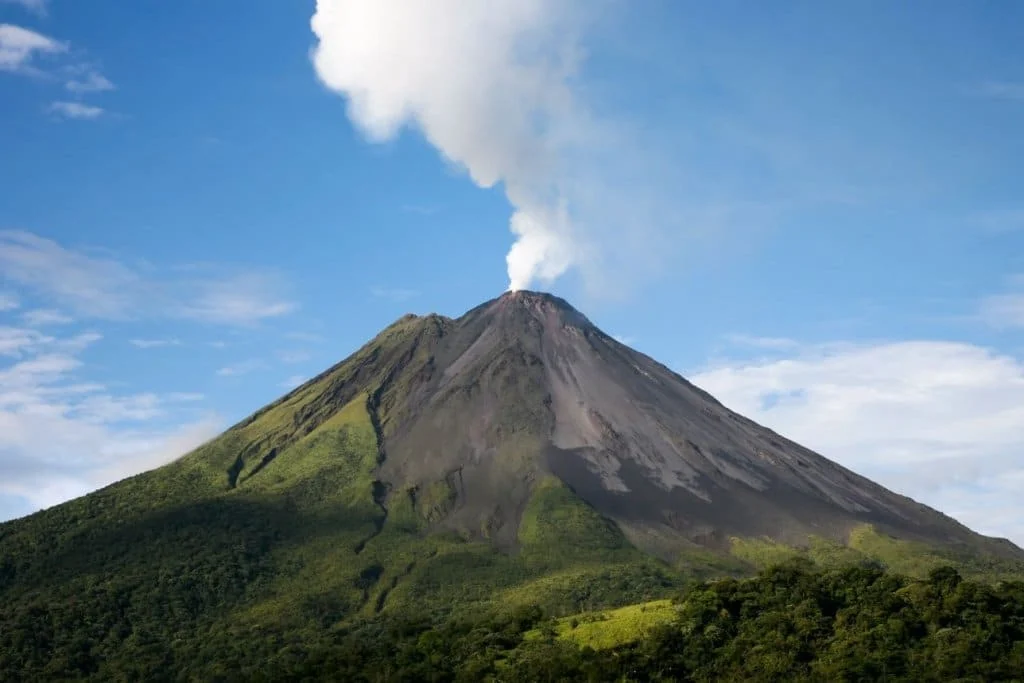
Arenal Volcano is one of Costa Rica’s most famous and visually striking landmarks. Rising dramatically above the surrounding rainforest, this near-perfect cone volcano dominates the landscape of northern Costa Rica. Although currently resting, Arenal was one of the world’s most active volcanoes for decades.
The area surrounding the volcano is rich in natural attractions, including lava fields, dense rainforest, and scenic hiking trails. Visitors can explore Arenal Volcano National Park, where well-maintained paths offer views of hardened lava flows and wildlife such as monkeys, sloths, and exotic birds.
One of the biggest draws of Arenal is its natural hot springs, heated by underground volcanic activity. These mineral-rich waters provide a relaxing experience surrounded by tropical scenery. Many resorts and eco-lodges offer hot spring access, making it a highlight for travelers.
Arenal Volcano is a perfect destination for both adventure seekers and relaxation lovers, combining dramatic landscapes with comfort and wellness experiences.
3. La Fortuna – Adventure Capital of Costa Rica
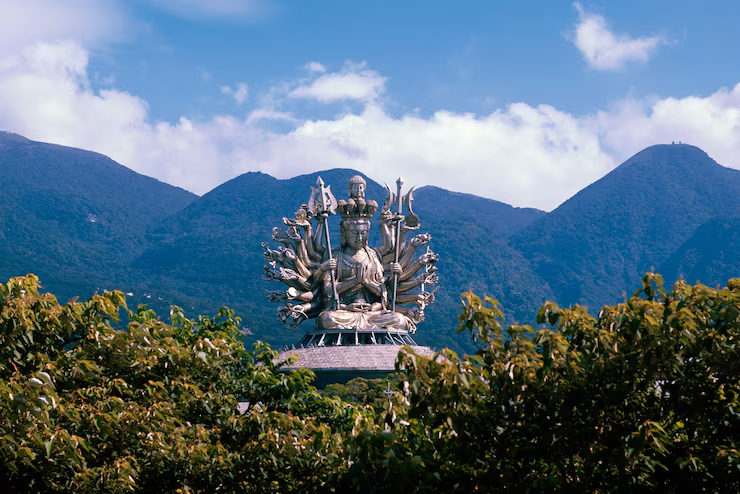
La Fortuna is a lively town located at the base of Arenal Volcano and is widely considered the adventure capital of Costa Rica. This charming destination attracts travelers looking for outdoor excitement mixed with natural beauty.
The town serves as a hub for activities such as zip-lining, white-water rafting, canyoning, horseback riding, and guided jungle hikes. Nearby waterfalls, including the famous La Fortuna Waterfall, provide stunning scenery and refreshing swimming spots.
Despite its popularity, La Fortuna maintains a friendly small-town atmosphere. The streets are lined with cafes, restaurants, and shops offering local cuisine and handmade goods. Evening views of Arenal Volcano from the town are especially impressive.
La Fortuna also offers easy access to hot springs, wildlife reserves, and nature parks. Its combination of adventure, comfort, and scenic surroundings makes it one of Costa Rica’s most complete travel destinations.
4. Monteverde Cloud Forest – A World Above the Clouds
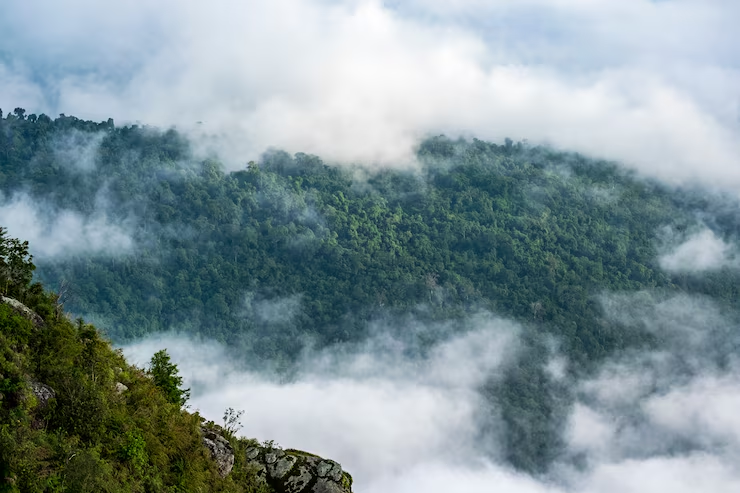
Monteverde Cloud Forest is one of the most unique ecosystems in the world. Located high in Costa Rica’s mountains, this mist-covered forest is famous for its incredible biodiversity and ethereal atmosphere.
The constant cloud cover creates a cool, damp environment that supports thousands of plant species, including orchids, mosses, and ferns. Wildlife lovers can spot howler monkeys, sloths, and over 400 bird species, including the resplendent quetzal.
Well-maintained trails allow visitors to explore the forest while learning about conservation efforts. Guided tours offer insight into the delicate balance of this ecosystem and the importance of protecting it.
Monteverde is a must-visit destination for nature enthusiasts, photographers, and anyone seeking a deeper connection with Costa Rica’s natural wonders.
5. Monteverde Hanging Bridges – Exploring the Canopy
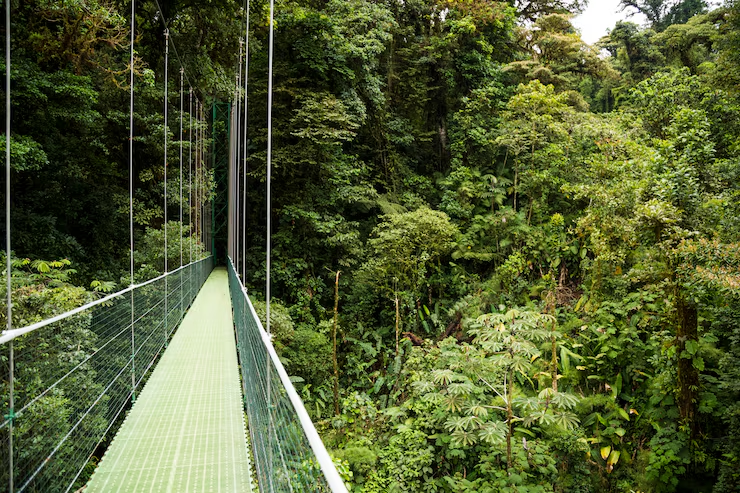
The Monteverde Hanging Bridges offer a breathtaking way to experience the cloud forest from above. This network of suspension bridges and forest trails allows visitors to walk through the rainforest canopy while enjoying panoramic views.
The bridges vary in length and height, providing thrilling yet safe crossings above treetops and deep ravines. Along the trails, visitors can observe wildlife, unique plant species, and the intricate layers of the forest ecosystem.
This attraction is suitable for all ages and fitness levels, making it a popular choice for families and first-time visitors. Guided tours enhance the experience by explaining the flora, fauna, and ecological significance of the area.
Monteverde Hanging Bridges combine adventure, education, and stunning scenery, making them one of Costa Rica’s most memorable nature experiences.
6. Manuel Antonio National Park – Where Wildlife Meets the Sea
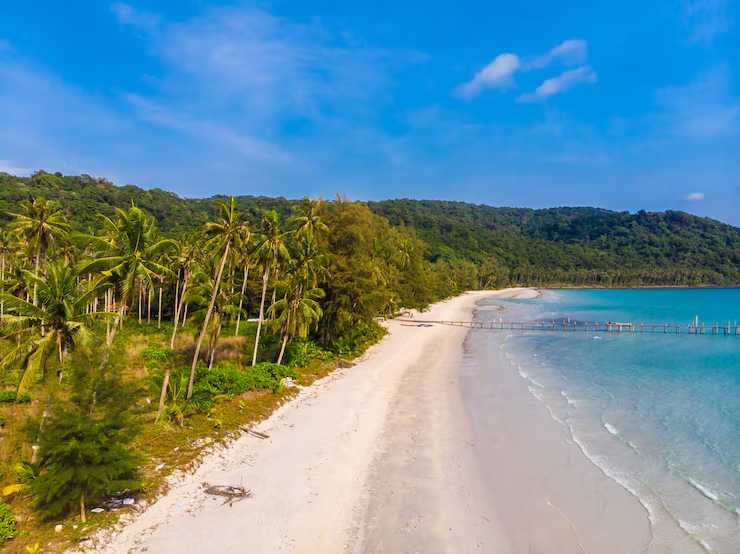
Manuel Antonio National Park is one of Costa Rica’s most famous and visited national parks, offering a rare combination of lush rainforest, white-sand beaches, and abundant wildlife. Located on the Pacific coast, the park is relatively small but incredibly rich in biodiversity.
Well-marked trails wind through tropical forest where visitors can easily spot monkeys, sloths, iguanas, and colorful birds. The park is especially popular because wildlife sightings are frequent even for first-time visitors. Knowledgeable guides help identify animals hidden in the trees and explain the delicate ecosystem.
Manuel Antonio’s beaches are among the most beautiful in the country. Calm, turquoise waters make them perfect for swimming, snorkeling, and relaxing after a jungle walk. The contrast between rainforest and ocean creates stunning scenery at every turn.
Because of its popularity, visitor numbers are controlled, helping preserve the environment. Manuel Antonio National Park is ideal for travelers who want a complete Costa Rican experience—wildlife, beaches, and nature—all in one destination.
7. Tortuguero National Park – Canals, Rainforest, and Sea Turtles
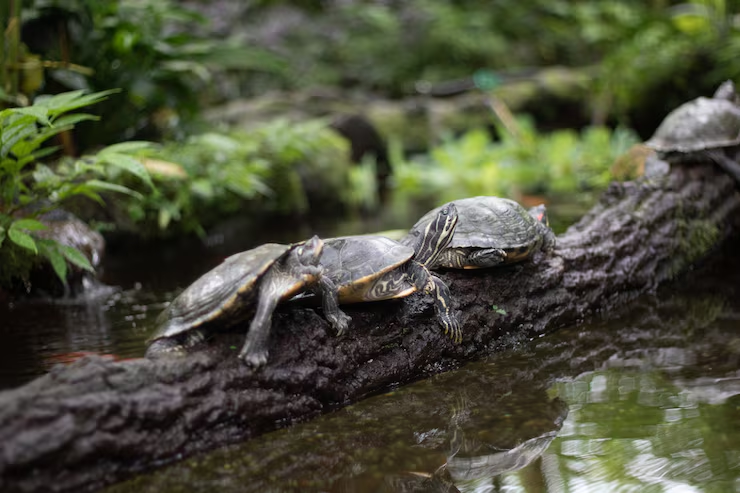
Tortuguero National Park is often called the “Amazon of Costa Rica” due to its vast network of canals, rivers, and wetlands. Located on the Caribbean coast, this remote park is accessible mainly by boat or small aircraft, adding to its sense of adventure.
The park is world-famous for sea turtle nesting, especially green turtles that come ashore between July and October. Guided night tours allow visitors to witness this incredible natural event while respecting conservation rules.
Beyond turtles, Tortuguero is home to monkeys, caimans, river otters, and hundreds of bird species. Boat tours through the canals provide close-up views of wildlife in their natural habitat.
The surrounding village offers a glimpse into local Caribbean culture. Tortuguero National Park is a must-visit for nature lovers seeking a quiet, immersive rainforest experience.
8. Corcovado National Park – Nature at Its Wildest
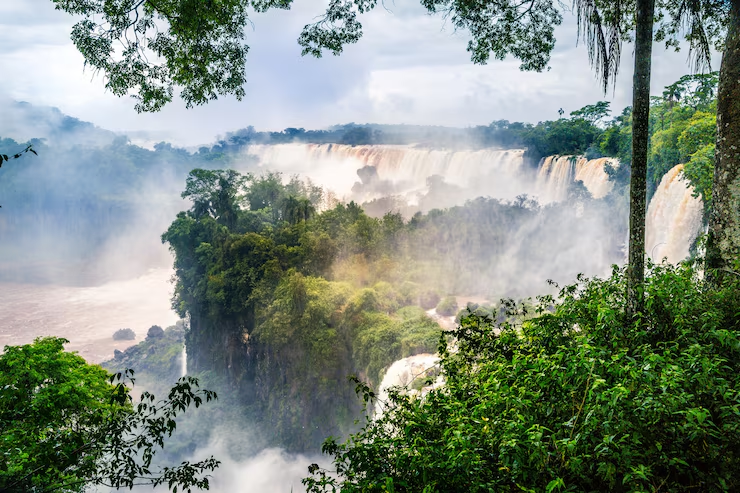
Corcovado National Park, located on the Osa Peninsula, is widely regarded as one of the most biologically diverse places on Earth. This remote and pristine park protects vast areas of primary rainforest, rivers, mangroves, and beaches.
Wildlife sightings here are unmatched. Visitors may encounter tapirs, jaguars, scarlet macaws, monkeys, and countless other species. Due to its sensitive ecosystem, entry is strictly regulated, and guided tours are required.
Hiking through Corcovado is challenging but deeply rewarding. Trails pass through untouched jungle and along deserted beaches, offering a true wilderness experience. The sounds of the rainforest create an unforgettable atmosphere.
Corcovado is ideal for experienced travelers and eco-tourists looking for raw, unfiltered nature. It represents Costa Rica’s strong commitment to conservation and environmental protection.
9. Osa Peninsula – Remote Beauty and Untouched Nature
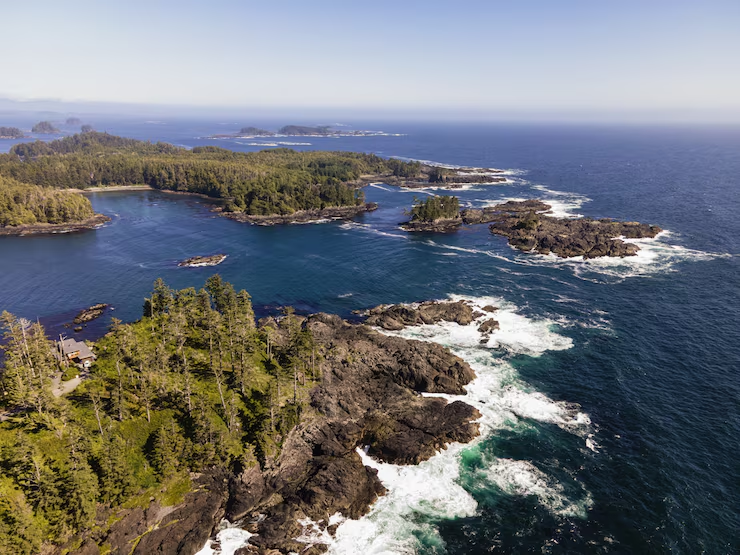
The Osa Peninsula is one of Costa Rica’s most remote and ecologically rich regions. Known for dense rainforest, pristine beaches, and abundant wildlife, it is a paradise for adventure travelers and nature enthusiasts.
This region is less developed than other tourist areas, preserving its natural charm. Activities include wildlife watching, jungle trekking, kayaking, snorkeling, and whale watching along the coast.
Small eco-lodges and sustainable tourism projects dominate the area, ensuring minimal environmental impact. The peninsula’s isolation allows visitors to disconnect from modern life and reconnect with nature.
The Osa Peninsula is perfect for travelers seeking solitude, biodiversity, and authentic eco-adventures in Costa Rica.
10. Tamarindo – Surf, Sun, and Nightlife
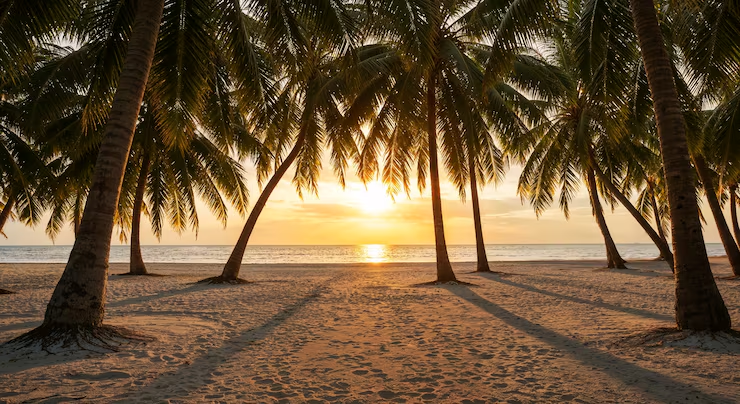
Tamarindo is one of Costa Rica’s most popular beach towns, known for its excellent surf conditions, golden beaches, and vibrant nightlife. Located on the Pacific coast, it attracts surfers, backpackers, and vacationers from around the world.
The town offers surf schools for beginners and challenging waves for experienced surfers. Beyond surfing, visitors can enjoy snorkeling, fishing, and sunset cruises.
Tamarindo also features a lively restaurant and bar scene, with options ranging from local Costa Rican cuisine to international flavors. The beach sunsets are spectacular, drawing crowds every evening.
With its energetic atmosphere and beautiful coastline, Tamarindo is ideal for travelers who want a mix of adventure, relaxation, and social life.
11. Puerto Viejo de Talamanca – Caribbean Culture and Coastal Vibes
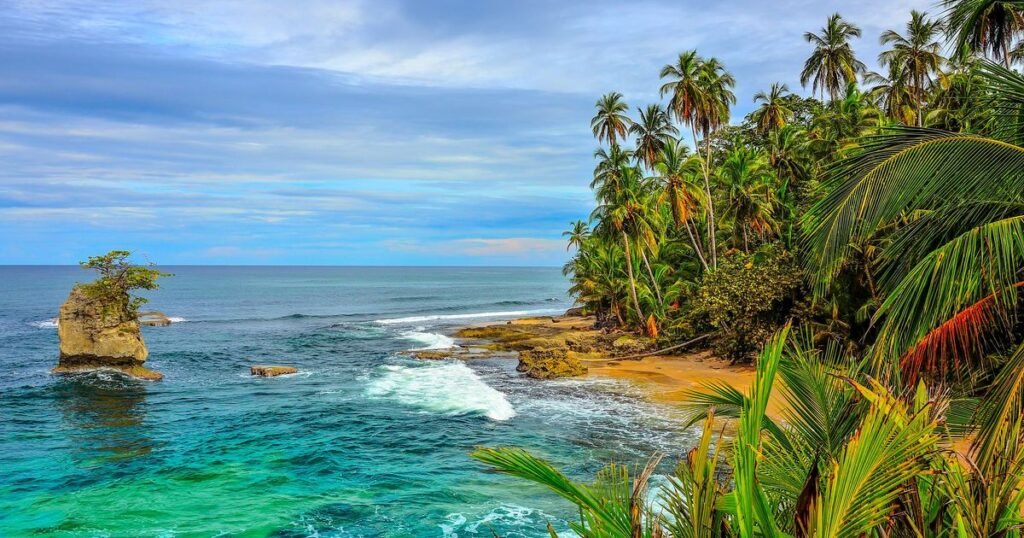
Puerto Viejo de Talamanca is one of Costa Rica’s most colorful and culturally rich destinations. Located on the Caribbean coast, this lively town is known for its Afro-Caribbean heritage, relaxed atmosphere, and stunning beaches lined with palm trees.
The town’s culture is reflected in its music, cuisine, and daily life. Visitors can enjoy reggae rhythms, traditional Caribbean dishes like rice and beans cooked in coconut milk, and a strong sense of local identity. The beaches around Puerto Viejo offer excellent swimming, surfing, and snorkeling opportunities, with clear waters and vibrant coral reefs.
Wildlife is never far away, with sloths, monkeys, and exotic birds often seen near roads and beaches. The area also serves as a base for exploring nearby nature reserves and national parks. Puerto Viejo’s friendly energy and unique cultural blend make it a favorite among travelers seeking something different from Costa Rica’s Pacific coast.
12. Cahuita National Park – Coral Reefs and Coastal Rainforest
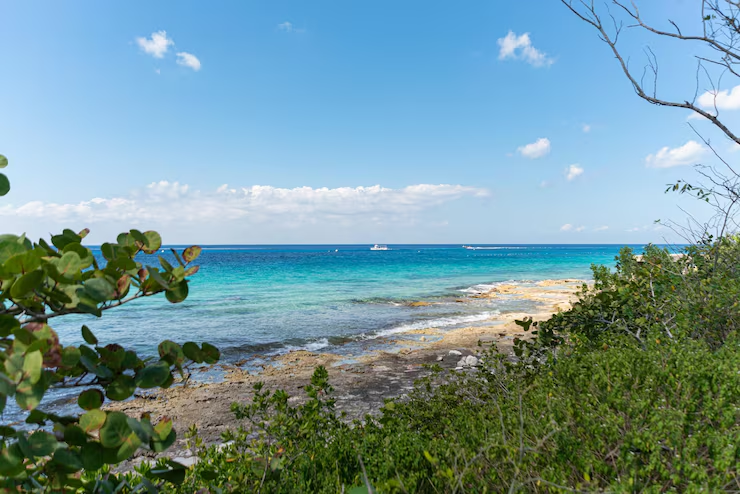
Cahuita National Park is a unique destination where rainforest meets the Caribbean Sea. Known for its stunning coral reef system and easy coastal trails, the park offers one of the most accessible nature experiences in Costa Rica.
Snorkeling in Cahuita is a highlight, with colorful fish, coral formations, and clear waters. On land, the flat trail follows the coastline through dense forest, making wildlife spotting easy. Visitors often see monkeys, raccoons, iguanas, and tropical birds.
The park also plays a vital role in marine conservation and community-based tourism. Entrance is donation-based, supporting local development and preservation efforts. Cahuita National Park is perfect for travelers who want a relaxed, scenic, and eco-friendly adventure on the Caribbean coast.
13. Poás Volcano – A Crater of Power and Beauty
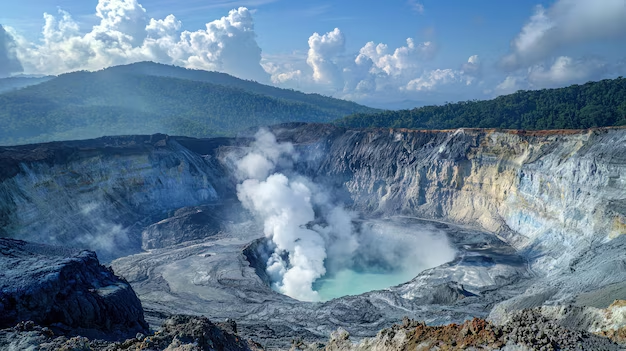
Poás Volcano is one of Costa Rica’s most accessible and impressive volcanoes. Located near San José, it features one of the largest active craters in the world, with steaming vents and a striking turquoise crater lake.
A short, paved trail leads visitors to the main viewpoint, making Poás suitable for all ages. The surrounding national park includes cloud forest trails, wildlife viewing areas, and educational displays explaining volcanic activity.
Due to ongoing activity, access is carefully monitored to ensure visitor safety. When conditions allow, the experience of standing near an active crater is unforgettable. Poás Volcano is ideal for travelers seeking dramatic landscapes without long hikes.
14. Irazú Volcano – Standing Above the Clouds
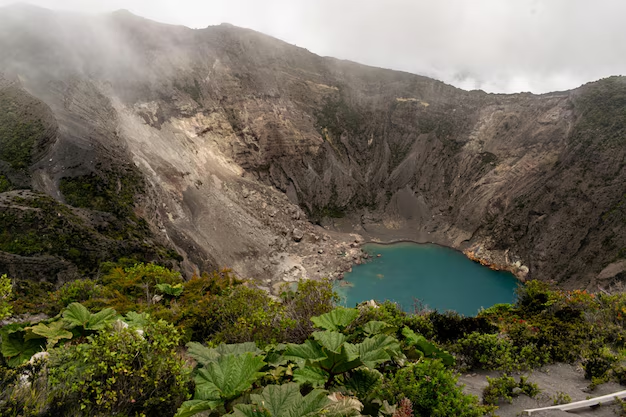
Irazú Volcano is the highest volcano in Costa Rica, offering sweeping views of both the Caribbean and Pacific coasts on clear days. Located east of San José, it provides a unique high-altitude experience.
The volcano’s main crater features mineral-rich lakes that change color depending on weather conditions. The surrounding landscape feels almost lunar, contrasting sharply with the green lowlands below.
Visitors can explore short trails and observation points, making Irazú an easy and rewarding stop. Its accessibility and panoramic views make it one of the most impressive volcanic destinations in the country.
15. Río Celeste – Costa Rica’s Magical Blue River
Río Celeste is one of Costa Rica’s most visually stunning natural attractions. Located within Tenorio Volcano National Park, the river is famous for its bright turquoise-blue color.
The color is caused by a natural chemical reaction where two clear rivers meet, creating a breathtaking visual effect. A scenic hiking trail leads visitors to viewpoints, waterfalls, bubbling hot springs, and riverbanks.
The hike is moderately challenging but well worth the effort. Río Celeste’s surreal beauty makes it a favorite among photographers and nature lovers, offering a truly magical experience in Costa Rica.
16. Tenorio Volcano National Park – A Rainforest of Color and Life
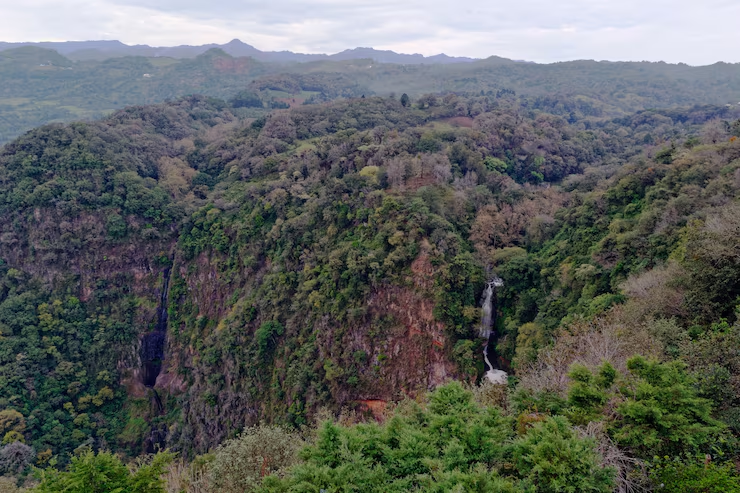
Tenorio Volcano National Park is one of Costa Rica’s most enchanting protected areas, best known as the home of the famous Río Celeste. Located in the northern region of the country, the park is filled with dense rainforest, volcanic features, and abundant wildlife.
Visitors can explore well-maintained trails that wind through tropical vegetation, crossing rivers and passing steaming fumaroles. The park’s biodiversity includes tapirs, monkeys, frogs, and a wide variety of bird species. Guided tours provide insight into the park’s volcanic activity and ecological importance.
Tenorio Volcano itself remains largely unexplored, adding an element of mystery to the area. The combination of colorful landscapes and untouched forest makes this park ideal for nature lovers and photographers seeking a quieter alternative to more crowded destinations.
17. Jacó Beach – Surf, Energy, and Coastal Fun
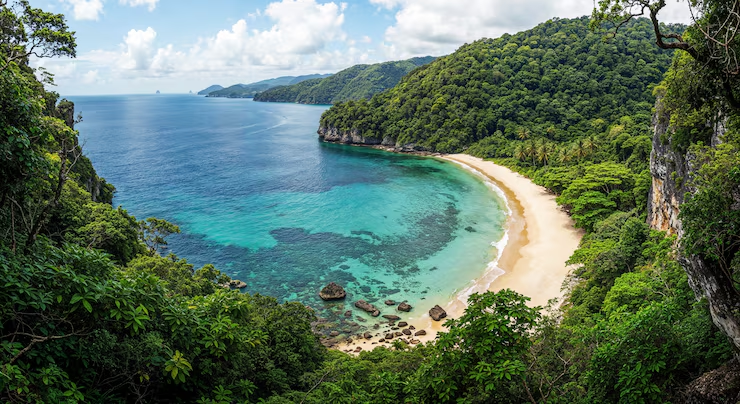
Jacó Beach is a lively coastal town located just a short drive from San José, making it one of Costa Rica’s most accessible beach destinations. Known for its consistent waves, Jacó is a popular spot for surfers of all skill levels.
Beyond surfing, Jacó offers a vibrant nightlife, beachside restaurants, and adventure tours such as zip-lining and ATV rides. The long, wide beach is perfect for walking, swimming, and watching dramatic Pacific sunsets.
Jacó’s energetic atmosphere attracts travelers looking for action and entertainment. While it is more developed than other beach towns, it remains an exciting gateway to Costa Rica’s Pacific coast.
18. Nosara – Wellness, Waves, and Nature
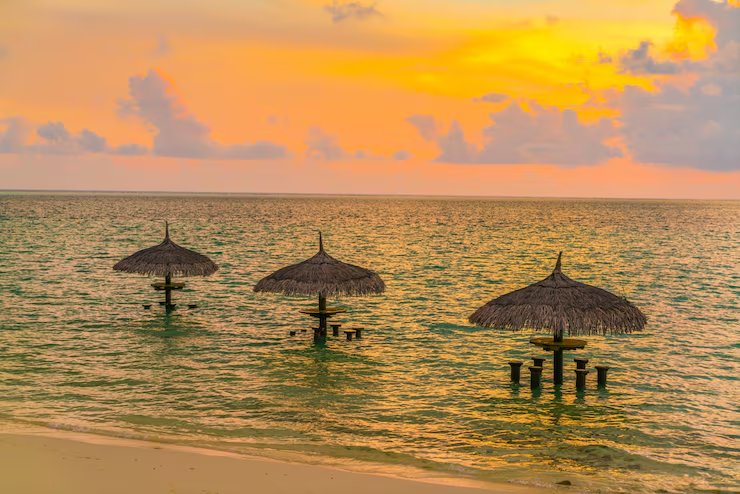
Nosara is a relaxed beach town celebrated for its wellness culture, yoga retreats, and pristine beaches. Located on the Nicoya Peninsula, Nosara attracts travelers seeking balance, health, and connection with nature.
Playa Guiones is the town’s main beach, offering excellent surfing conditions year-round. The area is also known for its strong environmental values, with sustainable development and wildlife protection playing key roles.
Yoga studios, organic cafes, and wellness retreats create a peaceful atmosphere. Nosara is perfect for travelers who want to combine outdoor adventure with mental and physical rejuvenation.
19. Drake Bay – Gateway to Untamed Wilderness
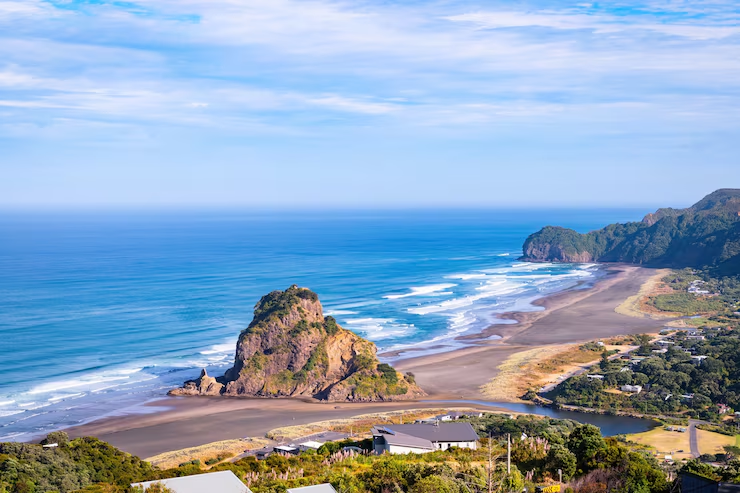
Drake Bay is a small, remote coastal village located on the Osa Peninsula and serves as a primary access point to Corcovado National Park. Surrounded by jungle and ocean, it offers a raw and authentic travel experience.
The bay is famous for whale and dolphin watching, especially during migration seasons. Snorkeling, diving, and hiking are popular activities, with marine life and rainforest wildlife easily observed.
Drake Bay’s isolation adds to its charm, making it ideal for eco-travelers and adventurers seeking untouched landscapes and minimal crowds.
20. Santa Teresa – Surf Culture and Sunset Magic
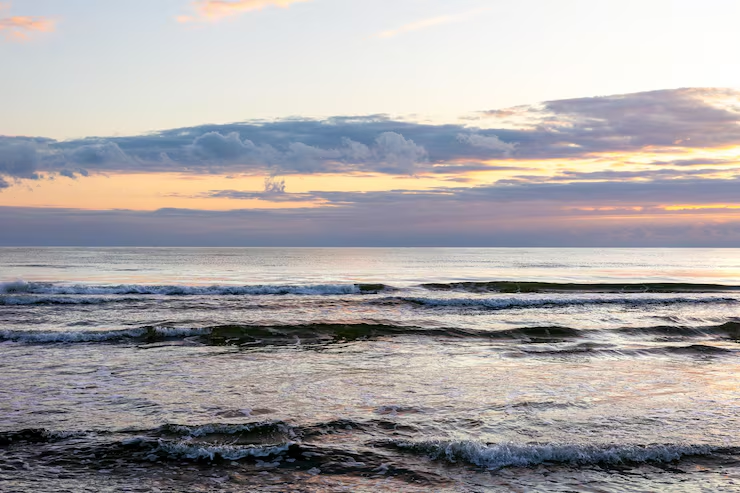
Santa Teresa is one of Costa Rica’s trendiest beach destinations, known for its surf culture, relaxed lifestyle, and stunning sunsets. Located on the Nicoya Peninsula, it combines rustic charm with modern comforts.
The long sandy beach offers powerful waves, attracting surfers from around the world. Yoga studios, beachfront cafes, and boutique accommodations contribute to Santa Teresa’s laid-back yet stylish atmosphere.
Evenings are especially magical, as visitors gather to watch the sun set over the Pacific Ocean. Santa Teresa is the perfect finale to Costa Rica’s diverse travel experiences.