
Now Reading: Top 20 Tourist Places in Djibouti
-
01
Top 20 Tourist Places in Djibouti
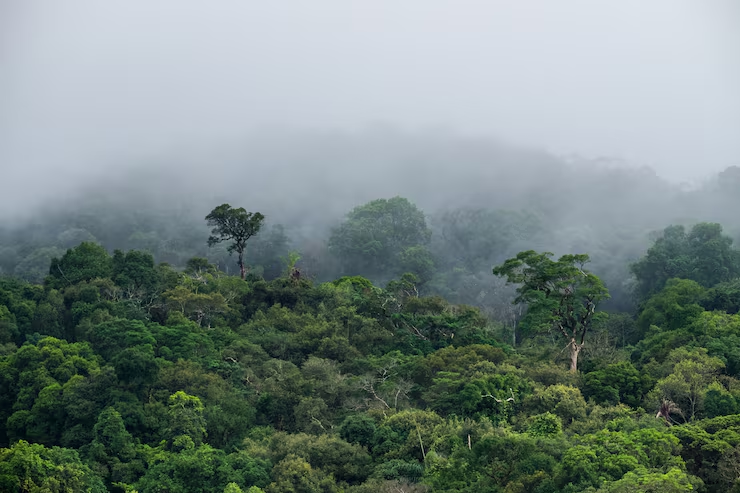
Top 20 Tourist Places in Djibouti
1. Djibouti City – The Vibrant Coastal Capital
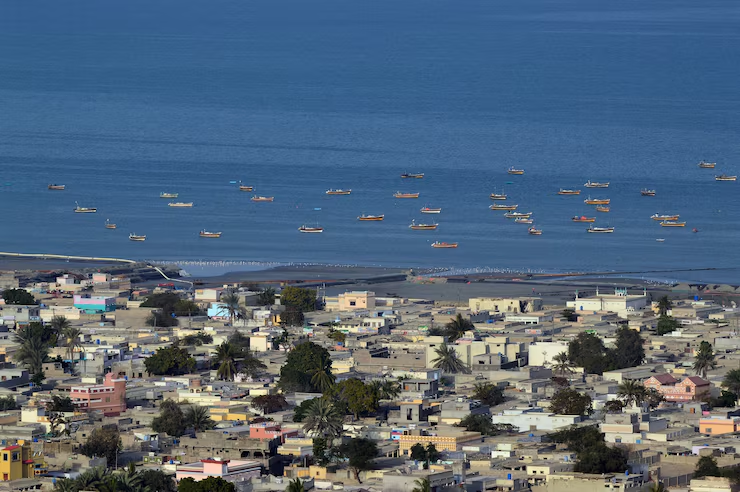
Djibouti City, the capital and largest city of Djibouti, is the country’s cultural, economic, and political heart. Located along the Gulf of Tadjoura, this lively port city blends African, Arab, and French influences, creating a unique atmosphere unlike anywhere else in East Africa.
The city’s central markets are full of color and energy, where vendors sell spices, fabrics, fresh fish, and handmade goods. Walking through these markets offers a glimpse into everyday Djiboutian life. The architecture reflects its colonial past, with French-style buildings standing alongside mosques and modern structures.
Djibouti City’s coastline provides stunning seaside views, especially at sunset when the sky glows over the Red Sea waters. The city also serves as the main gateway for exploring the country’s natural wonders, including lakes, deserts, and islands.
With its mix of cultures, flavors, and oceanfront charm, Djibouti City offers visitors both urban experiences and access to extraordinary natural landscapes.
2. Lake Assal – Africa’s Lowest Point
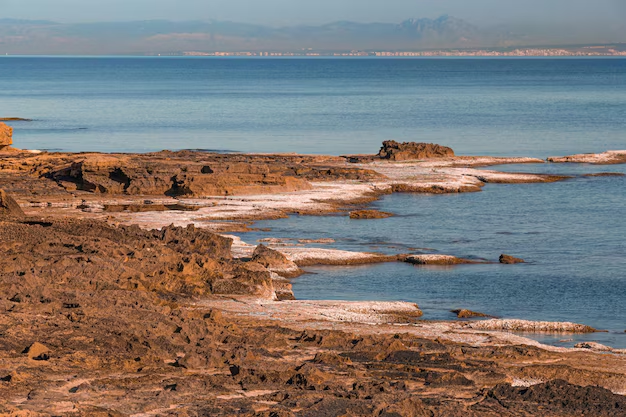
Lake Assal is one of Djibouti’s most extraordinary natural attractions. Located about 120 meters below sea level, it is the lowest point in Africa and one of the saltiest lakes in the world. Surrounded by volcanic landscapes and black lava fields, the lake’s bright turquoise waters contrast dramatically with its white salt shores.
The extreme salt concentration allows visitors to float effortlessly on the water’s surface, similar to the Dead Sea. Salt mining has been practiced here for centuries, and you can often see caravans transporting salt across the desert.
The surrounding scenery feels almost otherworldly, with shimmering salt flats stretching toward rugged mountains. Despite the harsh environment, the area holds geological importance and offers unforgettable photographic opportunities.
Lake Assal is a must-visit destination for travelers seeking unique natural wonders and dramatic desert beauty.
3. Lake Abbe – A Surreal Volcanic Landscape
Lake Abbe is one of the most unusual landscapes in Africa. Located near the border with Ethiopia, this remote salt lake is famous for its limestone chimneys that rise dramatically from the ground, some reaching heights of 50 meters.
Steam rises from geothermal vents beneath these rock formations, creating an almost alien-like environment. The landscape changes color throughout the day, making sunrise and sunset especially magical times to visit.
Flamingos and other bird species gather around the lake’s shallow waters, adding life to the stark surroundings. The silence of the desert combined with the bubbling hot springs makes Lake Abbe a truly unforgettable destination.
For adventurous travelers, Lake Abbe offers one of Djibouti’s most unique and photogenic experiences.
4. Day Forest National Park – A Green Escape
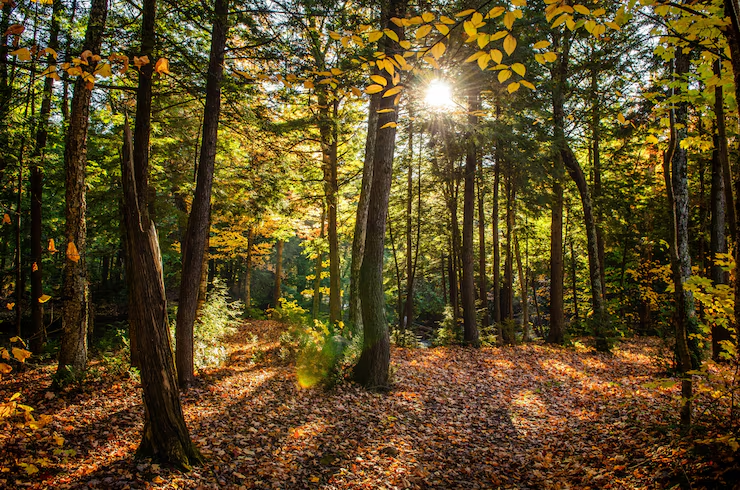
Day Forest National Park provides a refreshing contrast to Djibouti’s deserts and salt lakes. Located in the Goda Mountains, this protected area features cooler temperatures and rare Juniper forests.
The park is home to unique wildlife species, including rare birds and mammals found only in this region. Hiking trails wind through forested slopes, offering panoramic views of the Gulf of Tadjoura in the distance.
Because of its elevation, the park enjoys a milder climate, making it a pleasant escape from the intense coastal heat. Nature lovers and bird watchers will especially appreciate the biodiversity found here.
Day Forest National Park showcases Djibouti’s lesser-known green landscapes and ecological diversity.
5. Moucha Island – A Snorkeling Paradise
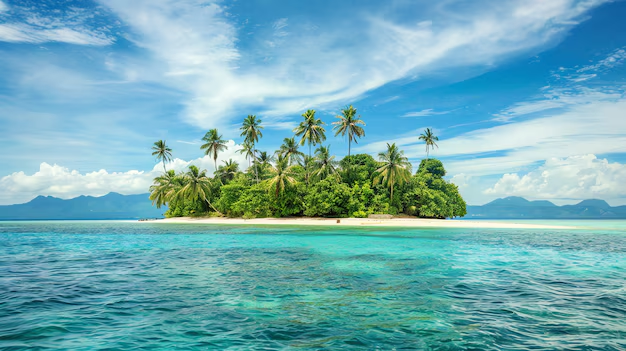
Moucha Island is a small island in the Gulf of Tadjoura known for its crystal-clear waters and vibrant coral reefs. Just a short boat ride from Djibouti City, the island is a popular destination for snorkeling and diving.
Colorful fish, coral gardens, and calm lagoons make it ideal for underwater exploration. The beaches are peaceful and relatively untouched, offering a relaxing atmosphere away from the city.
Visitors can spend the day swimming, sunbathing, or enjoying fresh seafood by the shore. The island’s tranquil setting makes it perfect for both adventure and relaxation.
Moucha Island highlights Djibouti’s incredible marine life and coastal beauty.
6. Maskali Island – Coral Reefs and Crystal Waters
Maskali Island is one of Djibouti’s most beautiful marine destinations, located in the Gulf of Tadjoura. This small island is known for its pristine coral reefs, clear turquoise waters, and rich underwater biodiversity. It is a favorite spot for snorkeling and scuba diving enthusiasts.
The surrounding reefs are home to colorful tropical fish, sea turtles, and vibrant coral formations. The water is calm and warm, making it ideal even for beginner snorkelers. Maskali Island is less developed than other tourist spots, which helps preserve its natural beauty.
On land, the island offers peaceful beaches and shaded areas where visitors can relax and enjoy the sea breeze. Because of its untouched nature, Maskali Island feels like a hidden paradise.
For travelers seeking marine adventures and serene island experiences, Maskali Island is a must-visit destination in Djibouti.
7. Gulf of Tadjoura – Whale Shark Haven
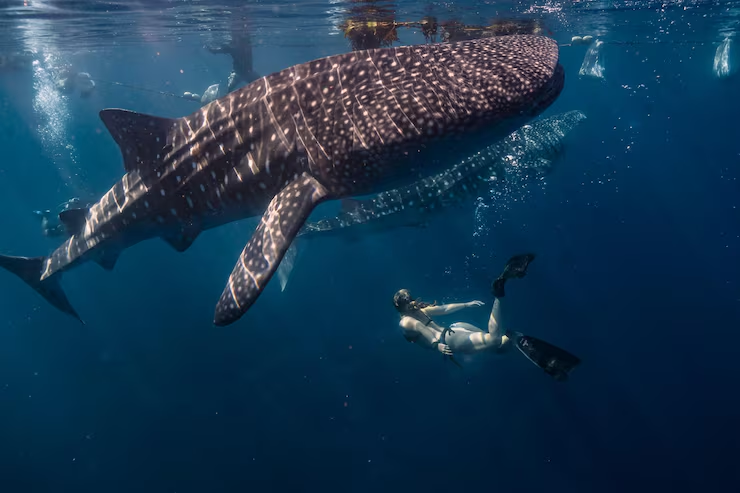
The Gulf of Tadjoura is one of Djibouti’s most famous natural attractions, especially known for seasonal whale shark sightings. These gentle giants migrate through the gulf’s nutrient-rich waters, attracting divers from around the world.
Despite their massive size, whale sharks are harmless, and swimming alongside them is a once-in-a-lifetime experience. The gulf’s waters are also home to dolphins, manta rays, and diverse coral reefs.
Beyond marine life, the gulf offers stunning coastal views, dramatic cliffs, and beautiful beaches. Fishing communities line the coast, providing insight into local maritime traditions.
The Gulf of Tadjoura combines adventure, marine conservation, and scenic beauty, making it one of Djibouti’s most iconic destinations.
8. Tadjoura – The White City
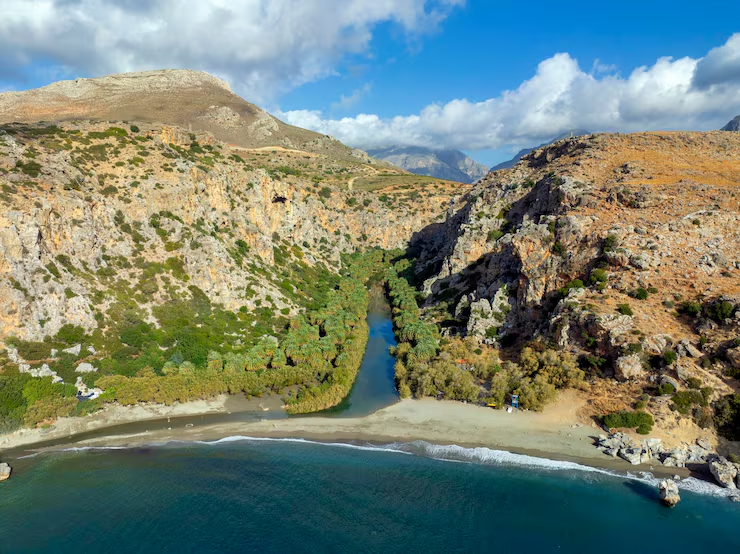
Tadjoura is one of Djibouti’s oldest towns and is often referred to as “The White City” due to its whitewashed buildings. Located along the Gulf of Tadjoura, this historic town has long been a center of trade and culture.
The town’s narrow streets, traditional houses, and small mosques reflect its rich history and Islamic heritage. Tadjoura also serves as a gateway to the northern regions of Djibouti, including the Goda Mountains and Lake Abbe.
Its peaceful beaches and calm coastal atmosphere make it an ideal place for relaxation. The town’s slower pace offers a refreshing contrast to the bustle of Djibouti City.
Tadjoura is perfect for travelers interested in history, culture, and authentic coastal life.
9. Goda Mountains – Scenic Highland Escape
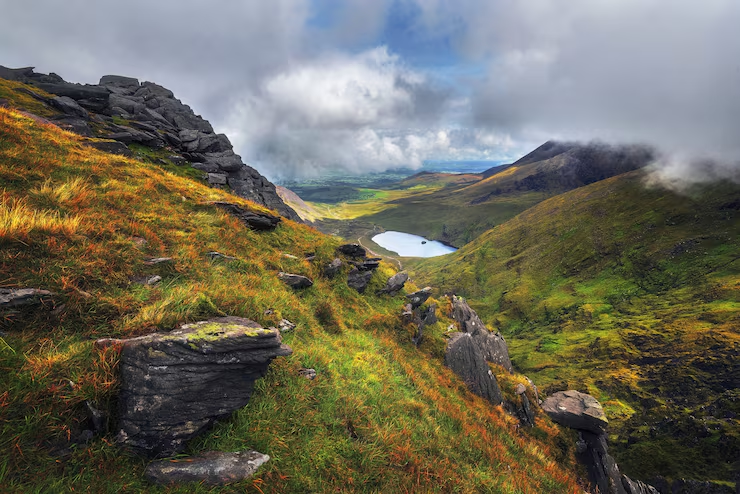
The Goda Mountains rise above Djibouti’s arid landscapes, offering cooler temperatures and breathtaking scenery. This mountainous region is characterized by rugged peaks, deep valleys, and panoramic views of the surrounding deserts and coastline.
The mountains are home to diverse plant life and rare animal species, making them an important ecological area. Hiking trails allow visitors to explore forests, rocky paths, and hidden viewpoints.
Local villages in the Goda Mountains preserve traditional lifestyles, giving visitors a chance to experience Djibouti’s rural culture. The contrast between the green highlands and the arid lowlands is striking.
The Goda Mountains are ideal for travelers seeking nature, adventure, and cooler climates.
10. Arta Beach – A Peaceful Coastal Retreat
Arta Beach is one of Djibouti’s most relaxing seaside destinations, located a short drive from Djibouti City. Known for its clear waters and tranquil atmosphere, it is popular among both locals and visitors.
The beach is ideal for swimming, picnics, and snorkeling near the shore. Palm trees and rocky hills frame the coastline, creating a scenic and peaceful environment.
Small seaside cafes and simple facilities make it easy to spend an entire day here. Unlike more crowded beaches, Arta Beach remains quiet and unspoiled.
Arta Beach offers a perfect escape for travelers looking to unwind by the sea.
11. Khor Ambado Beach – Local Favorite by the Sea
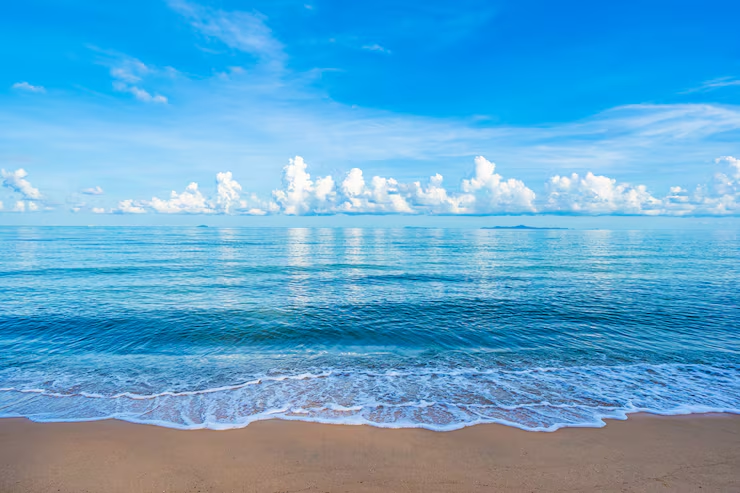
Khor Ambado Beach is one of the most popular beaches among locals in Djibouti City. Known for its clean shoreline, calm waters, and relaxed vibe, this beach is a great place to experience everyday life in Djibouti while enjoying the sea.
The beach is ideal for swimming, picnics, and watching beautiful sunsets over the Gulf of Tadjoura. Families often gather here during weekends, creating a friendly and welcoming atmosphere. The water near the shore is shallow, making it suitable for casual swimming.
Food stalls and small cafés nearby serve local snacks and refreshments, allowing visitors to enjoy authentic flavors while relaxing by the coast. Unlike luxury resorts, Khor Ambado Beach offers a simple, natural setting that highlights Djibouti’s coastal charm.
12. Grand Bara Desert – Vast Open Plains
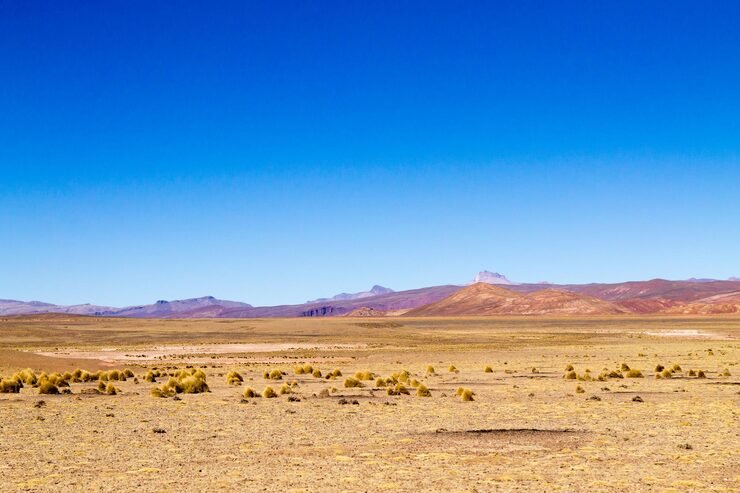
The Grand Bara Desert is a massive, flat desert plain stretching across southern Djibouti. Unlike sandy dunes, this desert is known for its hard, cracked surface, which creates a dramatic and otherworldly landscape.
The desert is famous for hosting car races, endurance events, and even aircraft landings due to its flat terrain. Visitors can explore the area by off-road vehicle and experience the immense silence and scale of Djibouti’s desert environment.
At sunrise and sunset, the desert transforms with golden and reddish hues, making it a favorite spot for photographers. The Grand Bara Desert represents the raw beauty and power of nature in Djibouti.
13. Petit Bara Desert – Compact Desert Beauty
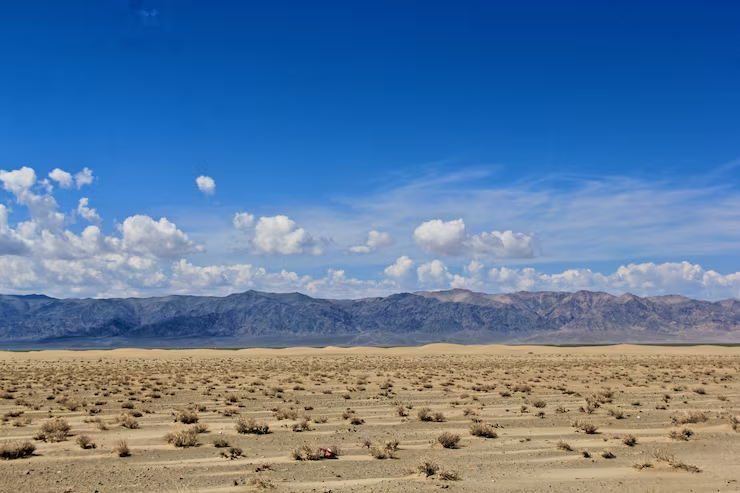
Petit Bara Desert is a smaller version of the Grand Bara Desert but equally captivating. Located nearby, it offers similar flat landscapes and open horizons in a more accessible area.
Because of its size, Petit Bara is easier to explore and ideal for short desert excursions. Visitors can enjoy desert walks, photography, and off-road adventures while still feeling the vastness of the surroundings.
The desert’s simplicity highlights the harsh yet beautiful nature of Djibouti’s terrain. Petit Bara is perfect for travelers wanting a desert experience without venturing too far.
14. Lac Goubet – Volcanic Lagoon
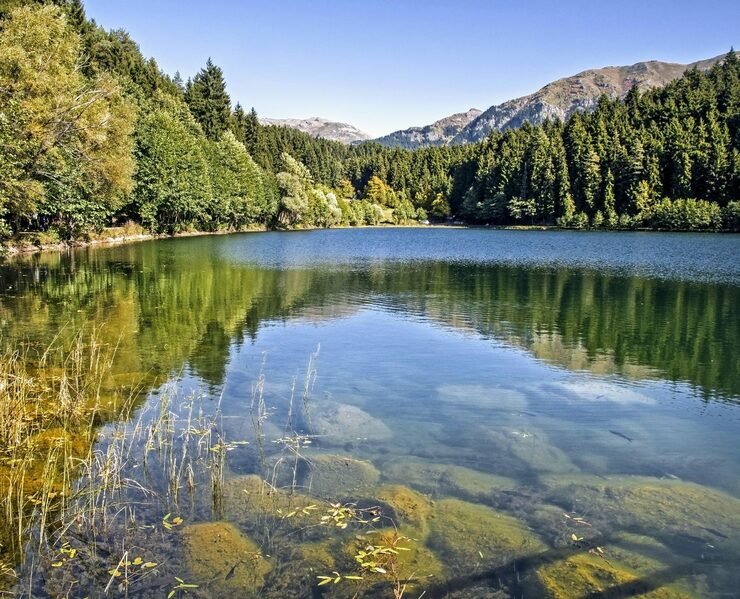
Lac Goubet is a stunning saltwater lagoon connected to the Gulf of Tadjoura. Surrounded by volcanic landscapes and rugged hills, it offers one of the most dramatic natural settings in Djibouti.
The lagoon’s deep blue waters contrast sharply with the dark volcanic rock around it. The area is geologically active, with nearby hot springs and volcanic formations adding to its uniqueness.
Lac Goubet is ideal for sightseeing, photography, and learning about Djibouti’s volcanic origins. Its isolation and untouched environment create a peaceful and mysterious atmosphere.
15. Sable Blanc Beach – White Sand Paradise
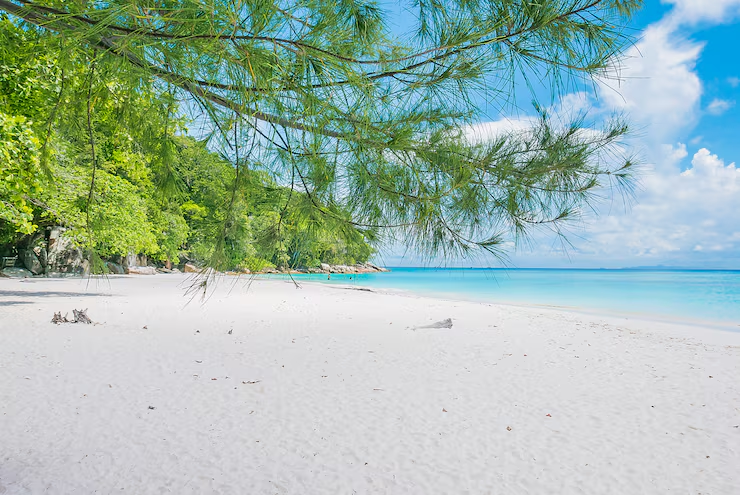
Sable Blanc Beach is known for its striking white sand and crystal-clear waters. Located along the coast, this beach is perfect for snorkeling, swimming, and relaxing under the sun.
The coral reefs near the shore attract colorful fish, making snorkeling rewarding even without diving far out. The beach remains relatively undeveloped, preserving its natural beauty.
Sable Blanc Beach is an excellent destination for travelers looking for a quiet, picturesque seaside escape.
16. Hanlé Plain – Remote Desert Wilderness
The Hanlé Plain is one of Djibouti’s most remote and least explored regions, offering a raw and untouched desert experience. Located in the southeastern part of the country, this vast plain stretches endlessly with dramatic skies, rocky terrain, and complete silence that feels almost surreal.
This area is perfect for adventurous travelers who want to experience Djibouti beyond the usual tourist routes. The landscape is shaped by ancient volcanic activity, giving it a rugged beauty unlike typical sandy deserts. Sunrises and sunsets here are especially stunning, painting the sky in shades of orange, purple, and gold.
Because of its isolation, the Hanlé Plain is also ideal for stargazing. With no light pollution, the night sky appears incredibly clear, revealing countless stars. Visiting this region provides a deep appreciation for Djibouti’s wild and untouched natural environments.
17. Obock – Historic Port Town
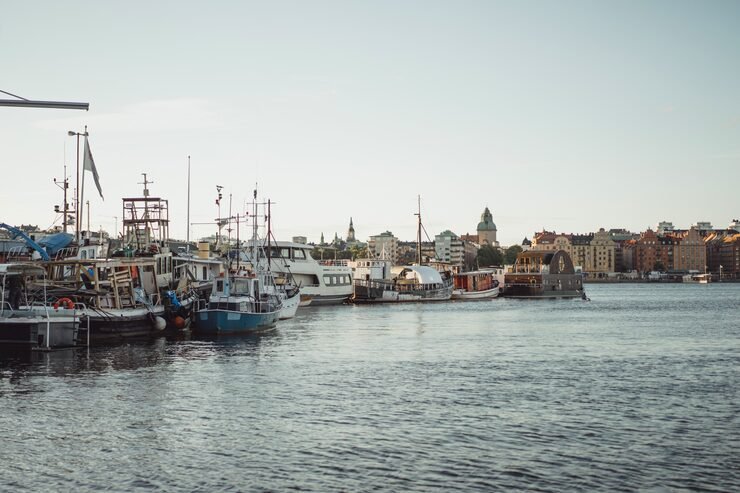
Obock is a historic port town located on the northern coast of Djibouti, facing the Red Sea. It played a significant role during the colonial period and still retains traces of its past through old buildings and port structures.
The town has a quiet, laid-back atmosphere, with fishing boats lining the shore and locals going about their daily routines. Obock’s coastline offers scenic views, calm waters, and opportunities to explore nearby beaches and islands.
As a gateway to the Seven Brothers Islands, Obock is an important stop for divers and marine explorers. Its combination of history, culture, and coastal charm makes it a meaningful destination for travelers interested in Djibouti’s maritime heritage.
18. Seven Brothers Islands – Volcanic Diving Paradise
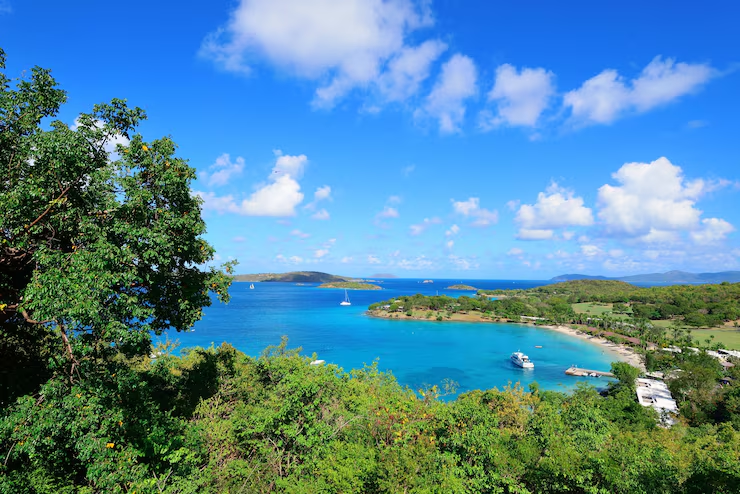
The Seven Brothers Islands are a group of volcanic islands located in the Bab-el-Mandeb Strait. These islands are among the best diving destinations in the region, known for dramatic underwater landscapes and rich marine life.
The surrounding waters are home to sharks, rays, dolphins, and vibrant coral reefs. Strong currents bring nutrients, making this area one of the most biologically active marine zones near Djibouti.
Above water, the islands appear rugged and untouched, emphasizing their volcanic origins. Access is limited, which helps preserve their pristine condition. For divers and adventure seekers, the Seven Brothers Islands represent one of Djibouti’s most extraordinary natural treasures.
19. Ali Sabieh – Rocky Desert Town
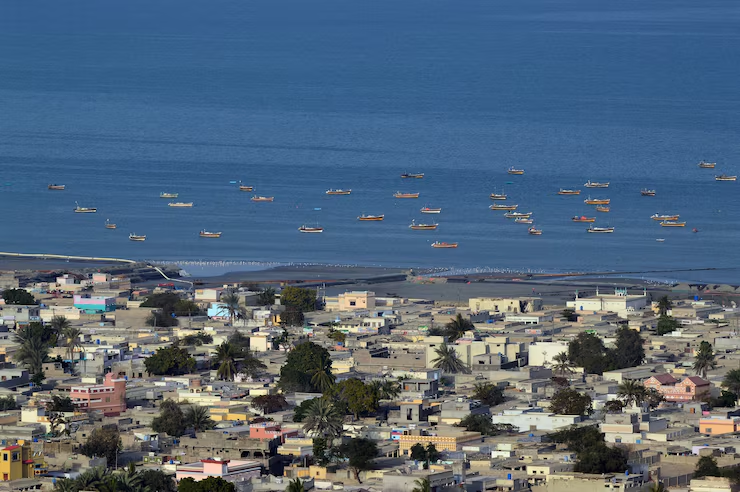
Ali Sabieh is a town located in southern Djibouti, surrounded by striking rocky hills and desert landscapes. The town is an important stop along trade routes connecting Djibouti with neighboring countries.
The scenery around Ali Sabieh is dramatic, with towering rock formations and wide open spaces. This makes it a great destination for landscape photography and cultural exploration. The town itself reflects traditional Djiboutian life, offering insight into local customs and daily routines.
Ali Sabieh provides a glimpse into the resilience and simplicity of life in Djibouti’s interior regions, far from the coastal cities.
20. Forêt du Day – Cool Mountain Forest Reserve
Forêt du Day is a forest reserve located within Day Forest National Park and is one of the few remaining forested areas in Djibouti. Situated in the Goda Mountains, it offers cooler temperatures and lush greenery compared to the country’s arid lowlands.
The forest is home to rare plant species, birdlife, and unique ecosystems that thrive in this elevated environment. Walking trails allow visitors to explore the forest while enjoying panoramic mountain views.
Forêt du Day is an important conservation area and a refreshing escape for nature lovers. It highlights Djibouti’s surprising ecological diversity and serves as a reminder that the country offers far more than deserts and coastlines.