
Now Reading: Top 20 Tourist Places in El Salvador.
-
01
Top 20 Tourist Places in El Salvador.
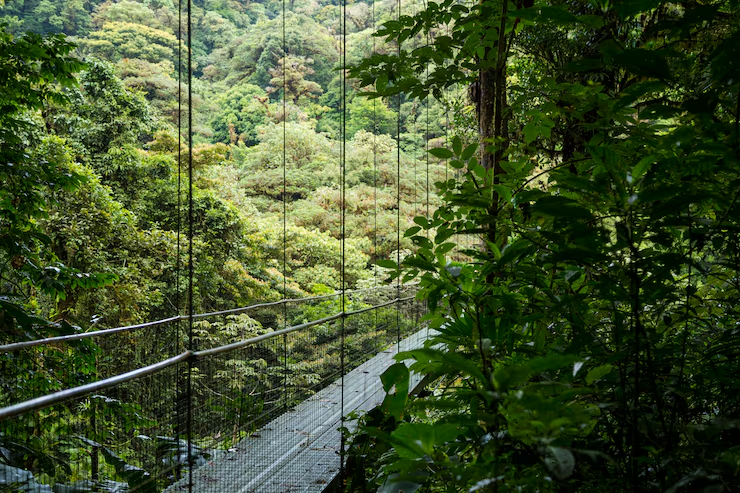
Top 20 Tourist Places in El Salvador.
El Salvador may be the smallest country in Central America, but it is packed with volcanoes, beaches, colonial towns, archaeological treasures, and breathtaking landscapes. Known as the “Land of Volcanoes,” this vibrant nation offers a perfect mix of adventure, culture, history, and natural beauty.
From surfing along the Pacific coast to hiking volcanic craters and exploring ancient Mayan ruins, El Salvador is an underrated gem waiting to be discovered.
1. San Salvador – The Dynamic Capital City
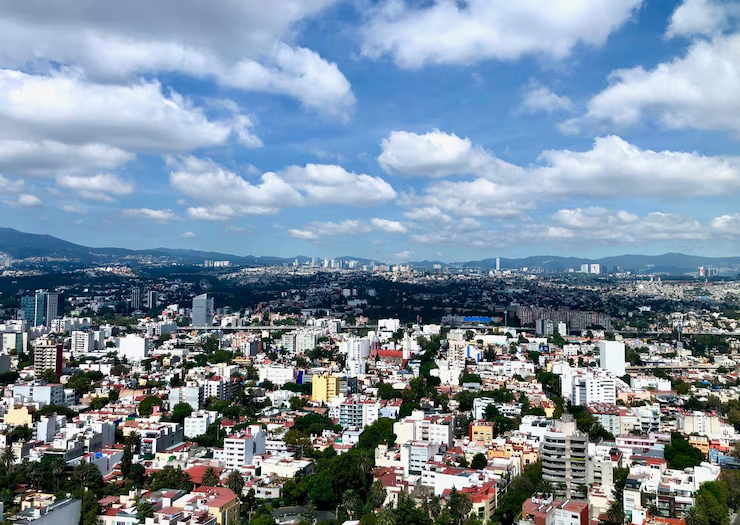
San Salvador, the capital and largest city of El Salvador, is a vibrant mix of history, modern life, and dramatic volcanic scenery. Nestled beneath the impressive San Salvador Volcano, the city offers a striking backdrop that immediately captures attention.
The historic center features Plaza Barrios, the Metropolitan Cathedral, and the National Palace, reflecting the country’s colonial and political history. Museums such as the Museo de Arte de El Salvador (MARTE) and the Museum of the Word and Image provide insight into Salvadoran art, literature, and civil war history.
For panoramic city views, visitors can head to El Boquerón National Park on the slopes of the San Salvador Volcano. The city’s modern side is visible in neighborhoods like Zona Rosa and Escalón, where restaurants, shopping centers, and nightlife create a lively atmosphere.
San Salvador is more than just a capital — it is the cultural heartbeat of the nation.
2. Santa Ana – A Colonial Beauty Surrounded by Nature
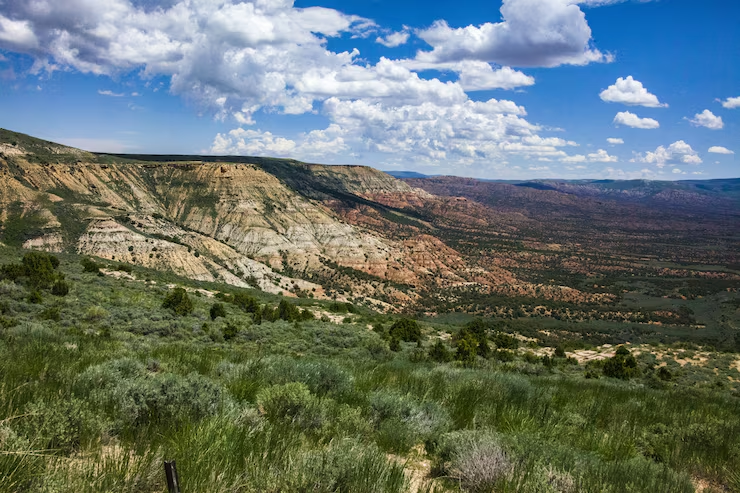
Santa Ana, El Salvador’s second-largest city, is known for its elegant colonial architecture and proximity to some of the country’s most spectacular natural attractions.
The Santa Ana Cathedral dominates the central plaza with its striking white Gothic-style façade. The city center is filled with colorful buildings, lively markets, and local cafés.
Santa Ana also serves as the gateway to the Santa Ana Volcano, Lake Coatepeque, and Cerro Verde National Park. Its cooler climate and relaxed pace make it an ideal base for exploring western El Salvador.
The combination of colonial charm and natural adventure makes Santa Ana a must-visit destination.
3. Santa Ana Volcano (Ilamatepec) – Hike to a Turquoise Crater
Santa Ana Volcano, also known as Ilamatepec, is the highest volcano in El Salvador and one of the most rewarding hikes in the country.
The hike to the summit takes around two hours and passes through forested trails and rocky landscapes. At the top, hikers are rewarded with a stunning emerald-green crater lake inside the volcano.
On clear days, you can see Lake Coatepeque shimmering in the distance, along with other volcanoes stretching across the horizon.
The dramatic scenery and sense of achievement make Santa Ana Volcano one of the top adventure experiences in El Salvador.
4. Lake Coatepeque – A Volcanic Paradise
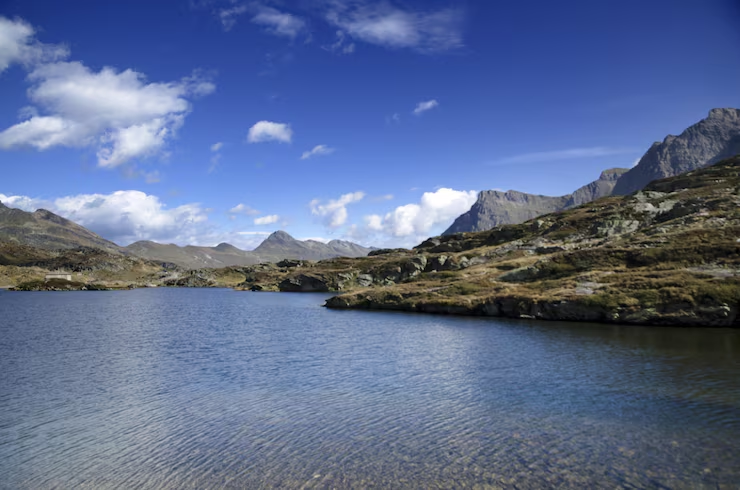
Lake Coatepeque is a breathtaking crater lake formed by a volcanic eruption thousands of years ago. Surrounded by hills and luxury homes, it is one of the most beautiful lakes in Central America.
The calm waters are perfect for swimming, kayaking, jet skiing, and boat tours. Lakeside restaurants offer fresh seafood and stunning sunset views.
Occasionally, the lake mysteriously changes color due to algae blooms and mineral reactions — a fascinating natural phenomenon.
Lake Coatepeque is a peaceful yet vibrant destination ideal for relaxation and water activities.
5. Ruta de las Flores – El Salvador’s Most Scenic Road
The Ruta de las Flores (Route of Flowers) is a picturesque mountain route connecting charming towns, coffee plantations, and waterfalls.
Especially beautiful during flower season, the road winds through lush green hills and vibrant villages. Visitors can stop at artisan markets, taste fresh Salvadoran coffee, and explore local culture.
The route is popular for road trips and weekend escapes, offering cooler mountain air and scenic views.
It represents the colorful, rural charm of El Salvador.
6. Juayúa – The Food Festival Town
Juayúa is one of the highlights along the Ruta de las Flores. This charming mountain town is famous for its weekend gastronomic festival.
Every Saturday and Sunday, the central plaza transforms into a vibrant food market offering grilled meats, seafood, traditional pupusas, and creative local dishes.
Beyond food, Juayúa is surrounded by waterfalls and hiking trails, making it ideal for nature lovers.
The lively atmosphere, combined with authentic flavors, makes Juayúa unforgettable.
7. Ataco – Murals and Mountain Charm
Concepción de Ataco, commonly known as Ataco, is a colorful town filled with vibrant murals and artisan shops.
The streets are lined with painted buildings, handicraft stores, and cozy cafés. The cool mountain climate makes it a pleasant escape from the coastal heat.
Ataco is also known for coffee production, and visitors can tour nearby coffee farms to learn about the process from bean to cup.
Its artistic spirit and relaxed vibe make Ataco one of El Salvador’s most photogenic towns.
8. Suchitoto – Colonial Elegance and Artistic Soul
Suchitoto is often described as the cultural capital of El Salvador. This beautifully preserved colonial town sits on a hillside overlooking Lake Suchitlán, offering stunning sunset views and peaceful cobblestone streets.
Walking through Suchitoto feels like stepping into another era. Whitewashed buildings, red-tiled roofs, and narrow streets create a romantic and timeless atmosphere. The Santa Lucía Church dominates the central plaza, standing as the town’s architectural centerpiece.
Beyond its beauty, Suchitoto has a strong artistic identity. It is home to art galleries, cultural centers, poetry festivals, and music events throughout the year. After the Salvadoran Civil War, the town experienced a cultural revival and became a symbol of peace and creativity.
Visitors can take boat tours on Lake Suchitlán to observe birdlife or simply enjoy lakeside restaurants serving fresh local cuisine. Suchitoto offers a slower pace of travel — ideal for those seeking culture, history, and reflection.
9. Joya de Cerén – The “Pompeii of the Americas”
Joya de Cerén is one of the most important archaeological sites in Central America and a UNESCO World Heritage Site. Often called the “Pompeii of the Americas,” this ancient Mayan farming village was buried under volcanic ash around 600 AD.
Unlike many archaeological sites focused on temples and royal structures, Joya de Cerén reveals the daily life of ordinary Mayan people. Excavations uncovered homes, kitchens, tools, and even preserved crops.
This remarkable preservation provides historians with rare insight into ancient agricultural practices and community living. Visitors can walk through protected excavation areas and learn about Mayan culture through informative exhibits.
Joya de Cerén is not just a historical site — it’s a window into everyday life over a thousand years ago.
10. Tazumal – Echoes of the Ancient Maya
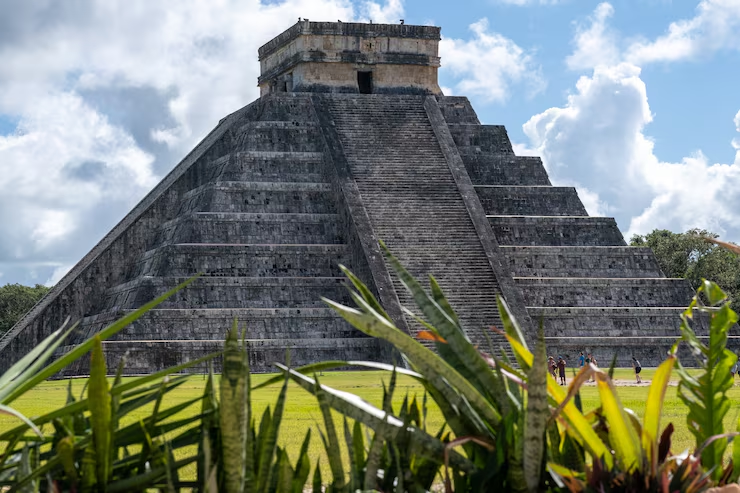
Tazumal is another significant Mayan archaeological site located near Santa Ana. Dating back to around 100 AD, it features pyramids, ceremonial platforms, and tombs.
The main pyramid rises impressively above the surrounding landscape, reminding visitors of El Salvador’s deep pre-Columbian roots. Archaeologists have discovered artifacts including jade ornaments, pottery, and evidence of long-distance trade with other Mesoamerican civilizations.
A small museum on-site displays many of these findings, helping visitors understand the spiritual and social importance of the site.
Tazumal highlights the advanced architectural and cultural achievements of the ancient Maya and stands as one of El Salvador’s most important heritage landmarks.
11. El Tunco – Surf, Sunsets, and Nightlife
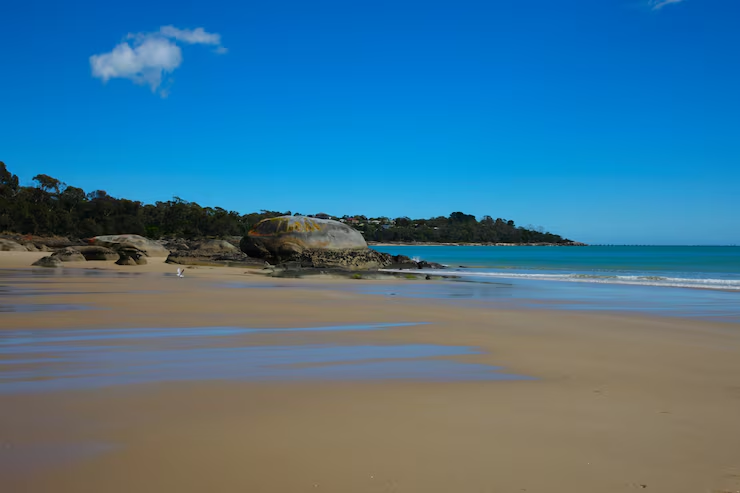
El Tunco is El Salvador’s most famous beach town, attracting surfers, backpackers, and international travelers. Located along the Pacific Coast, it is known for its consistent waves and laid-back atmosphere.
By day, surfers ride the breaks while others relax on black-sand beaches or enjoy oceanfront cafés. The sunsets here are particularly spectacular, painting the sky in orange and purple hues.
By night, El Tunco transforms into a lively social hub with beach bars, music, and a festive vibe. Despite its popularity, the town maintains a relaxed and welcoming spirit.
El Tunco perfectly blends adventure and nightlife, making it one of the country’s top coastal destinations.
12. El Sunzal – A Surfer’s Dream
Just minutes from El Tunco lies El Sunzal, one of the best surf beaches in Central America. Known for its long right-hand point break, it attracts surfers from around the world.
Unlike the party atmosphere of El Tunco, El Sunzal feels calmer and more focused on surf culture. The beach is lined with surf schools, eco-lodges, and seafood restaurants.
Even non-surfers can enjoy relaxing on the rocky shoreline or watching experienced surfers glide across the waves.
El Sunzal represents El Salvador’s growing reputation as a global surf destination — so much so that the country has hosted international surf competitions in recent years.
13. Costa del Sol – Long Stretches of Golden Sand
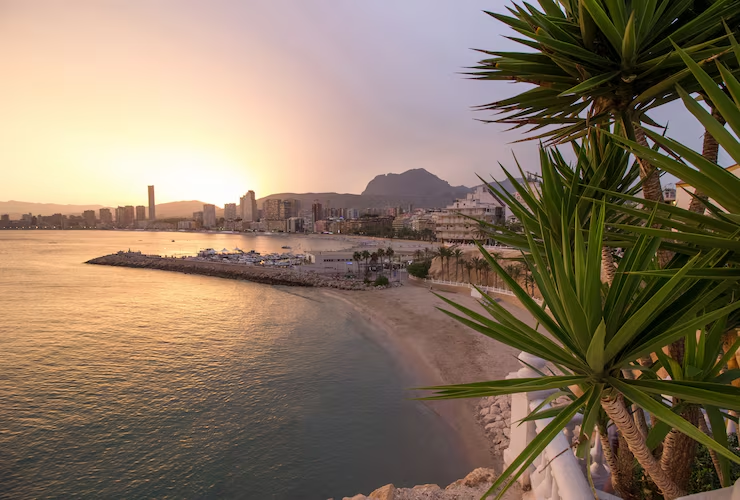
Costa del Sol is one of El Salvador’s most popular beach destinations for locals. Located about an hour from San Salvador, it features long sandy shores and calm coastal waters.
The beach area includes resorts, vacation homes, and waterfront restaurants serving fresh seafood such as grilled fish and shrimp cocktails.
It’s a favorite weekend getaway for Salvadoran families looking to escape the city. Boat tours through nearby mangroves add an eco-tourism element to the experience.
Costa del Sol offers a more traditional beach vacation setting compared to the surf-heavy beaches further west.
14. La Libertad – Coastal Flavor and Fresh Seafood
La Libertad is both a coastal town and an important port city. It’s famous for its seafood market and fishing pier, where visitors can watch fishermen bring in the day’s catch.
The malecón (boardwalk) is a great place to stroll, enjoy ocean views, and sample freshly prepared ceviche. The town also serves as a gateway to several surf beaches in the region.
La Libertad combines working port culture with relaxed coastal tourism. It feels authentic and less commercial than many beach towns in other countries.
For travelers wanting local flavor alongside beautiful ocean scenery, La Libertad delivers.
15. Perquín – A Window into El Salvador’s Civil War History
Perquín is a small mountain town in the Morazán department, known for its cool climate and deep historical significance. During El Salvador’s Civil War (1980–1992), this region was a stronghold for guerrilla forces.
Today, Perquín is home to the Museum of the Revolution, where visitors can learn about the country’s turbulent past through photographs, documents, and preserved wartime artifacts. The museum provides important context about the conflict and the journey toward peace.
Beyond its history, Perquín offers beautiful mountain landscapes, pine forests, and scenic viewpoints. The peaceful surroundings stand in contrast to its past, symbolizing resilience and healing.
For travelers interested in modern history and cultural understanding, Perquín offers a powerful and educational experience.
16. El Imposible National Park – Wild and Untamed Beauty
El Imposible National Park is the largest national park in El Salvador and one of its most biodiverse regions. Located near the Guatemalan border, the park protects tropical forests, rivers, and rare wildlife.
The name “El Imposible” (“The Impossible”) comes from a steep gorge that once made transportation through the area extremely difficult. Today, it is a paradise for hikers and nature lovers.
Visitors can explore challenging trails, cross hanging bridges, and spot wildlife such as toucans, deer, and even pumas. The park is also home to hundreds of plant species and colorful butterflies.
El Imposible represents El Salvador’s commitment to conservation and eco-tourism, offering a raw and adventurous outdoor experience.
17. Montecristo National Park – The Enchanted Cloud Forest
Montecristo National Park, located near the borders of Honduras and Guatemala, is a magical cloud forest reserve. The cool, misty environment creates an almost mystical atmosphere.
The park forms part of the Trifinio Biosphere Reserve, a protected region shared by three countries. Dense forests, moss-covered trees, and rare orchids dominate the landscape.
Hiking trails lead through foggy woods where visitors might spot exotic birds and small mammals. The biodiversity here is remarkable due to the unique climate and elevation.
Montecristo offers a completely different ecosystem compared to El Salvador’s beaches and volcanoes, making it a must-visit for nature enthusiasts.
18. Los Cóbanos – Marine Life and Coral Reefs
Los Cóbanos is one of El Salvador’s hidden coastal gems. Unlike many Pacific beaches known for strong surf, Los Cóbanos is famous for its coral reefs and marine biodiversity.
It is one of the few places in El Salvador suitable for snorkeling and scuba diving. Visitors can explore underwater rock formations and observe tropical fish.
The beach itself is peaceful and less crowded than more popular surf destinations. Small eco-lodges and rustic accommodations enhance the tranquil atmosphere.
Los Cóbanos is ideal for travelers seeking relaxation and marine exploration in a quieter setting.
19. Cerro Verde National Park – Volcano Views in Every Direction
Cerro Verde National Park sits between several impressive volcanoes, including Santa Ana, Izalco, and Cerro Verde itself.
From designated viewpoints, visitors can see Lake Coatepeque and multiple volcanic peaks rising dramatically from the landscape. The park offers hiking trails through cool forests and open grassy areas.
Izalco Volcano, once nicknamed the “Lighthouse of the Pacific” because of its frequent eruptions, stands prominently nearby.
Cerro Verde provides one of the best panoramic experiences in El Salvador and showcases why the country is known as the “Land of Volcanoes.”
20. Conchagua Volcano – Overlooking the Gulf of Fonseca
Conchagua Volcano rises above the Gulf of Fonseca in eastern El Salvador. Though less visited than Santa Ana Volcano, it offers equally stunning views.
From the summit area, visitors can see across the Gulf to neighboring Honduras and Nicaragua. The landscape includes forested slopes and coastal scenery stretching toward the Pacific.
The region around Conchagua remains relatively untouched, making it ideal for adventurous travelers seeking off-the-beaten-path destinations.
As one of El Salvador’s quieter volcanic experiences, Conchagua provides a peaceful and scenic conclusion to exploring the country’s natural wonders.
Final Thoughts: Why El Salvador Deserves Your Attention
El Salvador may be small in size, but it offers extraordinary diversity. Within just a few hours of travel, you can hike an active volcano, swim in a crater lake, explore Mayan ruins, relax on a surf beach, and wander through colonial towns.
The country’s friendly people, growing tourism infrastructure, and rich culture make it increasingly attractive to international travelers. Its volcanic landscapes, Pacific coastline, and cultural heritage combine to create unforgettable experiences.
From San Salvador’s urban energy to the peaceful shores of Los Cóbanos and the dramatic heights of Santa Ana Volcano, El Salvador proves that big adventures can come in small countries.