
Now Reading: Top 20 Tourist Places in Eswatini
-
01
Top 20 Tourist Places in Eswatini
Top 20 Tourist Places in Eswatini
1. Mbabane – The Scenic Highland Capital of Eswatini
Mbabane, the capital city of Eswatini, sits gracefully among rolling green hills in the western highlands of the country. Unlike large and chaotic African capitals, Mbabane feels calm, compact, and intimately connected to nature. Surrounded by forested mountains and winding valleys, the city enjoys a cooler climate compared to Eswatini’s lowveld regions, making it a pleasant base for exploration.
Founded during British colonial rule in 1902, Mbabane was named after Chief Mbabane Kunene. Though it serves as the administrative capital, it maintains a relaxed small-town atmosphere rather than the hustle of a major metropolis.
The city center includes government buildings, shopping centers, markets, and cultural spaces. Swazi Market is a must-visit destination for travelers looking to experience local life. Here, artisans sell handmade crafts, woven baskets, beadwork, wooden carvings, and colorful textiles. The market offers insight into Eswatini’s artistic traditions and provides opportunities to support local communities.
Mbabane is also a gateway to nature. Its location makes it ideal for exploring nearby attractions such as Sibebe Rock and Malolotja Nature Reserve. The surrounding hills provide excellent hiking opportunities with panoramic views over valleys and distant peaks.
Despite modernization, Mbabane retains strong cultural roots. Traditional Swazi ceremonies, including Umhlanga (Reed Dance) and Incwala (Kingship Ceremony), are celebrated nationally, and the city plays a role in organizing these major cultural events.
Evenings in Mbabane are peaceful, often spent at cozy restaurants or lodges overlooking mountain scenery. The city’s laid-back rhythm allows visitors to ease into Eswatini’s lifestyle.
Mbabane may not overwhelm with skyscrapers or grand monuments, but its charm lies in its setting — a capital embraced by nature and grounded in Swazi identity.
2. Lobamba – The Royal and Cultural Heart of Eswatini
While Mbabane serves as the administrative capital, Lobamba is the traditional and royal capital of Eswatini. Located in the Ezulwini Valley, Lobamba holds deep cultural and political significance as the home of the Swazi monarchy.
Lobamba houses the Royal Palace and the Parliament building, symbolizing both traditional authority and modern governance. It is here that important national ceremonies take place, including the famous Umhlanga Reed Dance, where thousands of young women gather annually in a vibrant cultural celebration.
The town is small but rich in meaning. It represents the enduring strength of Swazi customs and monarchy, one of Africa’s last absolute monarchies. Visitors gain insight into Eswatini’s unique political structure, where tradition and modern state systems coexist.
The National Museum, located in Lobamba, offers an introduction to Swazi history, culture, and heritage. Exhibits include traditional artifacts, historical photographs, and explanations of royal ceremonies.
Lobamba is more than a town — it is a symbol of national identity. It stands as a place where history, tradition, and royal authority remain central to Eswatini’s way of life.
3. Mantenga Cultural Village – Preserving Swazi Traditions
The Mantenga Cultural Village, located near Lobamba, offers one of the most immersive cultural experiences in Eswatini. Designed as a living museum, the village recreates a traditional Swazi homestead from the 19th century.
Visitors are guided through authentic huts arranged in a circular formation, reflecting traditional Swazi settlement design. Each hut has a specific purpose — cooking, sleeping, storage, or gathering — and guides explain the social structure and customs of Swazi society.
One of the highlights of visiting Mantenga is the traditional dance performance. Men and women dressed in colorful attire perform energetic dances accompanied by rhythmic drumming and singing. These performances reflect stories of courtship, celebration, and warrior heritage.
The village offers insight into marriage customs, family roles, agricultural practices, and traditional healing methods. Unlike static museum exhibits, Mantenga is interactive and educational.
For travelers seeking to understand Eswatini beyond wildlife, Mantenga Cultural Village provides a meaningful introduction to Swazi identity and heritage.
4. Mantenga Falls – A Scenic Highland Waterfall
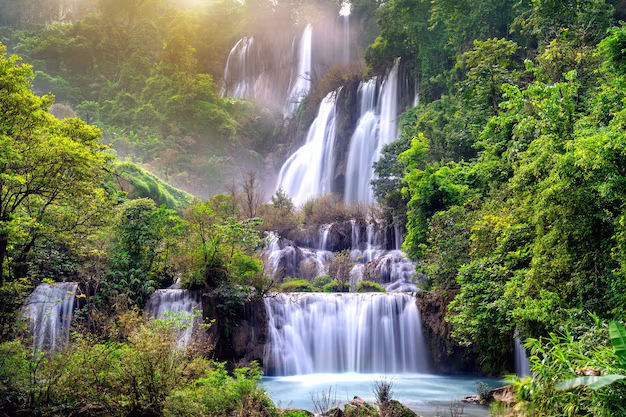
Located within the Mantenga Nature Reserve, Mantenga Falls is one of Eswatini’s most beautiful natural attractions. The waterfall cascades dramatically over layered rock formations into a deep pool below, surrounded by lush vegetation and rocky cliffs.
The hike to the falls is relatively short and accessible, making it suitable for most visitors. Along the trail, panoramic viewpoints offer sweeping views of the Ezulwini Valley.
During the rainy season, the waterfall becomes especially powerful, creating mist that glistens in the sunlight. The surrounding reserve is home to small antelope, baboons, and diverse birdlife.
Mantenga Falls combines natural beauty with accessibility, making it one of the country’s most photographed landmarks.
5. Mlilwane Wildlife Sanctuary – Eswatini’s Pioneer Conservation Area
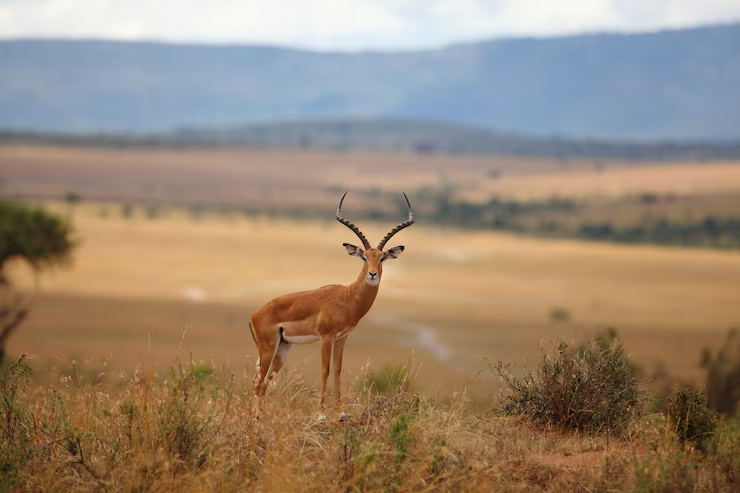
Mlilwane Wildlife Sanctuary, located in the Ezulwini Valley, was Eswatini’s first protected conservation area. Established in the 1960s, the sanctuary played a critical role in restoring wildlife populations in the country.
Unlike large safari parks focused on big predators, Mlilwane offers a peaceful wildlife experience. Visitors can walk, cycle, or ride horses among zebras, wildebeest, impalas, warthogs, and antelope species.
The sanctuary’s landscapes include open grasslands, forested hills, and wetlands. Nyonyane Mountain, also known as “Execution Rock,” towers dramatically above the reserve and provides hiking opportunities with panoramic views.
Mlilwane emphasizes eco-tourism and environmental education. Visitors often stay in traditional-style huts or eco-lodges within the sanctuary.
The reserve offers a unique safari experience — one where wildlife can be observed up close without the barrier of a vehicle.
6. Hlane Royal National Park – Eswatini’s Ultimate Big Game Experience
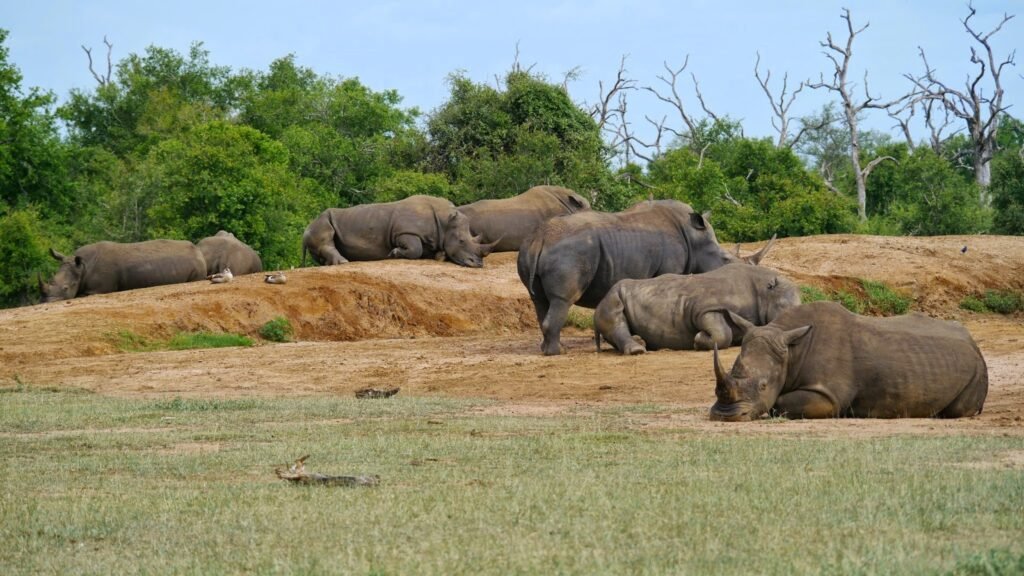
Hlane Royal National Park is the largest protected wildlife area in Eswatini and the country’s premier safari destination. Located in the lowveld region near the Mozambican border, Hlane covers vast savannah plains dotted with ancient hardwood trees and waterholes that attract abundant wildlife.
“Hlane” means “wilderness” in siSwati, and the name perfectly describes the park’s untamed atmosphere. Once the private hunting ground of the Swazi royal family, the area was transformed into a conservation park to protect endangered species and preserve natural ecosystems.
Hlane is most famous for its population of lions, elephants, and white rhinos. It is one of the few places in Eswatini where visitors can encounter Africa’s iconic big game species. Guided game drives provide opportunities to see herds of elephants moving across open plains, rhinos grazing near waterholes, and lions resting in shaded grasslands.
Unlike busier safari destinations in neighboring countries, Hlane offers a quieter, more intimate wildlife experience. The park’s landscape is dominated by flat grasslands, which make wildlife spotting easier compared to dense forests.
Birdlife is equally impressive. Raptors, vultures, hornbills, and kingfishers are commonly seen, especially near water sources.
Accommodation options inside the park range from traditional-style huts to comfortable lodges, allowing visitors to stay immersed in nature. Evenings are peaceful, often accompanied by distant lion roars echoing through the savannah.
Hlane Royal National Park represents Eswatini’s commitment to conservation and provides one of Southern Africa’s most rewarding small-country safari experiences.
7. Mkhaya Game Reserve – A Sanctuary for Endangered Species
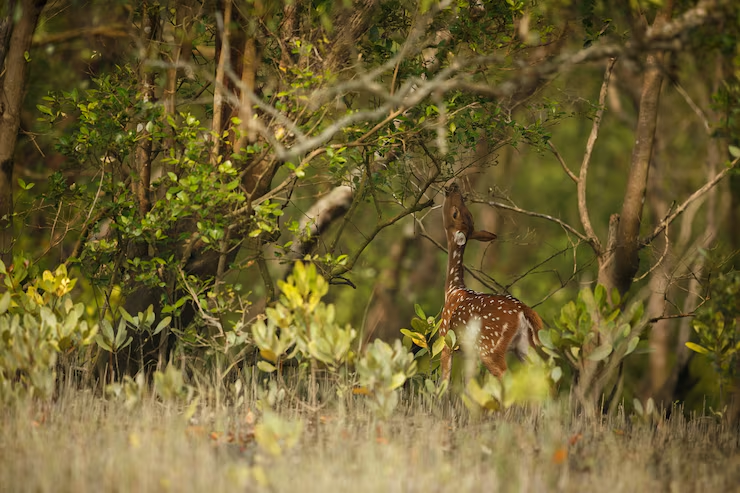
Mkhaya Game Reserve is a privately managed conservation area renowned for its strong focus on protecting endangered wildlife. Located in Eswatini’s lowveld, Mkhaya offers a more exclusive and conservation-driven safari experience.
The reserve is particularly famous for its successful breeding programs for black and white rhinos. Due to strong anti-poaching efforts and careful management, Mkhaya has become one of the safest refuges for rhinos in Southern Africa.
Unlike traditional national parks where visitors drive themselves, safaris in Mkhaya are conducted exclusively with experienced guides in open vehicles. This ensures safety while enhancing wildlife education.
The reserve’s ecosystem consists of acacia woodlands, riverine forests, and open savannah. Besides rhinos, visitors may see buffalo, giraffe, kudu, hippos, and numerous bird species.
Accommodation in Mkhaya is designed in a rustic yet elegant style, often described as “luxury in the bush.” Stone-and-thatch cottages blend into the environment while maintaining comfort.
Mkhaya is not about large crowds or busy tourist routes. It is about conservation, protection, and experiencing Africa’s wildlife in a responsible and intimate setting.
8. Malolotja Nature Reserve – Adventure in the Highland Wilderness
Malolotja Nature Reserve is one of Eswatini’s most spectacular highland regions. Located in the northwest near the South African border, the reserve covers rugged mountains, deep valleys, waterfalls, and grasslands.
This is Eswatini’s premier hiking destination. Trails range from short scenic walks to challenging multi-day treks through dramatic mountain terrain. The reserve is home to Malolotja Falls, one of the highest waterfalls in the country.
Adventure seekers can experience the Malolotja Canopy Tour, a zipline adventure that takes visitors across forested valleys and over rushing streams. It is one of Southern Africa’s top canopy experiences.
The reserve supports diverse plant life and rare species, including endangered antelope and over 280 bird species. Its cooler highland climate makes it ideal for outdoor exploration.
Malolotja feels wild and untouched. There are no large commercial developments — only nature, silence, and expansive views.
For travelers seeking eco-tourism and outdoor adventure, Malolotja is a must-visit destination in Eswatini.
9. Ngwenya Glass Factory – Art, Recycling, and Craftsmanship
Ngwenya Glass Factory, located near Mbabane, is one of Eswatini’s most unique attractions. Established in 1987, the factory is internationally recognized for its beautiful handmade glass products crafted entirely from recycled glass.
Visitors can watch skilled artisans transform recycled bottles into elegant vases, animal figurines, bowls, and decorative pieces. The glass-blowing process is fascinating to observe — molten glass shaped carefully with traditional techniques.
Beyond craftsmanship, Ngwenya Glass supports local employment and sustainable practices. It is a shining example of eco-friendly business in Africa.
The complex also includes craft shops, cafés, and art galleries showcasing local Swazi artwork.
For travelers interested in creative industries and responsible tourism, Ngwenya Glass Factory offers a refreshing cultural stop.
10. Ngwenya Mine – One of the World’s Oldest Mining Sites
Ngwenya Mine, located near the Ngwenya border post, is believed to be one of the oldest known mining sites in the world. Archaeological evidence suggests iron ore was extracted here over 40,000 years ago during the Stone Age.
Later, the mine was used for iron smelting during the Iron Age and eventually for commercial mining in the 20th century.
Today, visitors can explore parts of the historic site and view the enormous open-pit excavation left behind by modern mining operations. Interpretive signage explains the site’s archaeological significance.
Standing at Ngwenya Mine offers a powerful reminder of humanity’s long relationship with natural resources. It is both a geological landmark and a historical treasure.
For history enthusiasts, Ngwenya Mine represents one of Eswatini’s most fascinating ancient sites.
11. Ezulwini Valley – The “Valley of Heaven”
Ezulwini Valley, meaning “Valley of Heaven” in siSwati, is one of the most beautiful and culturally significant regions in Eswatini. Stretching between Mbabane and Lobamba, this lush valley serves as the country’s tourism heartland, blending luxury, culture, and natural beauty into one scenic corridor.
Surrounded by rolling green hills and dramatic mountain backdrops, Ezulwini offers a softer and more picturesque landscape compared to the drier lowveld. Its central location makes it a convenient base for exploring many of Eswatini’s major attractions, including Mlilwane Wildlife Sanctuary, Mantenga Cultural Village, and the Royal residences in Lobamba.
The valley is home to some of Eswatini’s finest hotels, eco-lodges, and guesthouses. From boutique retreats overlooking misty hills to larger resort-style accommodations, Ezulwini caters to a variety of travelers seeking comfort within a natural setting.
Beyond its scenic charm, Ezulwini is rich in culture. Traditional markets offer handmade crafts, woven baskets, beadwork, and colorful Swazi textiles. Local artisans proudly display their skills, keeping cultural traditions alive through craftsmanship.
The valley also serves as a venue for national ceremonies and celebrations. During major events such as the Umhlanga Reed Dance, Ezulwini becomes a vibrant gathering place filled with music, color, and traditional dress.
Outdoor enthusiasts will find plenty to enjoy as well. Hiking trails wind through nearby hills, offering panoramic views of the valley below. Wildlife sanctuaries in the area provide opportunities for close encounters with zebras, antelope, and birdlife.
Ezulwini Valley perfectly represents Eswatini’s identity — peaceful, scenic, culturally proud, and deeply connected to nature.
12. Sibebe Rock – One of the World’s Largest Granite Domes
Sibebe Rock is one of Eswatini’s most extraordinary natural landmarks. Rising dramatically from the surrounding landscape near Mbabane, Sibebe is considered one of the largest exposed granite domes in the world.
This massive geological formation was created millions of years ago through volcanic activity and erosion. Today, it stands as a towering monolith of smooth rock surfaces and rugged textures.
Hiking to the summit of Sibebe Rock is a popular adventure. The climb requires moderate effort but rewards hikers with breathtaking panoramic views of valleys, distant hills, and the city of Mbabane below. Early morning climbs are particularly magical, as sunlight paints the landscape in golden hues.
The area surrounding Sibebe is rich in birdlife and indigenous plants. The rock also holds cultural significance, as local communities associate it with legends and spiritual meaning.
Unlike many heavily commercialized landmarks, Sibebe retains a raw and natural atmosphere. There are no major tourist developments — just the vast granite dome rising against the sky.
For adventure seekers and nature lovers, Sibebe Rock offers one of the most unique hiking experiences in Southern Africa.
13. Maguga Dam – A Scenic Mountain Reservoir
Maguga Dam is a stunning reservoir nestled among Eswatini’s northwestern mountains. Built on the Komati River, the dam plays a crucial role in water supply and hydroelectric power generation, but it is also a growing destination for relaxation and scenic beauty.
Surrounded by dramatic hills and deep valleys, the reservoir creates a peaceful lakeside environment perfect for photography and quiet escapes. The winding road leading to Maguga offers spectacular viewpoints overlooking the shimmering water.
Visitors can enjoy boat rides, fishing, and lakeside picnics. The area is less crowded than major tourist hubs, making it ideal for travelers seeking tranquility.
Maguga Dam also serves as a gateway to nearby attractions such as Piggs Peak and Malolotja Nature Reserve. Its highland location means cooler temperatures and refreshing mountain air.
As the sun sets behind surrounding hills, the reservoir reflects vibrant colors across its calm surface — a truly serene experience.
14. Phophonyane Falls Nature Reserve – A Hidden Eco-Paradise
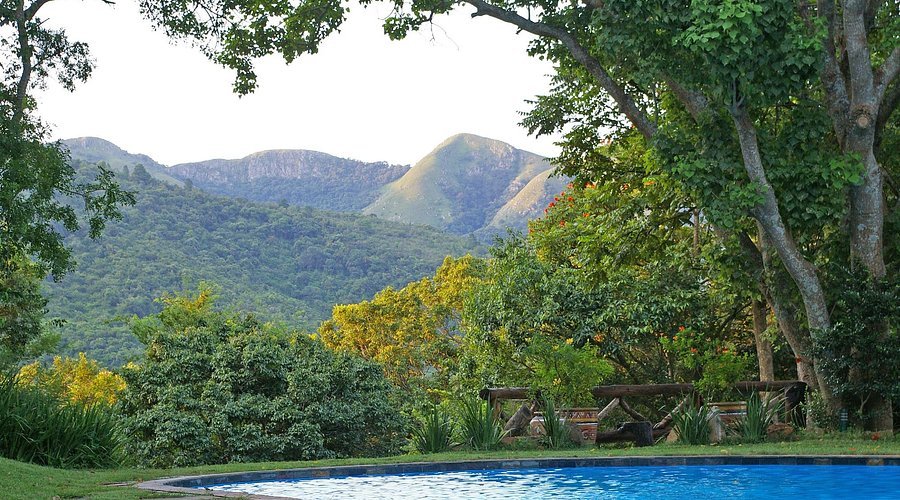
Phophonyane Falls Nature Reserve is one of Eswatini’s most enchanting hidden gems. Located near Piggs Peak in the northwest, this eco-reserve combines waterfalls, lush forests, and sustainable tourism.
The highlight of the reserve is the cascading Phophonyane Falls, which flows through dense vegetation and rocky terrain. Several hiking trails lead to scenic viewpoints and natural pools.
The reserve is home to diverse bird species, butterflies, and indigenous plants. Guided nature walks provide insight into local ecosystems and conservation efforts.
Accommodation in Phophonyane emphasizes eco-friendly principles. Rustic lodges and tented camps blend harmoniously into the environment, offering comfort while minimizing environmental impact.
Phophonyane feels secluded and untouched — a place where visitors can disconnect from modern distractions and reconnect with nature.
15. Shewula Mountain Camp – Community-Based Eco-Tourism
Shewula Mountain Camp is a remarkable example of community-run tourism in Eswatini. Located high in the Lubombo Mountains, the camp offers sweeping views over valleys stretching toward Mozambique.
The camp is owned and operated by the local Shewula community, with profits supporting village development projects such as schools and healthcare initiatives.
Visitors stay in traditional-style huts built with natural materials, yet designed for comfort. The atmosphere is welcoming and authentic.
Guided village tours introduce travelers to local lifestyles, agricultural practices, and cultural traditions. Hiking trails lead through mountain landscapes rich in plant life and bird species.
Shewula Mountain Camp offers more than scenery — it offers connection. Guests leave not only with photographs but with meaningful cultural experiences.
16. Hawane Dam – A Peaceful Highland Escape
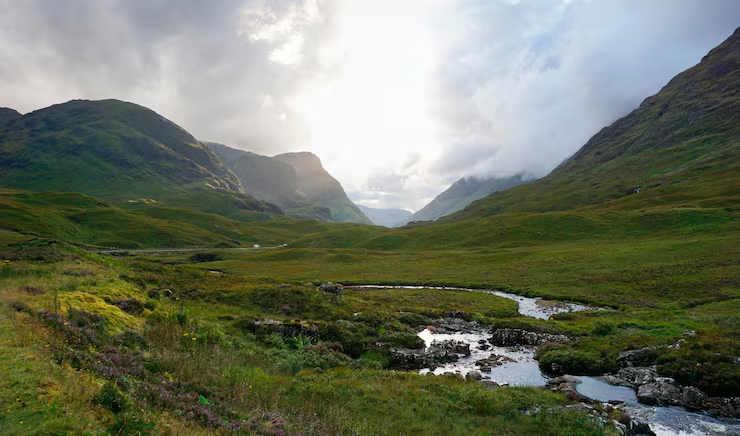
Hawane Dam is one of Eswatini’s most tranquil and scenic freshwater reservoirs, located in the cool highlands northwest of Mbabane. Surrounded by rolling hills, pine forests, and open grasslands, Hawane offers a peaceful retreat away from busy tourist routes.
Originally constructed as a water supply dam, Hawane has evolved into a recreational and eco-tourism destination. The surrounding Hawane Resort area makes it particularly attractive for nature lovers and families seeking a quiet getaway.
The dam’s calm waters reflect the surrounding mountains, creating postcard-worthy scenery, especially during sunrise and sunset. Early mornings are often misty, giving the landscape a dreamlike atmosphere.
Hawane Dam is particularly popular for birdwatching. The wetland environment attracts a variety of waterbirds, including herons, kingfishers, and cormorants. For photography enthusiasts, the reflections and natural lighting provide excellent opportunities.
Outdoor activities include kayaking, fishing, hiking, and mountain biking. The nearby trails are suitable for both casual walkers and more adventurous hikers.
Unlike larger African lakes crowded with tourism infrastructure, Hawane retains a peaceful charm. It is ideal for travelers who value silence, fresh air, and natural beauty.
Hawane Dam represents Eswatini’s softer, more contemplative side — a destination for rest, reflection, and scenic relaxation.
17. Piggs Peak – Gateway to Forest Adventures
Piggs Peak is a small highland town located in northwestern Eswatini, close to the South African border. Originally developed as a mining settlement, Piggs Peak has transformed into a quiet gateway for eco-tourism and forest exploration.
The town sits amid lush mountains and cooler highland climates, making it a refreshing escape from the warmer lowveld regions.
Piggs Peak serves as the main access point to attractions like Phophonyane Falls Nature Reserve and Malolotja Nature Reserve. Its elevated location offers sweeping views of valleys and forests stretching across the landscape.
Visitors come here primarily for outdoor activities. Hiking trails, birdwatching spots, and scenic drives dominate the experience. The surrounding forests are home to indigenous plant species and diverse wildlife.
Though small, Piggs Peak offers essential accommodations, guesthouses, and local dining options. It maintains a relaxed, small-town atmosphere.
The region’s quiet charm and access to natural wonders make Piggs Peak an important stop for eco-travelers exploring Eswatini’s northern highlands.
18. Big Bend – Agricultural Heartland and Wildlife Access
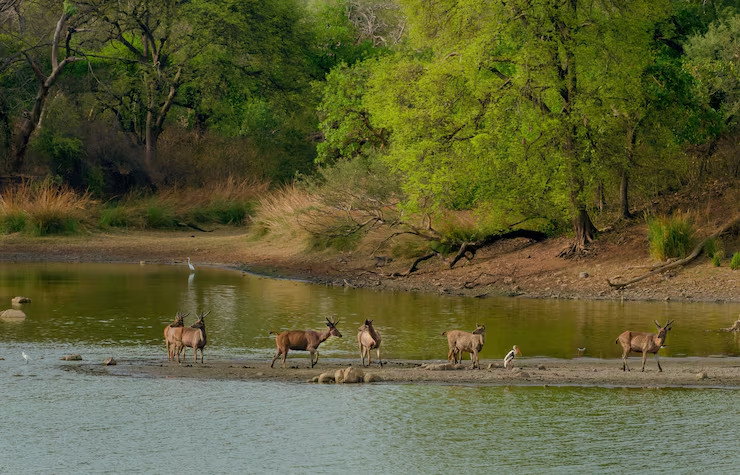
Big Bend is located in the lowveld region of eastern Eswatini and is known primarily for its extensive sugarcane plantations. While it may not appear as a traditional tourist destination, Big Bend offers a different perspective on the country’s economy and landscape.
The fertile plains around Big Bend support large-scale agriculture, particularly sugar production. The sight of vast green fields stretching toward the horizon contrasts sharply with Eswatini’s mountainous regions.
Beyond agriculture, Big Bend is conveniently located near wildlife reserves such as Mkhaya Game Reserve and Hlane Royal National Park. Many travelers use the town as a base before heading on safari.
The warm climate makes this area suitable for winter travel, especially for visitors escaping colder regions.
Big Bend provides insight into rural life and agricultural development in Eswatini, offering a more grounded and authentic travel experience.
19. Nsangwini Rock Art – Ancient San Heritage
Nsangwini Rock Art site is one of Eswatini’s most important archaeological treasures. Located along the Mbuluzi River, this site contains ancient rock paintings created by San (Bushman) communities thousands of years ago.
The artwork depicts animals, hunting scenes, and symbolic figures. These paintings offer rare insight into early human life, spiritual beliefs, and survival practices in Southern Africa.
Reaching Nsangwini involves a short guided walk through scenic landscapes, adding to the sense of discovery.
The rock art is protected and carefully preserved. Local guides explain the cultural and historical significance of each painting, enriching the visitor experience.
Nsangwini is not just a tourist attraction — it is a sacred window into humanity’s distant past.
For history enthusiasts and cultural travelers, this site provides a powerful and meaningful journey through time.
20. Mahamba Gorge – Scenic Beauty with Cultural Importance
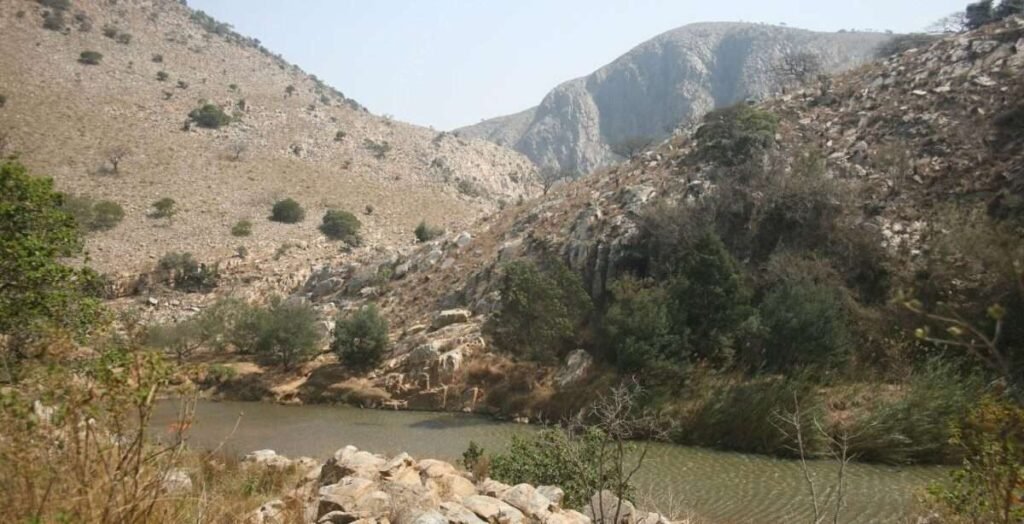
Mahamba Gorge, located in southern Eswatini, is a picturesque river valley known for its dramatic rock formations and cultural heritage.
The gorge is carved by the Mkondo River, which flows between steep cliffs and lush vegetation. The natural scenery is striking, offering excellent opportunities for hiking and photography.
Mahamba is also historically significant. The area has long been associated with traditional Swazi leadership and cultural ceremonies. The nearby Mahamba Royal Residence adds to its importance.
Visitors can explore walking trails along the river, enjoy peaceful picnic spots, and observe local birdlife.
Unlike large commercial tourist destinations, Mahamba Gorge remains quiet and authentic. It is a place where nature and tradition coexist harmoniously.
Mahamba Gorge beautifully concludes Eswatini’s list of top destinations — combining natural beauty, history, and cultural pride.