
Now Reading: Top 20 Tourist Places in Germany
-
01
Top 20 Tourist Places in Germany
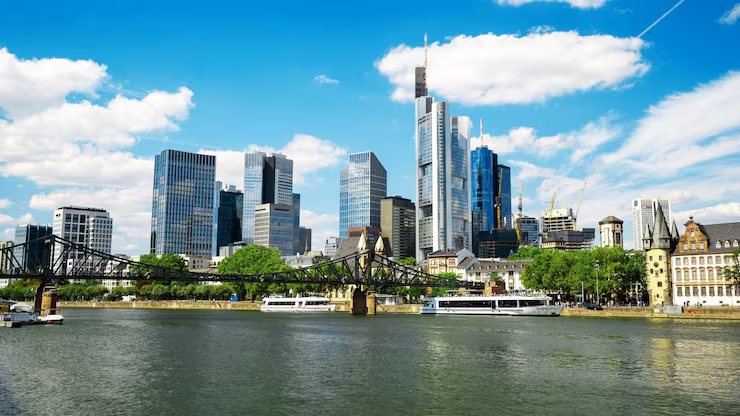
Top 20 Tourist Places in Germany
1. Berlin – Germany’s Dynamic Capital of History and Culture
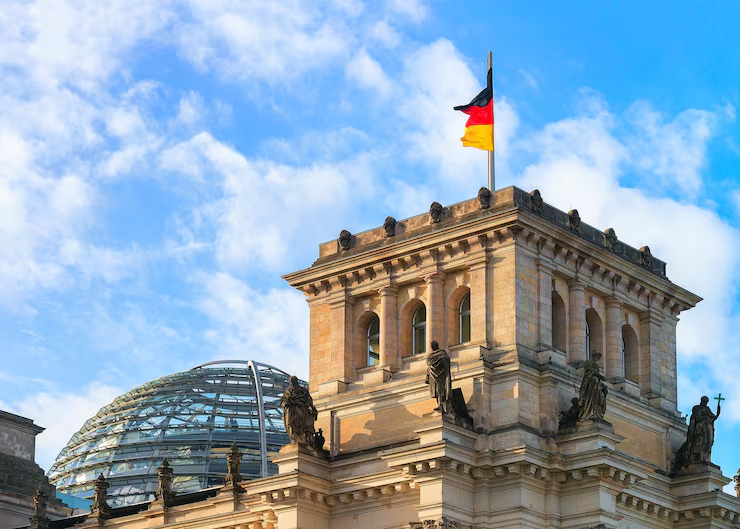
Berlin, the capital of Germany, is a city where history and modern creativity collide in the most fascinating way. Known for its powerful past, world-class museums, vibrant art scene, and legendary nightlife, Berlin stands as one of Europe’s most exciting travel destinations.
Few cities in the world have shaped modern history as dramatically as Berlin. From the Prussian Empire to World War II, from the Cold War division to reunified Germany, Berlin’s streets tell stories of resilience and transformation. Today, visitors can explore this history through preserved landmarks, memorials, and museums that bring the past to life.
Museum lovers will find paradise on Museum Island (Museumsinsel), a UNESCO World Heritage Site housing five internationally renowned museums. The Pergamon Museum, Neues Museum, and Altes Museum showcase everything from ancient Egyptian artifacts to classical antiquities.
Berlin is also a city of striking contrasts. Modern architecture rises beside historic buildings, while street art decorates remnants of the Berlin Wall. The East Side Gallery, a preserved section of the Wall covered in murals, symbolizes freedom and artistic expression.
Beyond history, Berlin thrives culturally. Trendy neighborhoods like Kreuzberg and Friedrichshain are filled with cafés, galleries, independent boutiques, and multicultural cuisine. The city’s nightlife is legendary, with world-famous clubs such as Berghain attracting visitors from across the globe.
Green spaces like Tiergarten Park provide peaceful escapes in the city center, while the River Spree offers scenic boat tours.
Berlin is not just Germany’s capital—it is the heartbeat of modern European culture, creativity, and freedom.
2. Brandenburg Gate – Symbol of Unity and Peace
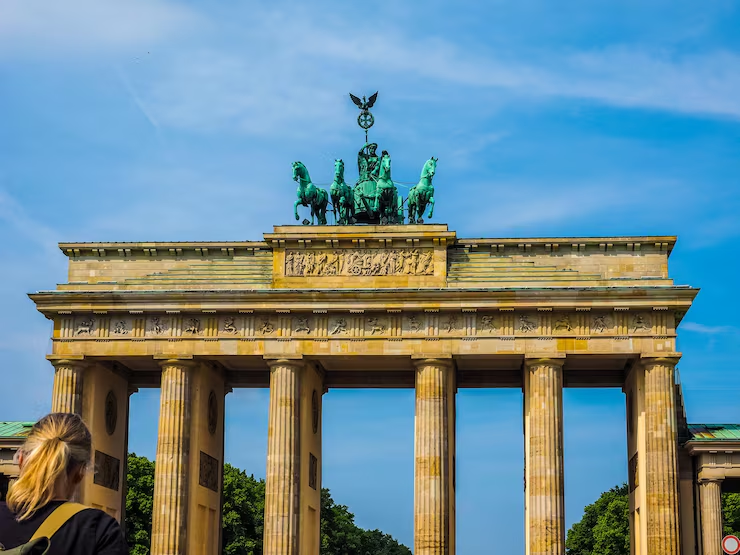
The Brandenburg Gate (Brandenburger Tor) is Berlin’s most iconic landmark and one of the most important symbols of German unity. Located at Pariser Platz in the heart of the city, this neoclassical monument has witnessed centuries of history.
Built in the late 18th century under Prussian King Frederick William II, the gate was inspired by the Propylaea of Athens. It features twelve Doric columns forming five passageways, crowned by the Quadriga—a chariot drawn by four horses driven by the goddess of victory.
Over time, the Brandenburg Gate became a symbol of division during the Cold War. When the Berlin Wall was constructed in 1961, the gate stood in the restricted border zone between East and West Berlin, inaccessible to the public.
Its meaning changed dramatically in 1989 when the Berlin Wall fell. Crowds gathered at the gate to celebrate reunification, transforming it into a global symbol of freedom and peace.
Today, the Brandenburg Gate is one of the most visited attractions in Germany. It is especially beautiful when illuminated at night, creating a majestic atmosphere.
Major national celebrations and international events often take place here, reinforcing its status as the symbolic heart of Germany.
Visiting the Brandenburg Gate is not just about seeing a monument—it’s about standing at a site that represents resilience, unity, and hope.
3. Berlin Wall Memorial – A Reminder of Division
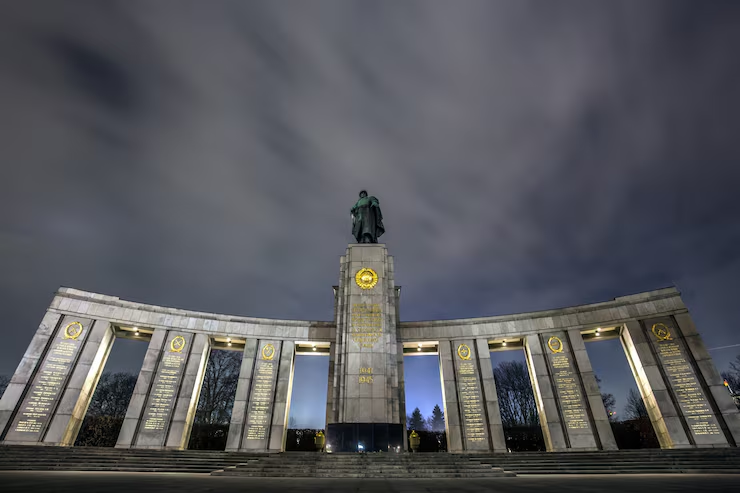
The Berlin Wall Memorial (Gedenkstätte Berliner Mauer) preserves one of the most significant sites of the Cold War. Located along Bernauer Strasse, it provides a powerful and emotional insight into Germany’s divided past.
The Berlin Wall once stretched over 150 kilometers, separating East and West Berlin from 1961 to 1989. Families were divided overnight, and numerous escape attempts resulted in tragic loss of life.
The memorial includes a preserved section of the Wall, complete with the “death strip,” watchtowers, and border fortifications. An observation platform allows visitors to see the full structure and understand how heavily guarded the border once was.
The Documentation Center provides historical exhibits, photographs, and personal stories from those affected by the division. These firsthand accounts add emotional depth to the experience.
The Chapel of Reconciliation stands as a symbol of healing, built on the site of a church destroyed during the Cold War.
Unlike other fragments of the Wall covered in art, this memorial presents the Wall in its raw and historical context, helping visitors grasp the reality of life in a divided city.
The Berlin Wall Memorial is an essential stop for understanding Germany’s modern history and the profound impact of reunification.
4. Munich – Bavarian Tradition Meets Modern Elegance
Munich (München), the capital of Bavaria, is a city that perfectly blends traditional German culture with cosmopolitan sophistication. Known worldwide for Oktoberfest, beer gardens, and Alpine charm, Munich offers far more than festivals.
The city’s heart is Marienplatz, where the impressive New Town Hall (Neues Rathaus) dominates the square. Visitors gather daily to watch the famous Glockenspiel performance.
Munich is deeply rooted in Bavarian traditions. Historic beer halls such as Hofbräuhaus serve classic dishes like pretzels, sausages, and roast pork alongside locally brewed beer.
Art and culture flourish here. The Kunstareal district features world-class museums including the Alte Pinakothek and Neue Pinakothek, housing masterpieces from European masters.
English Garden (Englischer Garten), one of the largest urban parks in the world, provides a relaxing escape. Visitors can even watch surfers ride waves on the Eisbach River.
Munich also serves as a gateway to the Bavarian Alps and fairy-tale castles.
Elegant yet welcoming, Munich captures the essence of southern Germany’s warmth, culture, and scenic beauty.
5. Neuschwanstein Castle – Bavaria’s Fairytale Dream
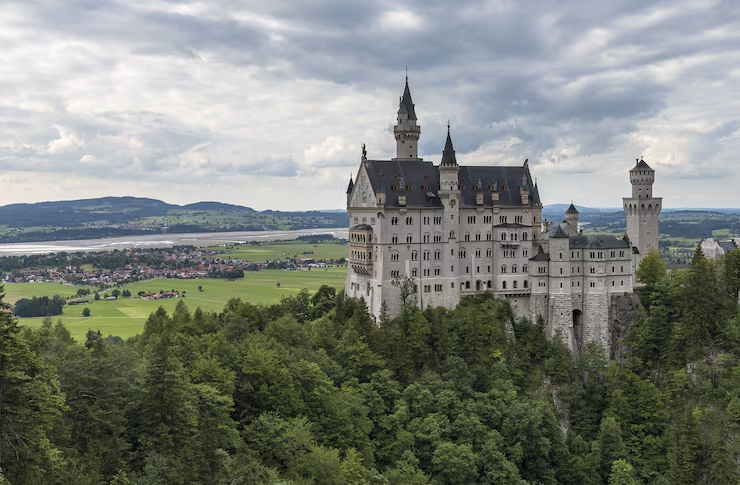
Neuschwanstein Castle is one of the most photographed castles in the world and the inspiration behind Disney’s Sleeping Beauty Castle. Perched dramatically on a hill in Bavaria near Füssen, it looks like something straight out of a storybook.
Commissioned by King Ludwig II in the 19th century, the castle was designed as a romantic interpretation of medieval architecture. Ludwig, often called the “Fairytale King,” envisioned it as a retreat from political life.
The castle’s interior is equally stunning, featuring elaborate murals inspired by German legends and operas by Richard Wagner.
Surrounded by forests, mountains, and lakes, Neuschwanstein offers breathtaking panoramic views in every season. Autumn foliage and winter snow add magical touches to the landscape.
Visitors can tour the richly decorated rooms and cross the nearby Marienbrücke (Mary’s Bridge) for the best photography vantage point.
Neuschwanstein Castle is not just a building—it is a symbol of romanticism, imagination, and Bavaria’s timeless charm.
6. Cologne (Köln) – A City of Gothic Grandeur and Rhine Romance
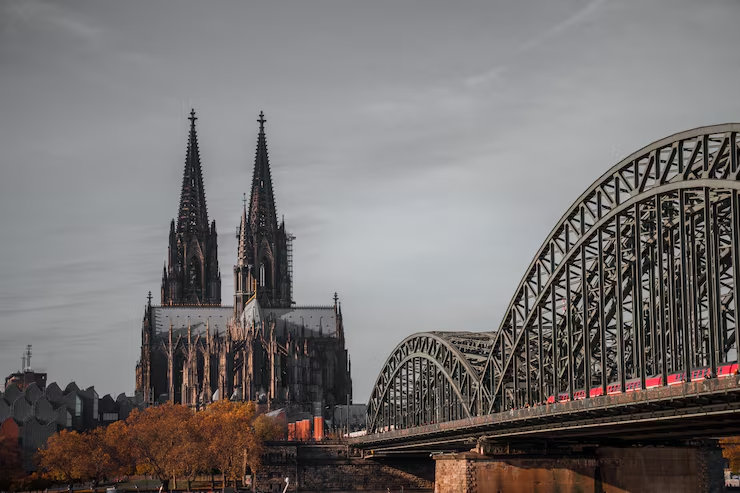
Cologne, known locally as Köln, is one of Germany’s oldest and most vibrant cities. Located along the River Rhine in western Germany, Cologne blends Roman history, Gothic architecture, and a lively cultural atmosphere that makes it one of the country’s most visited destinations.
Founded by the Romans over 2,000 years ago, Cologne still preserves traces of its ancient past. Roman ruins, mosaics, and city walls can be seen throughout the city, offering a glimpse into its origins as Colonia Claudia Ara Agrippinensium.
Today, Cologne is most famous for its magnificent cathedral, but the city offers much more. The Rhine River promenade is perfect for scenic walks, boat cruises, and sunset views. During the winter months, Cologne’s Christmas markets transform the city into a magical wonderland filled with lights and festive aromas.
Cologne is also known for its distinctive Kölsch beer, brewed locally and served in small cylindrical glasses. Traditional breweries (Brauhaus) offer a warm and welcoming atmosphere where visitors can enjoy hearty Rhineland cuisine.
The city hosts one of Europe’s largest Carnival celebrations, attracting thousands of visitors every year with colorful parades and street parties.
Modern Cologne is equally dynamic, with art museums, contemporary galleries, and vibrant nightlife. It perfectly balances historical charm with youthful energy.
Cologne is a city that feels both grand and friendly—a place where centuries of history meet modern German culture.
7. Cologne Cathedral – A Gothic Masterpiece of Faith
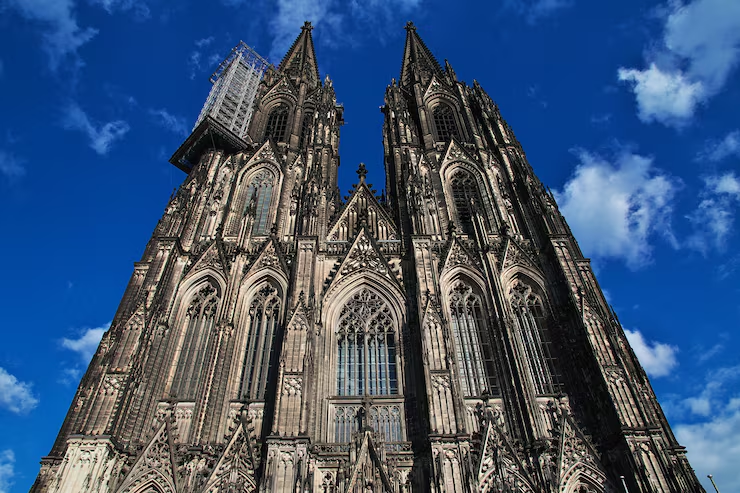
Cologne Cathedral (Kölner Dom) is one of the most impressive Gothic structures in the world and a UNESCO World Heritage Site. Towering over the city skyline, this architectural masterpiece is Germany’s most visited landmark.
Construction began in 1248 and took more than 600 years to complete. The cathedral’s twin spires rise to 157 meters, making it one of the tallest church buildings in the world.
The cathedral’s exterior is adorned with intricate stone carvings, statues, and flying buttresses. Inside, visitors are greeted by breathtaking stained-glass windows that fill the vast interior with colorful light.
One of its most sacred treasures is the Shrine of the Three Kings, believed to contain relics of the Biblical Magi. This golden reliquary attracts pilgrims from around the globe.
Climbing the 533 steps to the top of the south tower rewards visitors with panoramic views of Cologne and the Rhine River.
Despite heavy bombing during World War II, the cathedral survived and became a symbol of resilience for the German people.
Cologne Cathedral is not just a church—it is a monument to faith, art, and human dedication spanning centuries.
8. Hamburg – Germany’s Maritime Gateway
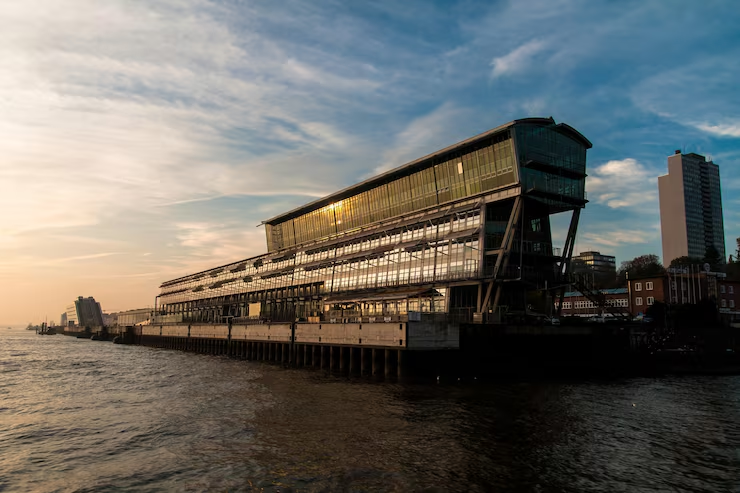
Hamburg, Germany’s second-largest city, is a dynamic port metropolis known for its maritime heritage, elegant canals, and vibrant cultural life. Often called the “Gateway to the World,” Hamburg’s identity is deeply connected to its harbor.
The Port of Hamburg is one of Europe’s busiest and can be explored by boat tours that pass container terminals, historic warehouses, and massive ships. The Speicherstadt district, a UNESCO World Heritage Site, features red-brick warehouses built on wooden piles—one of the most photogenic areas in the city.
Hamburg has more bridges than Venice and Amsterdam combined, earning it the nickname “City of Bridges.” Its canals and waterways add charm and scenic beauty.
The Elbphilharmonie concert hall is a modern architectural icon. Rising above the harbor, it hosts world-class musical performances and offers stunning views from its public plaza.
The Reeperbahn district is famous for nightlife and entertainment, while calmer neighborhoods offer elegant shopping streets and leafy parks.
Hamburg also has beautiful lakes, including the Alster, where locals enjoy sailing and cycling.
With its mix of historic maritime culture and modern innovation, Hamburg stands as one of Germany’s most stylish and cosmopolitan cities.
9. Miniatur Wunderland – A World in Miniature
Located in Hamburg’s Speicherstadt district, Miniatur Wunderland is the largest model railway exhibition in the world—and one of Germany’s most unique attractions.
This extraordinary indoor attraction features detailed miniature landscapes representing countries and regions from around the globe. From the Swiss Alps to the American Grand Canyon, from Scandinavian fjords to Italian cities, every scene is crafted with astonishing precision.
Trains, planes, cars, and ships move realistically through tiny towns, airports, and mountains. The miniature airport even simulates real aircraft takeoffs and landings.
Day turns into night every 15 minutes, with thousands of tiny lights illuminating cities and villages.
Miniatur Wunderland appeals to visitors of all ages. Children are fascinated by moving trains and hidden surprises, while adults appreciate the craftsmanship and engineering behind the scenes.
The attraction continues to expand, with new sections regularly added.
Miniatur Wunderland proves that sometimes the smallest worlds create the biggest impressions.
10. Frankfurt – Germany’s Modern Skyline City
Frankfurt am Main is Germany’s financial powerhouse and home to the European Central Bank. Known for its impressive skyline, Frankfurt is often called “Mainhattan” due to its cluster of skyscrapers along the River Main.
Unlike many traditional German cities, Frankfurt’s modern skyline gives it a distinctly international atmosphere. However, the city also preserves its historic charm.
The Römerberg square is the historic heart of Frankfurt, featuring timber-framed houses and the medieval Römer town hall. The contrast between old and new architecture defines the city’s character.
Frankfurt is also a cultural hub. The Museumsufer (Museum Embankment) along the River Main hosts numerous museums covering art, film, architecture, and history.
As a major transport hub, Frankfurt Airport connects travelers worldwide, making it a common entry point to Germany.
The city is also known for apple wine (Apfelwein), a regional specialty served in traditional taverns.
Frankfurt successfully combines business energy with cultural depth, proving it is far more than just Germany’s financial center.
11. Heidelberg – Germany’s Romantic Riverside Jewel
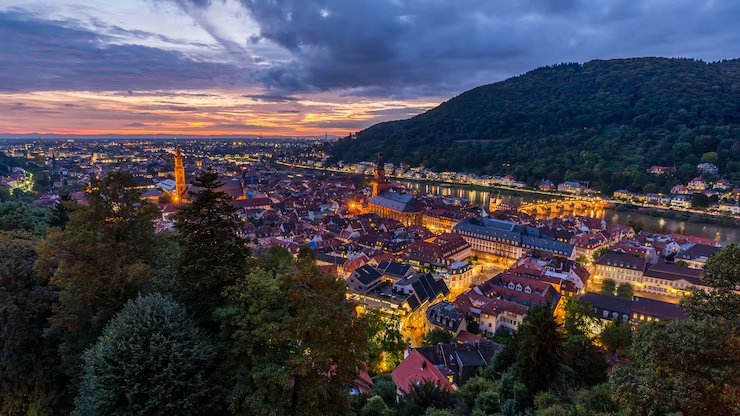
Heidelberg is one of Germany’s most picturesque and romantic cities, nestled along the Neckar River in the state of Baden-Württemberg. Famous for its historic university, charming Old Town, and dramatic castle ruins, Heidelberg has inspired poets, philosophers, and travelers for centuries.
At the heart of the city lies Heidelberg Castle (Schloss Heidelberg), perched on a hillside overlooking the red-roofed Old Town. Partially in ruins, the castle combines Gothic and Renaissance architecture, creating a hauntingly beautiful atmosphere. Visitors can explore the grand courtyard, historic halls, and the famous Heidelberg Tun—one of the world’s largest wine barrels.
The Old Bridge (Alte Brücke) connects the Old Town to scenic walking paths and offers stunning views of the castle and river. Cobblestone streets, pastel-colored buildings, and cozy cafés make wandering through the Altstadt an unforgettable experience.
Heidelberg University, founded in 1386, is Germany’s oldest university. The city has long been associated with academic excellence and intellectual history, attracting scholars from around the world.
Philosopher’s Walk (Philosophenweg), located across the river, provides panoramic views of the city and is especially beautiful in spring when flowers bloom.
Heidelberg perfectly captures Germany’s romantic spirit—where history, scenery, and culture blend harmoniously.
12. Black Forest (Schwarzwald) – Nature, Folklore, and Timeless Villages
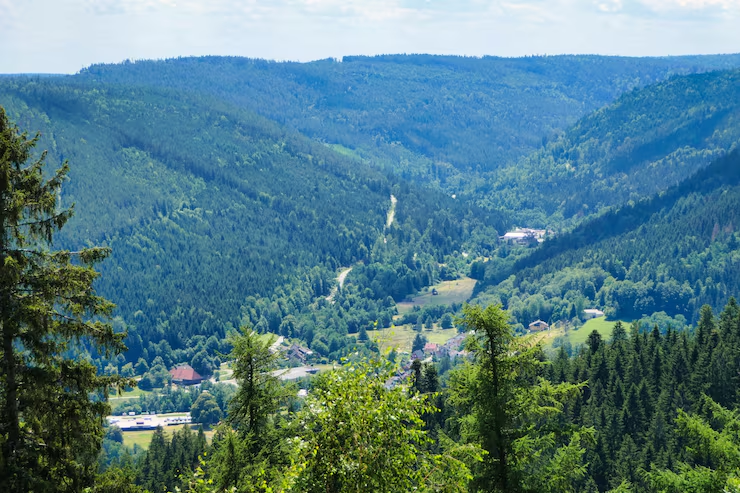
The Black Forest (Schwarzwald) is one of Germany’s most enchanting natural regions. Located in southwestern Germany, this vast forested mountain range is known for dense pine forests, traditional villages, spa towns, and folklore traditions.
The region’s name comes from the thick canopy of evergreen trees that create dark, mysterious landscapes. It has inspired countless fairy tales, including those collected by the Brothers Grimm.
Charming towns such as Triberg, Baden-Baden, and Freiburg serve as gateways to the region. Triberg is famous for Germany’s highest waterfalls, while Baden-Baden is renowned for its luxurious thermal spas.
The Black Forest is also home to traditional cuckoo clocks, which originated here. Visitors can tour workshops and learn about this iconic craftsmanship.
Outdoor enthusiasts will find endless hiking and cycling trails, scenic drives, and panoramic viewpoints. The Black Forest High Road offers breathtaking vistas of valleys and rolling hills.
In winter, the region transforms into a snowy wonderland ideal for skiing and cozy retreats.
The Black Forest is not just a natural destination—it is a place of legend, culture, and timeless beauty.
13. Rothenburg ob der Tauber – A Perfect Medieval Time Capsule
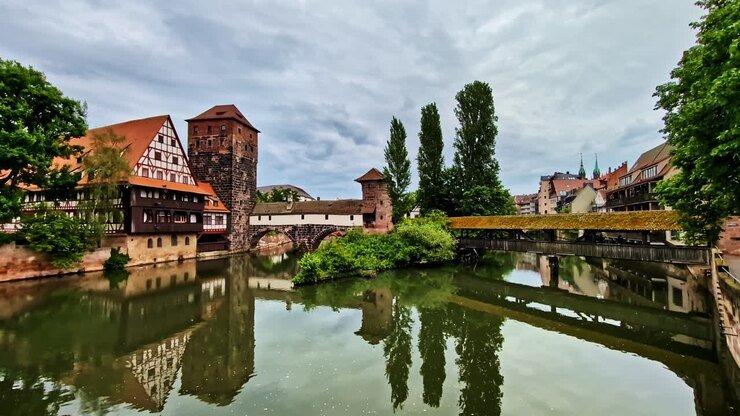
Rothenburg ob der Tauber is one of the best-preserved medieval towns in Europe. Located along Germany’s Romantic Road, this Bavarian gem looks like it stepped straight out of a storybook.
Surrounded by intact medieval walls and towers, Rothenburg offers visitors a rare chance to experience authentic medieval architecture. Walking along the city walls provides panoramic views of red rooftops and the Tauber Valley.
The Market Square (Marktplatz) features colorful half-timbered houses and the impressive Town Hall (Rathaus). Visitors can climb the Town Hall tower for stunning views of the town.
Rothenburg is particularly magical during the Christmas season. The Christmas Market and the Käthe Wohlfahrt Christmas Village attract visitors from around the world.
The town’s narrow streets, hidden courtyards, and historic buildings create an intimate and charming atmosphere.
Despite its small size, Rothenburg offers museums, local wine taverns, and traditional Franconian cuisine.
Rothenburg ob der Tauber is a living museum of medieval Germany and one of the country’s most photogenic destinations.
14. Dresden – The Reborn Baroque Beauty
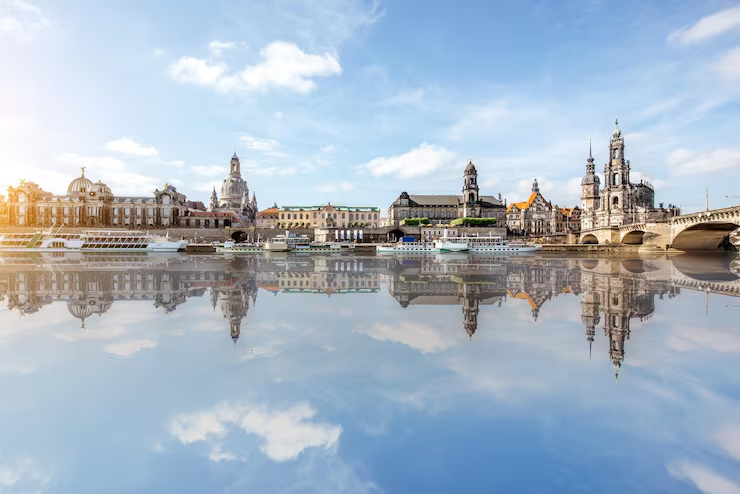
Dresden, located along the Elbe River in eastern Germany, is often called the “Florence on the Elbe” due to its stunning Baroque architecture and artistic heritage.
The city was heavily destroyed during World War II but has been meticulously restored, showcasing resilience and dedication to cultural preservation.
The Frauenkirche (Church of Our Lady) is Dresden’s most powerful symbol of reconstruction. Destroyed during the war, it was rebuilt stone by stone and reopened in 2005.
The Brühl’s Terrace, known as the “Balcony of Europe,” offers scenic views of the Elbe River and the city skyline.
Dresden is also a cultural hub. The Semper Opera House hosts world-class performances, while the city’s museums display priceless art collections.
Baroque palaces, elegant squares, and riverside scenery give Dresden a refined and romantic charm.
Dresden’s story of destruction and rebirth makes it one of Germany’s most moving and inspiring cities.
15. Zwinger Palace – A Baroque Masterpiece in Dresden
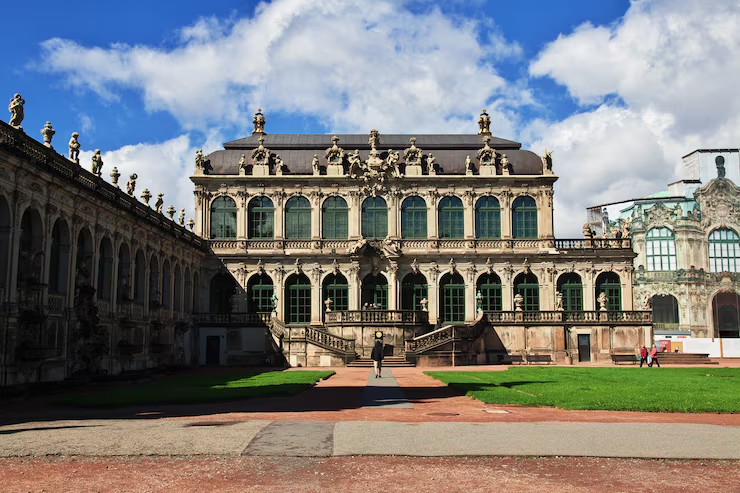
The Zwinger Palace is one of the most magnificent Baroque complexes in Europe and the architectural highlight of Dresden. Built in the early 18th century under Augustus the Strong, it was designed as a palace for royal festivities and art collections.
The Zwinger’s ornate pavilions, grand courtyards, and elegant fountains create an atmosphere of royal splendor. Its symmetrical layout and detailed sculptures reflect the grandeur of Saxon architecture.
Today, the palace houses several world-class museums, including the Old Masters Picture Gallery (Gemäldegalerie Alte Meister), which displays masterpieces such as Raphael’s Sistine Madonna.
The Nymphenbad fountain courtyard is particularly stunning, decorated with intricate sculptures and cascading water features.
The Zwinger survived wartime destruction and was carefully restored, symbolizing Dresden’s commitment to preserving its cultural heritage.
A visit to the Zwinger Palace is a journey into royal luxury, artistic brilliance, and Baroque elegance.
16. Nuremberg (Nürnberg) – A City of Medieval Power and Modern Reflection
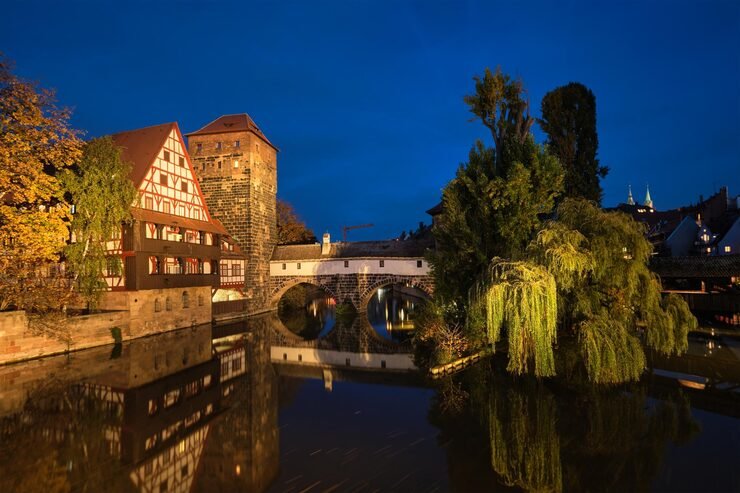
Nuremberg, located in Bavaria, is a city where medieval grandeur meets powerful modern history. Once one of the most important cities of the Holy Roman Empire, Nuremberg today is known for its beautifully preserved Old Town, imperial castle, and significant World War II history.
The city’s skyline is dominated by the Imperial Castle (Kaiserburg), which overlooks the red-roofed Old Town. From its towers, visitors can enjoy sweeping views of the city and learn about Nuremberg’s role as a political center during medieval times.
The Old Town (Altstadt), surrounded by ancient walls, features cobblestone streets, half-timbered houses, and lively market squares. The Hauptmarkt hosts the famous Christkindlesmarkt, one of Germany’s oldest and most celebrated Christmas markets.
However, Nuremberg also carries a sobering legacy. The Documentation Center Nazi Party Rally Grounds provides detailed insight into the city’s role during the Nazi era. The Palace of Justice is where the Nuremberg Trials were held, marking a turning point in international law.
Despite its complex past, Nuremberg today is a vibrant cultural destination known for its cuisine—especially Nürnberger sausages and gingerbread (Lebkuchen).
Nuremberg is a city that teaches, inspires, and impresses with both beauty and depth.
17. Bavarian Alps – Germany’s Alpine Paradise
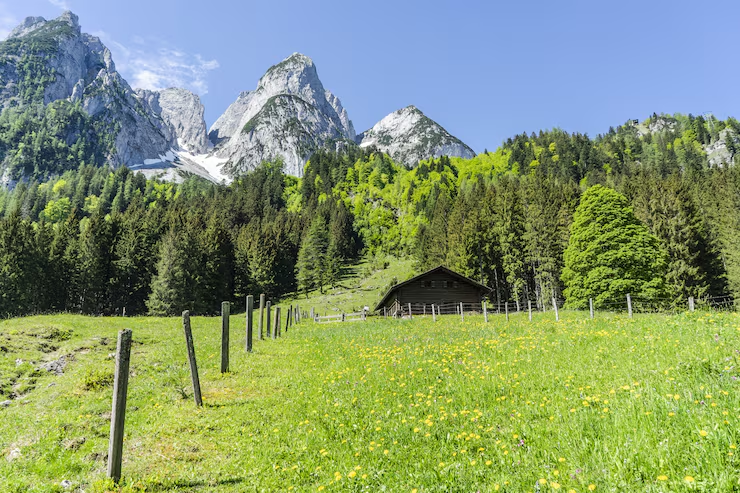
The Bavarian Alps represent some of Germany’s most breathtaking natural scenery. Located in southern Bavaria near the Austrian border, this mountain region is a paradise for hikers, skiers, and nature lovers.
The highest peak, Zugspitze, stands at 2,962 meters and offers panoramic views across Germany, Austria, Switzerland, and Italy. Visitors can reach the summit via cable car or cogwheel train.
Crystal-clear alpine lakes such as Königssee reflect towering mountains and provide peaceful boat rides. The lake’s emerald waters and dramatic cliffs create postcard-perfect scenery.
In winter, the Bavarian Alps transform into a skiing destination with world-class resorts. In summer, lush meadows bloom with wildflowers, and hiking trails lead through forests and valleys.
Traditional Alpine villages like Garmisch-Partenkirchen showcase Bavarian culture with painted houses, wooden balconies, and cozy guesthouses.
The Bavarian Alps offer adventure, tranquility, and some of Germany’s most spectacular landscapes.
18. Lake Constance (Bodensee) – Beauty at the Crossroads of Europe
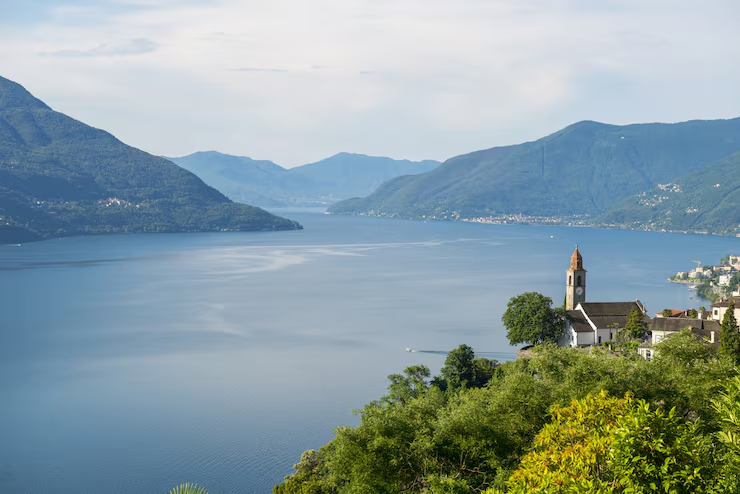
Lake Constance, known as Bodensee in German, is one of Central Europe’s largest lakes. Shared by Germany, Austria, and Switzerland, this stunning body of water combines natural beauty with cultural richness.
The German side of Lake Constance features charming towns such as Lindau, with its picturesque harbor and lighthouse. The island of Mainau is famous for its flower gardens and botanical displays.
Cycling paths surround the lake, offering scenic routes through vineyards, orchards, and lakeside promenades.
Boat cruises allow visitors to explore multiple countries in a single day, making it a unique international experience.
The lake region enjoys a mild climate, supporting fruit production and wine cultivation. Local restaurants serve fresh fish dishes and regional specialties.
Lake Constance is ideal for relaxation, outdoor activities, and cross-border exploration in one of Europe’s most scenic settings.
19. Rügen Island – Germany’s Baltic Coastal Treasure
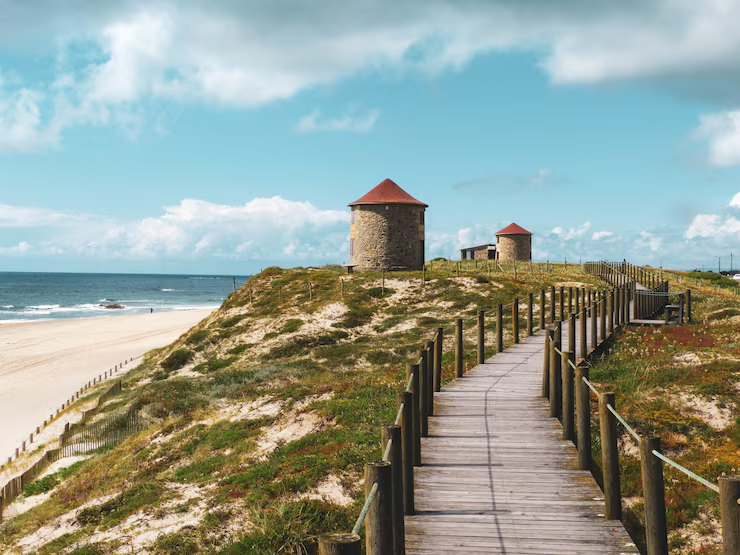
Rügen Island, located in the Baltic Sea, is Germany’s largest island and a beloved seaside destination. Known for its dramatic white chalk cliffs, sandy beaches, and charming resorts, Rügen offers a refreshing coastal escape.
The most famous landmark is the Königsstuhl (King’s Chair), part of Jasmund National Park. These towering white cliffs rise above turquoise waters and are among Germany’s most iconic natural sights.
Seaside towns like Binz and Sellin feature elegant 19th-century resort architecture, long piers, and sandy beaches perfect for summer relaxation.
Rügen also has historic lighthouses, fishing villages, and scenic cycling routes along the coastline.
The island’s diverse landscape includes forests, lagoons, and open fields, making it ideal for hiking and birdwatching.
Rügen Island combines dramatic nature with classic Baltic charm, offering a peaceful yet visually stunning retreat.
20. Sanssouci Palace (Potsdam) – Prussia’s Royal Retreat
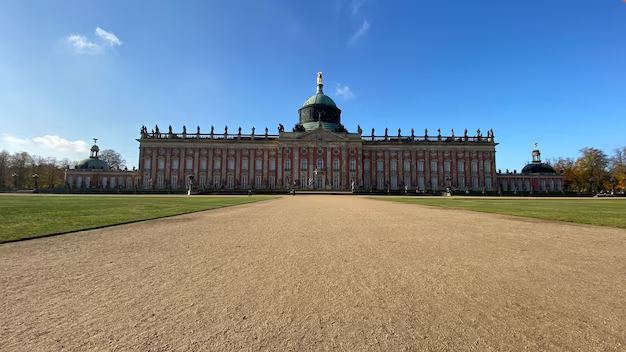
Sanssouci Palace, located in Potsdam near Berlin, is one of Germany’s most elegant royal residences and a UNESCO World Heritage Site. Built in the 18th century by Frederick the Great of Prussia, Sanssouci means “without worries,” reflecting the king’s desire for a peaceful retreat.
The palace is designed in Rococo style, featuring ornate interiors, gilded decorations, and intimate royal chambers.
Terraced vineyards cascade down from the palace, creating a unique landscape rarely seen in Northern Europe. The surrounding park is filled with fountains, sculptures, temples, and additional palaces.
The New Palace (Neues Palais), located within the complex, showcases even grander Baroque architecture.
Visitors can stroll through manicured gardens, explore elegant halls, and enjoy views over Potsdam’s historic landscape.
Sanssouci Palace is often compared to France’s Versailles, yet it feels more intimate and serene.
It stands as a symbol of Prussian culture, artistic refinement, and royal elegance.