
Now Reading: Top 20 Tourist Places in the Cayman Islands
-
01
Top 20 Tourist Places in the Cayman Islands

Top 20 Tourist Places in the Cayman Islands
The Cayman Islands
1. Grand Cayman – The Vibrant Heart of the Cayman Islands
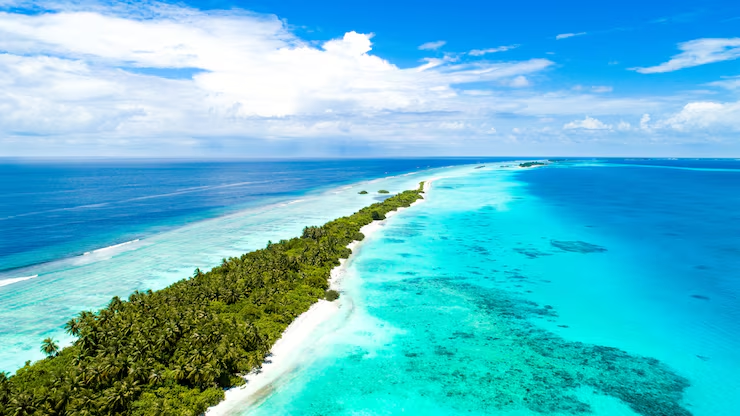
Grand Cayman is the largest and most popular island in the Cayman Islands and serves as the cultural, economic, and tourism center of the country. Known for its stunning beaches, crystal-clear waters, luxury resorts, and world-class diving, Grand Cayman offers a perfect balance of relaxation and adventure for travelers of all kinds.
The island’s flat terrain makes it easy to explore, and its well-developed infrastructure ensures a comfortable stay for visitors. From bustling towns to peaceful coastal areas, Grand Cayman showcases the best of Caribbean charm blended with modern convenience.
One of the island’s biggest highlights is its surrounding coral reef system, which attracts divers and snorkelers from across the globe. The underwater world here is filled with colorful fish, coral gardens, shipwrecks, and dramatic drop-offs. Even beginners can enjoy snorkeling directly from the shore at various locations.
Grand Cayman is also renowned for its vibrant food scene. Often called the “Culinary Capital of the Caribbean,” the island offers a wide range of dining experiences, from casual beach shacks to upscale fine-dining restaurants. Fresh seafood, Caribbean spices, and international flavors dominate the menus.
Beyond beaches and food, Grand Cayman offers rich cultural experiences. Visitors can explore historic sites, museums, local markets, and traditional festivals that reflect the island’s British heritage and Caribbean roots. The friendly locals add warmth to every visit, making travelers feel welcome and safe.
Whether you’re visiting for a romantic getaway, family vacation, or adventure-filled trip, Grand Cayman delivers a complete Caribbean experience that keeps visitors coming back again and again.
2. Seven Mile Beach – A World-Famous Caribbean Paradise
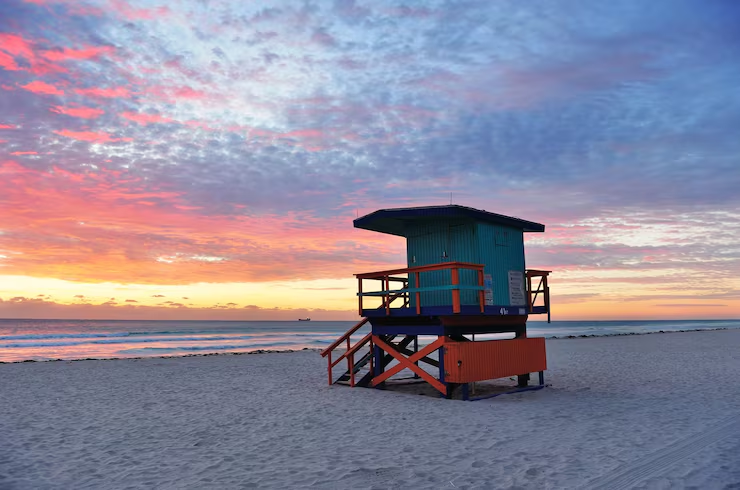
Seven Mile Beach is undoubtedly the crown jewel of Grand Cayman and one of the most famous beaches in the world. Stretching along the western coast of the island, this breathtaking beach features soft white sand and dazzling turquoise waters that seem almost unreal.
Despite its name, Seven Mile Beach is slightly shorter, but its beauty more than makes up for it. The beach is lined with luxury resorts, boutique hotels, restaurants, and beach clubs, making it the most lively and accessible coastal area on the island.
The calm, clear waters make Seven Mile Beach ideal for swimming, snorkeling, paddleboarding, and kayaking. The gentle waves and shallow shoreline are perfect for families with children, while adventure seekers can enjoy jet skiing, parasailing, and sunset cruises.
One of the most magical experiences here is watching the sunset. As the sun dips below the horizon, the sky transforms into shades of orange, pink, and purple, creating postcard-perfect moments. Many visitors choose to enjoy this view from beachside bars or restaurants with a tropical drink in hand.
Seven Mile Beach is also known for its cleanliness, safety, and accessibility. Public access points allow everyone to enjoy the beach, regardless of where they stay. Whether you want to relax under a palm tree or stay active all day, Seven Mile Beach offers the ultimate Caribbean beach experience.
3. Stingray City – An Unforgettable Marine Encounter
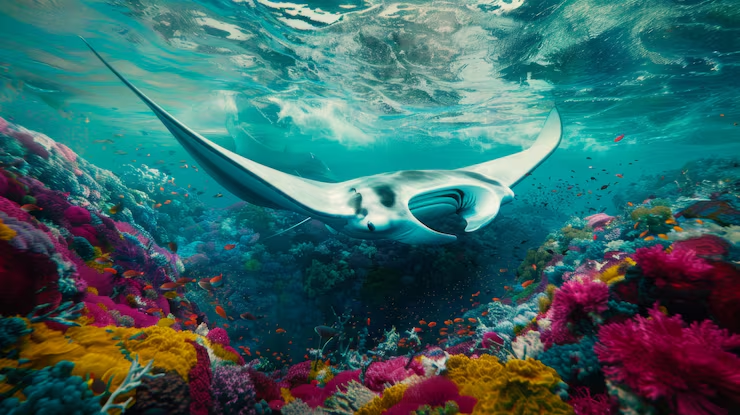
Stingray City is one of the most unique and unforgettable attractions in the Cayman Islands. Located in the shallow waters of the North Sound lagoon, this natural sandbar allows visitors to interact closely with friendly southern stingrays in their natural habitat.
The experience begins with a boat ride across calm, clear waters to the sandbar, where the water is shallow enough to stand comfortably. Here, dozens of stingrays glide gracefully through the water, often approaching visitors out of curiosity.
Guides provide educational information about stingray behavior, anatomy, and conservation, ensuring the interaction is both safe and respectful. Visitors can touch, feed, and even hold the stingrays under professional supervision.
Stingray City is suitable for all ages and swimming abilities, making it a popular excursion for families, cruise passengers, and first-time visitors. For those seeking a more immersive experience, snorkeling tours are also available nearby.
This attraction is not just about fun—it also fosters appreciation for marine life and conservation. The encounter leaves visitors with lasting memories and a deeper connection to the ocean, making Stingray City a must-visit destination in Grand Cayman.
4. George Town – The Capital of Culture and Commerce
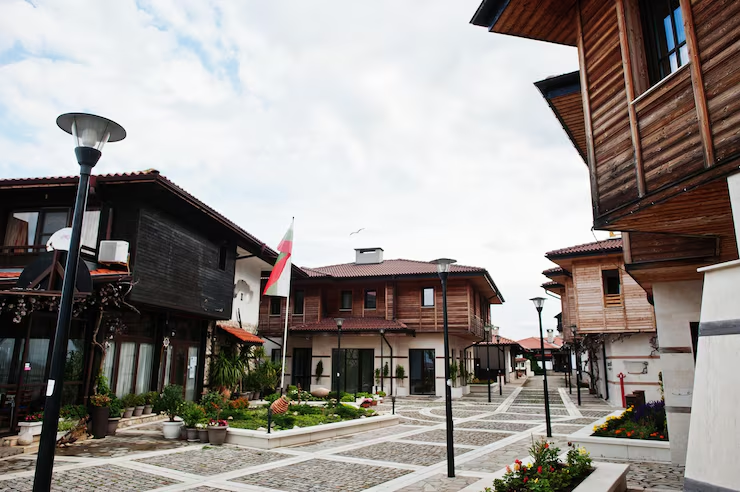
George Town is the capital city of the Cayman Islands and the vibrant center of activity on Grand Cayman. As a major cruise ship port, it welcomes thousands of visitors daily, offering a lively atmosphere filled with shopping, dining, and cultural attractions.
One of George Town’s biggest draws is its duty-free shopping. Visitors can find luxury watches, jewelry, perfumes, electronics, and designer brands at competitive prices. Colorful streets and waterfront views add to the shopping experience.
Beyond shopping, George Town is home to several important cultural sites and museums. Visitors can explore local history, maritime heritage, and traditional Caymanian life through exhibits and guided tours.
The waterfront area is especially scenic, with restaurants and cafés offering views of the harbor. Fresh seafood, Caribbean dishes, and international cuisine are widely available, making George Town a great place to experience local flavors.
Despite its busy nature, George Town maintains a friendly and relaxed island vibe. It’s the perfect place to explore Caymanian culture, enjoy modern amenities, and experience the island’s urban charm.
5. Rum Point – A Relaxed Tropical Escape
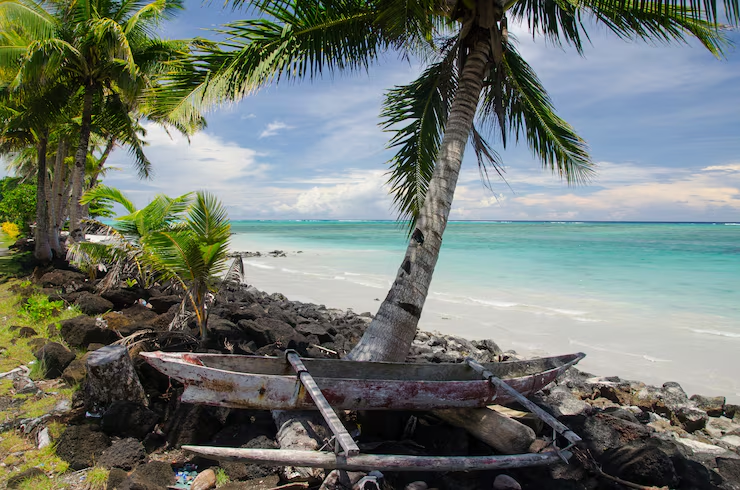
Rum Point is a laid-back beach destination located on the northern coast of Grand Cayman, offering a quieter alternative to Seven Mile Beach. Known for its calm, shallow waters and peaceful atmosphere, Rum Point is ideal for travelers seeking relaxation away from crowds.
The area is famous for its crystal-clear waters, making it perfect for swimming, snorkeling, and floating leisurely under the sun. The shallow depth and gentle conditions make it especially popular with families.
Rum Point is also known for its iconic beachside restaurant and bar, where visitors can enjoy tropical cocktails, local seafood, and Caribbean-inspired dishes. Hammocks, picnic tables, and shady palm trees enhance the relaxed island vibe.
The sunsets at Rum Point are breathtaking, with golden hues reflecting across the calm waters of the North Sound. Many visitors choose to spend an entire day here, soaking up the peaceful surroundings.
Whether you arrive by car or boat, Rum Point offers a true taste of Caribbean tranquility, making it one of Grand Cayman’s most beloved hidden gems.
6. Cayman Turtle Centre – A Unique Wildlife and Conservation Experience
The Cayman Turtle Centre, located in West Bay on Grand Cayman, is one of the island’s most educational and family-friendly attractions. Dedicated to the conservation of green sea turtles, this center offers visitors a rare opportunity to learn about marine life while interacting responsibly with one of the Caribbean’s most iconic species.
Originally established to protect endangered sea turtles, the center now plays an important role in research, conservation, and public awareness. Visitors can observe turtles at every stage of their life cycle, from tiny hatchlings to fully grown adults weighing hundreds of pounds. This hands-on exposure helps create a deeper understanding of marine conservation efforts.
Beyond turtles, the Cayman Turtle Centre also features a variety of other attractions, including lagoons for snorkeling, bird aviaries, and educational exhibits about Cayman Islands wildlife. One of the most popular activities is swimming in the saltwater lagoon, where visitors can snorkel alongside tropical fish in a safe, controlled environment.
Educational programs at the center are designed for all ages. Informational displays and guided tours explain the importance of protecting marine ecosystems and the challenges sea turtles face in the wild. These experiences make the center both entertaining and informative.
The Cayman Turtle Centre is an ideal stop for families, nature lovers, and anyone interested in wildlife conservation. It combines fun, learning, and environmental responsibility, making it a meaningful addition to any Grand Cayman itinerary.
7. Devil’s Grotto – A Diver’s Dream Beneath the Surface
Devil’s Grotto is one of Grand Cayman’s most famous snorkeling and diving sites, located just offshore from George Town. Known for its underwater caverns, coral formations, and abundant marine life, this site offers an unforgettable underwater adventure for both beginners and experienced divers.
The grotto features a network of shallow caves and tunnels formed by coral and limestone. Sunlight filters through openings in the rock, creating a dramatic play of light underwater. These conditions make Devil’s Grotto especially popular with underwater photographers.
Marine life here is diverse and plentiful. Snorkelers and divers often encounter colorful reef fish, lobsters, turtles, rays, and even nurse sharks resting inside the caves. The calm waters and relatively shallow depth make the site accessible for snorkelers as well as scuba divers.
Devil’s Grotto is particularly popular for night dives, when nocturnal marine creatures emerge, offering a completely different experience. Octopuses, crabs, and bioluminescent organisms add an element of mystery and excitement.
Easily accessible from shore or by boat, Devil’s Grotto is a must-visit location for anyone interested in exploring Grand Cayman’s underwater world. It perfectly showcases why the island is considered one of the top diving destinations in the Caribbean.
8. Eden Rock – An Underwater Wonderland for Snorkelers

Eden Rock, located near George Town Harbor, is another world-renowned snorkeling and diving destination on Grand Cayman. Famous for its intricate underwater cave systems and vibrant coral reefs, Eden Rock offers a truly immersive marine experience just steps from the shore.
The site features a series of swim-through caves, tunnels, and coral formations that are easy to explore. These underwater structures provide shelter for a wide variety of marine species, making every swim an exciting discovery.
Snorkelers can expect to see tropical fish in brilliant colors, sea turtles, rays, moray eels, and schools of silversides that move in mesmerizing patterns. The shallow depth and clear water visibility make Eden Rock ideal for beginners and families.
One of the unique aspects of Eden Rock is its accessibility. Visitors can enter the water directly from the shore, making it convenient for those who prefer not to take a boat tour. Equipment rentals and guided tours are also readily available nearby.
Eden Rock’s combination of easy access, stunning marine life, and dramatic underwater scenery makes it one of the best snorkeling spots in the Cayman Islands and a favorite among repeat visitors.
9. Spotts Beach – A Hidden Gem for Turtle Watching
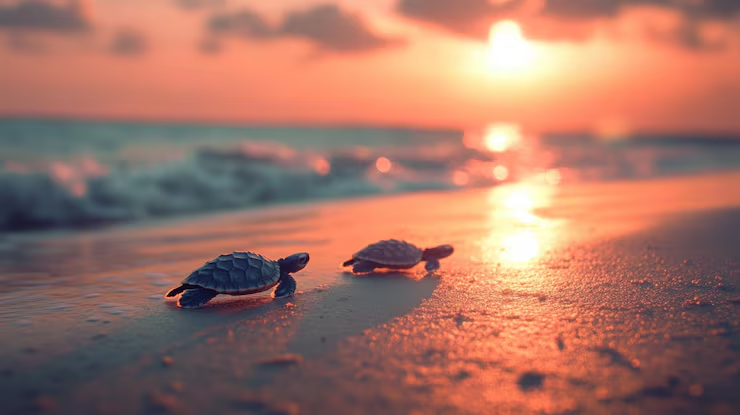
Spotts Beach is one of Grand Cayman’s best-kept secrets and is widely regarded as the top location on the island to see sea turtles in their natural environment. Located along the southern coast, this quiet beach offers a peaceful alternative to more crowded tourist areas.
The beach itself is narrow but scenic, featuring soft sand and calm waters. What truly sets Spotts Beach apart is the high likelihood of encountering green sea turtles swimming close to shore. Snorkelers often spot turtles grazing on seagrass just a few meters from the beach.
The best time to visit Spotts Beach is early in the morning, when the water is calm and turtles are most active. Dolphins are also occasionally seen offshore, adding to the excitement.
Spotts Beach is popular with locals and nature enthusiasts who appreciate its unspoiled atmosphere. There are no large resorts or commercial developments nearby, which helps preserve the area’s natural charm.
For travelers seeking a quiet, authentic Caymanian experience with incredible wildlife encounters, Spotts Beach is an absolute must-visit destination.
10. Camana Bay – A Modern Waterfront Lifestyle Hub

Camana Bay is a vibrant, master-planned waterfront town located on Grand Cayman, offering a modern contrast to the island’s natural attractions. Designed as a community-focused destination, Camana Bay combines shopping, dining, entertainment, and leisure in a beautifully landscaped setting.
The area features pedestrian-friendly streets, open-air plazas, and scenic waterfront views. Visitors can explore boutique shops, international brands, and local businesses offering unique souvenirs and island-inspired products.
Dining is a major highlight of Camana Bay. The town boasts a diverse range of restaurants and cafés, serving everything from casual Caribbean dishes to upscale international cuisine. Many restaurants offer outdoor seating with stunning views of the marina.
Camana Bay also hosts regular events, including live music, outdoor movie nights, cultural festivals, and fitness activities. The observation tower is another popular attraction, offering panoramic views of the island after a climb to the top.
Whether you’re looking to relax, shop, dine, or enjoy entertainment, Camana Bay delivers a polished and lively experience that appeals to travelers of all ages.
11. Pedro St. James Castle – The Birthplace of Democracy in the Cayman Islands
Pedro St. James Castle is one of the most important historical landmarks in the Cayman Islands and is often referred to as the “Birthplace of Democracy.” Located in Bodden Town on Grand Cayman, this beautifully preserved plantation house offers visitors a fascinating look into the island’s colonial past and political heritage.
Built in the late 18th century, Pedro St. James stands as the oldest surviving stone structure in the Cayman Islands. The Great House was constructed using local limestone and features thick walls, shuttered windows, and a commanding view of the Caribbean Sea. Its strategic location allowed plantation owners to oversee their land and maritime activities.
The site gained national significance in 1831 when Caymanians gathered here to hear the proclamation of the decision to abolish slavery. This historic moment marked a turning point in the islands’ social and political development, cementing Pedro St. James as a symbol of freedom and democracy.
Today, the castle has been carefully restored and transformed into an interactive museum. Visitors can explore period-furnished rooms, watch multimedia presentations, and learn about life during the 18th and 19th centuries. The immersive storytelling brings history to life in an engaging and educational way.
Surrounding the Great House are beautifully landscaped gardens, walking paths, and scenic viewpoints overlooking the ocean. Pedro St. James Castle is a must-visit for history enthusiasts and travelers seeking a deeper understanding of Caymanian heritage.
12. Queen Elizabeth II Botanic Park – A Celebration of Nature and Biodiversity
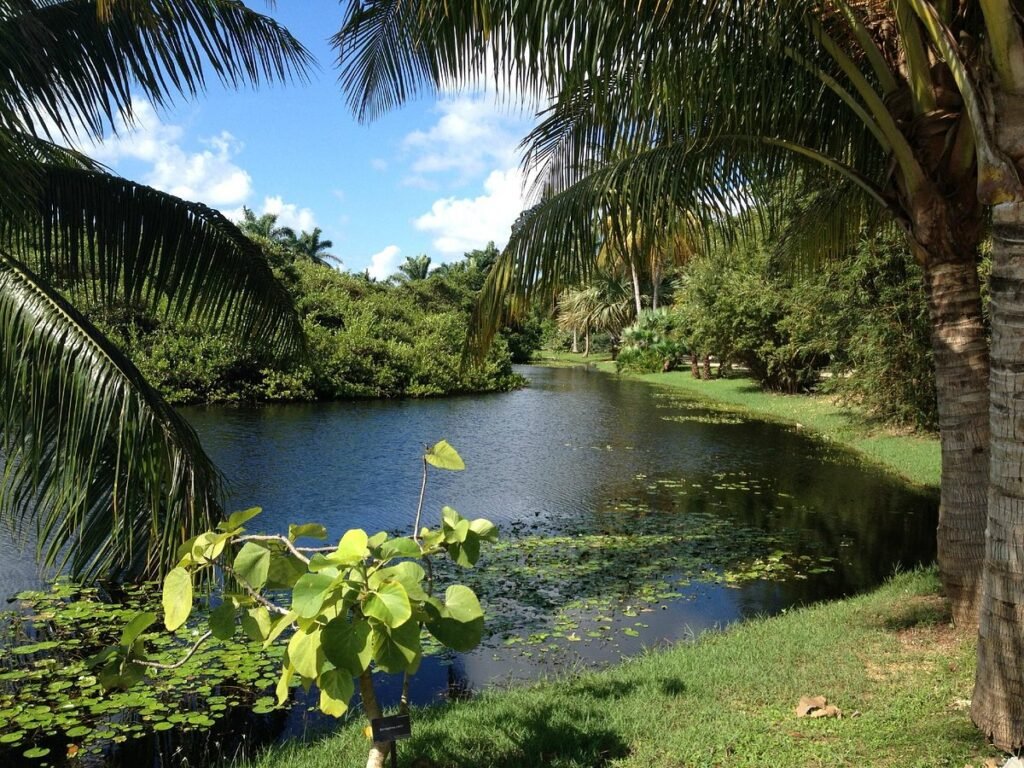
Queen Elizabeth II Botanic Park is a serene natural sanctuary located in the eastern district of North Side on Grand Cayman. This expansive park showcases the island’s native flora and fauna while promoting conservation, education, and sustainable tourism.
The park is divided into several themed areas, each highlighting different aspects of Caymanian biodiversity. Visitors can stroll through lush gardens filled with tropical flowers, orchids, palms, and native plants that thrive in the island’s climate. Well-maintained walking trails make exploration easy and enjoyable.
One of the park’s most famous residents is the endangered blue iguana, a species found only in the Cayman Islands. The Blue Iguana Conservation facility within the park allows visitors to observe these remarkable creatures up close while learning about ongoing efforts to protect and increase their population.
In addition to wildlife, the park also celebrates Caymanian culture and history. Traditional-style houses and exhibits showcase the island’s heritage, offering insight into local architecture and rural life from past generations.
Queen Elizabeth II Botanic Park is an ideal destination for nature lovers, families, and photographers. Its peaceful atmosphere provides a refreshing escape from busy tourist areas while offering a meaningful connection to the natural environment of Grand Cayman.
13. Barkers National Park – Untouched Coastal Wilderness

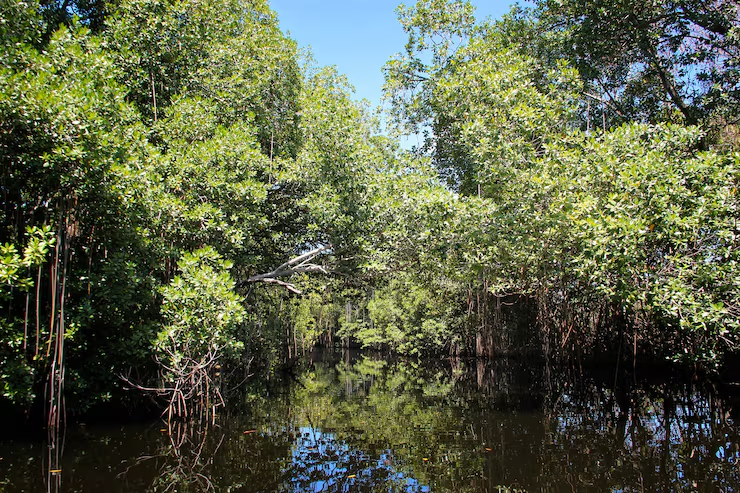
Barkers National Park is one of Grand Cayman’s most pristine and undeveloped natural areas. Located on the island’s northwest coast, this protected park is known for its rugged coastline, mangrove wetlands, and unspoiled beaches.
Unlike more developed tourist destinations, Barkers National Park remains largely untouched, allowing visitors to experience the island’s raw natural beauty. The park features a mix of sandy shores, rocky outcrops, and shallow lagoons, creating a diverse ecosystem that supports a wide range of wildlife.
The area is especially popular with adventure seekers and nature enthusiasts. Activities such as kayaking, paddleboarding, kiteboarding, and off-road tours allow visitors to explore the park’s vast open spaces. Birdwatchers can spot native and migratory bird species nesting among the mangroves.
Barkers National Park is also culturally significant, as it has long been used by local fishermen and families for traditional activities. Its preservation ensures that future generations can continue to enjoy and learn from this unique environment.
For travelers seeking an off-the-beaten-path experience, Barkers National Park offers solitude, scenic beauty, and a strong connection to nature, making it one of Grand Cayman’s hidden treasures.
14. North Sound – A Paradise for Boating and Water Sports
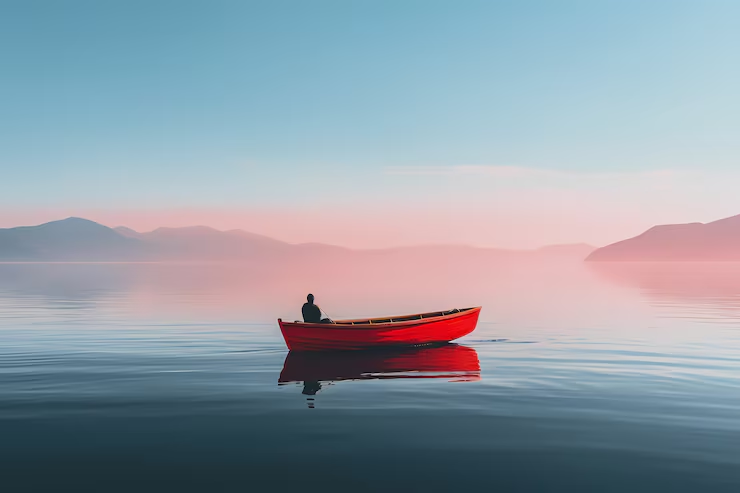
North Sound is a large, shallow lagoon located on the northern side of Grand Cayman and is one of the island’s most important recreational and ecological areas. Surrounded by mangroves, islands, and luxury waterfront properties, North Sound is a hub for boating, water sports, and marine exploration.
The calm, protected waters of North Sound make it ideal for activities such as sailing, kayaking, jet skiing, and paddleboarding. It is also the gateway to several famous attractions, including Stingray City and Rum Point, making it a central part of many island excursions.
North Sound is home to vibrant marine ecosystems, including seagrass beds and coral formations that support fish, rays, and other sea life. The mangroves along the shoreline play a crucial role in protecting the coastline and providing nurseries for marine species.
In addition to recreational activities, North Sound offers scenic beauty and peaceful surroundings. Sunset boat cruises across the lagoon are especially popular, providing stunning views of the sky reflected on calm waters.
Whether you’re seeking adventure or relaxation, North Sound delivers a versatile experience that highlights the natural beauty and maritime culture of the Cayman Islands.
15. Cayman Brac – A Rugged and Adventurous Island Escape
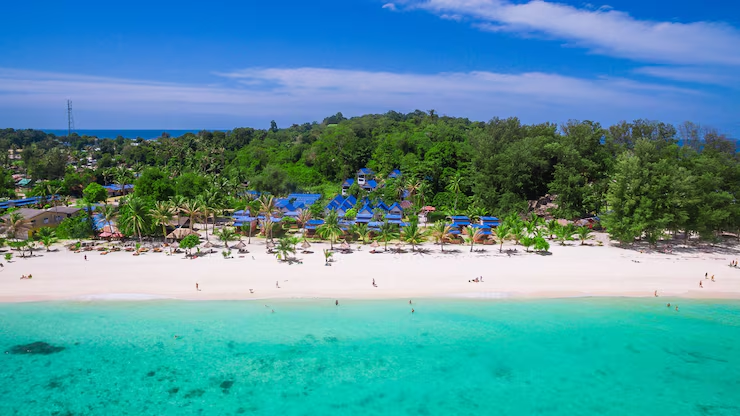
Cayman Brac is the second-largest of the three Cayman Islands and offers a dramatically different experience from Grand Cayman. Known for its rugged landscapes, limestone cliffs, and quiet charm, Cayman Brac is a paradise for adventure seekers and nature lovers.
The island’s most defining feature is “The Bluff,” a towering limestone ridge that rises sharply from the sea and provides breathtaking views of the surrounding ocean. Numerous hiking trails lead to caves, viewpoints, and hidden natural features.
Cayman Brac is also a premier destination for diving, with crystal-clear waters, shipwrecks, coral walls, and caves attracting divers from around the world. The island’s smaller size and slower pace make it perfect for travelers seeking tranquility and exploration.
Birdwatching, rock climbing, and cave exploration are popular activities, as the island is home to diverse wildlife and unique geological formations. Unlike Grand Cayman, Cayman Brac remains largely undeveloped, preserving its authentic island atmosphere.
For those looking to escape crowds and experience a more rugged side of the Caribbean, Cayman Brac offers adventure, solitude, and natural beauty in abundance.
16. Bluff of Cayman Brac – Dramatic Cliffs and Panoramic Ocean Views
The Bluff of Cayman Brac is the island’s most striking natural feature and one of the most dramatic landscapes in the entire Cayman Islands. Rising sharply from the surrounding flat terrain, this massive limestone ridge stretches across much of Cayman Brac and offers breathtaking panoramic views of the Caribbean Sea.
The Bluff reaches heights of over 140 feet, making it a paradise for hikers, photographers, and nature enthusiasts. Well-marked trails lead visitors through dense vegetation, hidden caves, and scenic viewpoints where the ocean extends endlessly in every direction. These trails range from easy walks to more challenging hikes, catering to a variety of fitness levels.
The Bluff is also home to numerous caves formed over thousands of years by natural erosion. Many of these caves once served as shelters for early inhabitants and now provide habitats for bats and other wildlife. Exploring these caves adds a sense of adventure and mystery to the experience.
Birdwatchers will find the Bluff especially rewarding, as it attracts seabirds and migratory species. The peaceful environment and lack of crowds make it ideal for quiet exploration and reflection.
For visitors seeking dramatic scenery and a strong connection to nature, the Bluff of Cayman Brac delivers an unforgettable experience that showcases the island’s rugged beauty.
17. Little Cayman – Tranquility, Wildlife, and Pristine Nature

Little Cayman is the smallest and least developed of the three Cayman Islands, offering a peaceful escape from modern life. With a population of fewer than 300 residents, the island is known for its untouched beauty, friendly locals, and slow-paced atmosphere.
The island is a paradise for divers and snorkelers, boasting some of the clearest waters in the Caribbean. Coral reefs, underwater walls, and diverse marine life make every dive a memorable experience. Above the water, quiet beaches and shallow lagoons invite relaxation and exploration.
Little Cayman is also famous for its wildlife, particularly birds. The Booby Pond Nature Reserve is home to one of the largest red-footed booby colonies in the Western Hemisphere. Nature lovers can observe birds in their natural habitat while learning about conservation efforts.
Cycling is a popular way to explore the island, as the flat terrain and low traffic create a safe and enjoyable experience. Evenings on Little Cayman are calm and peaceful, often spent watching sunsets and stargazing under clear skies.
For travelers seeking solitude, natural beauty, and authenticity, Little Cayman offers a rare and rewarding island experience.
18. Bloody Bay Marine Park – World-Class Diving and Snorkeling
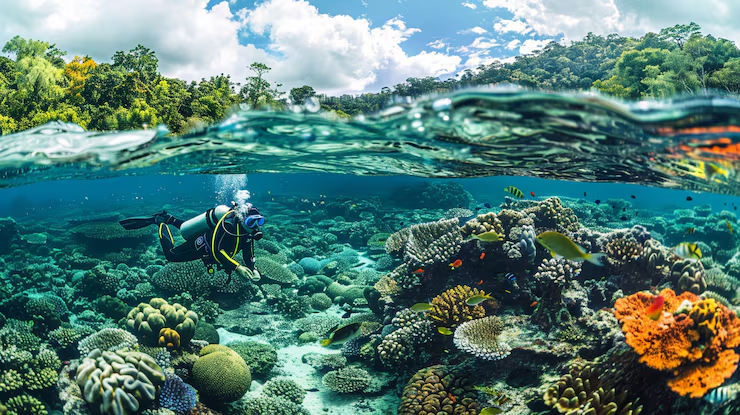
Bloody Bay Marine Park, located off the coast of Little Cayman, is one of the most celebrated diving destinations in the world. This protected marine area is renowned for its dramatic underwater wall, vibrant coral reefs, and exceptional water clarity.
The Bloody Bay Wall plunges thousands of feet into the deep blue ocean, creating a breathtaking underwater landscape. Divers can explore coral-covered ledges, tunnels, and drop-offs while encountering reef sharks, turtles, rays, and schools of tropical fish.
Snorkelers also benefit from the park’s shallow reef areas, which offer easy access to colorful marine life close to the surface. Strict conservation regulations help preserve the ecosystem, ensuring that the park remains pristine for future generations.
The calm conditions and excellent visibility make Bloody Bay Marine Park suitable for both beginner and experienced divers. Guided tours provide safe and educational experiences while highlighting the importance of marine conservation.
Bloody Bay Marine Park stands as a shining example of sustainable tourism and is a must-visit destination for anyone passionate about ocean exploration.
19. Owen Island – A Secluded Island Adventure

Owen Island is a small, uninhabited island located just off the coast of Grand Cayman, offering a unique and adventurous day-trip experience. Accessible only by kayak or boat, the island provides a true sense of isolation and escape.
The journey to Owen Island is part of the adventure, with calm waters and scenic views along the way. Upon arrival, visitors are greeted by pristine beaches, shallow waters, and a peaceful atmosphere free from development and crowds.
Owen Island is ideal for picnicking, swimming, snorkeling, and exploring. The surrounding waters are clear and calm, making it easy to spot fish and other marine life. Visitors are encouraged to respect the environment by leaving no trace behind.
This hidden gem is especially popular with couples, small groups, and nature lovers looking for a quiet retreat close to Grand Cayman. The untouched beauty of Owen Island makes it a refreshing contrast to more developed tourist areas.
20. Cemetery Beach – A Quiet Snorkeling Haven
Cemetery Beach is a lesser-known but highly rewarding destination on Grand Cayman, particularly for snorkeling enthusiasts. Located just north of Seven Mile Beach, this peaceful stretch of shoreline offers clear waters and vibrant marine life without the crowds.
The beach gets its name from a nearby historic cemetery, adding a touch of history to the area. The reef begins close to shore, making it easy for snorkelers to explore coral formations and encounter tropical fish, turtles, and rays.
Cemetery Beach is popular with locals who appreciate its relaxed atmosphere and natural beauty. The sandy shoreline and calm waters make it suitable for swimming, sunbathing, and quiet reflection.
Sunsets at Cemetery Beach are especially beautiful, with golden light illuminating the water and sky. Its tranquil environment makes it an excellent spot for travelers seeking a low-key beach experience.
For those who want to enjoy Grand Cayman’s underwater beauty without the crowds, Cemetery Beach is a perfect choice.
https://travelinginfoworld.com/top-5-tourist-places-in-yukon-canada/