
Now Reading: Top 20 Tourist Places in the Democratic Republic of the Congo
-
01
Top 20 Tourist Places in the Democratic Republic of the Congo
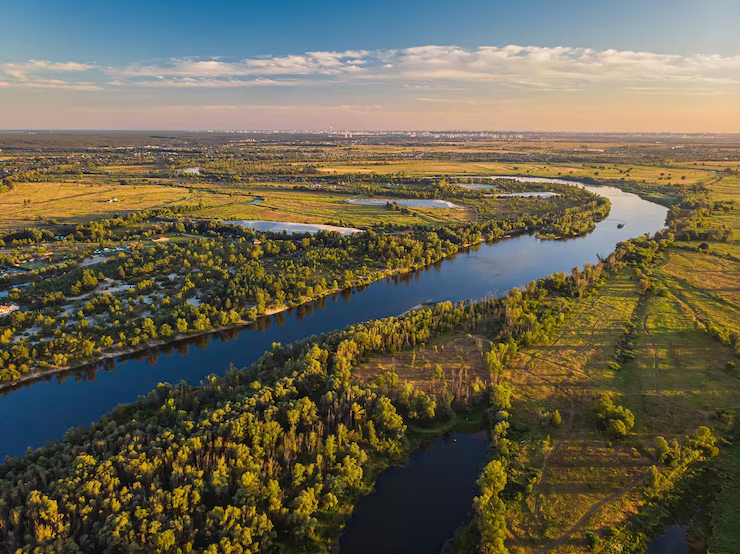
Top 20 Tourist Places in the Democratic Republic of the Congo
1. Kinshasa – Cultural Capital on the Congo River
Kinshasa is the vibrant capital city of the Democratic Republic of the Congo and one of Africa’s largest urban centers. Located along the mighty Congo River, the city is known for its energetic music scene, rich cultural life, and creative spirit. Kinshasa is considered the heart of Congolese music, particularly rumba and soukous, which have influenced African music worldwide.
The city’s neighborhoods buzz with street markets, art galleries, live music venues, and colorful murals. Visitors can explore cultural institutions such as the National Museum of the DRC, which showcases the country’s diverse ethnic heritage, traditional masks, sculptures, and historical artifacts. Along the riverfront, Kinshasa offers scenic views and opportunities to experience daily life along one of the world’s great rivers.
Despite its fast pace, Kinshasa reveals warmth through its people, food, and artistic expression. Local cuisine, lively nightlife, and spontaneous street performances make the city an unforgettable cultural experience. Kinshasa is not just a gateway to the Congo—it is a destination where modern life and tradition coexist in powerful ways.
2. Congo River – Lifeline of Central Africa
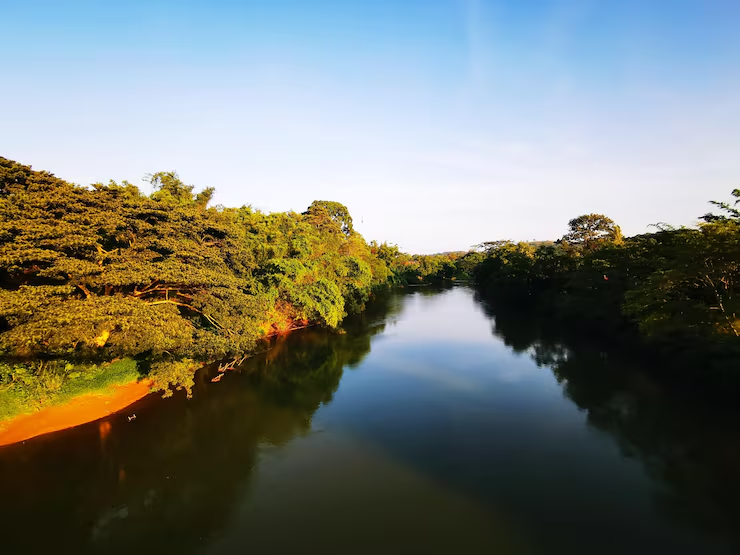
The Congo River is one of the longest, deepest, and most powerful rivers on Earth, playing a vital role in the geography, culture, and economy of Central Africa. Flowing through dense rainforests and major cities like Kinshasa and Kisangani, the river has shaped human life in the region for thousands of years.
Traveling along the Congo River offers a rare glimpse into remote villages, river markets, and untouched natural landscapes. Canoes, ferries, and cargo boats form the main transport routes for millions of people living along its banks. The river supports fishing, agriculture, and trade, making it a true lifeline of the nation.
For travelers, the Congo River provides scenic beauty, wildlife sightings, and cultural encounters. From wide, calm stretches to powerful rapids, the river’s changing character adds to its mystique. Exploring the Congo River is essential to understanding the soul and scale of the Democratic Republic of the Congo.
3. Livingstone Falls – Thunderous Power Near Kinshasa
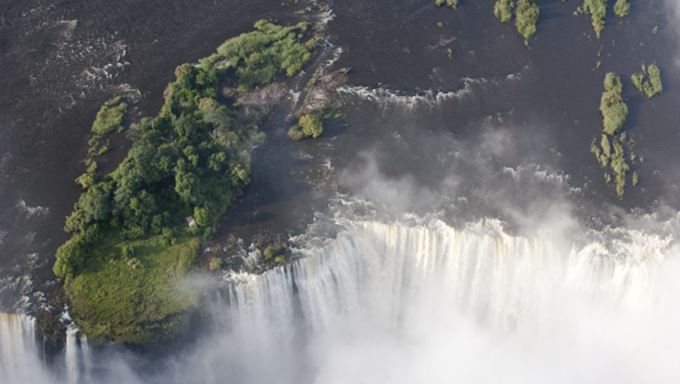
Livingstone Falls is a dramatic series of rapids and waterfalls located between Kinshasa and Matadi. Rather than a single waterfall, it consists of multiple powerful cascades and turbulent channels, making it one of the most energetic river sections in the world.
These falls prevent direct navigation to the Atlantic Ocean, shaping Congo’s transportation history. The sheer force and scale of the water create an awe-inspiring natural spectacle, especially during the rainy season when water levels rise dramatically.
Though not always easily accessible, viewing Livingstone Falls offers a raw and unforgettable experience of nature’s power. The surrounding landscape, combined with the roaring sound of water, highlights the untamed beauty of the Congo River system.
4. Inga Falls – Hydroelectric Giant of Africa
Inga Falls is one of the most powerful waterfall systems in the world and the site of Africa’s largest hydroelectric projects. Located on the Congo River, the falls are characterized by massive water volume rather than vertical height.
The Inga Dams harness this immense power to generate electricity, with the potential to supply energy across Africa. Beyond engineering significance, the area offers dramatic river scenery and insight into the country’s development challenges and ambitions.
Inga Falls symbolizes the natural strength of the Congo and its potential to transform the continent through sustainable energy.
5. Virunga National Park – Gorillas and Volcanoes
Virunga National Park is Africa’s oldest national park and a UNESCO World Heritage Site. Located in eastern DRC, it is famous for its endangered mountain gorillas, active volcanoes, and incredible biodiversity.
The park features rainforests, savannahs, glaciers, and lava plains. Gorilla trekking is the main attraction, offering visitors a rare and emotional encounter with these gentle giants. Virunga is also home to Mount Nyiragongo and diverse wildlife such as elephants, hippos, and birds.
Virunga represents both natural beauty and conservation resilience, making it one of Africa’s most extraordinary destinations.
6. Mount Nyiragongo – The World’s Largest Lava Lake
Mount Nyiragongo is one of the most active and fascinating volcanoes on Earth, famous for hosting the largest permanent lava lake in the world. Located in eastern Democratic Republic of the Congo near the city of Goma, this stratovolcano offers one of Africa’s most dramatic natural experiences.
Adventurous travelers can embark on a guided hike to the summit, which usually takes about five to six hours. The climb passes through lava fields, forests, and rugged volcanic terrain. At the top, visitors are rewarded with a breathtaking view of glowing molten lava churning inside the crater, especially mesmerizing at night.
Nyiragongo has erupted several times in recent history, most notably in 2002 and 2021, reminding the world of its immense power. Despite this, controlled tourism and ranger-led treks have made visits possible while supporting conservation and local communities.
Mount Nyiragongo is not just a volcano—it’s a raw encounter with Earth’s inner forces and one of the most unforgettable sights in Africa.
7. Goma – Lakeside City in the Shadow of Volcanoes
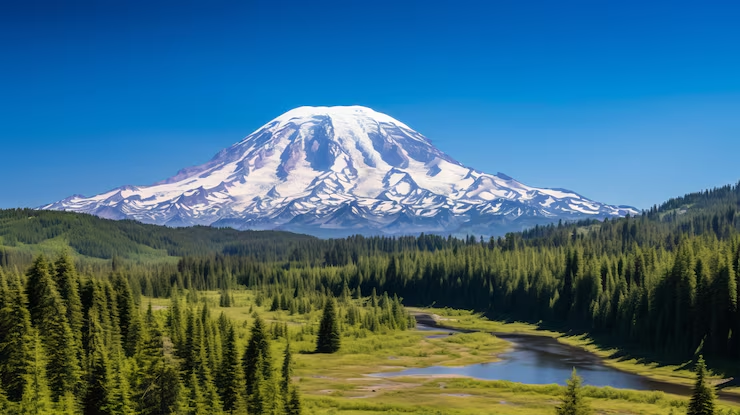
Goma is a dynamic city located on the northern shore of Lake Kivu, right on the border with Rwanda. Surrounded by volcanoes and lush landscapes, the city serves as a gateway to some of the DRC’s most remarkable natural attractions.
Despite facing challenges from volcanic eruptions and regional conflict, Goma remains resilient and lively. The city offers beautiful lake views, bustling markets, and a growing café and arts scene. Goma is also the main starting point for visits to Virunga National Park and Mount Nyiragongo.
Visitors can enjoy boat rides on Lake Kivu, explore nearby lava fields, or experience local culture through music and food. Goma reflects the strength and adaptability of its people and provides a unique perspective on life in eastern Congo.
8. Lake Kivu – Scenic Beauty Between Volcanoes
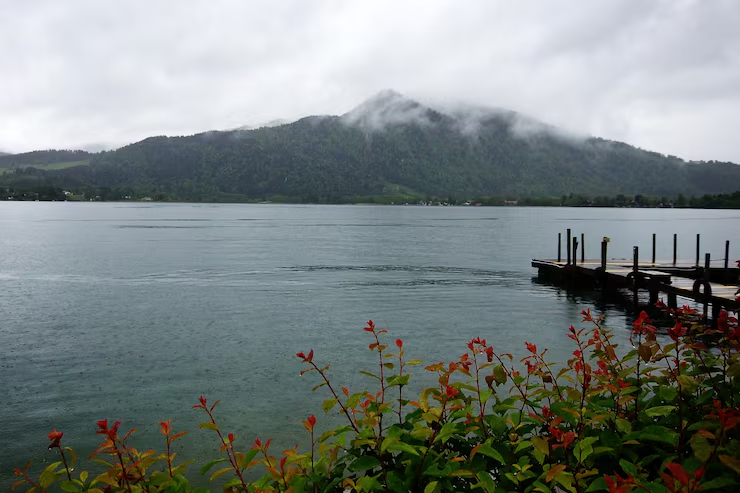
Lake Kivu is one of Africa’s Great Lakes and is shared between the Democratic Republic of the Congo and Rwanda. Surrounded by rolling hills and volcanic mountains, it is considered one of the most scenic lakes on the continent.
The lake’s calm waters contrast beautifully with the rugged landscape around it. Visitors can relax on the shores, enjoy boat trips, or explore fishing villages along the coastline. Lake Kivu is also known for its methane gas reserves beneath the surface, making it scientifically unique.
For travelers, Lake Kivu offers tranquility, stunning sunsets, and cultural encounters. It’s an ideal place to unwind after adventurous activities in nearby national parks and volcanoes.
9. Okapi Wildlife Reserve – Hidden Rainforest Treasure
The Okapi Wildlife Reserve is a vast UNESCO World Heritage Site located in the Ituri Rainforest of northeastern DRC. It protects a rich ecosystem and is one of the last strongholds of the rare okapi, an animal found only in the Congo.
The reserve is home to dense rainforest, rivers, and extraordinary biodiversity, including forest elephants, chimpanzees, and hundreds of bird species. It is also inhabited by indigenous communities, including the Mbuti people, whose traditional forest lifestyles are deeply connected to the land.
Although tourism here is limited due to remoteness, the Okapi Wildlife Reserve plays a critical role in global conservation efforts. It represents the heart of the Congo Basin’s natural heritage and ecological importance.
10. Ituri Rainforest – Heart of the Congo Basin
The Ituri Rainforest is one of the oldest and most biologically diverse rainforests in Africa. Covering a vast area in northeastern DRC, it is home to towering trees, rare wildlife, and indigenous cultures that have lived sustainably in the forest for generations.
The rainforest supports species such as forest elephants, leopards, and countless insects and birds. It is also culturally significant, as it is home to indigenous hunter-gatherer communities whose traditions are closely tied to the forest ecosystem.
Exploring the Ituri Rainforest offers a deep connection to nature and an understanding of the Congo Basin’s global environmental importance. It is one of the most vital natural regions on Earth.
11. Garamba National Park – Savannah Wilderness of the Congo
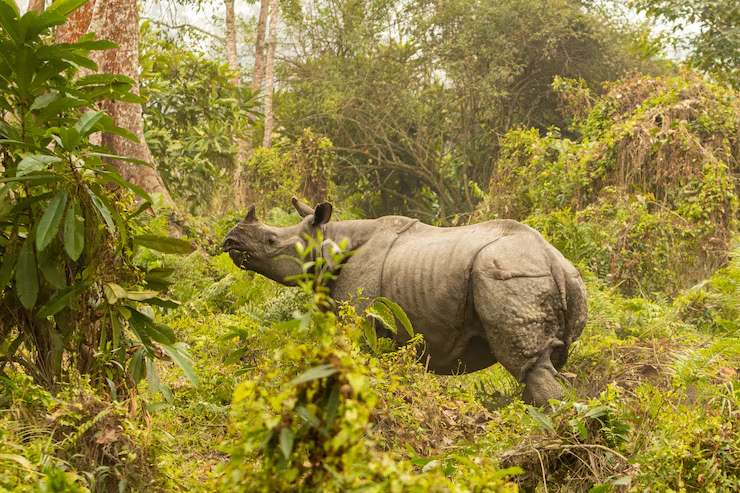
Garamba National Park is one of Africa’s oldest national parks and a UNESCO World Heritage Site located in northeastern Democratic Republic of the Congo. Unlike the country’s dense rainforests, Garamba protects vast savannah grasslands, woodlands, and rivers, offering a different ecological experience.
The park is known for its population of elephants, giraffes, buffalo, antelope species, and large predators such as lions and leopards. Historically, Garamba was also famous as the last refuge of the northern white rhinoceros, highlighting its importance in global conservation history.
Although tourism is limited due to remoteness, Garamba represents one of Africa’s most important wildlife conservation areas. Its landscapes feel untouched and wild, making it a symbol of nature’s resilience. The park’s conservation efforts are vital for protecting endangered species and preserving Central Africa’s savannah ecosystems.
12. Salonga National Park – World’s Largest Tropical Rainforest Park
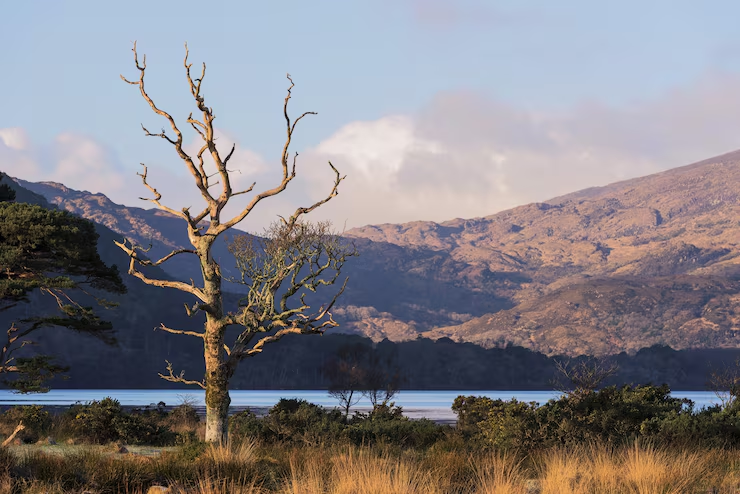
Salonga National Park is Africa’s largest tropical rainforest national park and a UNESCO World Heritage Site. Located deep in the Congo Basin, it is accessible mainly by river, adding to its sense of isolation and mystery.
The park protects vast stretches of pristine rainforest and is home to rare species such as the bonobo, Congo peacock, forest elephants, and numerous endemic plants. Salonga plays a crucial role in maintaining global biodiversity and regulating climate.
Because of its remote location, Salonga remains largely untouched by mass tourism. It stands as one of the most important wilderness areas on Earth and a vital sanctuary for species found nowhere else.
13. Lomami National Park – Refuge for Endemic Species
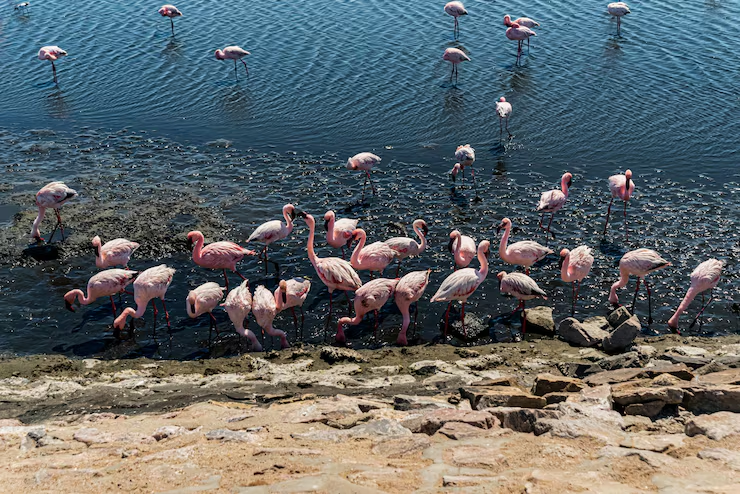
Lomami National Park is one of the newest national parks in the Democratic Republic of the Congo, established to protect central Congo’s unique ecosystems. Located between the Lomami and Lualaba rivers, the park safeguards rainforest, rivers, and wildlife found nowhere else.
The park is especially important for the conservation of the lesula monkey, a species discovered only recently. Other wildlife includes forest elephants, primates, and rare bird species. Lomami also protects the lands of local communities who rely on the forest for sustainable living.
Lomami National Park represents hope for conservation in the Congo, showing that protection and community involvement can preserve biodiversity in remote regions.
14. Boyoma Falls – Powerful Cataracts of the Congo River
Boyoma Falls, formerly known as Stanley Falls, is a series of seven powerful cataracts located near Kisangani. Unlike tall waterfalls, Boyoma Falls stretches across a wide section of the Congo River, creating roaring rapids and dramatic scenery.
The falls are historically significant, as they marked important exploration routes during the colonial era. Today, they remain a striking natural attraction that showcases the immense force of the Congo River.
Visiting Boyoma Falls offers a chance to experience raw river power and understand the scale of Africa’s second-largest river system.
15. Kisangani – Historic City at the Congo River Bend
Kisangani is a historic river city located where the Congo River bends and becomes navigable again after Boyoma Falls. It has long been a strategic trading and transportation hub in Central Africa.
The city is known for its colonial architecture, river ports, and lively markets. Kisangani also serves as a gateway to nearby rainforests and waterfalls. Despite facing historical conflicts, the city remains culturally rich and full of character.
Kisangani offers insight into river-based life in the Congo and serves as a link between the country’s interior and the wider river network.
16. Lake Tanganyika (DRC Side) – One of the World’s Deepest Lakes
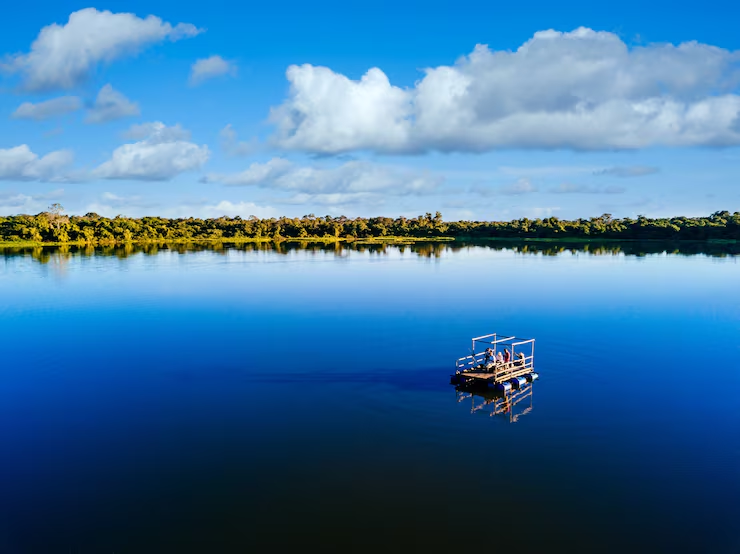
Lake Tanganyika is one of the deepest and oldest freshwater lakes on Earth, stretching along the eastern border of the Democratic Republic of the Congo. The lake is shared with several countries, but the DRC side offers some of the most untouched and scenic shorelines.
The lake’s crystal-clear waters support extraordinary biodiversity, including hundreds of fish species found nowhere else in the world. Fishing communities line the shores, maintaining traditional lifestyles that have remained unchanged for generations. Visitors can enjoy swimming, boating, and observing daily life along the lakeside.
Surrounded by hills and distant mountains, Lake Tanganyika offers peaceful landscapes and stunning sunsets. It is not only a natural wonder but also a crucial source of food, transport, and livelihood for millions of people. For travelers seeking quiet beauty and cultural immersion, the Congolese side of Lake Tanganyika is a hidden gem.
17. Kalemie – Tranquil Lakeside City
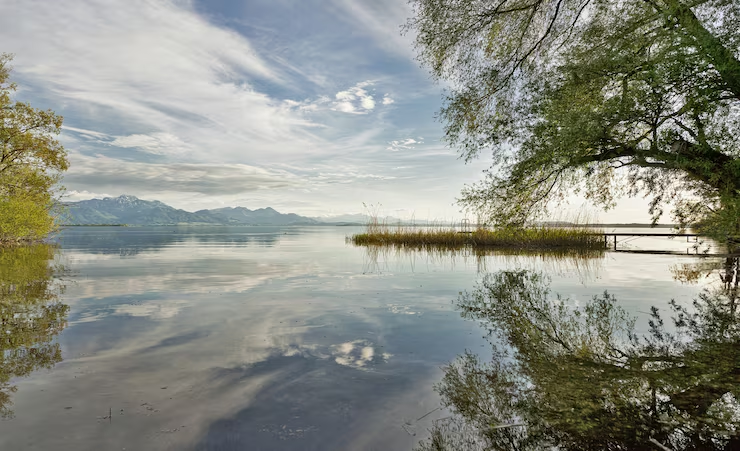
Kalemie is a calm and welcoming city located on the western shore of Lake Tanganyika. It serves as an important port and transportation hub, connecting eastern Congo with other regions along the lake.
The city is known for its relaxed atmosphere, sandy lakeside beaches, and friendly local communities. Fishing boats, markets, and lakeside promenades reflect daily life centered around the lake. Kalemie also acts as a gateway for exploring nearby natural attractions and inland landscapes.
Unlike larger cities, Kalemie offers a slower pace that allows visitors to connect more deeply with local culture. Its scenic lake views and peaceful environment make it an ideal destination for relaxation after adventurous travel through eastern Congo.
18. Upemba National Park – Savannah, Wetlands, and Wildlife
Upemba National Park is a vast and diverse protected area in southeastern DRC, featuring savannahs, wetlands, rivers, and plateaus. The park is one of the country’s least explored but most ecologically important regions.
Upemba is home to antelope species, birds, reptiles, and wetland wildlife adapted to its varied habitats. Seasonal floods create rich ecosystems that support biodiversity and traditional livelihoods.
Although tourism infrastructure is limited, Upemba National Park represents an important conservation area and a future destination for eco-tourism. Its remote landscapes highlight the immense natural diversity of the Democratic Republic of the Congo.
19. Kahuzi-Biéga National Park – Home of Eastern Lowland Gorillas
Kahuzi-Biéga National Park is a UNESCO World Heritage Site located near Bukavu in eastern DRC. It is world-famous for protecting the eastern lowland gorilla, the largest gorilla subspecies.
The park spans both lowland rainforest and highland terrain dominated by extinct volcanoes Mount Kahuzi and Mount Biéga. Guided gorilla trekking allows visitors to observe these gentle giants in their natural habitat, offering a deeply emotional and unforgettable experience.
Beyond gorillas, the park hosts forest elephants, primates, birds, and rare plant species. Kahuzi-Biéga represents one of Africa’s most significant conservation areas and a symbol of successful wildlife protection.
20. Bukavu – Lakeside City of Culture and Nature
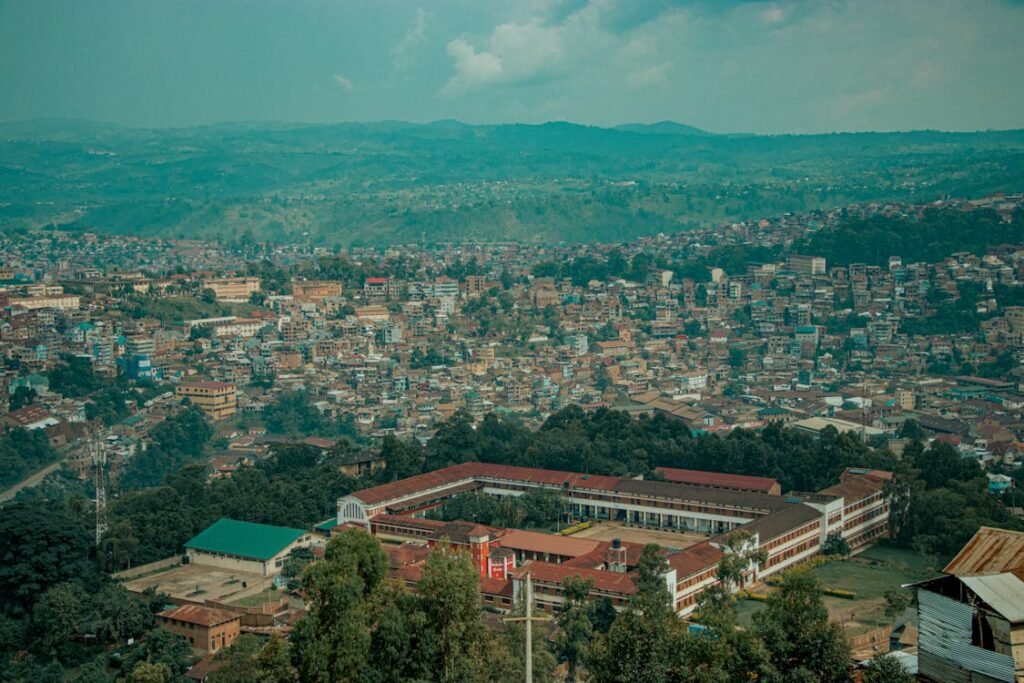
Bukavu is a picturesque city located on the southern shore of Lake Kivu, near the border with Rwanda. Known for its colonial-era architecture, hills, and lake views, Bukavu is one of eastern Congo’s most charming cities.
The city serves as the main base for visiting Kahuzi-Biéga National Park and exploring Lake Kivu. Local markets, cultural centers, and waterfront areas showcase the region’s vibrant traditions and daily life.
Bukavu’s combination of natural beauty, cultural richness, and access to world-class wildlife experiences makes it a perfect conclusion to any journey through the Democratic Republic of the Congo.