
Now Reading: Top 5 Places to Visit in Catamarca Province
-
01
Top 5 Places to Visit in Catamarca Province
Top 5 Places to Visit in Catamarca Province
Catamarca Province: Argentina’s Land of Volcanoes, Hot Springs, and High-Andes Wonders
Hidden in northwestern Argentina, Catamarca Province is one of the country’s most dramatic and least-crowded destinations. Defined by towering volcanoes, arid valleys, ancient cultures, and untouched landscapes, Catamarca offers travelers a rare chance to experience Argentina in its rawest and most authentic form. Unlike the bustling tourist hubs of the south or the wine regions of the west, Catamarca remains peaceful, wild, and deeply connected to nature and tradition.
This province is shaped by the Andes Mountains, high-altitude deserts, and centuries-old indigenous heritage. From steaming thermal pools in the desert to volcanic routes that climb above 6,000 meters, Catamarca is a destination for adventure seekers, photographers, nature lovers, and cultural explorers alike.
Among Catamarca’s many natural and cultural treasures, Fiambalá Hot Springs, Ruta de los Seismiles, San Fernando del Valle de Catamarca, Campo de Piedra Pómez, and Laguna Blanca Reserve stand out as must-visit places that capture the spirit of the province.
Fiambalá Hot Springs – Healing Waters in the Desert
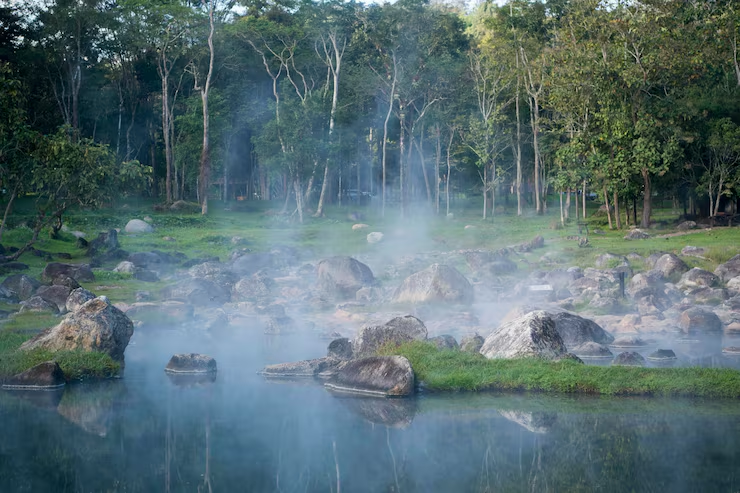
The Fiambalá Hot Springs are one of Catamarca’s most famous and rewarding attractions. Located near the town of Fiambalá, these natural thermal pools sit in a stark desert landscape framed by mountains and wide open skies. The contrast between the dry surroundings and the warm, mineral-rich waters creates a uniquely relaxing experience.
The hot springs are arranged in a series of outdoor stone pools at different temperatures, allowing visitors to choose their comfort level. The water is believed to have therapeutic properties, helping with muscle relaxation, stress relief, and circulation.
Visiting the Fiambalá Hot Springs at sunset or under a star-filled night sky is particularly magical. With minimal light pollution, the stars shine brightly, turning a simple soak into an unforgettable moment of peace. The site is well-maintained and accessible, making it suitable for both adventure travelers and those seeking wellness and relaxation.
Fiambalá Hot Springs perfectly represent Catamarca’s ability to offer comfort and serenity in one of Argentina’s most rugged environments.
Ruta de los Seismiles – Among the World’s Highest Volcanoes

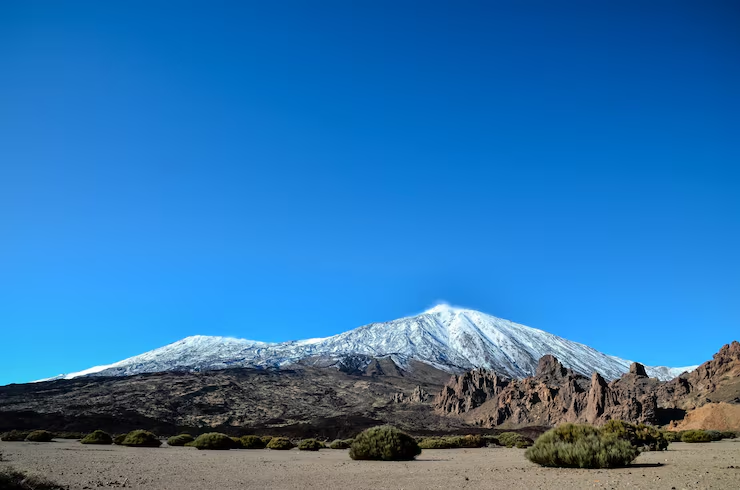
The Ruta de los Seismiles is one of the most spectacular high-altitude routes in South America. This remote road runs through a region containing numerous volcanoes that rise above 6,000 meters, including some of the tallest in the world. The name “Seismiles” refers to these towering peaks, which dominate the horizon with snow-capped summits and stark beauty.
Driving along this route is an experience unlike any other. The landscape is vast and surreal, featuring salt flats, lava fields, colorful rock formations, and high-altitude lagoons. The silence and isolation create a sense of awe, making travelers feel truly connected to the natural world.
The Ruta de los Seismiles is ideal for experienced travelers, photographers, mountaineers, and geology enthusiasts. While the journey requires preparation due to altitude and remote conditions, the reward is an unforgettable adventure through one of Argentina’s most extreme and beautiful regions.
This route showcases Catamarca as a destination of epic scale and raw natural power.
San Fernando del Valle de Catamarca – History and Spiritual Heritage

San Fernando del Valle de Catamarca, the provincial capital, offers a gentler and more cultural contrast to Catamarca’s wild landscapes. Nestled between mountains, the city is known for its colonial architecture, religious landmarks, and relaxed atmosphere.
One of the city’s most important sites is the Cathedral Basilica of Our Lady of the Valley, a major pilgrimage destination. The cathedral houses the revered Virgin of the Valley, making the city an important spiritual center in Argentina.
Strolling through the city reveals tree-lined streets, plazas, museums, and traditional markets. The historic center reflects Spanish colonial influence, while local festivals and crafts highlight the province’s indigenous roots.
San Fernando del Valle serves as an excellent base for exploring the rest of Catamarca. It offers comfortable accommodations, regional cuisine, and a welcoming local culture that helps visitors understand the human history behind the province’s dramatic landscapes.
Campo de Piedra Pómez – A Surreal Volcanic Landscape

The Campo de Piedra Pómez is one of Catamarca’s most visually striking natural wonders. Located at high altitude near the town of El Peñón, this vast field of white volcanic rock looks almost like a frozen snow landscape—despite being in the desert.
Formed by ancient volcanic eruptions, the area is covered in soft, sculpted pumice stone shaped by wind and time. The result is a surreal terrain of rolling white formations that change color depending on the light.
Walking through the Campo de Piedra Pómez feels like stepping onto another planet. The silence, open sky, and unusual textures make it a favorite destination for photographers and adventure travelers.
Due to its remote location and fragile environment, visits are usually done with local guides, helping preserve the area while ensuring visitor safety. This site highlights Catamarca’s geological uniqueness and otherworldly beauty.
Laguna Blanca Reserve – Wildlife in the High Andes
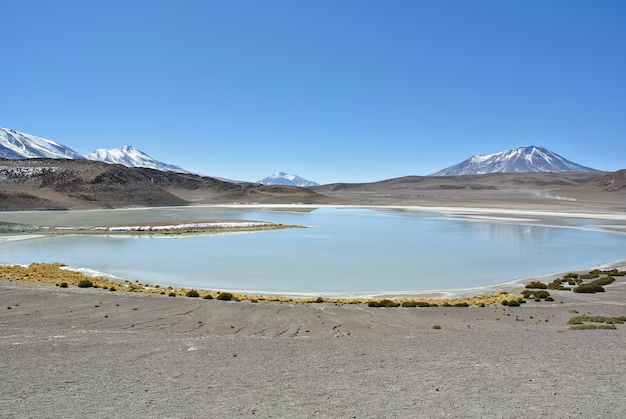
The Laguna Blanca Reserve is a protected natural area located in the high Andes of Catamarca. This remote reserve is home to diverse wildlife and stunning high-altitude scenery, making it a paradise for nature enthusiasts.
The reserve’s central feature is Laguna Blanca itself, a shimmering high-mountain lagoon surrounded by volcanic peaks and open plains. The area supports populations of flamingos, vicuñas, foxes, and Andean birds, all adapted to the harsh conditions of the region.
Laguna Blanca is also culturally significant, as local indigenous communities live in harmony with the land, maintaining traditional lifestyles and sustainable practices. Visitors can learn about Andean culture while observing wildlife in its natural habitat.
The reserve offers hiking, wildlife observation, and photography opportunities in an environment that feels untouched and timeless. It represents Catamarca’s commitment to conservation and cultural preservation.