
Now Reading: Top 5 Tourist Places in Alexandria For Egypt.
-
01
Top 5 Tourist Places in Alexandria For Egypt.
Top 5 Tourist Places in Alexandria For Egypt.
Alexandria is not just a city — it is a story written by centuries of civilizations, philosophers, emperors, sailors, and dreamers. Founded by Alexander the Great in 331 BC, this Mediterranean masterpiece became one of the most powerful cultural and intellectual capitals of the ancient world. Unlike Cairo’s bustling deserts and pyramids, Alexandria offers something different: cool sea breezes, European-influenced architecture, coastal romance, and layers of Greek, Roman, Islamic, and modern Egyptian heritage.
Once home to the legendary Lighthouse of Alexandria — one of the Seven Wonders of the Ancient World — and the Great Library of Alexandria, the city was the beating heart of knowledge, science, and philosophy. Though time has reshaped the skyline, Alexandria still carries an intellectual elegance and maritime charm that makes it one of Egypt’s most unique destinations.
In this in-depth travel guide, we explore five of Alexandria’s most iconic attractions:
- Bibliotheca Alexandrina
- Citadel of Qaitbay
- Montaza Palace
- Kom El Shoqafa Catacombs
- Corniche Waterfront
Let’s journey through this Mediterranean gem.
1. Bibliotheca Alexandrina – Reawakening the Spirit of the Ancient Library
When people think of Alexandria, one of the first images that comes to mind is the Great Library of Alexandria — the most famous center of learning in the ancient world. Established in the 3rd century BC during the reign of Ptolemy I, the original library aimed to collect all human knowledge. Scholars from across the ancient world gathered here to study mathematics, astronomy, medicine, philosophy, and literature.
Although the ancient library was destroyed centuries ago due to political conflicts and fires, its legacy remains one of humanity’s greatest intellectual achievements.
A Modern Architectural Wonder
The Bibliotheca Alexandrina, inaugurated in 2002, is a powerful tribute to that lost treasure. Designed as a massive tilted circular structure symbolizing the rising sun of knowledge, the building is one of the most impressive modern libraries in the world.
The outer granite walls are engraved with alphabets from hundreds of languages — a symbolic reminder that knowledge belongs to all humanity. Overlooking the Mediterranean Sea, the library reflects sunlight beautifully, creating a stunning visual effect throughout the day.
Inside the Library
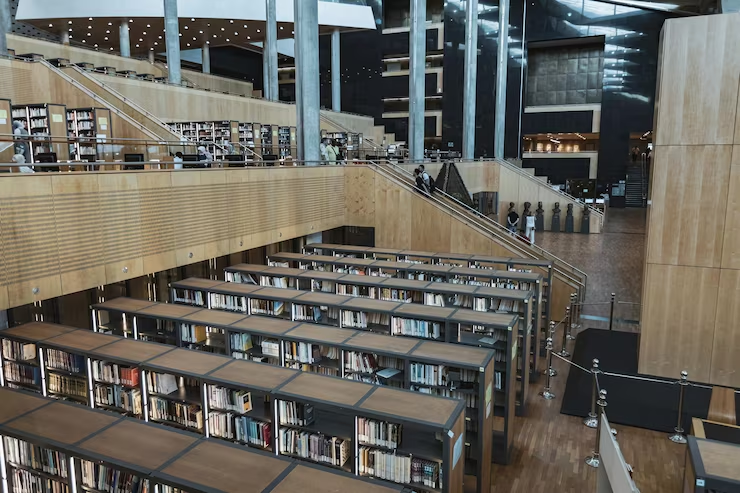
The main reading hall is breathtaking. Spread across eleven cascading levels, it can accommodate thousands of readers at once. Natural sunlight enters through the slanted glass roof, creating a peaceful and inspiring atmosphere.
But the Bibliotheca Alexandrina is much more than just a library. It includes:
- A manuscript restoration laboratory
- The Antiquities Museum
- The Sadat Museum
- Art galleries
- A planetarium
- Research centers
- Specialized libraries for children and visually impaired visitors
The Antiquities Museum inside the library displays fascinating artifacts from Egypt’s Greek and Roman periods, including statues recovered from underwater excavations in Alexandria’s harbor.
Cultural Hub of the Mediterranean
Today, the Bibliotheca Alexandrina hosts international conferences, book fairs, art exhibitions, film screenings, and academic discussions. It has reestablished Alexandria as a center of cultural dialogue and intellectual exchange.
For visitors, guided tours provide deeper insights into the symbolism and design of the building. Even if you’re not a book enthusiast, the architecture and atmosphere alone make this place unforgettable.
2. Citadel of Qaitbay – Standing Where a Wonder Once Rose
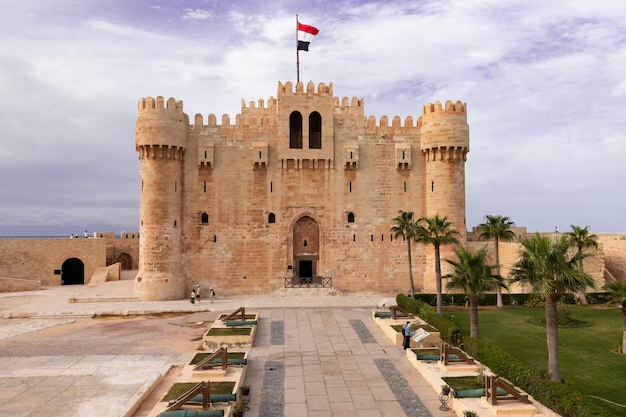
On the edge of the Mediterranean Sea stands the majestic Citadel of Qaitbay. Built in 1477 AD by Sultan Al-Ashraf Qaitbay, this fortress occupies one of the most historically significant sites in the world — the very location of the ancient Lighthouse of Alexandria (Pharos).
The lighthouse once stood over 100 meters tall and guided ships safely into the harbor for centuries before being destroyed by earthquakes in the 14th century.
A Fortress with Strategic Importance
Recognizing the importance of this location, Sultan Qaitbay built a defensive fortress using stones from the fallen lighthouse. The citadel served as a military stronghold protecting Egypt from naval invasions.
The structure reflects classic Mamluk military architecture, featuring:
- Thick limestone walls
- Watchtowers
- Defensive corridors
- Arrow slits and battlements
Exploring the Citadel
Visitors can explore the inner courtyard, climb narrow staircases, and access the upper towers. From the rooftop, the panoramic view of the Mediterranean is spectacular. You can see fishing boats drifting in the harbor and waves crashing against the rocks below.
Standing here, you can imagine ancient sailors spotting the legendary lighthouse guiding them home.
Best Time to Visit
Late afternoon is the ideal time to visit. As the sun begins to set, the golden light enhances the fortress’s stone walls, creating dramatic photography opportunities.
Nearby, you’ll find seafood restaurants offering freshly grilled fish and traditional Egyptian dishes — making it easy to turn your visit into a complete seaside experience.
3. Montaza Palace – Royal Serenity by the Sea
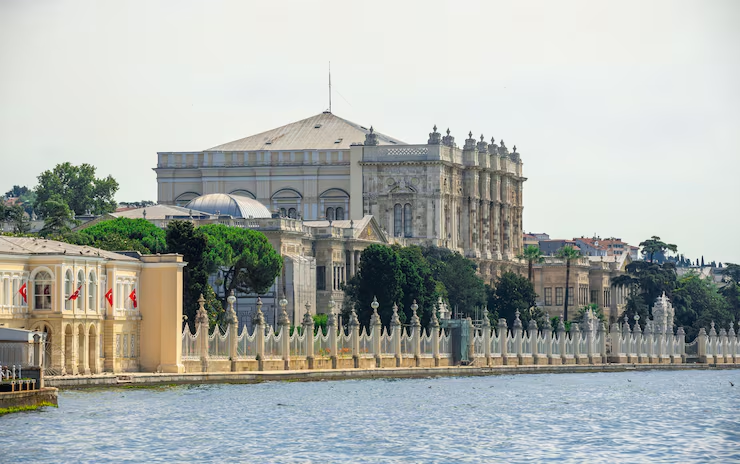
If Alexandria had a royal garden paradise, it would be Montaza Palace. Located in the eastern district of the city, this stunning complex once served as a summer residence for Egypt’s royal family.
Royal History and Architecture
Built in 1892 by Khedive Abbas II, Montaza Palace combines Ottoman and Florentine architectural styles. Its distinctive red-brick towers and elegant balconies give it a fairy-tale appearance.
The complex includes two main palaces:
- Salamlek Palace (now a luxury hotel)
- Haramlek Palace
Although access inside the palace buildings is limited, the surrounding gardens are open to the public.
Montaza Gardens – A Green Escape
Spread across 150 acres, the gardens are filled with palm trees, flowerbeds, and beautifully landscaped lawns. Walking through Montaza feels like stepping into a peaceful retreat far removed from city noise.
Locals often visit for:
- Family picnics
- Jogging and cycling
- Relaxing by the sea
- Photography sessions
Beaches and Mediterranean Views
Montaza also features private beaches with crystal-clear water. The blend of greenery and sea creates a refreshing coastal atmosphere that distinguishes Alexandria from other Egyptian cities.
It’s especially romantic during sunrise or sunset when the sky reflects soft hues over the water.
4. Kom El Shoqafa Catacombs – Underground Wonders of Roman Alexandria
Hidden beneath the surface of Alexandria lies one of the most fascinating archaeological sites in Egypt — the Catacombs of Kom El Shoqafa.
Dating back to the 2nd century AD, these catacombs are considered one of the Seven Wonders of the Middle Ages.
Discovery by Accident
The site was discovered in 1900 when a donkey accidentally fell into a hole, revealing a hidden underground world.
Unique Cultural Fusion
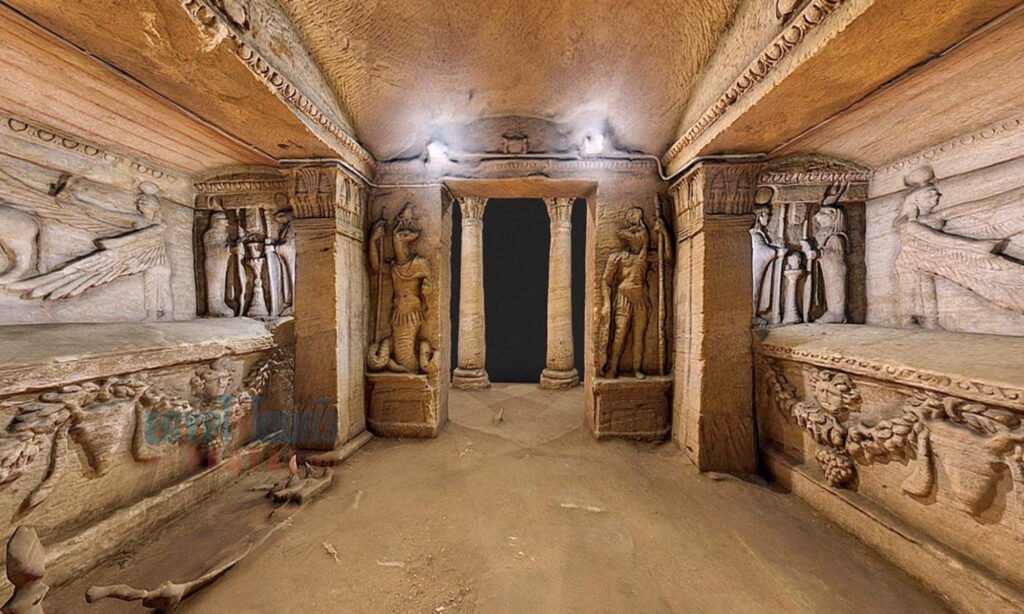
What makes Kom El Shoqafa extraordinary is its blend of Egyptian, Greek, and Roman art styles. This fusion reflects Alexandria’s multicultural identity during Roman rule.
Inside, you’ll find:
- A spiral staircase descending 20 meters underground
- Burial chambers
- Stone sarcophagi
- Carvings combining Egyptian gods with Roman military attire
For example, statues of Anubis are depicted wearing Roman armor — a striking symbol of cultural integration.
The Hall of Caracalla
One of the notable chambers is believed to contain remains linked to the massacre ordered by Emperor Caracalla.
Walking through the dimly lit corridors creates a mysterious and slightly haunting atmosphere, making it one of the most unforgettable experiences in Alexandria.
5. Corniche Waterfront – The Beating Heart of the City
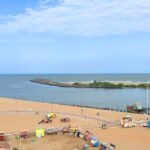
Stretching along the Mediterranean coastline, the Corniche is the soul of Alexandria.
This scenic waterfront promenade runs for over 15 kilometers and connects many of the city’s major landmarks.
A Walk Along the Sea
Walking along the Corniche, you’ll see:
- Waves crashing against the shore
- Colorful fishing boats
- Colonial-era buildings
- Street vendors selling snacks
- Cafés filled with locals
The sea breeze brings relief from Egypt’s warm climate, making it the perfect place for evening strolls.
Experience Local Life
The Corniche is where Alexandria truly comes alive. Families gather for sunset walks, couples sit watching the horizon, and fishermen prepare their nets.
Cafés along the promenade serve Egyptian tea, fresh juices, and seafood dishes. Sitting at a seaside café while listening to the rhythm of the waves is an experience you won’t forget.
Sunset Magic
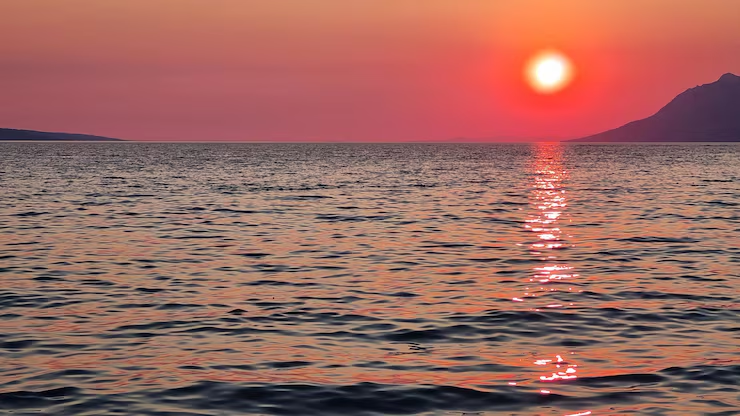
Sunset at the Corniche is breathtaking. The Mediterranean sky turns shades of gold, orange, and pink, reflecting beautifully on the water.
It’s the perfect way to end your day in Alexandria.
Why Alexandria Should Be on Your Travel List
Alexandria is a city of contrasts. It blends ancient ruins with modern intellectual spaces. It combines Islamic fortresses with Roman tombs. It offers both royal gardens and lively seaside promenades.
Unlike other Egyptian cities dominated by desert landscapes, Alexandria’s Mediterranean setting gives it a softer, more romantic personality.
Here, you can:
- Explore ancient history
- Relax by the sea
- Discover architectural beauty
- Enjoy fresh seafood
- Experience authentic Egyptian coastal life
Whether you’re a history lover, cultural traveler, photographer, or simply someone seeking a scenic coastal getaway, Alexandria delivers a rich and memorable experience.
From the knowledge-filled halls of the Bibliotheca Alexandrina to the sea-guarding Citadel of Qaitbay, from the royal elegance of Montaza Palace to the mysterious depths of Kom El Shoqafa, and finally to the vibrant Corniche — Alexandria tells a story that spans over two thousand years.
And when you stand by the Mediterranean at sunset, feeling the breeze and watching the horizon, you’ll understand why this city has inspired poets, scholars, and travelers for centuries.