
Now Reading: Top 5 Tourist Places in Aswan For Egypt.
-
01
Top 5 Tourist Places in Aswan For Egypt.
Top 5 Tourist Places in Aswan For Egypt.
Located in southern Egypt along the banks of the Nile River, Aswan is a city of golden deserts, peaceful river views, ancient temples, and vibrant Nubian culture. Unlike the crowded streets of Cairo or the monumental temples of Luxor, Aswan offers a calm and romantic atmosphere shaped by the rhythm of the Nile.
For thousands of years, Aswan has been a gateway between Egypt and Africa. It was once a strategic frontier town marking the southern boundary of ancient Egypt. Pharaohs, traders, Nubians, Romans, and modern Egyptians have all left their mark on this beautiful region.
Today, Aswan attracts travelers who want to experience:
- Magnificent ancient temples
- Massive engineering achievements
- Authentic Nubian culture
- Scenic Nile islands
- Stunning desert landscapes
In this in-depth guide, we explore five must-visit places in Aswan:
- Philae Temple
- Abu Simbel
- Aswan High Dam
- Nubian Village
- Elephantine Island
Let’s journey into the heart of Upper Egypt.
1. Philae Temple – The Sacred Island of Isis
A Temple Rescued from the Nile
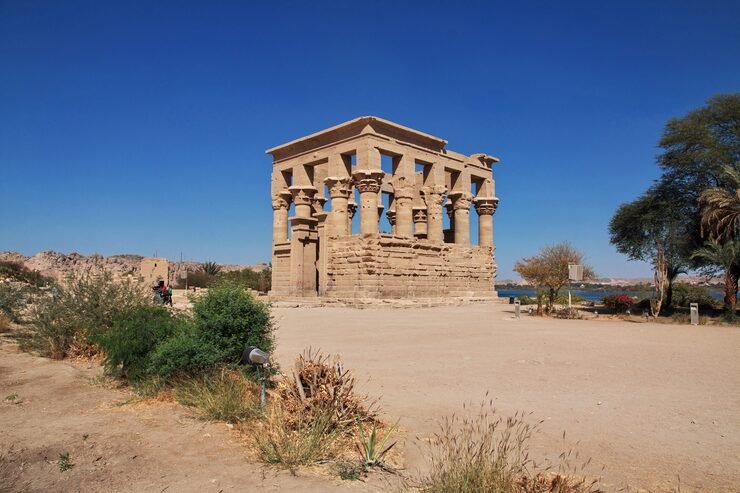
Philae Temple is one of the most beautiful and romantic temples in Egypt. Dedicated to Isis, the goddess of love, magic, and motherhood, this temple complex once stood on Philae Island in the Nile.
However, when the Aswan High Dam was built in the 1960s, rising water levels threatened to submerge the temple permanently. In an extraordinary international rescue effort led by UNESCO, the entire temple complex was carefully dismantled and relocated to Agilkia Island, where it stands today.
This incredible preservation effort saved one of Egypt’s greatest treasures.
Arrival by Boat – A Magical Beginning
One of the most enchanting parts of visiting Philae Temple is the boat ride to the island. Small motorboats take visitors across the shimmering Nile waters. As you approach, the temple rises dramatically from the island, framed by blue skies and palm trees.
The view feels almost cinematic — like stepping into an ancient legend.
Architecture and Historical Importance
Philae Temple was mainly built during the Ptolemaic period (around 380–362 BC) and later expanded by Roman emperors. Despite being constructed centuries after the great pyramids, the temple preserves traditional ancient Egyptian architectural style.
Inside the complex, you will find:
- The First Pylon (massive entrance gateway)
- Courtyards surrounded by elegant columns
- Hypostyle halls
- The inner sanctuary dedicated to Isis
- Detailed hieroglyphic carvings
The carvings depict stories of Isis bringing her husband Osiris back to life, highlighting the temple’s spiritual significance.
Interestingly, Philae was one of the last places in Egypt where ancient Egyptian religion survived after Christianity spread through the country.
Best Time to Visit
Early morning or late afternoon is ideal to avoid crowds and heat. There is also a Sound and Light Show at night that brings the temple’s stories to life through dramatic narration and illumination.
Philae Temple is not just an archaeological site — it is a symbol of devotion, resilience, and international cooperation.
2. Abu Simbel – Ramses II’s Monument of Power
A Temple Built to Impress the World
Abu Simbel is one of Egypt’s most extraordinary monuments. Located about 280 kilometers south of Aswan near the Sudan border, these colossal temples were built by Pharaoh Ramses II in the 13th century BC.
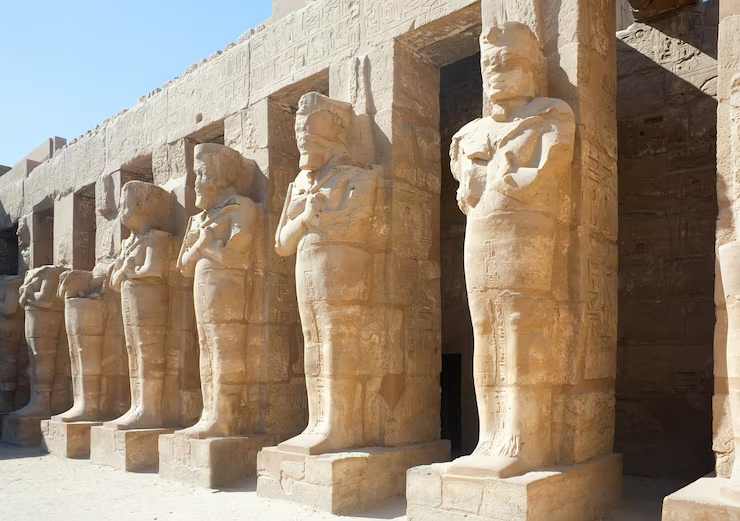
Carved directly into a mountainside, the Great Temple of Ramses II features four massive seated statues of the pharaoh, each about 20 meters tall.
These statues were designed to demonstrate Egypt’s power and to intimidate southern enemies.
The Great Temple of Ramses II
Inside the temple, walls are covered with relief carvings depicting Ramses II’s military victories, including the famous Battle of Kadesh.
The temple’s inner sanctuary contains statues of:
- Amun-Ra
- Ra-Horakhty
- Ptah
- Ramses II himself (deified as a god)
One of the most remarkable features of Abu Simbel is its solar alignment. Twice a year (February 22 and October 22), sunlight enters the temple and illuminates three of the four statues in the inner sanctuary — leaving Ptah, the god of darkness, in shadow.
This precise astronomical alignment reflects the advanced knowledge of ancient Egyptian architects.
The Temple of Nefertari
Next to the Great Temple stands a smaller temple dedicated to Queen Nefertari, Ramses II’s beloved wife. It is rare in ancient Egypt for a queen to be honored with a temple of equal grandeur.
Six statues decorate the facade — four of Ramses II and two of Nefertari — symbolizing her importance.
The Great Relocation
Like Philae Temple, Abu Simbel faced destruction when Lake Nasser was created. Between 1964 and 1968, the temples were cut into massive blocks and relocated to higher ground in one of the greatest archaeological rescue missions in history.
Standing before Abu Simbel today is overwhelming. The sheer size, artistic detail, and historical power of the site make it one of the most unforgettable experiences in Egypt.
3. Aswan High Dam – Modern Egypt’s Engineering Triumph
Controlling the Nile
For thousands of years, the Nile River’s annual floods determined Egypt’s agricultural success. While the floods were beneficial, they were unpredictable and sometimes devastating.
In the 1960s, Egypt built the Aswan High Dam to control flooding, generate electricity, and provide water storage.
Completed in 1970, the dam created Lake Nasser, one of the largest artificial lakes in the world.
Why It’s Important
The Aswan High Dam:
- Provides hydroelectric power to much of Egypt
- Controls flooding
- Supports irrigation year-round
- Stores water for drought years
The construction of the dam marked a turning point in Egypt’s modernization efforts.
Visiting the Dam
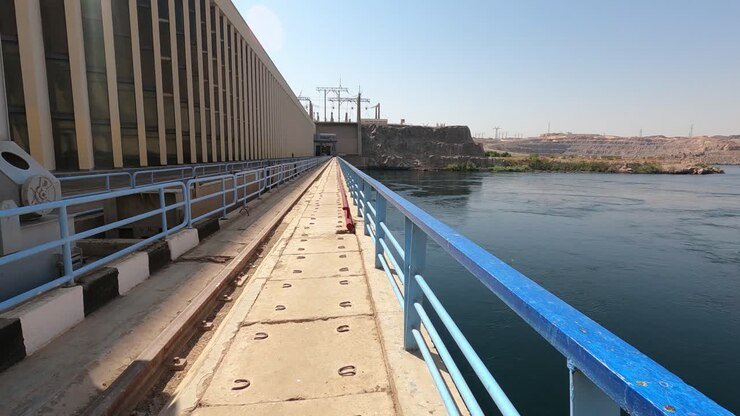
Visitors can walk along the top of the dam and enjoy panoramic views of Lake Nasser on one side and the Nile River on the other.
Although it may not have the romance of ancient temples, the Aswan High Dam represents modern Egypt’s ambition and engineering capability.
It also reminds visitors of the massive relocation projects required to save ancient monuments like Abu Simbel and Philae.
4. Nubian Village – A Celebration of Color and Culture
Who Are the Nubians?
The Nubians are one of the oldest civilizations in Africa, with a rich cultural heritage distinct from mainstream Egyptian culture. They have their own language, traditions, music, and architectural style.
Many Nubians were relocated after the construction of the Aswan High Dam, but their vibrant culture remains alive.
A Village of Color
Visiting a Nubian Village is one of the most joyful experiences in Aswan.
The homes are painted in bright shades of blue, yellow, pink, and green. Walls are decorated with traditional patterns, symbols, and artwork.
The atmosphere is welcoming and warm.
Cultural Experiences
In the village, you can:
- Enjoy traditional Nubian tea
- Listen to live Nubian music
- Taste local dishes
- Learn about Nubian history
- Buy handmade crafts and jewelry
Many homes keep small pet crocodiles (a local tradition linked to ancient beliefs about protection).
The visit is not just sightseeing — it’s cultural immersion.
Sunset Over the Nile
Most tours to the Nubian Village include a boat ride at sunset. Watching the sun set over the Nile while approaching the colorful houses is a magical experience.
The Nubian Village reminds visitors that Egypt’s identity is beautifully diverse.
5. Elephantine Island – Ancient Ruins and Peaceful Nile Views

A Historic Island in the Nile
Elephantine Island sits in the Nile River near central Aswan. It has been inhabited since ancient times and once served as a trading hub and military fortress.
The island’s name comes from its association with ivory trade (elephant tusks).
Archaeological Significance
On Elephantine Island, visitors can explore:
- Ruins of the Temple of Khnum (ram-headed god of the Nile)
- Nilometer (used to measure water levels of the Nile)
- Ancient settlement remains
The Nilometer was crucial in predicting flood levels and determining taxes based on agricultural productivity.
A Peaceful Escape
Beyond its ruins, Elephantine Island offers stunning Nile views and a relaxed atmosphere. It is less crowded than major temples, making it ideal for quiet exploration.
Walking along the island’s paths, you’ll see traditional Nubian homes and small gardens.
It feels like stepping into a simpler, slower way of life.
Final Thoughts: Why Aswan Is Unforgettable
Aswan is a city of balance.
It balances ancient temples with modern engineering.
It balances desert landscapes with life-giving waters.
It balances Egyptian and Nubian cultures.
From the sacred beauty of Philae Temple to the overwhelming grandeur of Abu Simbel…
From the engineering power of the High Dam to the joyful colors of the Nubian Village…
From the ancient ruins of Elephantine Island to peaceful Nile sunsets…
Aswan offers something deeper than sightseeing. It offers reflection.
Here, the Nile flows slowly, the sunsets glow golden, and history feels alive in every stone.
If you want to experience a quieter, more soulful side of Egypt, Aswan is the place to go.