
Now Reading: Top 5 Tourist Places in Asyut, Egypt.
-
01
Top 5 Tourist Places in Asyut, Egypt.
Top 5 Tourist Places in Asyut, Egypt.
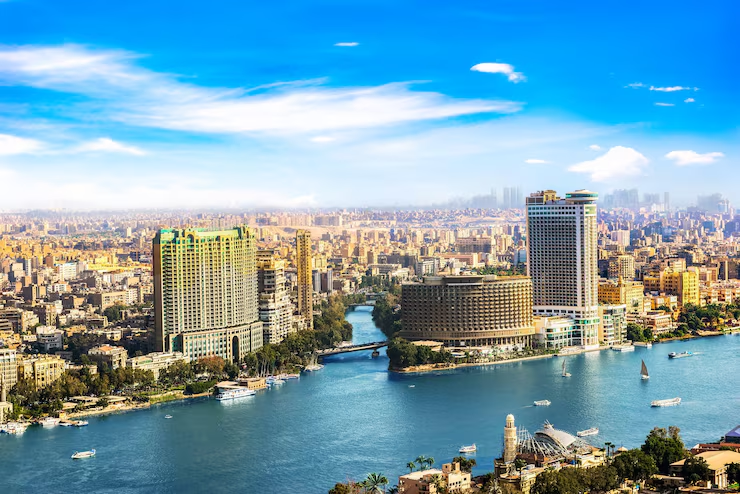
When travelers think of Egypt, cities like Cairo, Luxor, and Aswan often dominate the conversation. Yet tucked along the fertile banks of the Nile in Upper Egypt lies Asyut — a city rich in ancient history, deep spiritual heritage, and dramatic desert landscapes. Though less visited by international tourists, Asyut holds remarkable treasures that reflect Egypt’s layered identity: Pharaonic roots, early Christian devotion, Islamic history, and modern engineering achievements.
Located approximately 375 kilometers south of Cairo, Asyut has long been a vital link between northern and southern Egypt. In ancient times, it served as an important administrative center and trade hub. During the Coptic Christian era, it became a spiritual refuge filled with monasteries and pilgrimage sites. Even today, Asyut continues to be a center of faith, tradition, and local culture.
Unlike Egypt’s more crowded tourist cities, Asyut offers a peaceful and authentic experience. Visitors can explore ancient monasteries carved into desert cliffs, admire historic Nile engineering projects, walk through archaeological remains, and witness the striking beauty of Upper Egypt’s desert landscapes.
In this detailed travel guide, we will explore five of Asyut’s most important attractions:
- Monastery of the Virgin Mary (Al-Muharraq)
- Asyut Barrage
- Mir Monastery
- Al-Qusiya Archaeological Site
- Desert Landscapes of the Nile Valley
Let us journey into the heart of this fascinating Upper Egyptian city.
1. Monastery of the Virgin Mary (Al-Muharraq) – A Sacred Pilgrimage Destination
A Place of Deep Spiritual Significance
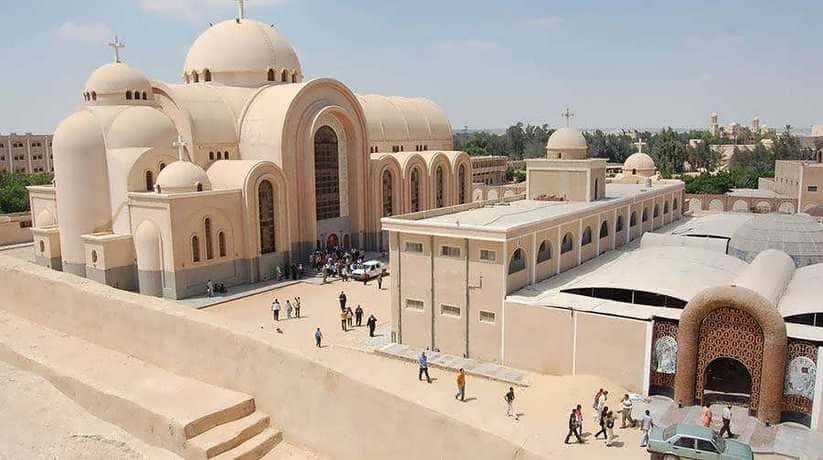
The Monastery of the Virgin Mary at Al-Muharraq is one of the most important Christian pilgrimage sites in Egypt. Located near the town of Al-Qusiya, about 48 kilometers from Asyut city, this ancient monastery holds special importance in Coptic Christian tradition.
According to Christian belief, the Holy Family — Mary, Joseph, and the infant Jesus — stayed at this site during their flight into Egypt. It is believed they lived here for more than six months, making it one of the longest stops in their journey through Egypt.
For Coptic Christians, this monastery is often referred to as the “Second Bethlehem.”
Historical Background
The monastery dates back to the 4th century AD, though some parts may be even older. Over centuries, it has been expanded and restored, yet it retains its spiritual atmosphere and architectural simplicity.
The most sacred structure within the monastery is the Church of the Virgin Mary, built over what is believed to be the house where the Holy Family stayed. The altar of this church is considered one of the oldest continuously used Christian altars in the world.
Architecture and Atmosphere
The monastery is surrounded by thick defensive walls — a reminder of times when monasteries needed protection from raids. Inside, visitors will find:
- Ancient stone churches
- Courtyards shaded by palm trees
- Monastic living quarters
- Quiet prayer halls
The interior design is modest yet deeply moving. Icons, wooden carvings, and candlelight create a powerful spiritual atmosphere.
Pilgrimage Season
Every August, thousands of pilgrims visit Al-Muharraq to celebrate the Feast of the Virgin Mary. The monastery becomes a center of prayer, singing, and spiritual gatherings.
Even outside festival times, visitors often describe a strong sense of peace and reflection here.
For those interested in religious history, spirituality, or Coptic Christianity, this monastery is one of Upper Egypt’s most meaningful destinations.
2. Asyut Barrage – A Landmark of Nile Engineering
Controlling the Lifeline of Egypt
The Nile River has always been Egypt’s lifeline. For thousands of years, its annual flooding determined agricultural success. In the 19th and early 20th centuries, Egypt began constructing barrages and dams to regulate water flow more effectively.
The Asyut Barrage, completed in 1902 during British rule, was one of these major projects.
Purpose and Importance
The barrage was built to:
- Regulate Nile water flow
- Improve irrigation systems
- Support agriculture in Upper Egypt
- Prevent uncontrolled flooding
It features a series of gates that can be opened or closed to manage water distribution.
Architectural and Historical Value
Though it may not appear as dramatic as a temple, the Asyut Barrage represents a crucial moment in Egypt’s modernization. It reflects the transition from reliance on natural flooding to controlled irrigation systems.
The structure itself is impressive, stretching across the Nile with multiple arches and steel gates.
Visiting Experience
Visitors can walk along parts of the barrage and enjoy views of:
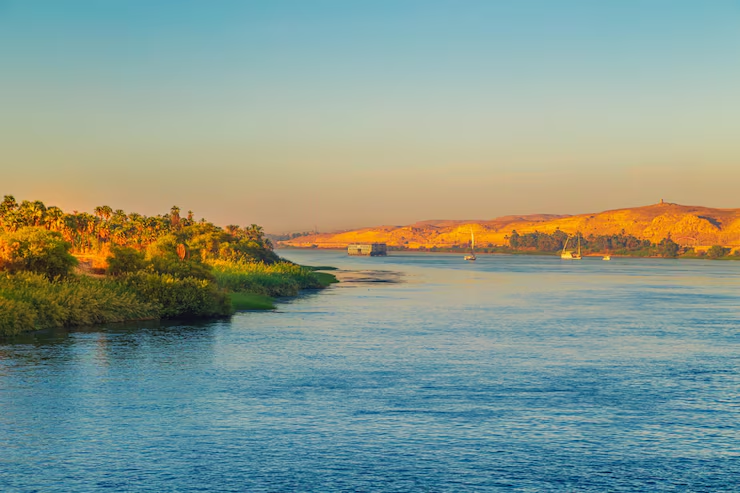
- The flowing Nile
- Green agricultural lands
- Desert cliffs in the distance
The contrast between fertile fields and dry desert hills perfectly captures the essence of Upper Egypt.
The barrage is particularly beautiful at sunset, when golden light reflects off the water.
For travelers interested in engineering, history, or photography, the Asyut Barrage offers a unique perspective on Egypt’s relationship with the Nile.
3. Mir Monastery – Ancient Faith in the Desert Hills
A Hidden Spiritual Treasure
Mir Monastery, also known as Deir al-Mir, is another significant Coptic monastery located west of Al-Qusiya. Nestled against desert cliffs, the monastery dates back to the 4th or 5th century.
It is dedicated to Saint George (Mar Girgis), one of Christianity’s most revered saints.
Architectural Features
The monastery complex includes:
- Ancient stone churches
- Defensive walls
- Monastic cells
- Courtyards
The church inside the monastery contains beautiful Coptic frescoes and religious artwork, some dating back centuries.
A Place of Solitude and Reflection
Like many early monasteries in Egypt, Mir Monastery was built in a remote location to provide monks with isolation and spiritual focus.
Standing against the desert backdrop, the monastery feels timeless. The silence of the surrounding hills adds to its spiritual atmosphere.
Pilgrimage and Festivals
Each year, pilgrims gather here during the Feast of Saint George. The celebration includes prayers, hymns, and traditional Coptic rituals.
Even on ordinary days, the monastery remains active, with monks maintaining daily prayer routines.
For visitors, Mir Monastery offers insight into Egypt’s early Christian heritage and monastic traditions that date back nearly 1,600 years.
4. Al-Qusiya – Echoes of Ancient Civilizations
A City with Deep Roots
Al-Qusiya, located near Asyut, is one of the oldest inhabited areas in Upper Egypt. In ancient times, it was known as Cusae.
The area served as an important administrative center during the Pharaonic period and continued to hold significance during Greek and Roman times.
Archaeological Remains
Though much of the ancient city lies beneath modern structures, archaeological excavations have revealed:
- Ancient tombs
- Temple ruins
- Artifacts from different historical periods
- Remains of early Christian churches
These discoveries highlight the region’s long and continuous occupation.
Cultural Importance
Al-Qusiya also connects closely with the Monastery of Al-Muharraq and other Christian heritage sites, reinforcing its importance in Egypt’s religious history.
Walking through Al-Qusiya today, visitors can sense the layers of history beneath their feet — from ancient Egyptian officials to early Christian communities.
It is not a polished tourist site, but for history enthusiasts, it offers an authentic glimpse into Egypt’s evolving civilizations.
5. Desert Landscapes – The Dramatic Beauty of the Nile Valley
Where Desert Meets Fertility
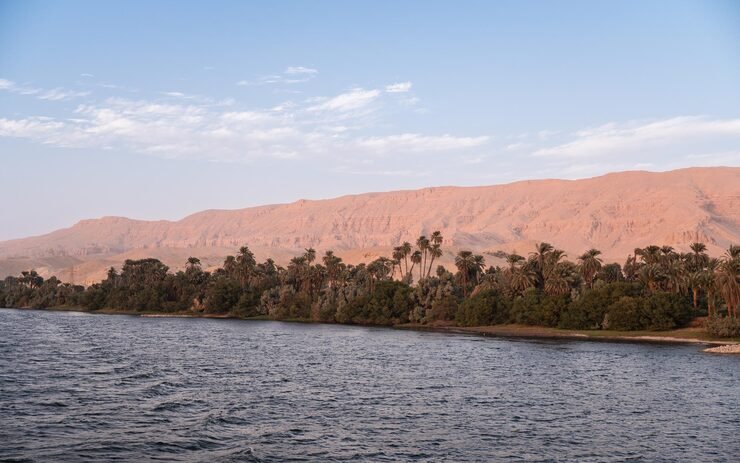
One of the most striking features of Asyut is its natural landscape. The city sits within the Nile Valley, where green agricultural fields meet vast golden desert cliffs.
This dramatic contrast defines Upper Egypt’s beauty.
Scenic Views
Traveling outside the city, visitors can witness:
- Towering limestone cliffs
- Rolling sand dunes
- Palm-lined riverbanks
- Expansive farmlands
The desert hills surrounding Asyut have been home to ancient tombs and monasteries for thousands of years.
Sunrise and Sunset Magic
Sunrise and sunset in Asyut are particularly breathtaking. The desert cliffs glow in shades of orange and pink as sunlight reflects across the valley.
Photographers and nature lovers will find endless inspiration here.
A Slower Pace of Life
Unlike major tourist cities, Asyut offers a calm environment where life follows a slower rhythm. Farmers tend their crops, fishermen work along the Nile, and local markets buzz with everyday activity.
The desert landscapes remind visitors that Egypt’s beauty lies not only in its monuments but also in its natural contrasts.
Final Thoughts: Why Visit Asyut?
Asyut may not appear on every tourist itinerary, but it holds treasures of faith, history, and landscape that rival more famous destinations.
Here you will find:
- One of Christianity’s most sacred pilgrimage sites
- Ancient monasteries carved into desert cliffs
- Historic Nile engineering achievements
- Archaeological traces of ancient civilizations
- Stunning Nile Valley scenery
Asyut tells a quieter story of Egypt — one rooted in devotion, resilience, and connection to the land.
For travelers seeking authenticity, spiritual heritage, and scenic beauty away from crowds, Asyut offers a rewarding and meaningful experience.
Upper Egypt is more than temples and tombs. It is living history, and Asyut stands proudly within it.