
Now Reading: Top 5 Tourist Places in Bahia, Brazil
-
01
Top 5 Tourist Places in Bahia, Brazil
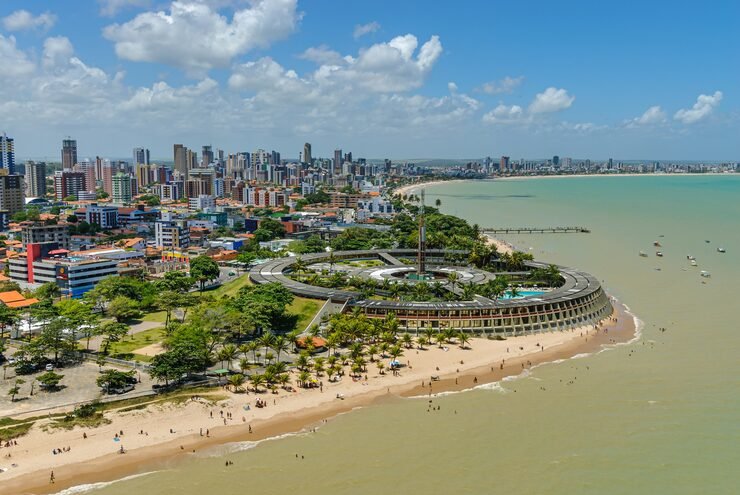
Top 5 Tourist Places in Bahia, Brazil
Introduction: Bahia – The Soul of Brazil
Bahia is one of Brazil’s most culturally rich and historically significant states. Located in the northeastern part of the country along the Atlantic Ocean, Bahia is often described as the heart and soul of Brazil. It is the birthplace of Brazilian culture, where African, Indigenous, and Portuguese influences blend to create a vibrant identity expressed through music, dance, religion, cuisine, and architecture.
From colorful colonial towns and sacred Afro-Brazilian traditions to dramatic landscapes of waterfalls, caves, and golden beaches, Bahia offers an unforgettable travel experience. Whether you are a history lover, nature enthusiast, beach seeker, or cultural explorer, Bahia has something extraordinary to offer.
In this in-depth travel blog, we explore the top 5 tourist places in Bahia, focusing on destinations that truly define the state: Salvador, Chapada Diamantina, Porto Seguro, Ilhéus, and Morro de São Paulo. Together, these places showcase why Bahia remains one of Brazil’s most beloved travel destinations.
1. Salvador – The Cultural Capital of Brazil
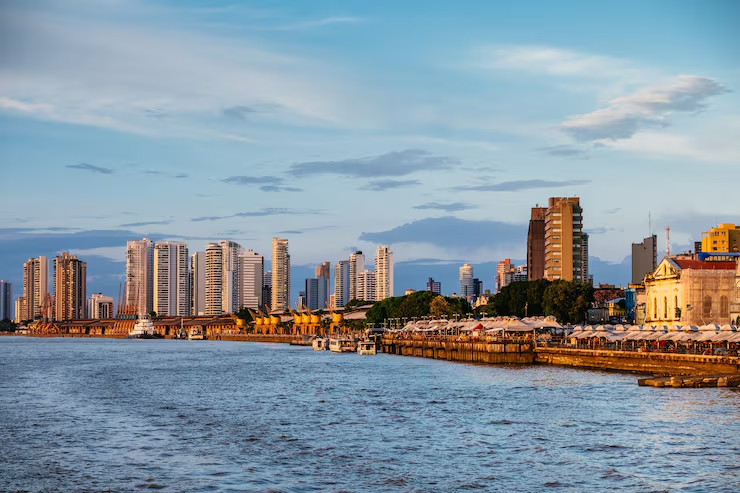
Salvador, the capital of Bahia, is one of the oldest cities in the Americas and a cornerstone of Brazilian history and culture. Founded in 1549, Salvador was Brazil’s first capital and remains a living museum of colonial architecture, Afro-Brazilian heritage, and spiritual traditions.
Pelourinho: A UNESCO World Heritage Site
At the heart of Salvador lies Pelourinho, a historic district famous for its brightly colored colonial buildings, cobblestone streets, and lively atmosphere. Recognized as a UNESCO World Heritage Site, Pelourinho is home to churches, museums, art galleries, and cultural centers. Walking through this area feels like stepping back into the 17th and 18th centuries.
Historic Churches and Religious Heritage
Salvador is known for having hundreds of churches, many adorned with gold-leaf interiors and intricate baroque designs. The São Francisco Church is particularly famous for its lavish interior covered in gold. These churches stand alongside Afro-Brazilian religious sites dedicated to Candomblé, reflecting the deep spiritual diversity of the city.
Afro-Brazilian Culture and Music
Salvador is the heart of Afro-Brazilian culture. Rhythms like samba, axé, and capoeira fill the streets, especially during festivals. Capoeira performances—part dance, part martial art—are a common sight in public squares. The city’s African heritage is also visible in traditional clothing, cuisine, and religious rituals.
Carnival and Festivals
Salvador hosts one of the largest and most energetic carnivals in the world. Unlike Rio’s parade-focused carnival, Salvador’s celebration takes place on the streets, with massive sound trucks, dancing crowds, and nonstop music. Throughout the year, cultural festivals celebrate African heritage, music, and spirituality.
Salvador is not just a destination—it is an experience that immerses travelers in the rhythm, history, and soul of Brazil.
2. Chapada Diamantina – Nature’s Playground
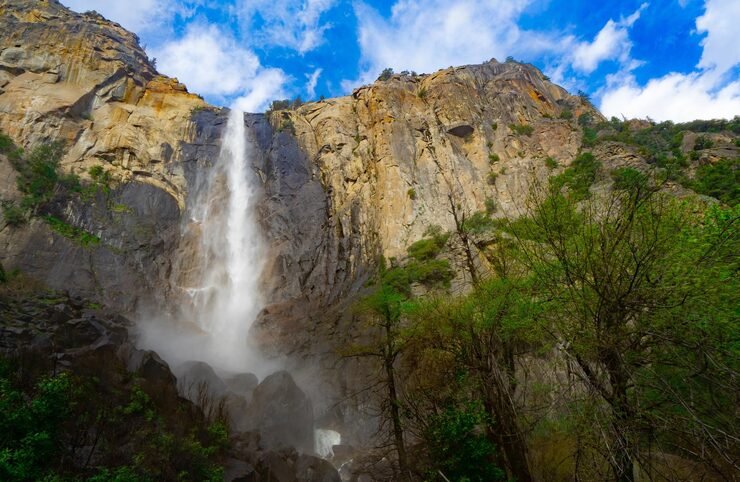
Located in the interior of Bahia, Chapada Diamantina is one of Brazil’s most spectacular national parks. Known for its dramatic landscapes, the region is a paradise for adventure lovers and nature enthusiasts.
Waterfalls and Natural Pools
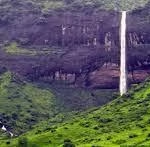
Chapada Diamantina is famous for its stunning waterfalls, including Cachoeira da Fumaça, one of the tallest waterfalls in Brazil. During the dry season, the water disperses into mist before reaching the ground, creating a breathtaking sight. Crystal-clear natural pools like Poço Azul and Poço Encantado offer surreal swimming experiences inside caves illuminated by sunlight.
Caves and Underground Wonders
The region contains extensive cave systems formed over millions of years. Guided cave tours allow visitors to explore underground rivers, limestone formations, and glowing blue waters. These caves are among the most unique geological attractions in South America.
Hiking Trails and Mountain Views
Chapada Diamantina is a hiker’s paradise, offering trails that lead through valleys, canyons, plateaus, and remote villages. Popular hikes include the Vale do Pati, considered one of the best long-distance treks in Brazil. From mountain viewpoints, travelers can admire sweeping landscapes that stretch as far as the eye can see.
A Journey into Bahia’s Interior
Beyond its natural beauty, Chapada Diamantina offers insight into Bahia’s rural life. Small towns like Lençóis preserve colonial charm and serve as bases for exploration. The region provides a perfect contrast to Bahia’s coastal destinations, showcasing the state’s incredible geographic diversity.
3. Porto Seguro – Birthplace of Brazil
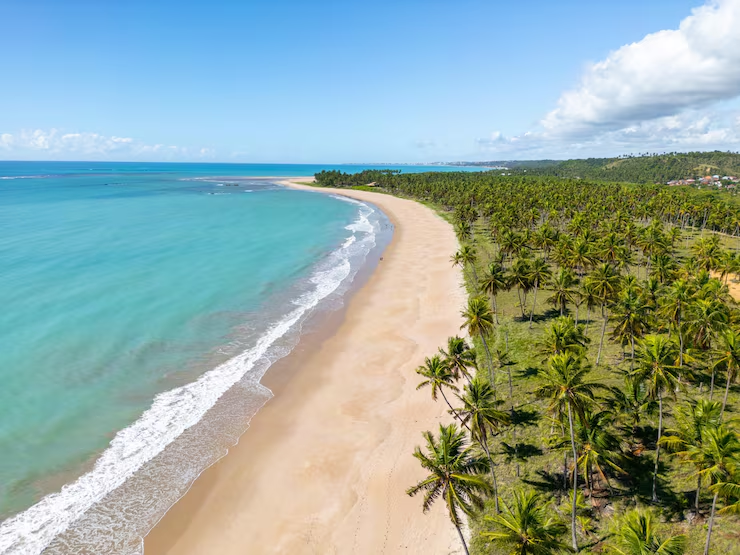
Porto Seguro holds a special place in Brazilian history as the location where Portuguese explorers first arrived in 1500. Today, it is both a historical landmark and a lively beach destination.
Historical Significance
The city’s historic center, Cidade Histórica, features colonial-era buildings, churches, and monuments that commemorate the arrival of the Portuguese. The Marco do Descobrimento (Discovery Marker) stands as a symbol of Brazil’s colonial beginnings.
Beaches and Coastal Beauty
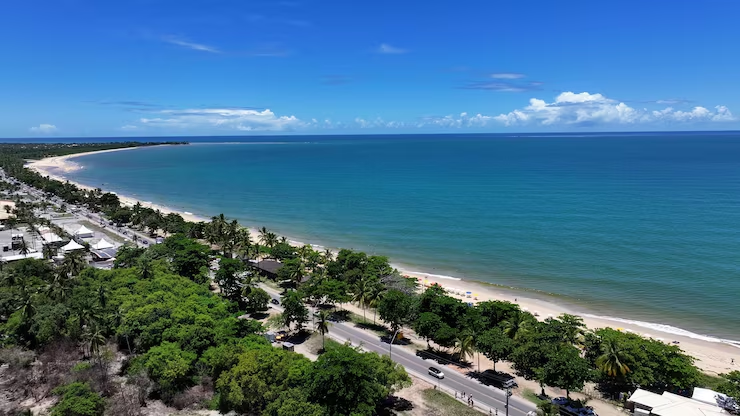
Porto Seguro is famous for its long stretches of sandy beaches lined with palm trees. Beaches such as Taperapuã and Mutá are popular for swimming, beach sports, and lively beach bars. The warm waters and relaxed atmosphere make it ideal for families and young travelers alike.
Indigenous and Cultural Heritage
The region is also home to Indigenous communities, particularly the Pataxó people. Visitors can learn about native traditions, crafts, and history through cultural tours that promote respectful and sustainable tourism.
A Blend of Past and Present
Porto Seguro uniquely combines history with modern tourism. During the day, travelers can explore historical sites, while nights come alive with music, dancing, and coastal celebrations.
4. Ilhéus – Cocoa, Literature, and Coastal Charm
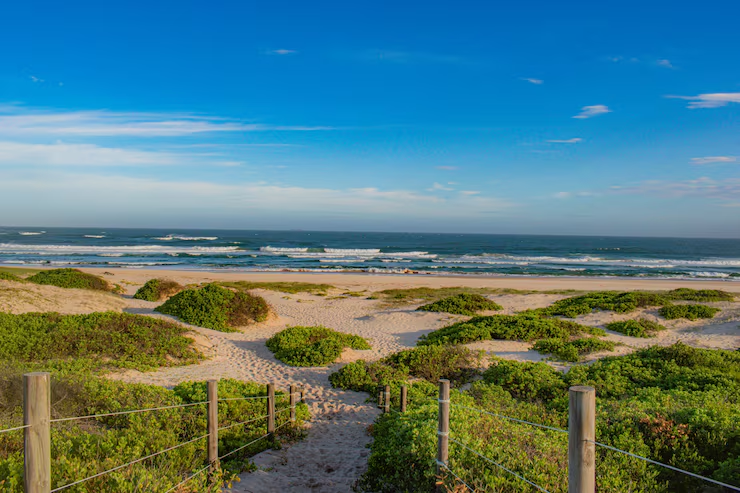
Ilhéus is a charming coastal city in southern Bahia, known for its cocoa plantations, literary heritage, and scenic beaches. The city gained international fame through the works of Brazilian writer Jorge Amado, whose novels vividly portray life in the region.
Cocoa Plantations and Economic History
Ilhéus was once the center of Brazil’s cocoa industry. Visitors can tour historic cocoa farms, learning about cocoa cultivation and its impact on the region’s economy and culture. Chocolate tasting experiences are a highlight for many travelers.
Literary and Cultural Attractions
Fans of literature can visit locations associated with Jorge Amado’s novels, including the famous Vesuvio Bar. Museums and cultural centers celebrate the author’s legacy and the social history of the cocoa era.
Beaches and Relaxation
Ilhéus boasts beautiful beaches such as Praia dos Milionários, offering golden sands and calm waters. The coastline provides a more relaxed alternative to Bahia’s busier beach destinations, making it perfect for laid-back travel.
Colonial Architecture and Old Town
The city’s historic center features colonial buildings, churches, and quiet streets that reflect its past prosperity. Ilhéus combines history, culture, and seaside beauty in a uniquely elegant way.
5. Morro de São Paulo – A Tropical Island Escape
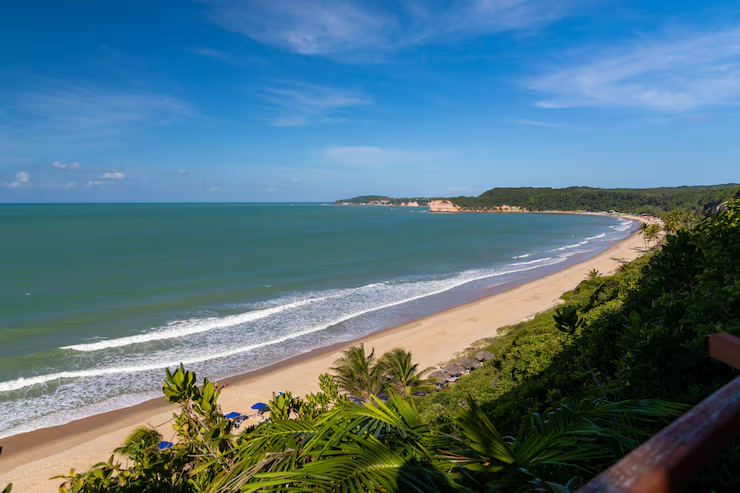
Morro de São Paulo is a small island village located off the coast of Bahia, famous for its stunning beaches, turquoise waters, and car-free lifestyle. It is one of Brazil’s most popular island destinations.
A Car-Free Paradise
One of Morro de São Paulo’s most distinctive features is the absence of cars. Transportation is done on foot, by wheelbarrow, or boat, creating a peaceful and relaxed atmosphere that instantly puts visitors at ease.
Numbered Beaches and Natural Beauty
The island’s beaches are uniquely numbered rather than named, each offering a different vibe. First Beach is popular with surfers, Second Beach is known for nightlife and beach bars, while Third and Fourth Beaches offer tranquility and natural beauty.
Adventure and Water Activities
Visitors can enjoy snorkeling, diving, kayaking, and boat tours around the island. The surrounding coral reefs and marine life make it an excellent destination for underwater exploration.
Sunsets and Nightlife
Morro de São Paulo is famous for its breathtaking sunsets, especially from the old fortress overlooking the sea. At night, the island comes alive with beach parties, live music, and relaxed nightlife under the stars.
Conclusion: Why Bahia Captivates Every Traveler
Bahia is more than just a destination—it is an emotion, a rhythm, and a celebration of life. From the Afro-Brazilian soul of Salvador to the wild landscapes of Chapada Diamantina, from the historic shores of Porto Seguro to the cocoa-scented streets of Ilhéus and the island paradise of Morro de São Paulo, Bahia offers unmatched diversity.
Traveling through Bahia allows visitors to experience Brazil’s roots, its natural wonders, and its joyful spirit all in one journey. Whether you seek cultural depth, adventure, relaxation, or history, Bahia promises memories that will last a lifetime.
For anyone planning a trip to Brazil, Bahia is not just recommended—it is essential.