Now Reading: Top 5 Tourist Places in Beheira, Egypt.
-
01
Top 5 Tourist Places in Beheira, Egypt.
Top 5 Tourist Places in Beheira, Egypt.
When travelers imagine Egypt, their minds often jump to pyramids, temples, and desert landscapes. Yet north of Cairo, stretching across fertile Nile Delta lands and touching the Mediterranean Sea, lies Beheira Governorate — a region rich in history, natural beauty, and spiritual heritage.
Beheira is not as internationally famous as Cairo or Luxor, but it offers something equally valuable: authenticity. Here, you will find peaceful wetlands filled with birdlife, ancient monasteries hidden in desert valleys, a historic town linked to one of the world’s greatest archaeological discoveries, and quiet Mediterranean shores untouched by mass tourism.
Located in the western Nile Delta, Beheira serves as an agricultural heartland, producing crops that sustain much of Egypt. At the same time, it holds centuries of history shaped by Pharaonic, Greek, Roman, Coptic, Islamic, and modern Egyptian civilizations.
In this in-depth guide, we explore five of Beheira’s most important destinations:
- Rosetta (Rashid)
- Idku Lake
- Wadi El Natrun
- Damanhur
- Mediterranean Coast
Let us journey through this fascinating and often overlooked region of Egypt.
1. Rosetta (Rashid) – The Historic Town of the Rosetta Stone
A Town That Changed World History
Rosetta, known locally as Rashid, is one of Egypt’s most historically significant towns. Located near where the Nile meets the Mediterranean Sea, Rosetta became globally famous because of one extraordinary discovery: the Rosetta Stone.
In 1799, during Napoleon’s campaign in Egypt, French soldiers discovered a large black stone inscribed with three scripts — Greek, Demotic, and hieroglyphics. This stone became the key to deciphering ancient Egyptian hieroglyphs, unlocking thousands of years of forgotten history.
Without Rosetta, much of ancient Egypt’s language might have remained a mystery.
A City of Ottoman Charm
Beyond its link to the Rosetta Stone, the town itself is a beautifully preserved example of Ottoman-era architecture. Walking through Rosetta feels like stepping back into the 17th and 18th centuries.
The city is known for:
- Narrow streets
- Wooden balconies with latticework (mashrabiya)
- Brick houses with decorative facades
- Historic mosques and courtyards
One of the most famous buildings is the House of Amasyali, a well-preserved Ottoman mansion that showcases traditional Islamic design.
Qaitbay Fort of Rosetta
Near the river’s mouth stands a smaller fort built during the Mamluk period. Though less famous than the Citadel of Qaitbay in Alexandria, this fort played a strategic role in defending the Nile Delta from foreign invasions.
Cultural Atmosphere
Rosetta maintains a quiet, traditional atmosphere. Fishermen work along the Nile, local markets sell fresh produce, and the scent of the sea drifts through the air.
It is not crowded with tourists, making it perfect for travelers who appreciate slow exploration and historical ambiance.
Rosetta is more than the Rosetta Stone — it is a living museum of Delta heritage.
2. Idku Lake – A Wetland Paradise for Nature Lovers
A Hidden Ecological Gem
Idku Lake is one of the northern Delta’s most important natural wetlands. Located between Alexandria and Rosetta, this shallow lagoon connects to the Mediterranean Sea.
The lake forms part of Egypt’s network of coastal lagoons that support biodiversity and fishing communities.
A Haven for Birdlife
Idku Lake is especially famous among bird watchers. During migration seasons, thousands of birds pass through the area.
Species include:
- Herons
- Egrets
- Flamingos
- Ducks
- Marsh harriers
The wetlands provide essential resting and feeding grounds for migratory birds traveling between Europe and Africa.
For nature enthusiasts, this is one of the best places in the Nile Delta to observe wildlife in its natural habitat.
Local Fishing Communities
Fishing is the backbone of life around Idku Lake. Small wooden boats glide across the water at sunrise, while fishermen cast nets using techniques passed down through generations.
The lake supports local markets with fresh fish and seafood, contributing to the region’s economy.
Peaceful Scenery
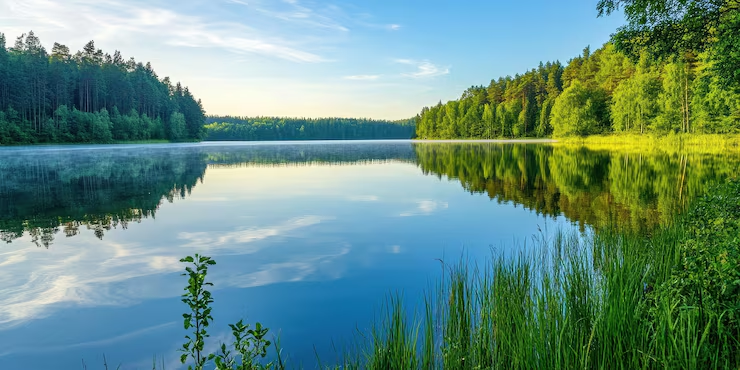
The landscape around Idku Lake is calm and reflective. Reeds sway gently in the breeze, water mirrors the sky, and the horizon stretches endlessly.
Unlike Egypt’s desert landscapes, Idku offers a softer, greener beauty.
For photographers, sunrise and sunset are magical times when the sky turns golden over the still waters.
3. Wadi El Natrun – Desert Valley of Ancient Monasteries
A Sacred Valley of Solitude
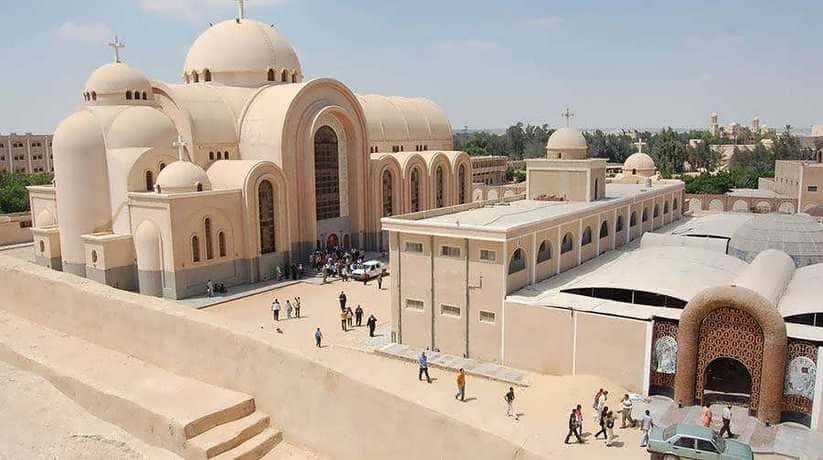
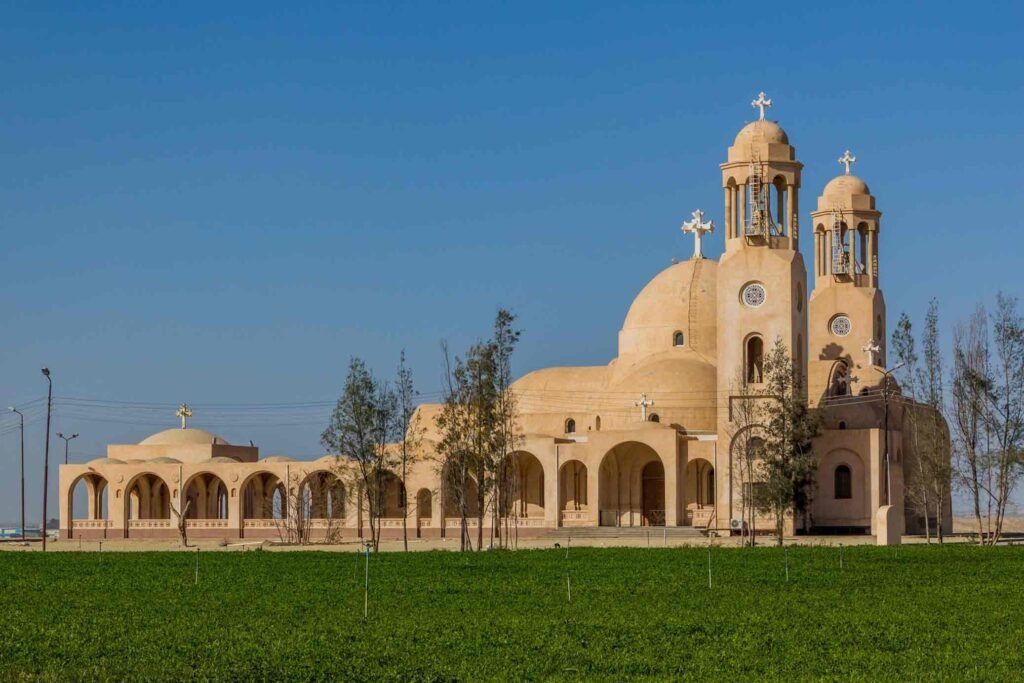
Wadi El Natrun is one of Egypt’s most spiritually significant locations. Situated in the western desert between Cairo and Alexandria, this valley has been a center of Christian monastic life since the 4th century AD.
Its name comes from “natrun,” a naturally occurring salt used in ancient mummification processes.
Birthplace of Christian Monasticism
Wadi El Natrun played a crucial role in the development of Christian monastic traditions. Early monks sought isolation in the desert to devote themselves to prayer and spiritual reflection.
At one point, the valley contained hundreds of monasteries. Today, four major monasteries remain active:
- Monastery of Saint Macarius
- Monastery of Saint Bishoy
- Monastery of the Syrians
- Monastery of Baramus
Architectural Beauty
These monasteries are fortified with thick walls and ancient towers, reflecting centuries of resilience against raids and invasions.
Inside, visitors can see:
- Ancient churches
- Frescoes and icons
- Monastic cells
- Palm gardens
The atmosphere is deeply peaceful, offering a spiritual contrast to busy urban centers.
A Living Religious Community
Unlike archaeological ruins, Wadi El Natrun’s monasteries remain active. Monks continue daily prayer routines, agricultural work, and spiritual study.
Visitors are welcome but expected to respect the quiet environment.
Wadi El Natrun represents Egypt’s enduring Coptic heritage and spiritual devotion.
4. Damanhur – The Cultural Capital of Beheira
Heart of the Governorate
Damanhur serves as the capital city of Beheira Governorate. While it may not have monumental temples or grand tourist attractions, it plays a crucial cultural and administrative role in the region.
Historically, Damanhur dates back to ancient Egyptian times and was once dedicated to the falcon god Horus.
Cultural and Modern Identity
Today, Damanhur reflects modern Delta life. It is a bustling city with markets, educational institutions, and theaters.
One of its notable landmarks is the Damanhur Opera House, also known as the Opera of Rashid. Built in the early 20th century, this elegant building reflects European architectural influences.
The opera house hosts:
- Musical performances
- Theater productions
- Cultural events
This makes Damanhur a regional center for arts and culture.
Everyday Life
Walking through Damanhur offers insight into authentic Egyptian urban life outside major tourist cities. Local cafés are filled with conversation, markets overflow with fruits and vegetables, and mosques call the faithful to prayer throughout the day.
For travelers seeking a genuine experience of Nile Delta society, Damanhur provides valuable cultural context.
5. Mediterranean Coast – Quiet Shores of the Delta
A Different Kind of Coastline
Beheira’s northern edge touches the Mediterranean Sea. Unlike the busy resort cities of Egypt’s North Coast, Beheira’s shoreline remains relatively quiet and undeveloped.
This makes it ideal for travelers looking for peaceful seaside relaxation.
Calm Beaches and Fishing Villages
The coast features:
- Sandy beaches
- Small fishing harbors
- Traditional boats
- Simple seaside communities
Life moves at a slower pace here compared to Egypt’s luxury coastal resorts.
Natural Beauty
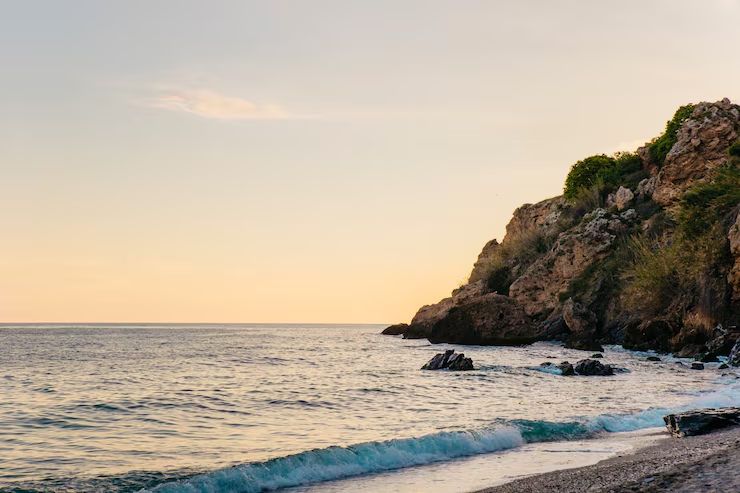
The Mediterranean waters in this region are calm and refreshing. Gentle waves meet wide sandy stretches, creating a tranquil atmosphere.
Sunset along the Beheira coast is particularly beautiful. The sky reflects pink and orange hues over the sea, while fishermen return with their daily catch.
A Place for Reflection
The quiet Mediterranean coast of Beheira is perfect for travelers who appreciate simplicity — long walks, fresh sea air, and the sound of waves.
It offers a peaceful escape from crowded tourist destinations.
Final Thoughts: Why Beheira Deserves Attention
Beheira Governorate may not dominate international travel brochures, but it offers a powerful combination of history, nature, and spirituality.
Here you can:
- Walk through the historic streets of Rosetta
- Discover wetlands filled with migratory birds
- Explore ancient desert monasteries
- Experience authentic Delta city life
- Relax along quiet Mediterranean shores
Beheira represents the diversity of Egypt beyond pyramids and temples.
It is where:
The Nile meets the sea.
The desert meets devotion.
The wetlands meet tradition.
For travelers seeking hidden destinations rich in culture and authenticity, Beheira is a rewarding discovery.
Egypt’s story is vast — and Beheira holds an important chapter within it.