
Now Reading: Top 5 Tourist Places in Beni Suef, Egypt.
-
01
Top 5 Tourist Places in Beni Suef, Egypt.
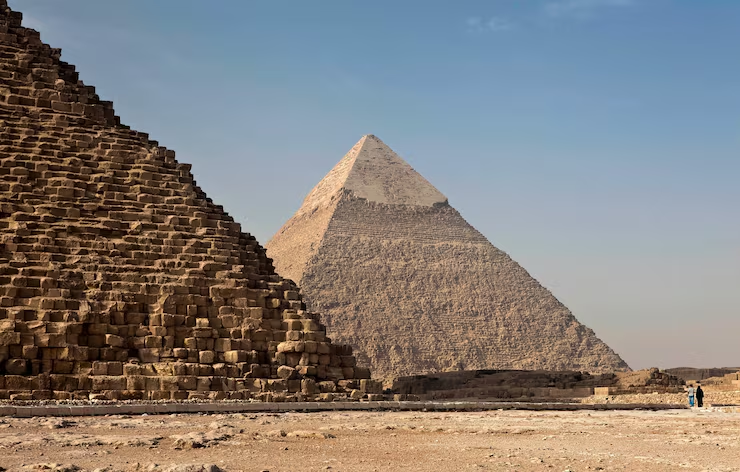
Top 5 Tourist Places in Beni Suef, Egypt.
When travelers explore Egypt, most head directly to Cairo, Luxor, or Aswan. Yet between the busy capital and the grand temples of Upper Egypt lies Beni Suef — a governorate rich in ancient monuments, desert landscapes, Nile beauty, and spiritual heritage.
Located about 120 kilometers south of Cairo along the Nile River, Beni Suef occupies a strategic position in Middle Egypt. For thousands of years, this region has witnessed the rise of pyramid builders, early Christian communities, desert monks, and local Egyptian traditions that continue today.
Unlike Egypt’s major tourist hubs, Beni Suef offers a quieter and more authentic experience. Here, visitors can explore one of the earliest pyramids ever built, admire peaceful Nile riverbanks, discover desert monasteries carved into cliffs, and learn about local history at regional museums.
In this detailed guide, we will explore five key attractions that define Beni Suef:
- Meidum Pyramid
- Faiyum Oasis Border
- Beni Suef Museum
- Nile Riverbanks
- Desert Monasteries
Let’s journey into the heart of Middle Egypt.
1. Meidum Pyramid – A Revolutionary Step in Pyramid Building
One of Egypt’s Earliest Pyramids
The Meidum Pyramid is one of Egypt’s most fascinating ancient structures. Located about 30 kilometers northwest of Beni Suef, this pyramid represents an early stage in the evolution of pyramid construction.
Built during the Old Kingdom around 2600 BC, the pyramid is believed to have been started by Pharaoh Huni and later completed by Pharaoh Sneferu, the founder of the Fourth Dynasty.
Sneferu is known as one of Egypt’s greatest pyramid builders. He later constructed the Bent Pyramid and the Red Pyramid at Dahshur, perfecting the smooth-sided pyramid design that would later culminate in the Great Pyramid of Giza.
Why Meidum Is Unique
Unlike the famous pyramids of Giza, Meidum has a distinctive appearance. Much of its outer casing collapsed long ago, leaving what looks like a massive tower rising from the desert.
Because of this unusual shape, locals sometimes call it the “False Pyramid.”
Originally, Meidum may have started as a step pyramid and was later converted into a smooth-sided pyramid. The collapse likely occurred in ancient times, possibly due to structural instability.
Exploring the Site
Visitors to Meidum can:
- Walk around the base of the pyramid
- Explore nearby mastaba tombs of nobles
- See early examples of pyramid engineering
The surrounding desert landscape adds to the dramatic atmosphere. Unlike crowded tourist sites, Meidum is often quiet, allowing visitors to reflect on its historical importance.
Historical Significance
Meidum represents a turning point in pyramid architecture. It marks the experimentation phase before the perfection of pyramid design.
Standing before it, you are witnessing a chapter of architectural trial and error that ultimately led to one of the Seven Wonders of the Ancient World.
2. Faiyum Oasis Border – Where Desert Meets Fertility
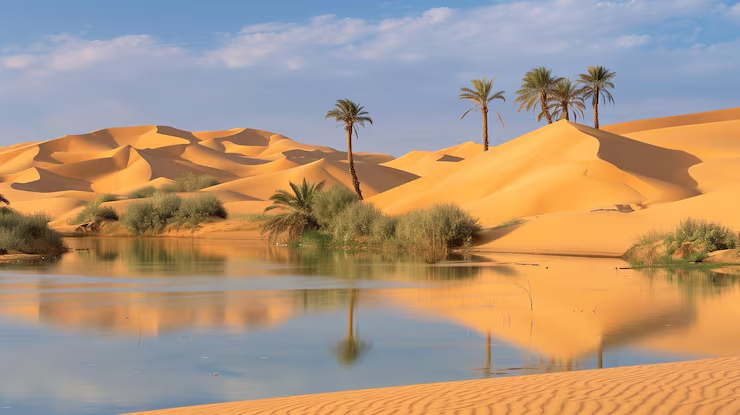
A Natural Contrast
Beni Suef lies close to the northern edge of Upper Egypt and near the border of the Faiyum Oasis. This geographical position creates a dramatic natural contrast between fertile farmland and desert landscapes.
The Faiyum region has been inhabited since ancient times and served as an agricultural center due to its access to water from the Nile through canals.
Desert Beauty Near Beni Suef
Traveling toward the Faiyum border, visitors encounter:
- Golden sand dunes
- Rocky desert hills
- Expansive open skies
- Scattered palm groves
This transition from green Nile Valley fields to dry desert terrain captures the essence of Egypt’s geography.
Scenic Drives and Exploration
The roads connecting Beni Suef and Faiyum offer scenic desert views ideal for photography and exploration.
The area is less commercialized than major desert attractions, making it perfect for travelers who appreciate quiet landscapes.
Historical Context
Ancient Egyptians carefully managed water systems in this region to support agriculture. The nearby Bahr Yussef canal historically connected the Nile to the Faiyum depression, turning desert land into fertile farmland.
The region demonstrates how Egyptians have adapted to their environment for thousands of years.
3. Beni Suef Museum – Preserving Local Heritage
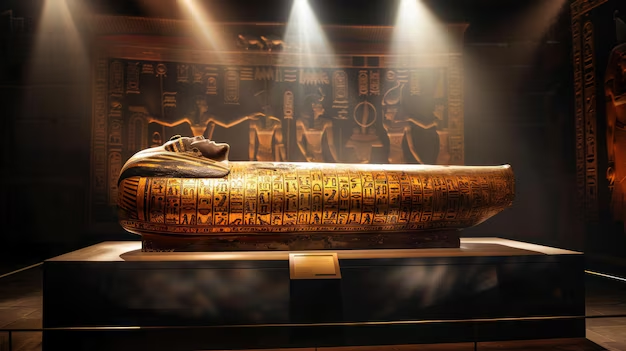
A Window into Regional History
The Beni Suef Museum may not be as large as Cairo’s Egyptian Museum, but it provides valuable insight into the governorate’s local history.
Regional museums are important because they highlight discoveries made in surrounding archaeological sites rather than focusing only on famous monuments.
What You’ll See Inside
The museum displays artifacts from:
- Pharaonic periods
- Greco-Roman times
- Coptic Christian era
- Islamic period
Exhibits include:
- Statues and relief fragments
- Pottery and everyday tools
- Coins
- Religious artifacts
These objects tell the story of ordinary life in ancient Middle Egypt.
Educational Importance
For visitors interested in understanding how local communities evolved through different historical eras, the museum provides essential context.
It connects the Meidum Pyramid, desert monasteries, and Nile settlements into a broader narrative of regional development.
Visiting the museum before exploring the surrounding sites can enrich your understanding of Beni Suef’s layered past.
4. Nile Riverbanks – The Soul of Beni Suef
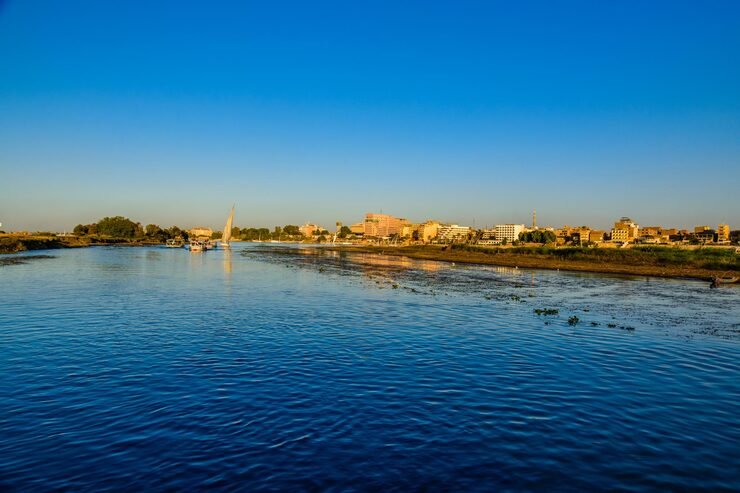
Life Along the Nile
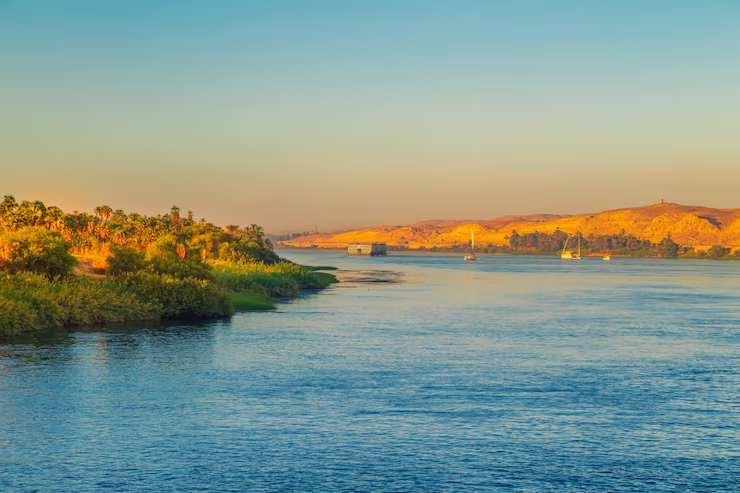
The Nile River has shaped Egyptian civilization for over 5,000 years. In Beni Suef, the river flows peacefully between fertile farmland and desert cliffs.
Unlike Cairo’s busy riverfront, Beni Suef’s Nile banks offer a calm and scenic environment.
Scenic Walks and Local Life
Walking along the Nile riverbanks, visitors can observe:
- Farmers tending crops
- Fishermen casting nets
- Traditional wooden boats
- Children playing near the water
The atmosphere reflects everyday Egyptian life rather than tourist activity.
Sunset Over the Nile
Sunset in Beni Suef is particularly beautiful. The sky turns shades of orange and pink, reflecting off the water’s surface.
Palm trees create silhouettes against the glowing horizon.
For photographers and nature lovers, this is one of the region’s most peaceful experiences.
Cultural Importance
The Nile is not just scenery — it is the source of life. Agriculture, transportation, and community traditions revolve around it.
Spending time along the river helps visitors understand why ancient Egyptians considered the Nile sacred.
5. Desert Monasteries – Spiritual Heritage in the Hills
Early Christian Communities
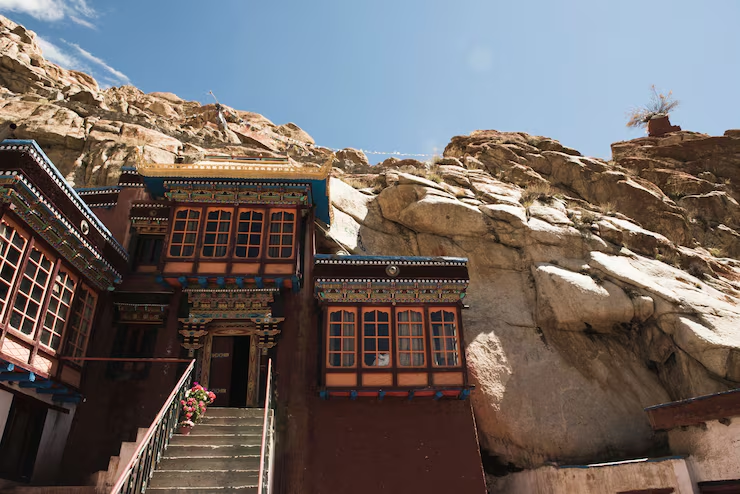
During the early centuries of Christianity, many believers sought solitude in Egypt’s deserts. They built monasteries in remote areas to focus on prayer and spiritual reflection.
Beni Suef and surrounding regions became home to several desert monasteries.
Architectural Features
These monasteries typically include:
- Thick defensive walls
- Stone churches
- Monastic cells
- Small chapels carved into cliffs
Some are still active, with monks continuing ancient traditions.
Spiritual Atmosphere
The desert setting enhances the spiritual experience. Silence dominates the landscape, broken only by wind across the sand.
Visiting these monasteries offers insight into Egypt’s Coptic Christian heritage, which remains an important part of the country’s identity.
Pilgrimage and Tradition
Many monasteries host annual festivals honoring saints. Pilgrims gather for prayer, singing, and communal meals.
These events preserve centuries-old religious customs.
Final Thoughts: Why Visit Beni Suef?
Beni Suef may not appear on every traveler’s list, but it offers a unique and rewarding experience for those willing to explore beyond major tourist routes.
Here you can:
- Witness the evolution of pyramid architecture at Meidum
- Experience the dramatic contrast of desert and fertile valley
- Discover local artifacts in a regional museum
- Walk peacefully along the Nile
- Explore spiritual heritage in desert monasteries
Beni Suef tells a quieter story of Egypt — one of experimentation, adaptation, devotion, and daily life.
It bridges the grandeur of ancient pyramid builders with the serenity of Middle Egypt’s landscapes.
For travelers seeking authenticity, history, and peaceful scenery, Beni Suef is a hidden treasure worth discovering.