
Now Reading: Top 5 Tourist Places in Casanare, Colombia
-
01
Top 5 Tourist Places in Casanare, Colombia
Top 5 Tourist Places in Casanare, Colombia
Casanare, Colombia: Llanos Life, Wildlife Safaris, and Timeless Traditions
Located in eastern Colombia, Casanare is a land of wide horizons and powerful traditions. This department lies within the Llanos plains, a region that stretches toward Venezuela and is shaped by seasonal flooding, abundant wildlife, and a deep-rooted cowboy lifestyle known as llanero culture.
Unlike Colombia’s mountainous or coastal regions, Casanare is defined by openness. Here, the sky feels larger, the rivers wider, and life slower. Travelers who explore Casanare experience an authentic Colombia, where nature and culture remain inseparable.
This in-depth travel guide explores the top five must-visit places and experiences in Casanare, revealing why this department is one of Colombia’s most distinctive destinations.
1. Yopal – Capital of the Llanos and Cultural Gateway
Yopal, the capital of Casanare, is the main urban center of the Llanos region and serves as the gateway to the department’s natural and cultural experiences.
A Growing Llanero City
Yopal has grown rapidly in recent decades, fueled by agriculture, cattle ranching, and energy industries. Despite its growth, the city retains a strong connection to traditional llanero values, including hospitality, music, and pride in regional identity.
The city’s layout is practical and welcoming, offering services, hotels, and transport connections essential for exploring the surrounding plains.
Cultural Life and Daily Rhythm
Markets, plazas, and riverfront areas reflect everyday life in the Llanos. Locals often gather in the evenings to share food, music, and conversation, reinforcing community bonds.
Yopal is also a key place to experience llanero cuisine, featuring grilled meats, fresh river fish, and traditional preparations.
Launch Point for Adventure
Most safaris, river excursions, and eco-lodge stays begin in or near Yopal. The city provides logistical support while keeping travelers close to nature.
Why Visit Yopal?
Yopal offers access, culture, and local flavor, making it the ideal starting point for discovering Casanare.
2. Plains Safaris – Wildlife and Llanero Cowboys
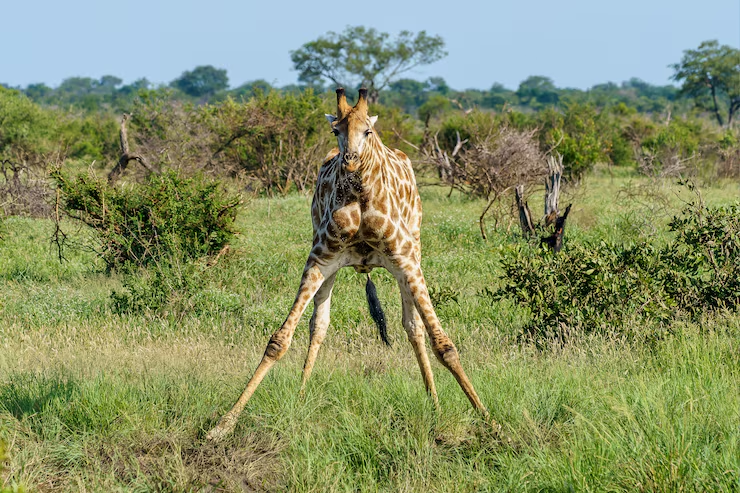
One of Casanare’s most unforgettable experiences is the Plains Safari, a unique form of wildlife exploration inspired by African-style safaris but deeply rooted in Colombian culture.
A Flooded Savanna Ecosystem
During the rainy season, large areas of the Llanos flood, creating wetlands rich in life. This seasonal transformation supports incredible biodiversity.
Wildlife commonly seen includes:
- Capybaras
- Deer
- Caimans
- Anacondas
- Hundreds of bird species
Exploring with Llaneros
Safaris are often led by llaneros, the region’s traditional cowboys. Riding horses or traveling by jeep, these guides combine expert tracking skills with storytelling and deep environmental knowledge.
Their relationship with the land is built on generations of experience.
A Different Kind of Safari
Unlike crowded tourist destinations, Casanare’s safaris are intimate and uncrowded. The focus is on observation, respect for wildlife, and understanding ecosystems.
Why Experience Plains Safaris?
These safaris offer raw wildlife encounters, cultural insight, and vast landscapes, making them one of Colombia’s most unique adventures.
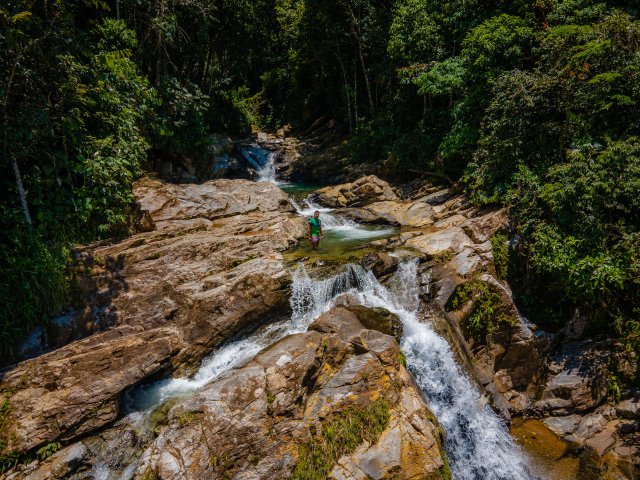
3. Cravo Sur River – Fishing, Nature, and River Life
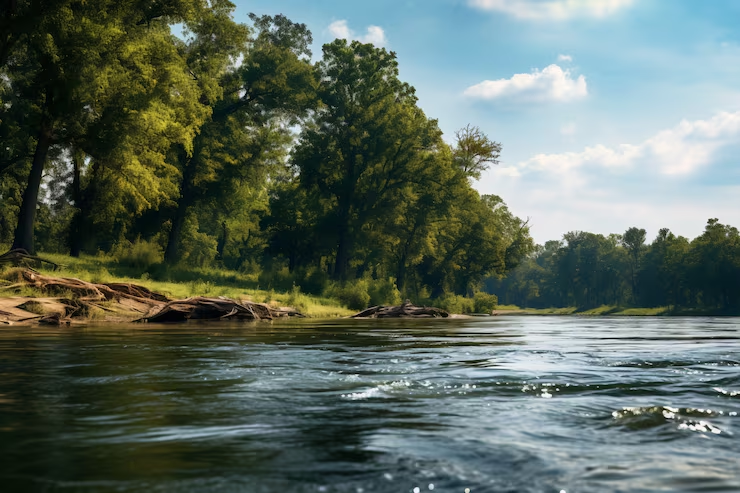
The Cravo Sur River is one of Casanare’s most important waterways. Flowing near Yopal, it supports both wildlife and human communities.
A River of Biodiversity
The river and its banks are home to:
- Fish species vital to local diets
- Water birds and migratory species
- Reptiles and amphibians
The surrounding vegetation provides shade and shelter, creating rich microhabitats.
Fishing Traditions
Fishing along the Cravo Sur is both a livelihood and a cultural practice. Locals use traditional methods passed down through generations, emphasizing sustainability and respect for natural cycles.
Visitors may observe or participate in fishing activities guided by locals.
Recreation and Relaxation
The riverbanks offer spaces for picnics, swimming during dry seasons, and quiet nature observation. Sunset along the Cravo Sur is especially memorable, with wide skies reflecting in the water.
Why Visit the Cravo Sur River?
The river offers peaceful nature experiences and cultural authenticity, showcasing daily life in the Llanos.
4. Hato La Aurora – Eco-Lodge Adventures in the Wild Plains
Hato La Aurora is one of Colombia’s most renowned eco-lodges and wildlife reserves, located deep within Casanare’s plains. Originally a working cattle ranch, it has become a model for sustainable tourism.
Conservation and Coexistence
Hato La Aurora demonstrates how cattle ranching and wildlife conservation can coexist. Large areas of the ranch are protected, allowing ecosystems to thrive.
The reserve is home to:
- Jaguars and pumas
- Giant anteaters
- Capybaras
- Caimans and birds
Guided Eco-Adventures
Guests at Hato La Aurora can enjoy:
- Jeep safaris
- Horseback excursions
- Night wildlife walks
- Birdwatching tours
Activities are guided by experts who emphasize conservation and education.
Remote and Immersive Experience
Staying at the lodge allows visitors to disconnect from urban life and fully immerse themselves in the rhythms of the plains.
Why Visit Hato La Aurora?
This eco-lodge offers responsible adventure, wildlife conservation, and unforgettable landscapes.
5. Traditional Joropo Music – The Sound of the Llanos
No visit to Casanare is complete without experiencing Joropo music, the region’s most important cultural expression.
Music Born from the Plains
Joropo originated among cattle herders and rural communities. It reflects the rhythm of horseback riding, river crossings, and daily life in the Llanos.
The music is fast-paced and energetic, often accompanied by dancing.
Instruments and Performance
Traditional Joropo features:
- Harp
- Cuatro (four-stringed guitar)
- Maracas
Lyrics often celebrate nature, love, and llanero pride.
Cultural Identity and Celebration
Joropo is performed at festivals, family gatherings, and community events. It strengthens regional identity and passes traditions from one generation to the next.
Why Experience Joropo Music?
Joropo captures the soul, resilience, and joy of Casanare, offering an emotional connection to the region.
Final Thoughts: Why Casanare Is Colombia’s Open-Hearted Frontier
Casanare is a place of openness—in landscapes, culture, and spirit. From the welcoming city of Yopal to wildlife-filled plains, from the flowing Cravo Sur River to conservation-focused lodges and vibrant Joropo music, this department offers experiences that feel deeply rooted and genuine.
Casanare invites travelers to slow down, look far into the horizon, and listen—to nature, to music, and to stories carried by the wind across the plains.
If you seek authentic culture, wild nature, and meaningful travel, Casanare belongs on your Colombia journey.