
Now Reading: Top 5 Tourist Places in Cauca, Colombia
-
01
Top 5 Tourist Places in Cauca, Colombia
Top 5 Tourist Places in Cauca, Colombia
Cauca, Colombia: Colonial Grace, Indigenous Heritage, and Volcanic Landscapes
Located in southwestern Colombia, Cauca is a region of striking contrasts and deep cultural roots. Stretching from the Central Andean range toward the Pacific lowlands, Cauca is shaped by volcanoes, sacred valleys, Indigenous territories, and colonial cities that preserve centuries of history.
Cauca is not just a destination—it is an experience of memory, resilience, and tradition. Travelers who explore this department encounter living Indigenous cultures, UNESCO-recognized heritage sites, and natural spaces where fire and water shape the land.
This long-form travel guide explores the top five must-visit places in Cauca, revealing why this department is one of Colombia’s most meaningful and enriching destinations.
1. Popayán – The “White City” of Colonial Colombia
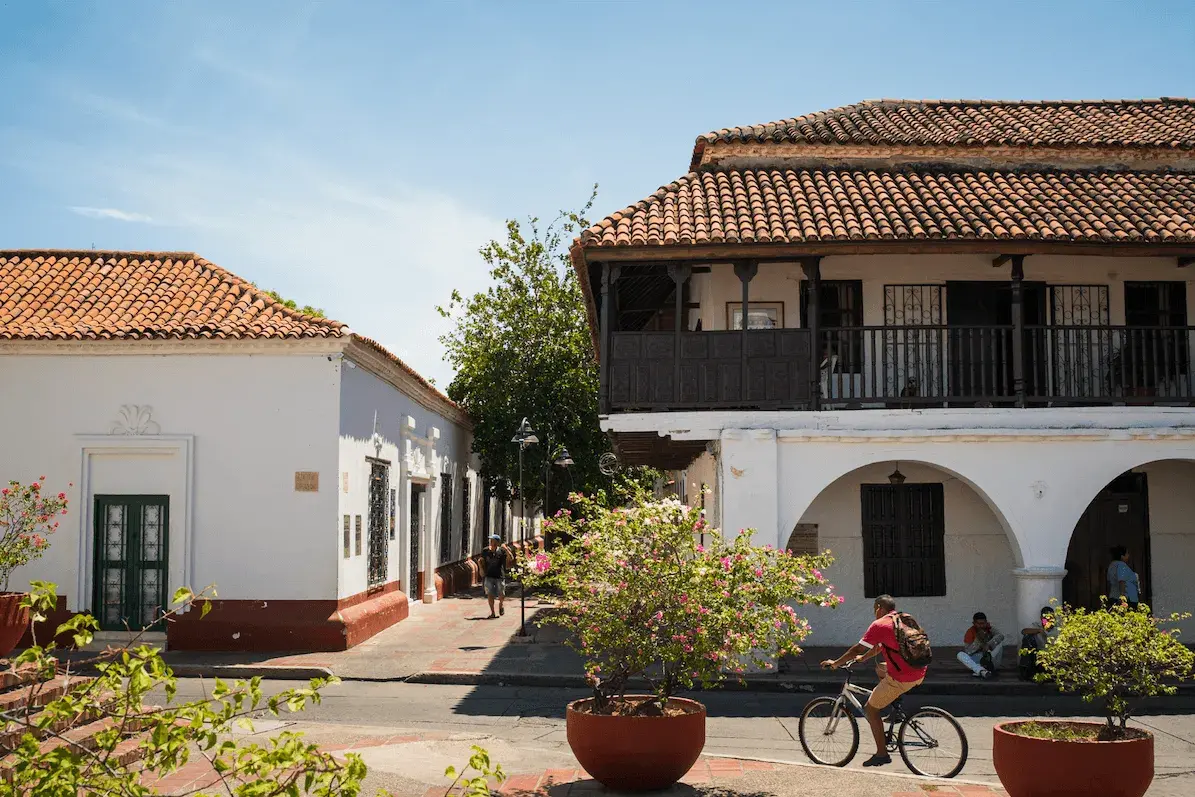
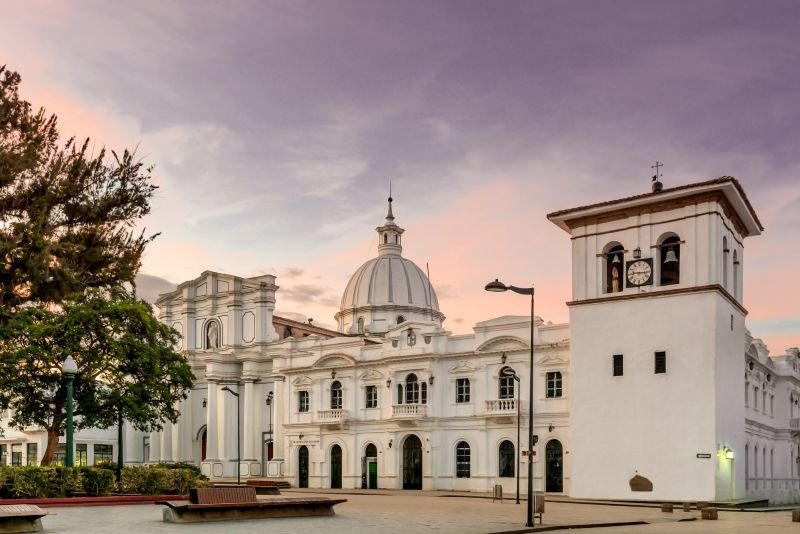
Popayán, the capital of Cauca, is one of Colombia’s most beautiful and historically significant cities. Known as “La Ciudad Blanca” (The White City), Popayán is famous for its whitewashed colonial buildings, elegant churches, and refined urban design.
A City Built on Elegance and Faith
Founded in 1537, Popayán quickly became an important religious and administrative center during the Spanish colonial period. The city’s architecture reflects Andalusian influence, with wide plazas, arched corridors, and symmetrical facades.
Many of Popayán’s buildings are painted white, symbolizing purity and religious devotion, especially prominent during Holy Week celebrations.
Religious Heritage and Semana Santa
Popayán is internationally recognized for its Semana Santa (Holy Week) processions, declared a UNESCO Intangible Cultural Heritage. During this time, centuries-old religious statues are carried through candlelit streets in solemn ceremonies that attract visitors from around the world.
Churches such as:
- Catedral Basílica Nuestra Señora de la Asunción
- Iglesia de San Francisco
- Iglesia de Santo Domingo
form the spiritual backbone of the city.
Culture, Education, and Cuisine
Popayán is also known as a center of learning, home to one of Colombia’s oldest universities. Its culinary tradition is so rich that UNESCO recognized Popayán as a City of Gastronomy.
Local dishes reflect Indigenous, Spanish, and Afro-Colombian influences.
Why Visit Popayán?
Popayán offers colonial beauty, spiritual depth, and refined culture, making it one of Colombia’s most elegant cities.
2. Puracé National Natural Park – Volcanoes and Healing Hot Springs
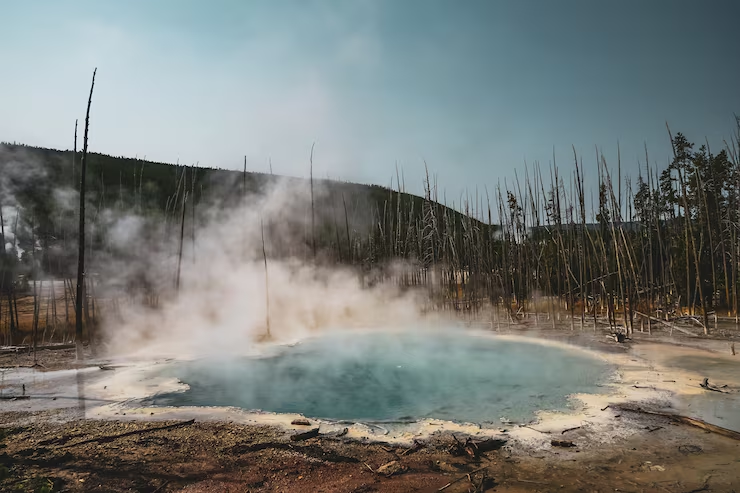
Puracé National Natural Park is one of Colombia’s most spectacular protected areas, located in the Central Andes of Cauca. The park is named after Puracé Volcano, one of the country’s most active volcanoes.
A Landscape Shaped by Fire and Ice
The park features:
- Active volcanoes
- High-altitude páramo ecosystems
- Glacial lakes
- Thermal springs
These elements combine to create a dramatic and ever-changing environment.
Biodiversity and Sacred Nature
Puracé is home to diverse wildlife, including:
- Andean condors
- Spectacled bears
- Pumas
- Rare plant species
For Indigenous communities, the park is sacred land, closely tied to spiritual beliefs and ancestral traditions.
Outdoor Activities and Exploration
Visitors can enjoy:
- Guided hikes to volcanic viewpoints
- Birdwatching
- Visits to thermal springs
- Environmental education experiences
Due to altitude and weather conditions, guided visits are recommended.
Why Visit Puracé National Park?
Puracé offers powerful landscapes, biodiversity, and spiritual connection, making it one of Colombia’s most awe-inspiring natural destinations.
3. Silvia – Heart of Guambiano Indigenous Culture
Silvia is a small town near Popayán that serves as the cultural heart of the Guambiano (Misak) Indigenous people. This is one of the best places in Colombia to experience living Indigenous traditions respectfully and authentically.
A Town Rooted in Ancestral Identity
The Guambiano people are easily recognized by their traditional clothing, including blue garments and bowler hats worn by women. Their language, customs, and social organization remain strong and visible in daily life.
Silvia’s weekly Indigenous market is a focal point of cultural exchange.
Markets, Rituals, and Community Life
At the market, visitors see:
- Traditional foods and medicinal plants
- Handwoven textiles
- Agricultural products
Community elders often share knowledge about cosmology, nature, and history through storytelling and guided experiences.
Respectful Cultural Tourism
Tourism in Silvia is community-led, emphasizing respect, education, and cultural preservation rather than spectacle.
Why Visit Silvia?
Silvia offers deep cultural understanding, authenticity, and human connection, making it one of Cauca’s most meaningful destinations.
4. Tierradentro – UNESCO-Listed Pre-Columbian Tombs
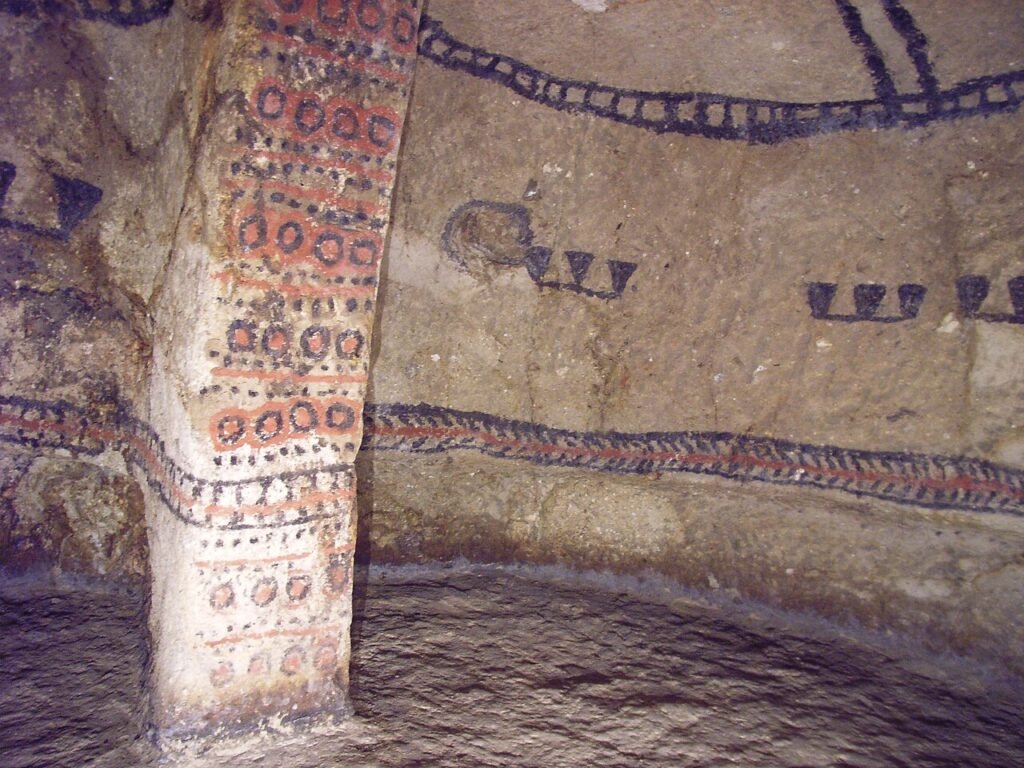
Tierradentro Archaeological Park is one of Colombia’s most important pre-Columbian heritage sites and a UNESCO World Heritage Site. It contains elaborate underground tombs created by ancient Indigenous civilizations.
Ancestral Engineering and Art
The tombs, known as hypogea, are carved deep into the earth and decorated with intricate geometric patterns and symbolic motifs. They reveal advanced knowledge of architecture, art, and spiritual beliefs.
Descending into these chambers is a powerful and reflective experience.
Cultural and Historical Significance
The site dates back over a thousand years and provides insight into societies that existed long before Spanish arrival. The tombs suggest complex rituals surrounding death, ancestry, and the afterlife.
Landscape and Isolation
Tierradentro’s remote location adds to its mystique. Rolling hills, quiet villages, and mountain views surround the archaeological zones.
Why Visit Tierradentro?
Tierradentro offers ancient history, mystery, and cultural depth, making it one of Colombia’s most profound heritage experiences.
5. Coconuco – Thermal Baths in the Andes
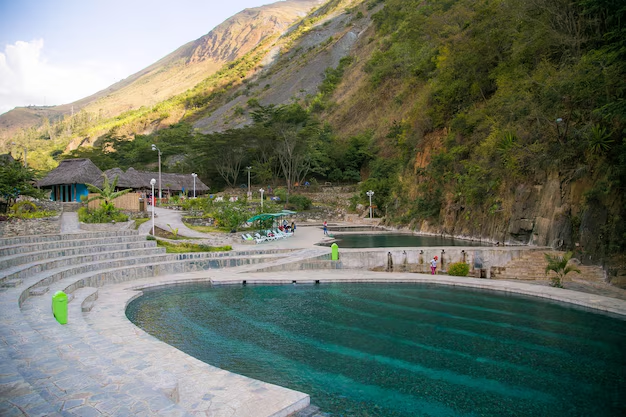
Coconuco is a small town known for its natural thermal baths, located near Puracé National Park. Heated by volcanic activity, these hot springs are treasured for relaxation and healing.
Volcanic Waters and Wellness
Mineral-rich waters emerge naturally from the earth, maintaining warm temperatures year-round. Locals believe the waters offer therapeutic benefits for muscles, skin, and circulation.
A Healing Landscape
Surrounded by mountains and mist, the baths create a peaceful environment ideal for rest and reflection. Cool Andean air contrasts beautifully with the warmth of the water.
Cultural Importance
For Indigenous communities, these waters hold spiritual significance and are associated with purification and balance.
Why Visit Coconuco?
Coconuco offers restoration, nature, and volcanic energy, making it the perfect complement to Cauca’s cultural and historical sites.
Final Thoughts: Why Cauca Is a Journey into Colombia’s Soul
Cauca is a department where history, spirituality, and nature intersect. From the white streets of Popayán to the volcanic peaks of Puracé, from the living traditions of Silvia to the ancient tombs of Tierradentro and the healing waters of Coconuco, this region offers experiences that are both grounding and transformative.
Cauca is not just visited—it is felt.
For travelers seeking depth, authenticity, and connection, Cauca stands as one of Colombia’s most powerful destinations.