
Now Reading: Top 5 Tourist Places in Córdoba, Colombia
-
01
Top 5 Tourist Places in Córdoba, Colombia
Top 5 Tourist Places in Córdoba, Colombia
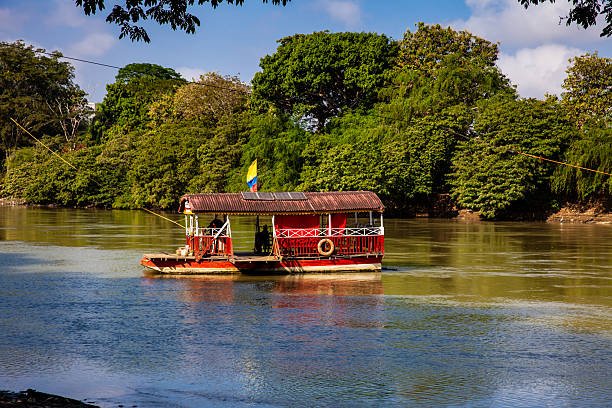
Córdoba, Colombia: Rivers, Caribbean Coasts, and Cultural Traditions
Located in northern Colombia along the Caribbean lowlands, Córdoba is a department shaped by water. Rivers, marshes, and coastal lagoons define the landscape, while cattle ranching, fishing, and multicultural trade have shaped its identity. Córdoba is a place of openness—open skies, open communities, and open traditions.
This region offers travelers a slower, more human-paced Colombia, where daily life unfolds along riverbanks, markets, and festivals rather than crowded tourist corridors.
This long-form travel guide explores the top five must-visit places and experiences in Córdoba, revealing why this department is one of Colombia’s most welcoming and authentic destinations.
1. Montería – The Sinú River City
Montería, the capital of Córdoba, is one of Colombia’s most livable and environmentally focused cities. Known as the “Pearl of the Sinú,” the city is built along the banks of the Sinú River, which defines its layout, culture, and daily rhythm.
A City Designed Around a River
Unlike many Colombian cities, Montería embraces its river rather than turning away from it. The Ronda del Sinú, a beautifully designed riverfront park, stretches along both sides of the river and serves as the city’s green heart.
Locals walk, cycle, relax, and socialize here throughout the day.
Urban Life with a Rural Soul
Montería is a modern administrative center, yet it retains a close connection to rural traditions. Cattle ranching and agriculture influence the economy and cuisine, while river life remains central to transportation and leisure.
Markets and public spaces reflect this blend of urban convenience and countryside values.
Cultural and Social Spaces
The city hosts theaters, museums, and cultural events that celebrate Córdoba’s heritage. Music, dance, and storytelling are common features of public gatherings.
Why Visit Montería?
Montería offers comfort, green spaces, and cultural authenticity, making it a relaxing and meaningful city to explore.
2. San Bernardo del Viento – Caribbean Beaches and Sea Breezes
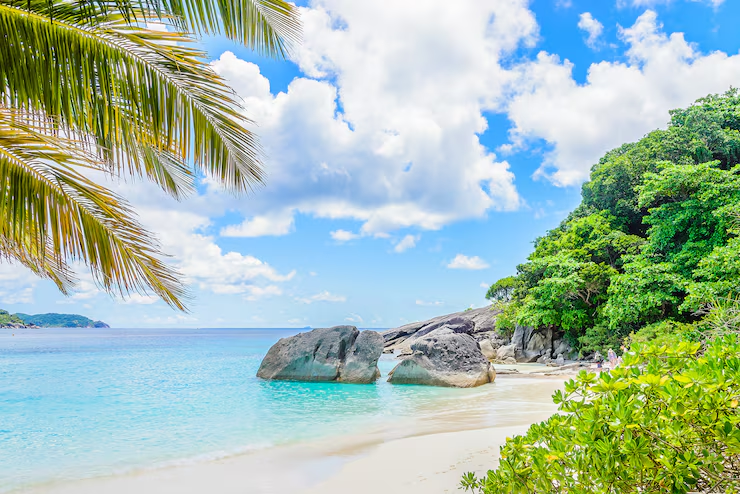
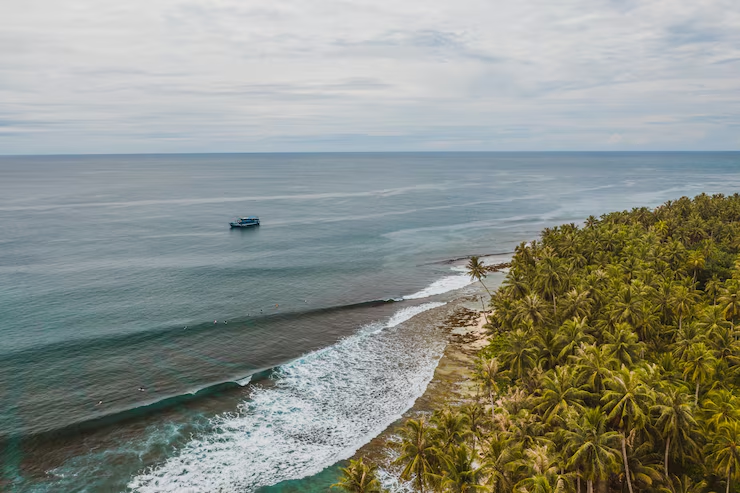
San Bernardo del Viento is Córdoba’s coastal escape, located where the Caribbean Sea meets rivers and mangroves. It remains relatively undiscovered, offering a tranquil alternative to Colombia’s more developed beach destinations.
Untouched Coastal Beauty
The beaches here are wide, sandy, and largely undeveloped. Palm trees line the shore, fishing boats rest on the sand, and sunsets paint the sky in vivid colors.
Strong breezes make the area ideal for relaxing walks and ocean views.
Fishing Culture and Coastal Life
Local communities depend on fishing and small-scale tourism. Daily life revolves around the tides, weather, and sea conditions.
Visitors can observe traditional fishing methods and enjoy fresh seafood prepared simply and authentically.
Why Visit San Bernardo del Viento?
This coastal town offers peace, authenticity, and Caribbean simplicity, perfect for travelers seeking quiet beaches.
3. Lorica – Arab-Influenced Architecture and Trading Heritage
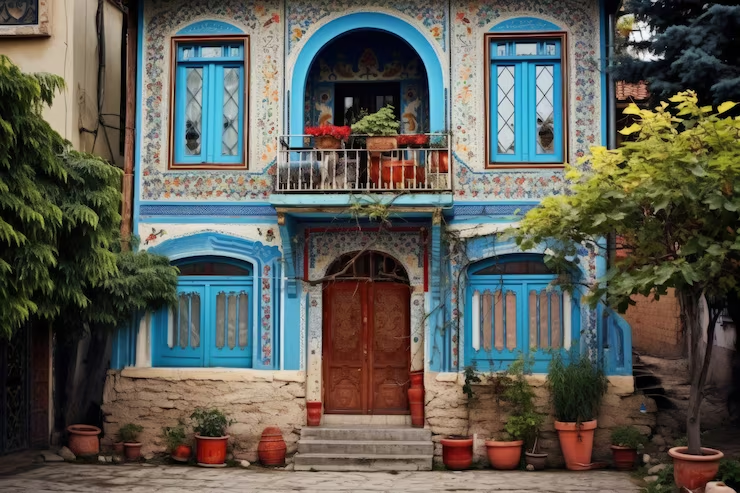
Lorica is one of Córdoba’s most culturally unique towns, known for its Arab-influenced architecture and historical role as a trading hub.
A Legacy of Migration and Trade
In the late 19th and early 20th centuries, Middle Eastern immigrants—mainly from Lebanon and Syria—settled in Lorica. Their influence reshaped the town’s architecture, commerce, and culture.
Architectural Highlights
Lorica’s historic center features:
- Ornate balconies and arches
- Decorative facades with Middle Eastern motifs
- Buildings overlooking the Sinú River
These structures create a distinct atmosphere unlike any other town in Colombia.
Cultural Fusion
Lorica represents a blend of Caribbean, Indigenous, and Arab traditions. Food, music, and social customs reflect this unique fusion.
Why Visit Lorica?
Lorica offers architectural beauty, multicultural history, and riverside charm.
4. Ciénaga de Ayapel – A Living Wetland Ecosystem
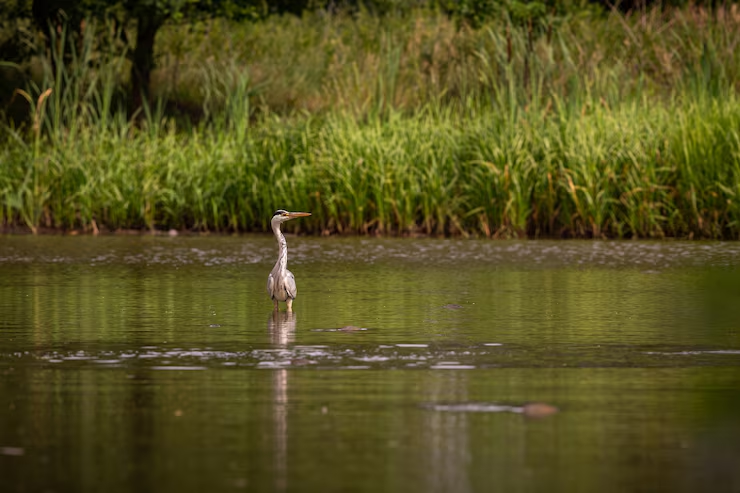
The Ciénaga de Ayapel is one of Colombia’s most important freshwater wetland systems. Located in southern Córdoba, this vast lagoon supports biodiversity and local livelihoods.
A Landscape of Water and Life
Seasonal flooding transforms the area into a network of lagoons, channels, and marshes. This dynamic ecosystem supports:
- Fish populations
- Water birds
- Aquatic plants
Traditional Fishing Communities
Communities around the Ciénaga depend on fishing and small-scale agriculture. Canoes glide through the wetlands as part of daily life.
Ecological Importance
The wetland plays a vital role in flood control and biodiversity conservation. Sustainable tourism initiatives aim to protect the ecosystem while supporting local residents.
Why Visit Ciénaga de Ayapel?
It offers ecological richness, peaceful scenery, and insight into wetland life.
5. Cultural Festivals – Living Traditions of Córdoba
Festivals are central to life in Córdoba, celebrating music, dance, food, and regional identity.
Music, Dance, and Celebration
Córdoba’s festivals often feature:
- Traditional Caribbean rhythms
- Folk dances
- Local cuisine
- Community storytelling
These events bring together towns and villages in joyful expression.
Preserving Heritage Through Celebration
Festivals are more than entertainment—they preserve cultural memory and pass traditions to younger generations.
Why Experience Córdoba’s Cultural Festivals?
They offer energy, warmth, and cultural immersion, revealing the heart of the region.
Final Thoughts: Why Córdoba Is a Destination of Water and Warmth
Córdoba is shaped by rivers, wetlands, and the Caribbean Sea—but also by people whose lives revolve around community, tradition, and openness.
From the riverfront calm of Montería to the quiet beaches of San Bernardo del Viento, from Lorica’s multicultural architecture to the living wetlands of Ayapel and the joyful rhythms of cultural festivals, Córdoba offers travelers an authentic and welcoming Colombia.
If you seek slow travel, cultural depth, and natural beauty, Córdoba is a destination worth discovering.