
Now Reading: Top 5 Tourist Places in Cundinamarca, Colombia
-
01
Top 5 Tourist Places in Cundinamarca, Colombia
Top 5 Tourist Places in Cundinamarca, Colombia
Cundinamarca, Colombia: Legends, Landscapes, and Living History
Located in the heart of Colombia, Cundinamarca is a department where ancient Indigenous traditions, colonial heritage, and breathtaking natural scenery coexist. Surrounding Bogotá, this region offers travelers a deeper look into the cultural and geographical foundations of the country.
Cundinamarca is a land of sacred lakes, underground wonders, thundering waterfalls, fertile valleys, and charming towns that preserve Colombia’s past while embracing modern life. It is a destination that invites reflection, exploration, and connection with nature.
This comprehensive travel guide explores the top five must-visit places in Cundinamarca, revealing why this department is essential to understanding Colombia’s identity.
1. Zipaquirá Salt Cathedral – An Underground Marvel
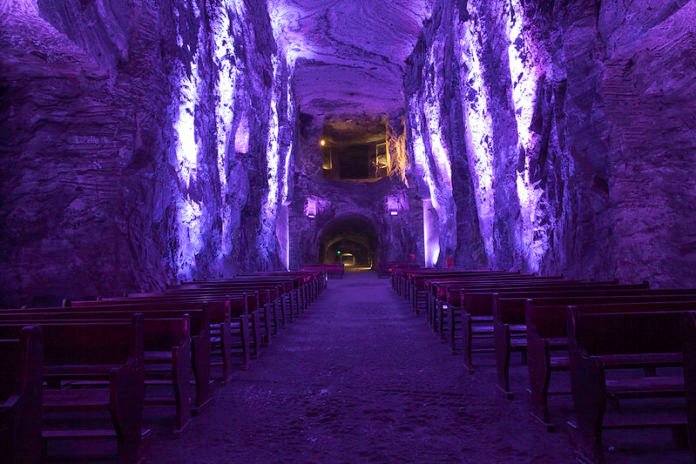
The Zipaquirá Salt Cathedral is one of Colombia’s most extraordinary attractions and a symbol of both engineering brilliance and spiritual devotion. Located beneath the town of Zipaquirá, this underground church is carved entirely from salt within a former mining complex.
A Sacred Space Below the Earth
Descending into the cathedral feels like entering another world. Tunnels, chambers, and towering salt-carved crosses create an atmosphere of silence and awe. The cathedral lies hundreds of meters underground, yet feels vast and monumental.
Soft lighting enhances the texture of the salt walls, highlighting sculptures, reliefs, and symbolic stations that guide visitors through a spiritual journey.
History Rooted in Mining Tradition
Salt mining has been central to Zipaquirá since pre-Columbian times. Indigenous Muisca communities extracted salt here, using it as currency and trade goods. The modern cathedral pays homage to miners who once prayed underground for protection before beginning their workday.
Architectural and Spiritual Significance
The cathedral blends religious symbolism with modern design. Even non-religious visitors are struck by the sense of peace and reverence within its chambers.
Why Visit Zipaquirá Salt Cathedral?
It offers a once-in-a-lifetime underground experience, combining faith, history, and architectural innovation.
2. Guatavita Lagoon – The Birthplace of the El Dorado Legend
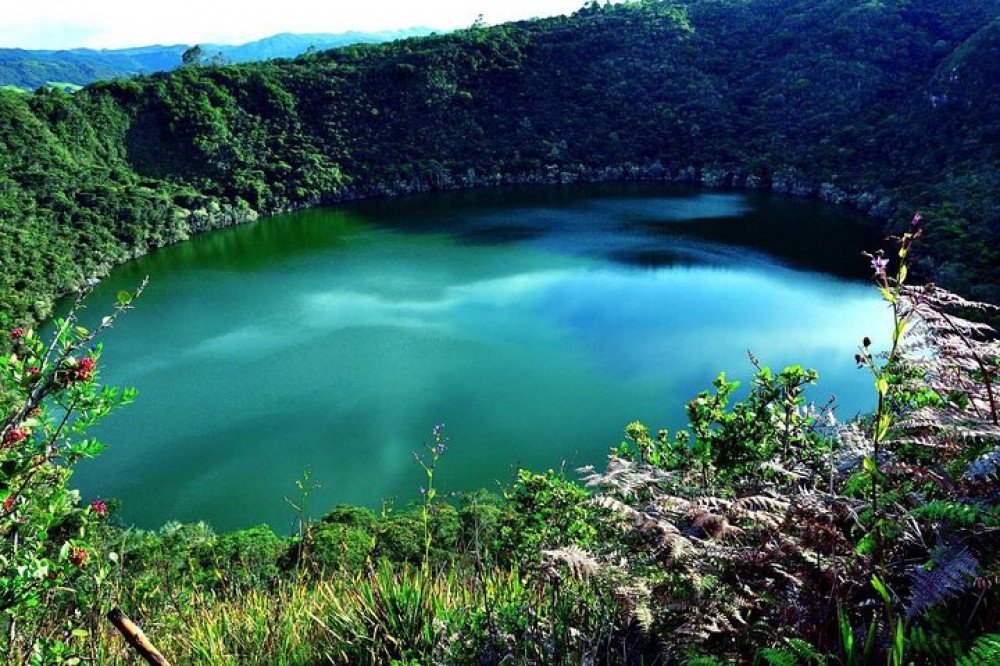
The Guatavita Lagoon is one of Colombia’s most legendary and mystical natural sites. Nestled high in the Andes, this circular lake is deeply connected to the El Dorado myth that captivated explorers for centuries.
Sacred Waters of the Muisca Civilization
For the Muisca people, Guatavita was a sacred ceremonial site. According to legend, a newly appointed chief would cover himself in gold dust and offer precious objects to the lake as part of a ritual honoring the gods.
This ritual inspired the El Dorado legend—the idea of a golden city or king—that drove countless expeditions into South America.
A Landscape of Spiritual Calm
Surrounded by lush vegetation and rolling hills, the lagoon feels serene and untouched. Walking the trails around it provides panoramic views and a deep sense of tranquility.
Conservation and Cultural Respect
Today, Guatavita is protected as a cultural and ecological reserve. Visitors are encouraged to explore responsibly and respect its sacred history.
Why Visit Guatavita Lagoon?
It offers myth, mystery, and natural beauty, making it one of Colombia’s most meaningful destinations.
3. Tequendama Falls – Power and Drama of Nature
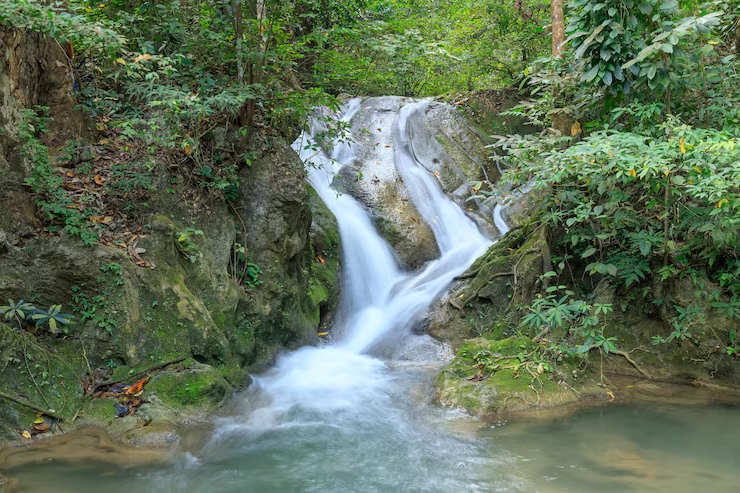
Tequendama Falls (Salto del Tequendama) is one of Colombia’s most dramatic natural landmarks. Located southwest of Bogotá, this powerful waterfall plunges into a deep canyon carved by the Bogotá River.
A Spectacle of Water and Mist
At full flow, the falls thunder with immense force, sending mist into the air and creating a mesmerizing visual display. The surrounding cliffs and vegetation amplify the dramatic effect.
Legends and Symbolism
For Indigenous communities, the falls were sacred and believed to mark a transition between worlds. Over time, the site became a source of folklore, mystery, and artistic inspiration.
The Historic Overlook
Near the falls stands a historic building that once served as a luxury hotel and later became a cultural symbol. It adds a sense of nostalgia and intrigue to the area.
Why Visit Tequendama Falls?
It delivers raw natural power, history, and unforgettable scenery.
4. Chía – Colonial Charm Near the Capital
Chía is a charming town that balances colonial heritage with modern suburban life. Located just north of Bogotá, it offers visitors a relaxed atmosphere without sacrificing cultural depth.
Colonial Roots and Town Identity
Chía’s historic center features traditional architecture, quiet streets, and plazas that reflect its colonial past. Churches and public buildings stand as reminders of its historical importance.
Cultural Life and Traditions
Despite its proximity to Bogotá, Chía maintains a strong local identity. Cultural events, markets, and festivals keep traditions alive.
A Gateway to the Highlands
Chía’s location makes it an excellent base for exploring the surrounding countryside, hills, and nearby attractions.
Why Visit Chía?
It offers heritage, comfort, and authenticity, perfect for a peaceful cultural stop.
5. La Vega – Coffee, Nature, and Rural Tranquility
La Vega is a lush, green municipality known for its fertile land, coffee cultivation, and natural beauty. Located at a lower altitude, it enjoys a warmer climate than much of Cundinamarca.
Coffee and Agriculture
The area is rich in coffee farms, fruit plantations, and small-scale agriculture. Coffee production here reflects Colombia’s deep-rooted coffee culture.
Nature and Outdoor Experiences
La Vega is surrounded by hills, rivers, and forests. Nature walks, birdwatching, and countryside exploration are popular activities.
A Slower Pace of Life
Life in La Vega moves at a gentle rhythm. Visitors often describe it as refreshing—a place to disconnect and reconnect with nature.
Why Visit La Vega?
It offers green landscapes, coffee traditions, and peaceful rural life.
Final Thoughts: Why Cundinamarca Is the Heart of Colombia
Cundinamarca is more than a region—it is a living narrative of Colombia’s past, present, and future. From the underground silence of the Zipaquirá Salt Cathedral to the sacred waters of Guatavita, from the roaring power of Tequendama Falls to the calm streets of Chía and the green hills of La Vega, every destination tells a story.
This department invites travelers to explore not just places, but legends, traditions, and landscapes that shaped an entire nation.
For those seeking history, spirituality, nature, and authenticity, Cundinamarca is an unforgettable journey into the soul of Colombia.