
Now Reading: Top 5 Tourist Places in Fujian, China
-
01
Top 5 Tourist Places in Fujian, China

Top 5 Tourist Places in Fujian, China
Fujian: Where Mountains, Sea, and Ancient Traditions Meet
Fujian Province, located along China’s southeastern coast, is a land of striking contrasts. Rugged mountains rise from misty tea valleys, while historic port cities open to the vast Pacific Ocean. For centuries, Fujian has been a gateway between China and the world, shaping its culture through trade, migration, and spiritual exchange. Today, Fujian offers travelers a rare blend of coastal beauty, UNESCO-listed heritage, sacred landscapes, and living traditions.
This travel guide explores five of Fujian’s most remarkable destinations: Xiamen, Tulou Clusters, Wuyi Mountains, Quanzhou, and Fuzhou—each revealing a unique side of the province’s identity.
1. Xiamen – A Relaxed Coastal City with Island Charm
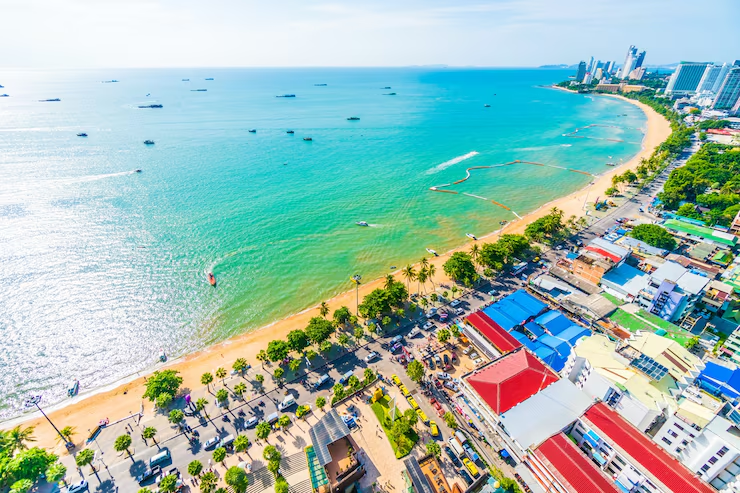
Xiamen is one of China’s most pleasant and livable coastal cities, known for its clean environment, mild climate, and artistic atmosphere. Located on the southeastern coast of Fujian, Xiamen has long been a bridge between China and the outside world, shaping its architecture, cuisine, and culture.
Coastal Beauty and City Life
Unlike many large Chinese cities, Xiamen feels calm and spacious. Tree-lined streets, seaside promenades, and modern infrastructure make it ideal for relaxed exploration. The city’s coastline is dotted with beaches such as Baicheng Beach and Huangcuo Beach, popular for sunrise walks, cycling, and ocean views.
Xiamen’s subtropical climate allows greenery to flourish year-round, giving the city a refreshing, open feel.
Gulangyu Island – A Timeless Escape
Just a short ferry ride from downtown Xiamen lies Gulangyu Island, one of Fujian’s most famous attractions and a UNESCO World Heritage Site. Cars are banned on the island, creating a peaceful atmosphere of narrow lanes, colonial-era buildings, and lush gardens.
Gulangyu reflects Xiamen’s international past, with architecture influenced by European styles from the 19th and early 20th centuries. Highlights include:
- Piano Museum
- Sunlight Rock
- Shuzhuang Garden
The island is also known as the “Island of Music,” with pianos found in many homes and regular performances enriching its artistic soul.
Food and Local Culture
Xiamen is a paradise for seafood lovers. Local specialties include oyster omelets, peanut soup, sandworm jelly, and fresh shellfish. Street food markets and night stalls are vibrant and full of character.
Why Visit Xiamen
Xiamen is perfect for travelers seeking a balance of urban comfort, island beauty, and cultural depth. It serves as an excellent starting point for exploring Fujian Province.
2. Tulou Clusters – Monumental Homes of Community and Defense
The Fujian Tulou are among China’s most unique architectural achievements and are recognized as a UNESCO World Heritage Site. These massive earthen structures were built by the Hakka people between the 12th and 20th centuries and are found mainly in rural Fujian.
What Are Tulou?
Tulou are large, fortified communal houses made from rammed earth, wood, and stone. They are usually circular or square in shape and can house up to 300 people from the same clan.
Despite their simple materials, Tulou are remarkably durable—some have survived earthquakes and centuries of use.
Architectural Genius
Each Tulou is designed for:
- Defense against bandits
- Communal living
- Climate regulation
Thick walls, a single fortified entrance, and inward-facing living spaces reflect a society built on unity, cooperation, and mutual protection.
Famous Tulou Areas
Notable Tulou clusters include:
- Yongding
- Nanjing
- Hua’an
Visitors can enter many Tulou to explore courtyards, ancestral halls, and living quarters, often interacting with local residents who still call these structures home.
Cultural Significance
Tulou are more than buildings—they represent Hakka values of family, resilience, and harmony. Life inside follows traditional rhythms, with shared meals, festivals, and rituals.
Visitor Experience
Visiting Tulou offers a deep cultural immersion into rural China, far from modern city life. The surrounding landscapes of mountains and farmland add to the experience.
3. Wuyi Mountains – Nature, Tea, and Tranquility

The Wuyi Mountains, a UNESCO World Heritage Site, are one of Fujian’s most stunning natural destinations. Located in northern Fujian, this area is famous for its dramatic cliffs, winding rivers, and world-renowned tea plantations.
Scenic Landscapes
Wuyi Mountains feature red sandstone peaks, bamboo forests, waterfalls, and mist-filled valleys. The Nine-Bend River flows gently through the mountains, offering bamboo raft rides that provide serene views of cliffs and greenery.
Hiking and Exploration
Numerous hiking trails lead to viewpoints, temples, and secluded paths. Popular routes include:
- Tianyou Peak
- Water Curtain Cave
- Da Hong Pao Scenic Area
The environment feels untouched and deeply peaceful.
Birthplace of Famous Tea
Wuyi Mountains are the origin of Da Hong Pao, one of China’s most famous oolong teas. Tea plantations blanket the hillsides, and visitors can tour tea gardens, learn about traditional processing methods, and participate in tea tastings.
Cultural and Spiritual Heritage
The area has strong connections to Taoism, Buddhism, and Confucianism. Ancient temples and academies are hidden among the cliffs, reflecting centuries of spiritual practice and scholarly life.
Why Visit Wuyi Mountains
This destination is ideal for nature lovers, hikers, and those seeking slow, mindful travel combined with cultural depth.
4. Quanzhou – Cradle of the Maritime Silk Road
Quanzhou is one of China’s most historically significant port cities and a key hub of the Maritime Silk Road. Recognized as a UNESCO World Heritage Site, Quanzhou once connected China to Southeast Asia, the Middle East, and Europe.
A City of Cultural Exchange
For centuries, Quanzhou was home to traders, sailors, and missionaries from around the world. This multicultural legacy remains visible today in its architecture and religious sites.
Key Attractions
- Kaiyuan Temple – One of China’s largest Buddhist temples
- Qingjing Mosque – One of the oldest mosques in China
- Manichaean and Hindu relics
- Ancient docks and stone bridges
Living History
Quanzhou’s old streets preserve traditional crafts, markets, and daily life. Walking through the city feels like traveling through layers of history.
Culinary Traditions
Quanzhou cuisine reflects its trading past, with influences from maritime cultures. Seafood dishes, rice-based snacks, and herbal soups are local favorites.
Why Visit Quanzhou
Quanzhou is a must-visit for travelers interested in history, religion, and cultural exchange.
5. Fuzhou – Hot Springs and Heritage Capital
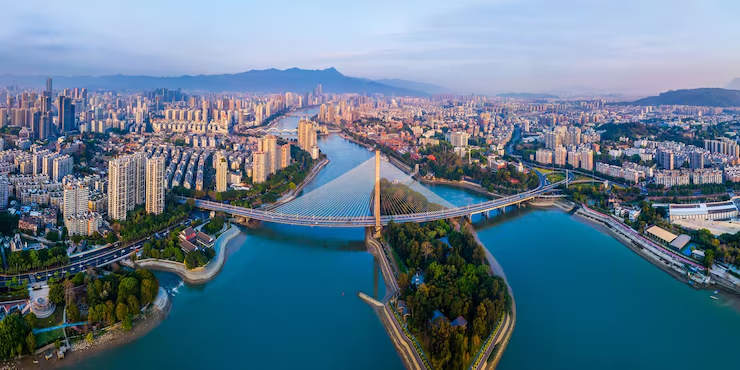
Fuzhou, the capital of Fujian Province, is a city rich in history, traditional culture, and natural beauty. Known as the “City of Banyans,” Fuzhou blends ancient architecture with modern urban life.
Historical Legacy
Fuzhou has been a cultural center for over 2,200 years. It played an important role in maritime trade and education, producing many scholars and officials.
Top Attractions
- Three Lanes and Seven Alleys – A historic neighborhood with Ming and Qing-era architecture
- West Lake Park – One of China’s oldest landscaped parks
- Drum Mountain (Gushan) – A sacred mountain with temples and city views
Hot Springs Culture
Fuzhou is famous for its natural hot springs, used for relaxation and wellness for centuries. Many hotels and bathhouses incorporate these mineral-rich waters.
Local Cuisine
Fuzhou cuisine emphasizes light flavors, seafood, soups, and delicate techniques. Fish balls and Buddha Jumps Over the Wall are iconic dishes.
Why Visit Fuzhou
Fuzhou is both a cultural gateway and a comfortable modern city, ideal for understanding Fujian’s heart and heritage.