
Now Reading: Top 5 Tourist Places in Gansu, China
-
01
Top 5 Tourist Places in Gansu, China
Top 5 Tourist Places in Gansu, China
Gansu: A Journey Through Deserts, Silk Road Legends, and Sacred Art
Gansu Province stretches like a long corridor across northwestern China, linking the heart of ancient China with Central Asia. For thousands of years, this region served as a vital artery of the Silk Road, carrying traders, monks, armies, and ideas across deserts and mountains. As a result, Gansu is one of China’s most historically layered and visually dramatic provinces.
From breathtaking Buddhist cave art and vast desert landscapes to colorful geological wonders and historic frontier fortresses, Gansu tells stories of faith, endurance, and cultural exchange. This guide explores five must-visit destinations in Gansu: Mogao Caves (Dunhuang), Crescent Lake, Jiayuguan Pass, Zhangye Danxia, and Lanzhou.
1. Mogao Caves (Dunhuang) – A Treasure House of Buddhist Art
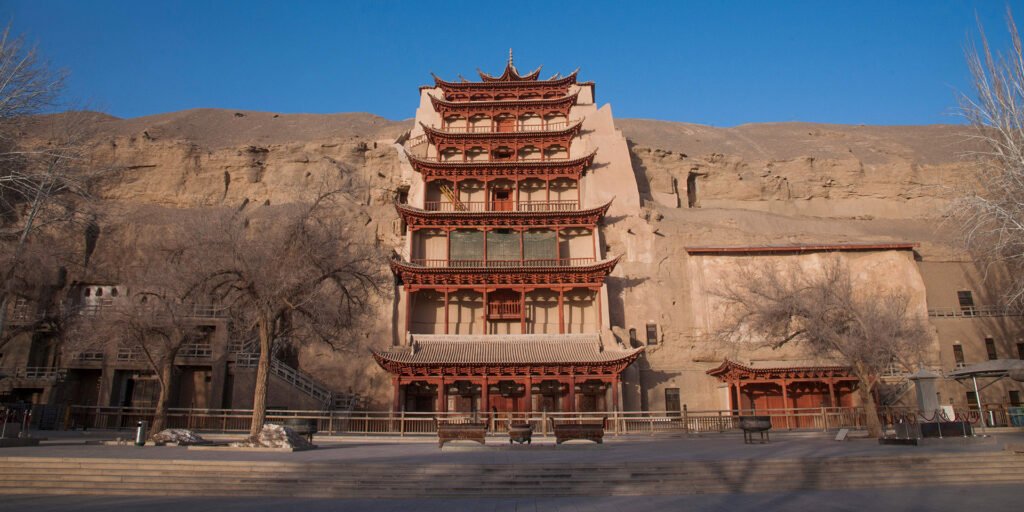
The Mogao Caves, located near the desert city of Dunhuang, are one of the most important cultural and religious sites in the world. Often called the “Caves of the Thousand Buddhas,” this UNESCO World Heritage Site represents over 1,000 years of Buddhist artistic devotion along the Silk Road.
Historical Importance
Construction of the Mogao Caves began in the 4th century, when Buddhist monks traveling the Silk Road carved meditation caves into the sandstone cliffs. Over centuries, dynasties including the Northern Wei, Tang, and Song expanded the complex, resulting in over 490 decorated caves.
These caves were funded by merchants, officials, and pilgrims seeking spiritual merit, leaving behind an unparalleled artistic legacy.
Artistic Masterpieces
Inside the caves are stunning murals, sculptures, and painted ceilings covering more than 45,000 square meters. The artwork depicts:
- Buddhist stories and sutras
- Heavenly beings and bodhisattvas
- Daily life, trade caravans, and foreign envoys
The vibrant colors and refined techniques show artistic influences from India, Persia, Central Asia, and China, making the Mogao Caves a visual record of cultural exchange.
The Library Cave
One of the most significant discoveries was the Library Cave (Cave 17), sealed for centuries and rediscovered in the early 20th century. It contained tens of thousands of manuscripts, paintings, and documents, providing invaluable insight into religion, language, science, and politics along the Silk Road.
Visitor Experience
Due to preservation efforts, visitors enter selected caves on guided tours. A modern visitor center provides digital exhibitions that enhance understanding while protecting fragile artwork.
Why Visit Mogao Caves
The Mogao Caves are not just a tourist attraction—they are one of humanity’s greatest artistic and spiritual achievements.
2. Crescent Lake – A Miraculous Oasis in the Desert
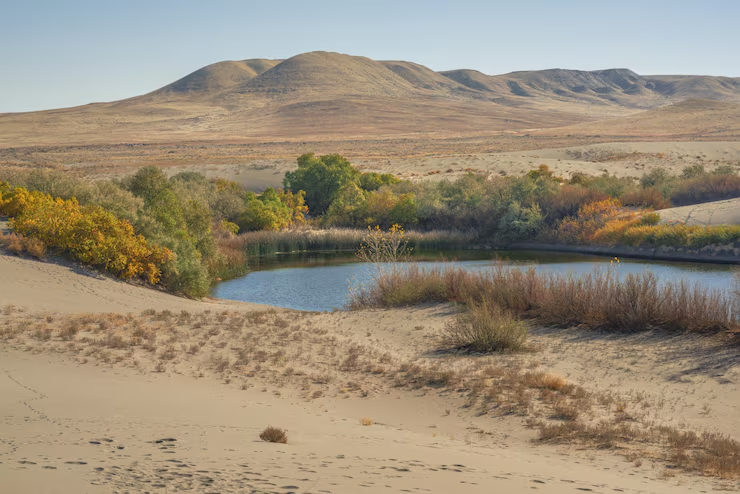
Crescent Lake (Yueyaquan) is one of China’s most iconic natural wonders. Located just outside Dunhuang, this crescent-shaped oasis sits dramatically amid towering sand dunes, defying the harsh desert environment.
A Natural Miracle
Surrounded by the vast Gobi Desert, Crescent Lake has survived for thousands of years without drying up—an extraordinary phenomenon that has fascinated travelers since ancient times. Its clear water and lush vegetation contrast sharply with the golden dunes around it.
Cultural and Historical Significance
For Silk Road travelers, Crescent Lake was a symbol of hope and survival. Merchants and caravans rested here before continuing their arduous desert journeys.
Traditional pavilions, bridges, and temples line the lake, blending human architecture harmoniously with nature.
Activities and Scenery
Visitors can:
- Walk along the lakeside paths
- Climb nearby sand dunes for panoramic views
- Ride camels across the desert
- Watch sunrise and sunset over the dunes
At dusk, the desert glows in shades of gold and red, creating unforgettable scenery.
Preservation Efforts
Due to desertification, Crescent Lake faced serious threats in the late 20th century. Conservation measures have helped stabilize water levels, making it a symbol of successful environmental protection.
Why Visit Crescent Lake
Crescent Lake is a poetic reminder of nature’s resilience and the enduring spirit of Silk Road travelers.
3. Jiayuguan Pass – Gateway at the Edge of the Empire

Jiayuguan Pass marks the western end of the Great Wall of China and is one of the most important military fortresses in Chinese history. Built during the Ming Dynasty, it guarded the empire’s frontier against invasions from the west.
Strategic Importance
Completed in 1372, Jiayuguan Pass controlled the narrow Hexi Corridor, a crucial route of the Silk Road. Anyone traveling between China and Central Asia had to pass through this fortified gateway.
Fortress Architecture
The pass consists of massive walls, watchtowers, gates, and moats, forming a self-contained defensive system. Its design reflects advanced military engineering and strategic planning.
From the walls, visitors can see:
- Endless deserts
- Snow-capped Qilian Mountains
- Vast open plains
Cultural Symbolism
Jiayuguan was often called the “Last Pass Under Heaven.” For soldiers, exiles, and travelers, crossing it meant leaving the known world behind.
Many poems and legends are associated with the pass, expressing loneliness, bravery, and farewell.
Visitor Experience
Walking along the walls and exploring the fortress allows visitors to imagine life on the ancient frontier. Museums nearby provide historical context and artifacts.
Why Visit Jiayuguan Pass
Jiayuguan embodies the spirit of China’s border defense and the dramatic history of the Silk Road.
4. Zhangye Danxia – Nature’s Rainbow Canvas
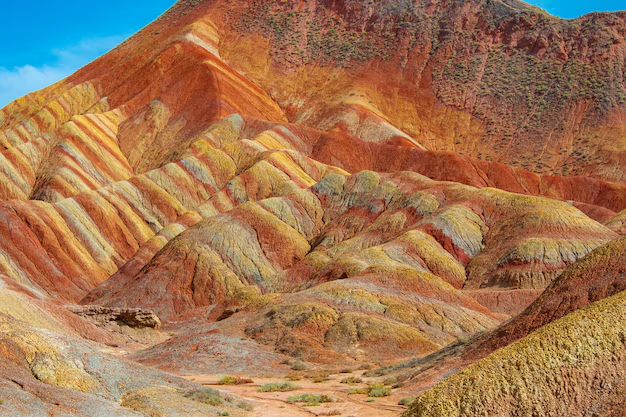
The Zhangye Danxia Landform is one of the most visually striking geological sites on Earth. Famous for its rainbow-colored rock formations, this UNESCO World Heritage Site looks like a painting created by nature itself.
Geological Formation
The vibrant layers were formed over millions of years by:
- Mineral-rich sandstone deposits
- Tectonic movements
- Wind and water erosion
Iron and other minerals give the rocks shades of red, orange, yellow, green, and purple.
Scenic Highlights
Designated viewing platforms offer breathtaking panoramic views, especially at sunrise and sunset when colors appear most vivid.
Walking trails allow close-up observation without damaging the fragile terrain.
Photography Paradise
Zhangye Danxia is one of China’s most photographed landscapes. Changing light and weather conditions create constantly shifting colors.
Conservation and Tourism
Strict protections are in place to preserve the site. Boardwalks and regulated access ensure sustainability.
Why Visit Zhangye Danxia
This destination is a reminder of Earth’s incredible natural artistry and geological history.
5. Lanzhou – Yellow River City and Silk Road Hub
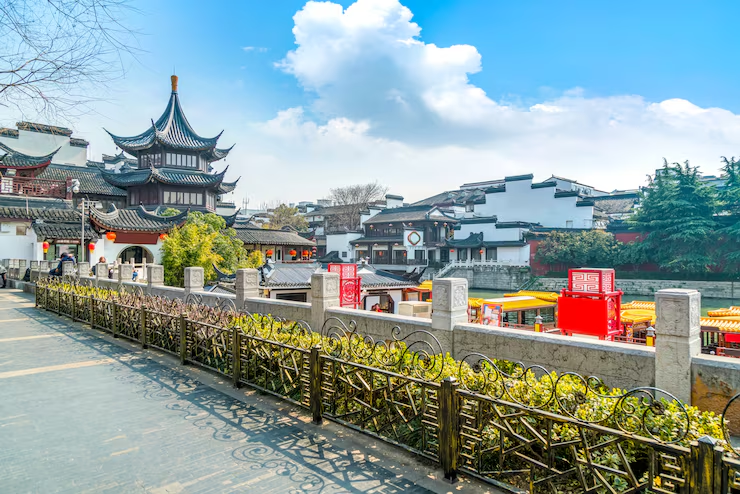
Lanzhou, the capital of Gansu Province, sits along the Yellow River and has served as a key Silk Road city for over 2,000 years. Often underestimated, Lanzhou offers rich history, local culture, and a glimpse into everyday life in northwest China.
Historical Role
As a transportation and trade center, Lanzhou connected China with Central Asia and beyond. It played a major role in commerce, military strategy, and cultural exchange.
Key Attractions
- Yellow River Mother Sculpture – Symbol of Chinese civilization
- Zhongshan Bridge – Historic iron bridge over the Yellow River
- White Pagoda Mountain – Scenic views and temples
- Gansu Provincial Museum – Silk Road artifacts and relics
Local Cuisine
Lanzhou is world-famous for Lanzhou Beef Noodles, known for their clear broth, hand-pulled noodles, and aromatic spices.
Modern City Life
Today, Lanzhou blends old and new, with riverfront parks, universities, and bustling markets reflecting modern development.
Why Visit Lanzhou
Lanzhou is the cultural heart of Gansu and an essential stop for understanding the province’s past and present.