
Now Reading: Top 5 Tourist Places in Gharbia, Egypt.
-
01
Top 5 Tourist Places in Gharbia, Egypt.
Top 5 Tourist Places in Gharbia, Egypt.
Located in the center of Egypt’s fertile Nile Delta, Gharbia Governorate is a region rich in spirituality, agriculture, and authentic Egyptian culture. While it may not appear on the typical tourist itinerary, Gharbia offers something incredibly valuable — a true glimpse into everyday Egyptian life.
With its vibrant religious festivals in Tanta, peaceful Delta villages, bustling local markets, lush green farmlands, and historic mosques, Gharbia stands as one of the most culturally grounded regions in northern Egypt.
If you are looking to explore beyond pyramids and beach resorts, Gharbia offers an experience rooted in tradition, community, and rural beauty.
Let’s explore the top attractions in Gharbia.
1. Tanta – The Spiritual Capital of the Nile Delta
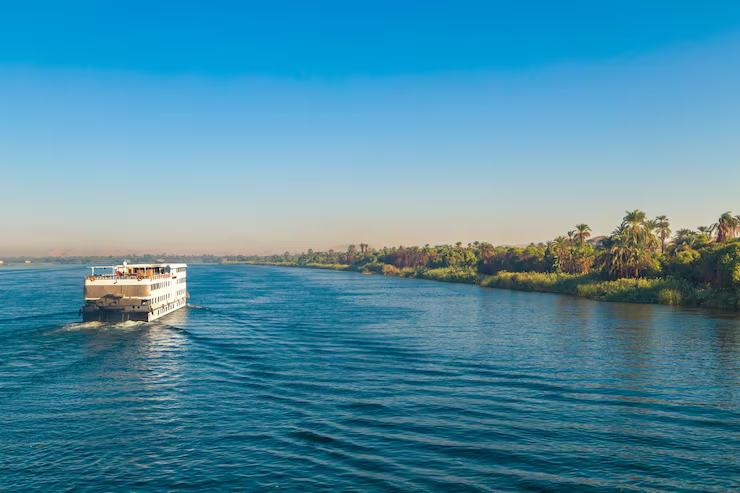
Tanta, the capital of Gharbia, is one of Egypt’s most spiritually significant cities. Known primarily for the Ahmad Al-Badawi Mosque and its famous religious festivals, Tanta attracts millions of visitors each year.
Ahmad Al-Badawi Mosque – A Major Religious Landmark
The Ahmad Al-Badawi Mosque is one of Egypt’s most important Islamic shrines. It is dedicated to Sheikh Ahmad Al-Badawi, a revered 13th-century Sufi saint.
The mosque is a stunning example of Islamic architecture, featuring:
- Large domes
- Elegant minarets
- Intricate decorative details
- Spacious prayer halls
Inside the mosque lies the tomb of Ahmad Al-Badawi, which draws pilgrims from across Egypt and neighboring countries.
The atmosphere inside is peaceful yet powerful. Visitors often witness worshippers praying, reflecting, and seeking blessings.
The Famous Tanta Religious Festival (Moulid)
Tanta is most famous for hosting one of the largest religious festivals in the Middle East — the Moulid of Ahmad Al-Badawi.
Each year, millions of people gather in Tanta to celebrate this event. The city transforms into a lively spiritual celebration filled with:
- Sufi chanting and spiritual ceremonies
- Traditional music
- Street food vendors
- Colorful tents and gatherings
- Religious lectures and performances
The festival reflects Egypt’s deep-rooted Sufi traditions and is a powerful display of community unity and faith.
For travelers interested in cultural immersion, witnessing this festival is an unforgettable experience.
2. Nile Delta Villages – Authentic Rural Tourism
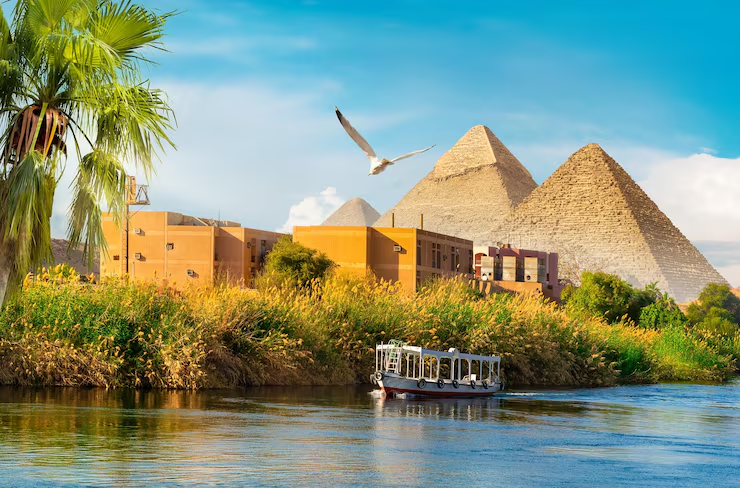
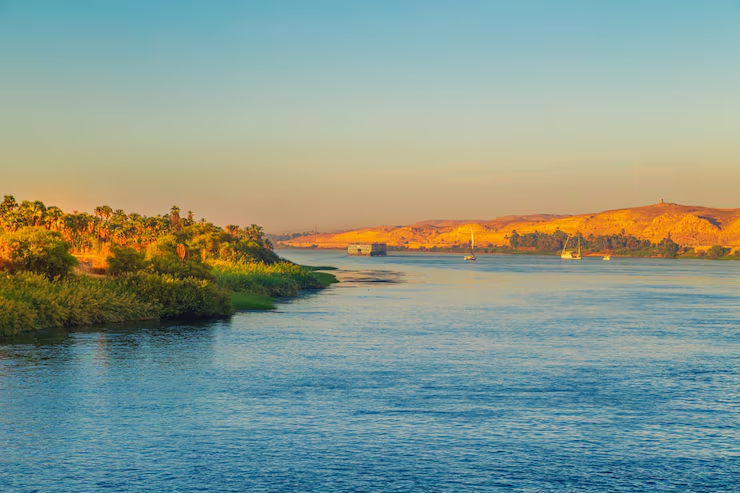
Beyond Tanta’s spiritual energy lies the true charm of Gharbia — its peaceful Nile Delta villages.
Life in the Delta Countryside
Gharbia is primarily an agricultural governorate, and much of its beauty lies in its rural simplicity. Small villages are surrounded by:
- Green fields of rice and wheat
- Irrigation canals
- Palm trees
- Traditional mud-brick homes
Walking through these villages offers a completely different side of Egypt — far from tourist crowds and modern city noise.
Here, daily life revolves around farming, family, and community.
Rural Hospitality
Visitors to Delta villages often experience incredible hospitality. Locals are warm, welcoming, and curious about visitors.
It’s common to see:
- Farmers working in the fields
- Women baking traditional bread
- Children playing along irrigation canals
- Livestock grazing peacefully
For photographers and cultural travelers, the Nile Delta villages provide authentic and picturesque scenes of Egyptian rural life.
3. Local Markets – The Pulse of Everyday Egyptian Life
If you truly want to understand Gharbia, you must explore its local markets.
Traditional Souks in Tanta and Nearby Towns
Markets in Gharbia are lively, colorful, and full of character. Vendors sell everything from:
- Fresh vegetables and fruits
- Spices and herbs
- Textiles and clothing
- Household goods
- Traditional sweets
The scent of spices fills the air, while merchants call out to customers in energetic voices.
A Cultural Experience
Unlike modern shopping malls, these markets reflect real Egyptian daily life.
Visitors can observe:
- Bargaining traditions
- Friendly conversations between vendors
- Traditional weighing scales
- Handmade goods
Street food is also a highlight. You may find:
- Fresh falafel (taameya)
- Koshari
- Sugarcane juice
- Local pastries
Exploring these markets is not just about shopping — it’s about experiencing the rhythm of Delta life.
4. Agricultural Landscapes – The Green Heart of the Delta
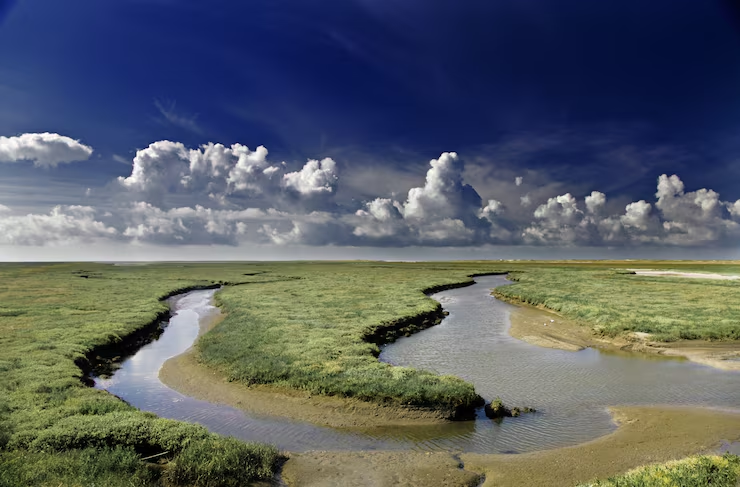
One of Gharbia’s most defining features is its lush agricultural landscape.
Fertile Lands of the Nile Delta
The Nile Delta is one of the most fertile regions in the world, and Gharbia sits at its heart. The land here is rich and productive, supporting crops such as:
- Cotton
- Rice
- Wheat
- Corn
- Vegetables
Driving through Gharbia, you’ll see endless stretches of greenery, intersected by narrow irrigation canals that distribute Nile water to farms.
Seasonal Beauty
Each season brings a different look to the countryside:
- Spring offers bright green fields
- Summer brings golden crops
- Autumn showcases harvest scenes
- Winter remains mild and pleasant
The calm rural scenery makes Gharbia perfect for slow travel and countryside photography.
5. Historic Mosques – Cultural and Architectural Heritage
Gharbia is home to numerous historic mosques beyond Ahmad Al-Badawi Mosque.
Islamic Architecture in the Delta
Many of the mosques in Gharbia feature:
- Classic Islamic arches
- Decorative geometric patterns
- Traditional minarets
- Courtyards for community gatherings
These mosques serve as both religious centers and social hubs for local communities.
A Reflection of Community Life
In Delta towns, mosques are central to daily life. They are places not only for prayer but also for:
- Religious education
- Community discussions
- Celebrations during Ramadan and Eid
Visiting these historic mosques offers insight into the spiritual backbone of Gharbia.
Culture and Traditions in Gharbia
Gharbia reflects traditional Egyptian values deeply rooted in family, agriculture, and faith.
Festivals and Celebrations
In addition to the famous Tanta Moulid, the region celebrates:
- Ramadan nights with lanterns and gatherings
- Eid festivals with communal prayers
- Wedding celebrations filled with music and dancing
Traditional Cuisine
Gharbia’s cuisine is simple yet delicious, often made from fresh local ingredients.
Popular dishes include:
- Ful medames (fava beans)
- Taameya (Egyptian falafel)
- Molokhia
- Fresh baked baladi bread
- Local cheeses and dairy products
Because of the agricultural richness, food here is always fresh and flavorful.
Best Time to Visit Gharbia
The ideal time to visit Gharbia is between October and April, when temperatures are moderate and perfect for walking and exploring rural areas.
If you wish to experience the Tanta religious festival, check the Islamic calendar for the Moulid of Ahmad Al-Badawi.
Final Thoughts
Gharbia represents the soul of the Nile Delta — spiritual, fertile, traditional, and welcoming. From the spiritual atmosphere of Tanta’s Ahmad Al-Badawi Mosque to the quiet charm of rural villages and lush farmlands, the region offers a deeply authentic Egyptian experience.
If you’re exploring Egypt beyond the usual tourist attractions, Gharbia deserves a place on your journey. It may not be flashy, but its cultural richness and community spirit make it unforgettable.