
Now Reading: Top 5 Tourist Places in Heilongjiang, China
-
01
Top 5 Tourist Places in Heilongjiang, China

Top 5 Tourist Places in Heilongjiang, China
Heilongjiang Province, located in the far northeastern corner of China, is a land shaped by extreme seasons, powerful rivers, ancient forests, and a fascinating mix of cultures. Bordering Russia and named after the mighty Heilong (Amur) River, this province is best known as China’s coldest region—but also one of its most visually stunning and culturally unique destinations.
Often referred to as China’s Winter Wonderland, Heilongjiang turns snow and ice into world-famous attractions. From glowing ice palaces and fairytale snow villages to volcanic landscapes and premier ski resorts, the province offers experiences found nowhere else in the country. Yet Heilongjiang is not only about winter. During summer, it becomes a green paradise of wetlands, forests, rivers, and cool mountain air, making it a year-round destination.
This in-depth travel guide explores five of Heilongjiang’s top tourist destinations:
- Harbin
- Snow Town (Xuexiang)
- Sun Island
- Wudalianchi
- Yabuli
Along the way, you’ll discover history, culture, activities, seasonal tips, food, and travel inspiration to help you fully understand why Heilongjiang deserves a place on every serious traveler’s bucket list.
1. Harbin – The Ice City of China and a Living Museum of East–West Culture
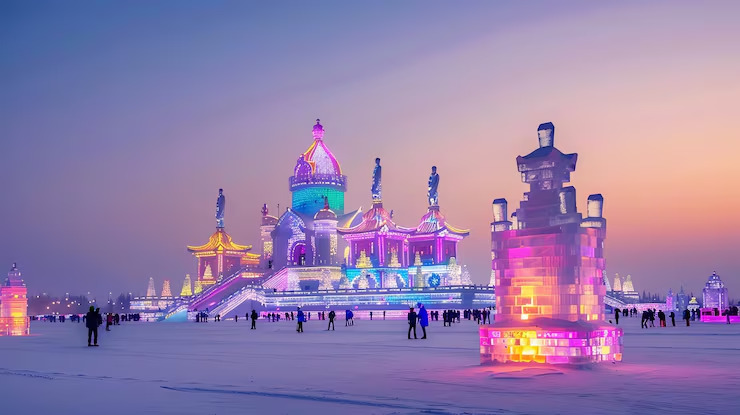
Harbin, the capital city of Heilongjiang Province, is the undisputed heart of tourism in northern China. Known globally as the “Ice City,” Harbin is famous for its spectacular winter festivals, but its appeal extends far beyond snow and ice.
A City Born From Global Influence
Harbin’s modern identity began in the late 19th century when Russia constructed the Chinese Eastern Railway, turning the city into an international hub. Europeans, Russians, Jews, and Chinese merchants settled here, leaving behind a rare architectural and cultural blend that still defines Harbin today.
Walking through Harbin feels like stepping into a European city transplanted into Asia.
Harbin International Ice and Snow Festival
The Harbin International Ice and Snow Festival, held every year from January to February, is the largest and most famous ice festival in the world.
Key highlights include:
- Giant ice castles and towers carved from frozen Songhua River ice
- Colorful LED-lit sculptures that glow at night
- Ice slides, frozen bridges, and entire walkable ice cities
Major venues:
- Harbin Ice and Snow World
- Sun Island Snow Sculpture Expo
- Zhaolin Park Ice Lantern Fair
Millions of visitors from around the world travel to Harbin each winter just to witness this frozen spectacle.
Architectural and Cultural Landmarks
- Saint Sophia Cathedral – A stunning Russian Orthodox church turned museum
- Central Street (Zhongyang Dajie) – A historic pedestrian street with Baroque, Renaissance, and Art Nouveau buildings
- Volga Manor – A Russian-style cultural park showcasing bridges, churches, and scenic rivers
Winter Experiences in Harbin
- Ice skating on frozen rivers
- Ice swimming competitions
- Snow amusement parks
- Night photography of illuminated ice sculptures
Food and Local Cuisine
Harbin’s food reflects its cold climate and multicultural past:
- Harbin red sausage
- Russian black bread and pastries
- Dumplings, stews, and hotpots
- Frozen fruits sold outdoors in winter
Why Harbin Is Unmissable
Harbin is not just a city—it is a winter phenomenon. Its architecture, festivals, and cultural depth make it one of China’s most distinctive urban destinations.
2. Snow Town (Xuexiang) – China’s Ultimate Winter Fairytale Village
Snow Town, officially called China Snow Town (Xuexiang), is one of the most photographed winter destinations in Asia. Hidden deep within the forests of Heilongjiang, this remote village is famous for its extraordinarily heavy snowfall and dreamlike scenery.
What Makes Snow Town Unique
Snow Town’s geography and climate cause snow to pile up in thick, soft layers that reshape rooftops, fences, and trees into rounded, surreal forms. Houses appear covered in giant white mushrooms, while snow walls line narrow village paths.
At night, red lanterns glow warmly against the snow, creating an atmosphere that feels straight out of a storybook.
Daily Life and Local Traditions
Despite its popularity, Snow Town remains a living village. Locals rely on forestry and winter tourism, welcoming guests into traditional wooden homes.
Visitors experience:
- Heated kang beds
- Homemade northeastern Chinese meals
- Rural winter traditions and customs
Winter Activities in Snow Town
- Snowshoe hiking through forests
- Sledding and snow tubing
- Snowmobile rides
- Photography tours at sunrise and sunset
Best Time to Visit Snow Town
- Late December to February
- January offers the deepest snow and best visuals
Why Snow Town Is So Special
Snow Town delivers a pure winter fantasy—quiet, magical, and visually unforgettable.
3. Sun Island – Scenic River Landscapes and Snow Art Masterpieces
Located on the Songhua River, Sun Island Scenic Area sits just across from Harbin’s city center. It is one of Heilongjiang’s most versatile attractions, offering completely different experiences in summer and winter.
Summer: Green Escape and Wetland Beauty
In warmer months, Sun Island becomes a peaceful retreat:
- Lush gardens and flower displays
- Wetlands and bird habitats
- Cycling and walking trails
It’s a favorite leisure spot for locals escaping the city heat.
Winter: International Snow Sculpture Art Expo
During winter, Sun Island hosts the International Snow Sculpture Art Expo, one of the world’s largest snow sculpture events.
Unlike ice sculptures, these works are carved from compacted snow, allowing:
- Massive scale
- Intricate artistic detail
- Open-air exhibition spaces
Artists from many countries participate, turning the island into an outdoor snow art gallery.
Nature, Photography, and Relaxation
Sun Island’s open landscapes make it ideal for:
- Snow and river photography
- Scenic walks
- Slow travel and relaxation
Why Visit Sun Island
Sun Island balances art, nature, and tranquility—perfect for travelers who enjoy scenic beauty without crowds.
4. Wudalianchi – Volcanic Landscapes, Lava Fields, and Healing Hot Springs
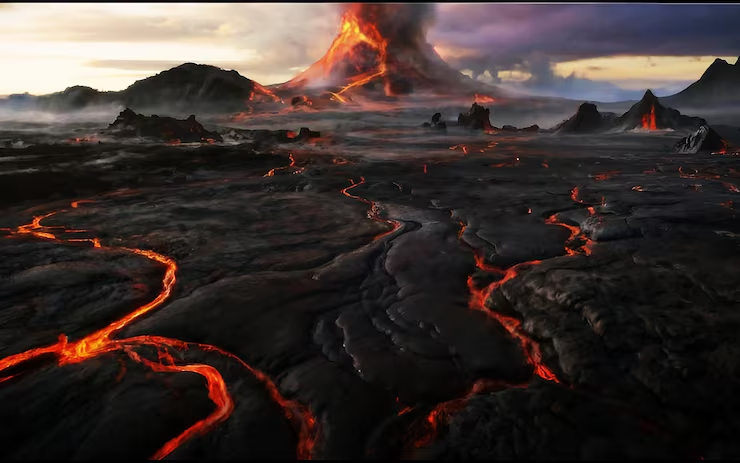
Wudalianchi, meaning “Five Connected Pools,” is one of Heilongjiang’s most unusual and scientifically significant destinations. Located in the northwest of the province, it is famous for its volcanic landforms and mineral springs.
A Landscape Shaped by Fire
Ancient volcanic eruptions created:
- Lava plateaus
- Crater lakes
- Jagged black rock formations
The contrast between volcanic rock, green forests, and winter snow creates dramatic scenery.
Healing Hot Springs and Wellness Culture
Wudalianchi is renowned across China for its naturally carbonated mineral springs, believed to benefit digestion, circulation, and skin health.
Visitors can enjoy:
- Outdoor hot spring pools
- Wellness resorts
- Traditional Chinese healing practices
Cultural and Spiritual Importance
For centuries, Wudalianchi has been regarded as a sacred healing land, attracting visitors seeking health, longevity, and inner balance.
Outdoor Exploration
- Walking across lava fields
- Hiking volcanic cones
- Exploring crater lakes
Why Wudalianchi Stands Out
Wudalianchi combines geology, wellness, and natural beauty—offering a travel experience unlike any other in China.
5. Yabuli – China’s Most Famous Ski Resort Destination
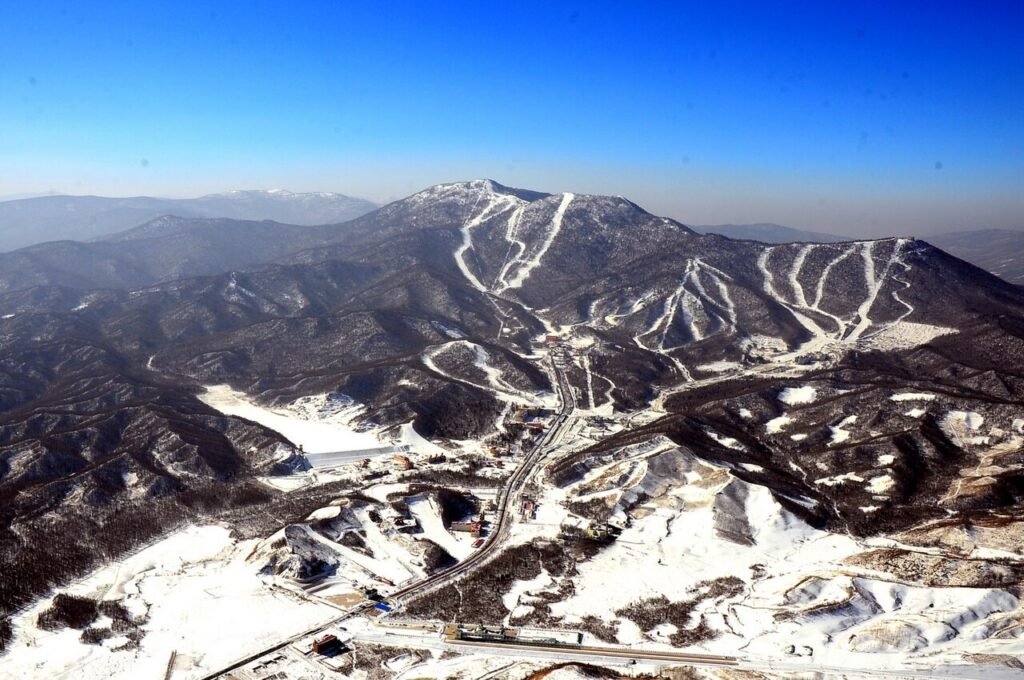
Yabuli is the premier winter sports destination in China. Located southeast of Harbin, it is surrounded by forested mountains and deep snowfields.
Skiing and Snowboarding in Yabuli
Yabuli offers:
- Beginner to advanced ski slopes
- Modern ski lifts and facilities
- Snowboarding and snow tubing
It has hosted national and international competitions and Olympic training events.
Resort Life and Accommodation
Yabuli features:
- Mountain lodges
- Luxury resorts
- Hot spring hotels
After skiing, visitors relax by fireplaces, soak in hot baths, and enjoy hearty northeastern meals.
Winter and Beyond
Even non-skiers can enjoy:
- Snow hiking
- Horse-drawn sled rides
- Winter photography
Why Visit Yabuli
Yabuli is ideal for active travelers and families seeking a classic alpine-style holiday in China.